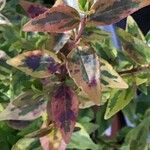
Abelia grandifolia
Heaven bell · Glossy abelia · Bob · Falling Star
Description
Source: leafsnapKnown for its vibrant foliage and long bloom times, the Abelia genus consists of about 30 species of both deciduous and evergreen shrubs. There has been much discussion about the Abelia genus itself, since modern DNA testing has proved that some previously recognized members of the genus were substantially different. Various horticultural experts recognize different nomenclature structures, either reducing the size of the Abelia genus or reclassifying these species as members of the Linnea genus. For shrubs commonly known as abelia, there are several common identifiers. These shrubs produce pointed, oval-shaped leaves that are often yellow or green with pink, orange, bronze, or burgundy details. Some are multi-colored or variegated and even change color as the seasons change. Their flowers are tubular and are often seen in white, pink, or yellow. Unlike many flowering plants, abelia shrubs have a long blooming season that extends from spring until fall.
Care Guide
💧 Water Every 1 week
These low-maintenance plants are drought tolerant once established. However, they do best when provided with regular watering. Especially during the hotter summer months, you should plan to water abelias once or twice a week to keep them vibrant and healthy. Allow the soil to begin drying before watering again. Watering deeply and infrequently is better for abelias than watering lightly and regularly.
☀️ Light Partial sun
Vesalea grandifolia is native to habitats such as forest understories and rocky areas, where it grows in natural shade. It prefers partial sun but can tolerate full sun or full shade, reflecting its hardy, adaptable nature.
🌡️ Temperature 15–35°C
Vesalea grandifolia comes from tropical areas, where the climate is usually warm and humid. Consequently, it is adapted to high temperatures and humidity. It does not tolerate sudden temperature changes and prefers a steady thermal environment, so avoiding temperature fluctuations indoors is important. It generally cannot withstand cold and needs warmer conditions to grow. If the ambient temperature becomes too low, the plant may stop growing or even perish.
💨 Humidity
🪴 Soil 6-7
🌱 Fertilizer
The best time to fertilize a Vesalea grandifolia is in early spring as it breaks dormancy. This encourages overall growth and flower development. Fertilizing improves the foliage, stems, and branches, and encourages large, vibrant, long-lasting flowers. It helps transport nutrients from the roots to the blooms and enhances the plant’s health and resistance to disease.
🪴 Pot & Repot
✂️ Pruning
Occasional pruning will help keep abelia shrubs looking clean and growing strong. It is best to prune in late winter or early spring to avoid pruning off new growth or flower buds. Remove any damaged or dead branches and prune the plant to your desired shape. Take no more than about one-third of the shrub. Certain varieties produce long, thin shoots from the trunk or branches that can be removed for a cleaner appearance. Other varieties bloom on old wood, making it best to prune after flowering.
🌿 Propagating
🐛 Diseases & pets
☠️ Toxicity
Characteristics
- Plant Type
- Shrub
- Life Cycle
- Perennial
- Genus
- Abelia
- Family
- Caprifoliaceae
- Hardiness Zone
- 7-10
- Mature Height
- 0.91 m to 2.13 m
- Mature Spread
- 0.91 m to 1.52 m
- Leaf Color
- Green, Dark Green
- Leaf Type
- Deciduous
- Flower Color
- White, Pink
- Flower Size
- 2.03 cm to 3.05 cm
- Bloom Time
- Mid spring, Late spring
- Planting Time
- Spring, Summer, Autumn
- Harvest Time
- Early summer, Mid summer
- Native Area
- Asia