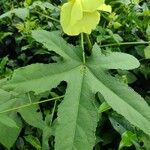
Abelmoschus moschatus
Muskseed · Musk okra · Musk-mallow · Tropical jewel-hibiscus · Musky-seeded hibiscus
Description
Source: leafsnapAbelmoschus moschatus, commonly known as musk mallow or ambrette, is a flowering plant that belongs to the Malvaceae family. Native to India, it has been widely cultivated in tropical and subtropical regions worldwide for its aromatic seeds. The plant grows up to 1.5 meters tall and features large yellow flowers with a deep red center that bloom from summer through fall. The seeds of Abelmoschus moschatus are highly valued for their musky fragrance, making them popular in perfumes, cosmetics, and traditional medicine. The oil extracted from the seeds contains compounds such as ambrettolide and muscone, which give it its distinctive scent. Beyond its aromatic properties, Abelmoschus moschatus is also used in traditional Ayurvedic medicine to treat various ailments, including digestive disorders, respiratory problems, and fever reduction, among others. The leaves of this plant are edible and have a slightly sour taste. They can be used in salads or cooked dishes like soups and stews. Overall, Abelmoschus moschatus is an important plant species due to its economic value in the perfumery industry and its medicinal properties, making it a significant herbaceous crop globally.
Care Guide
💧 Water Every 7 days
Musk okra thrives in humid conditions and can tolerate drought by slowing down its metabolism. For optimal growth, water it every 2-3 weeks. Originally from tropical regions, this plant prefers warm temperatures and well-drained soil, making it well-suited for container cultivation, which helps manage its water requirements.
What's the best way to water my Musk okra?
To ensure excellent root development, consider placing a garden hose at the base of the plant. Avoid spraying the leaves directly. If the leaves are outdoors and in direct sunlight, they will need more watering. To moisten the roots, you can use bubblers that can be attached to each plant. Soaker hoses are also effective for moistening the entire garden or bed when adding or removing plants. Make sure to drain any excess water and allow the soil to dry before watering again. Watering at ground level helps prevent diseases. On a sunny day, it may be helpful to spray the entire bush with water. Whether potted or in-ground, Musk okra prefers deep watering rather than light sprinkling.
What can I do if I give too much or too little water to Musk okra?
When a Musk okra is overwatered, its leaves can turn yellow, drop off, and wilt. The plant may also appear dull and unhealthy, with mushy stems. If you notice these signs, it's best to adjust your watering schedule. On the other hand, wilting can also be a sign of underwatering. In this case, the leaves may become crispy and dry. To determine if watering is needed, check the soil for dryness. If the soil is dry, give the plant a thorough watering. However, even with enough water, the Musk okra may still have dry and yellow leaves for a few days due to root damage. Once the plant recovers, the yellowing of leaves will stop. When keeping the plant indoors, always check the moisture levels in the pot and avoid overwatering. If you see black spots on the plant, allow the soil to dry by refraining from watering it for a few days. Overwatering can result in root rot, so if you observe discolored and slimy roots, consider transferring the plant to a different pot. It's important to prevent root rot by not allowing the soil to become too soggy. When planting the Musk okra outdoors, dig a bit deeper. If the soil feels too dry when you check with your fingers, it may be a sign of underwatering. Adequate watering is necessary to help the plant recover.
How much should I water my Musk okra?
The Musk okra plant requires deep and infrequent watering, especially when planted in pots. To ensure the soil doesn't dry out too quickly, it's best to soak them in a gallon of water each time. In colder regions, watering every 3 to 5 days is necessary. It's important to water early in the morning when the soil is dry, both indoors and outdoors. You can check if watering is needed by examining the soil, and if the top 2-3 inches are dry, it's time to give the plant a full watering. During hot days, you may need to check the soil moisture daily, as heat can quickly dry out the soil in pots. If you have a garden, irrigation is also necessary. In hot climates, watering once a week is recommended, but only when you notice that about 2 to 3 inches of soil have become dry. Take rainfall into consideration and avoid watering if there's already plenty of water. Musk okra usually grows in spring and fall, and when grown outdoors, adding mulch about 3 to 4 inches deep can help conserve water. Sandy soil drains faster, so plants in this type of soil need more frequent watering. On the other hand, plants in clay soil require less frequent watering, as they can go without water for 2-3 days without risking root rot. Keeping track of watering dates on a calendar can help ensure the plants receive water on time. If you notice the leaves starting to droop, it may be a sign that you need to water the plant sooner.
How much water does my Musk okra plant need?
The Musk okra generally needs about a gallon of water on each schedule. For potted plants, water them deeply until the water drips at the bottom of the pot. Then, wait for the soil to dry before watering again. You can use a water calculator or a moisture meter to determine the weekly amount. Water the plant plenty during the flowering period, but let the moisture evaporate afterward to avoid root rot. If Musk okra is planted outdoors with enough rainfall, it may not need extra watering. When it's young or newly planted, ensure it receives 1-2 inches of rain per week. As it grows, it can survive solely on rainfall. Only water it thoroughly during hot weather or when there's no rainfall for 2-3 weeks. Do this during the cooler part of the day to prevent heat damage. Additional watering is necessary during extended dry periods.
Should I water my Musk okra more or less depending on the time of year or the weather?
The Musk okra thrives in outdoor conditions and typically relies on rain for watering. During the spring and fall growing seasons, the soil should be kept moist but not overly saturated. Alternating between dry and moist soil conditions is beneficial for the Musk okra's growth. In the summer, hot weather and lack of rain may result in faster evaporation, requiring more frequent watering to keep the soil moist. However, during the winter, the Musk okra requires less water as it enters a dormant phase. Using a well-draining soil mix like terracotta can help evaporate excess water during this period. Once the Musk okra starts to leaf out and go dormant, watering can be skipped, as it can rely on fall and winter rains to survive. When cultivating the Musk okra after winter, it is ideal to encourage growth and blooming in warmer temperatures. Ensure good drainage at all times, especially during winter, to prevent ponding or drought. When potted, the Musk okra's root growth is limited, so they should be watered well, especially if it's summertime. Avoid cold and wet roots by providing sufficient drainage, particularly as they continue to grow. It is recommended to water the Musk okra diligently, allowing the entire root system to have a deep soak once or twice a week, depending on the weather. Avoid shallow sprinkles that only reach the leaves, as they can promote fungal growth and do not penetrate the roots effectively. During fall and winter, even in dormancy, avoid letting the Musk okra dry out completely. It's important not to overwater the plants since they dislike sitting in water for extended periods, and poorly drained soil can cause winter deaths. Applying mulch when possible can help reduce stress, conserve water, and promote healthy blooms.
☀️ Light Full sun
Musk okra grows best in places with plentiful sunlight. It can also survive in areas with reduced light, demonstrating its adaptability. Too much or too little sun can adversely affect its growth, causing it to wilt or lose color. Originally, it prospered with considerable sun exposure.
What are the sunlight requirements for Musk okra?
Musk okra requires full sun exposure, defined as above 6 hours of sunlight daily, to thrive best. It can also tolerate partial sun, which means about 3-6 hours of sunlight. Monitoring the movement of sunlight through your garden and positioning your plants to achieve a balance of light and shade ensures their optimal growth and happiness. Originally, Musk okra thrived in areas with substantial sun exposure, but it has proven adaptable to varying light conditions. However, both too much and too little sunlight can negatively affect the plant, leading to issues such as wilting or discoloration.
How can artificial lighting be used for Musk okra indoors?
When natural sunlight is insufficient for Musk okra, especially in winter or less sunny locales, artificial lighting serves as a crucial alternative to promote healthy plant growth. LED lights are recommended due to their adaptability in providing specific light wavelengths needed by plants. For full sun plants, 30-50W/sq ft of light is needed; partial sun plants require 20-30W/sq ft, while full shade plants need 10-20W/sq ft of light. The light source should be placed 12-36 inches above the plant to simulate natural sunlight conditions, with most plants benefiting from 8-12 hours of light per day.
What are the symptoms of inadequate sunlight for Musk okra?
Symptoms of insufficient sunlight in Musk okra include smaller new leaves, leggy or sparse growth, faster leaf drop, delayed or halted new growth, and pale new leaves, indicating a lack of chlorophyll and nutrients. Additionally, chlorosis can occur, where leaves lose their green color and turn yellow due to the breakdown of chlorophyll from too much sunlight, affecting the plant's photosynthesis ability. Symptoms of excessive sunlight exposure include sunscald, leaf curling as a defense mechanism, wilting from loss of water, and leaf scorching, characterized by brown, dry patches on leaves.
What are the solutions for Musk okra suffering from inadequate light?
For indoor Musk okra, gradually move the plant to a sunnier spot each week until it gets at least 6 hours of direct sunlight daily, ideally using a south-facing window. If moving the plant isn't feasible, consider artificial lighting, keeping a lamp on for a minimum of 8 hours a day or using professional grow lights. Outdoors, acclimate your plants to brighter conditions gradually to prevent sunburn. Minimize obstructions by pruning trees or relocating plants to sunnier areas. Although parts of the plant that have suffered from light deficiency may not recover, new growth after adjusting light exposure should be healthy.
🌡️ Temperature 15–37.8°C
Musk okra comes from tropical areas, where the climate is generally warm and humid. As a result, it is well suited to high temperatures and humidity. It does not tolerate sudden temperature changes and prefers a stable temperature environment, so avoiding temperature fluctuations indoors is important. It typically cannot endure cold temperatures and requires warmer conditions for growth. If the ambient temperature drops too low, the plant may stop growing or even die.
What is Musk Okra?
Musk okra, known botanically as Abelmoschus moschatus, is a plant species without specified common essentials or symptoms details in the provided data. Further information regarding its characteristics or uses was not provided.
💨 Humidity
🪴 Soil 6-7
🌱 Fertilizer
The best time to fertilize a Musk okra is in early spring, as it breaks dormancy. This supports overall growth and flower development. Fertilization improves the foliage, stems, and branches, while encouraging large, vibrant, long-lasting flowers. It helps move nutrients from the roots to the flowers and enhances the plant’s health and resistance to disease.
🪴 Pot & Repot
✂️ Pruning
For optimal growth and shape, prune musk okra in early spring. Begin by removing any dead or damaged stems, and then trim back overgrown branches to boost air circulation. This not only improves the plant's appearance but also encourages vigorous blooming and lowers the risk of disease.
🌿 Propagating
🐛 Diseases & pets
☠️ Toxicity
Characteristics
- Plant Type
- Shrub
- Life Cycle
- Perennial
- Genus
- Abelmoschus
- Family
- Malvaceae
- Hardiness Zone
- 8-11
- Mature Height
- 46 cm to 61 cm
- Mature Spread
- 30 cm to 61 cm
- Leaf Color
- Green
- Leaf Type
- Deciduous
- Flower Color
- Yellow, Pink
- Flower Size
- 6.35 cm to 11.43 cm
- Bloom Time
- Summer, Early fall, Mid fall
- Planting Time
- Summer
- Harvest Time
- Late summer, Fall, Early winter
- Native Area
- Sri Lanka, India, Malaysia, Indonesia, Cambodia, Vietnam, Bangladesh, Laos, Thailand, China