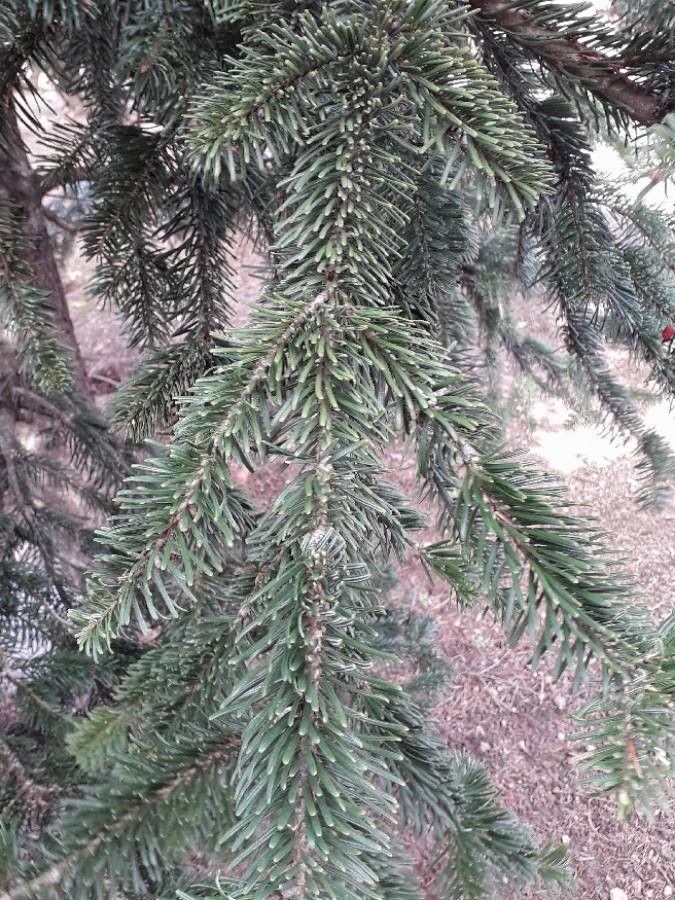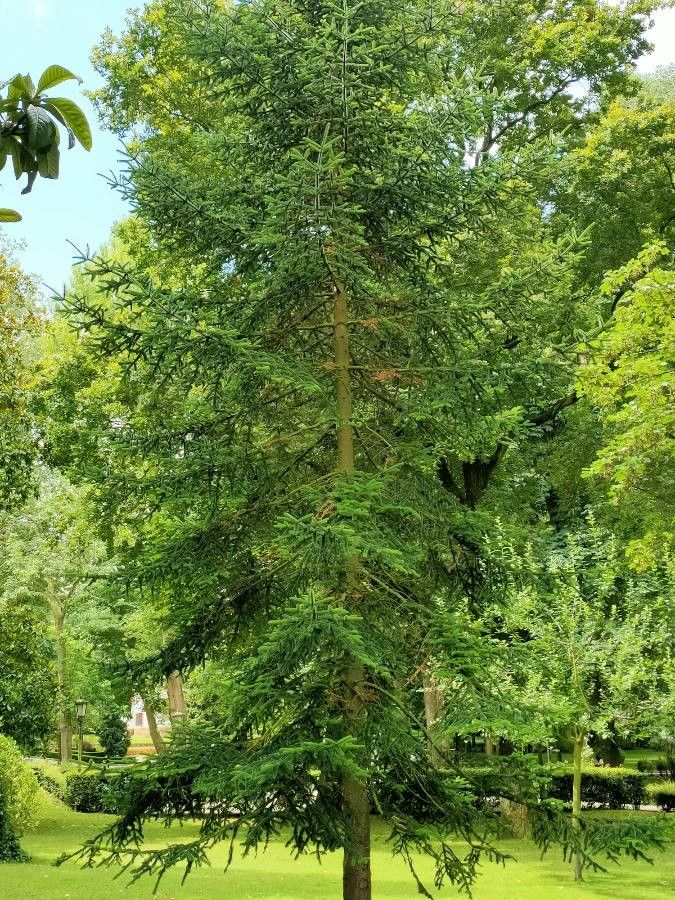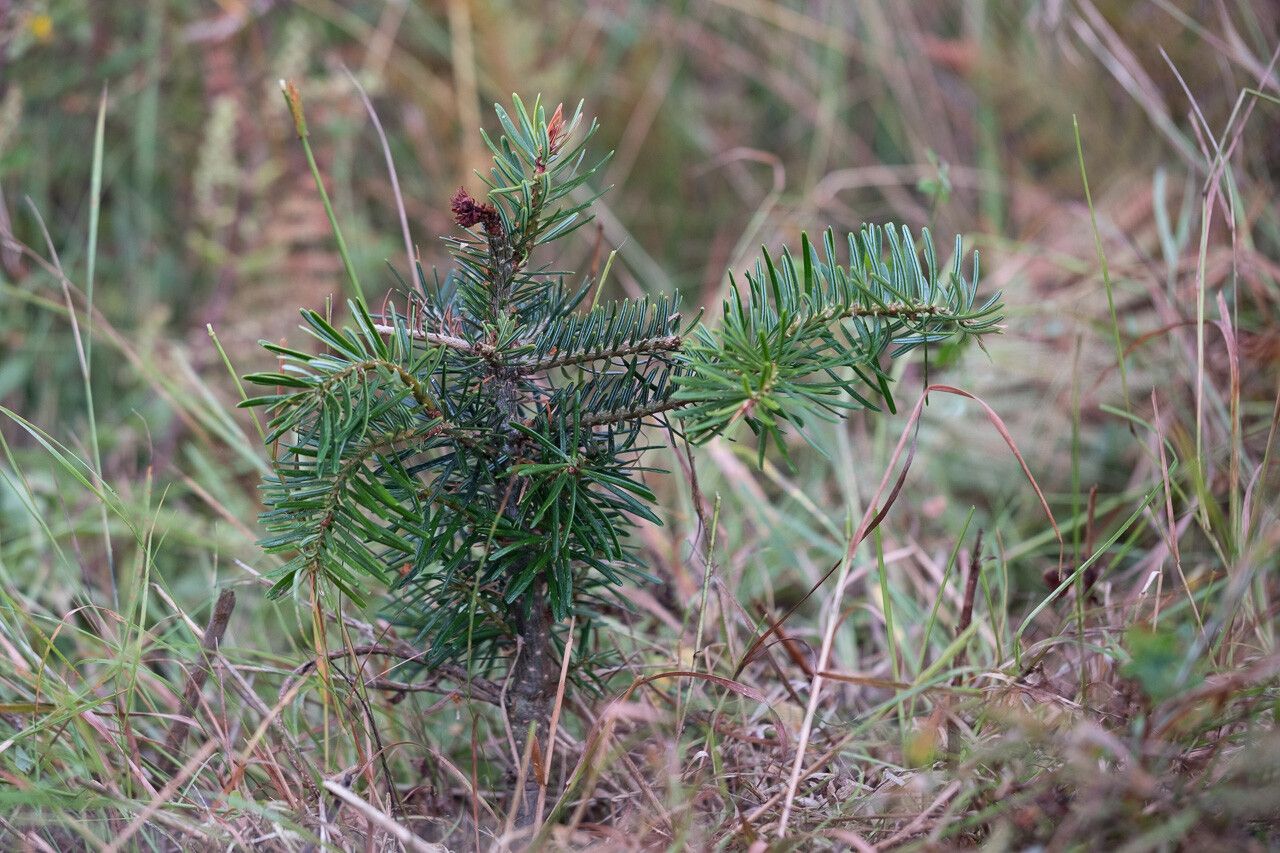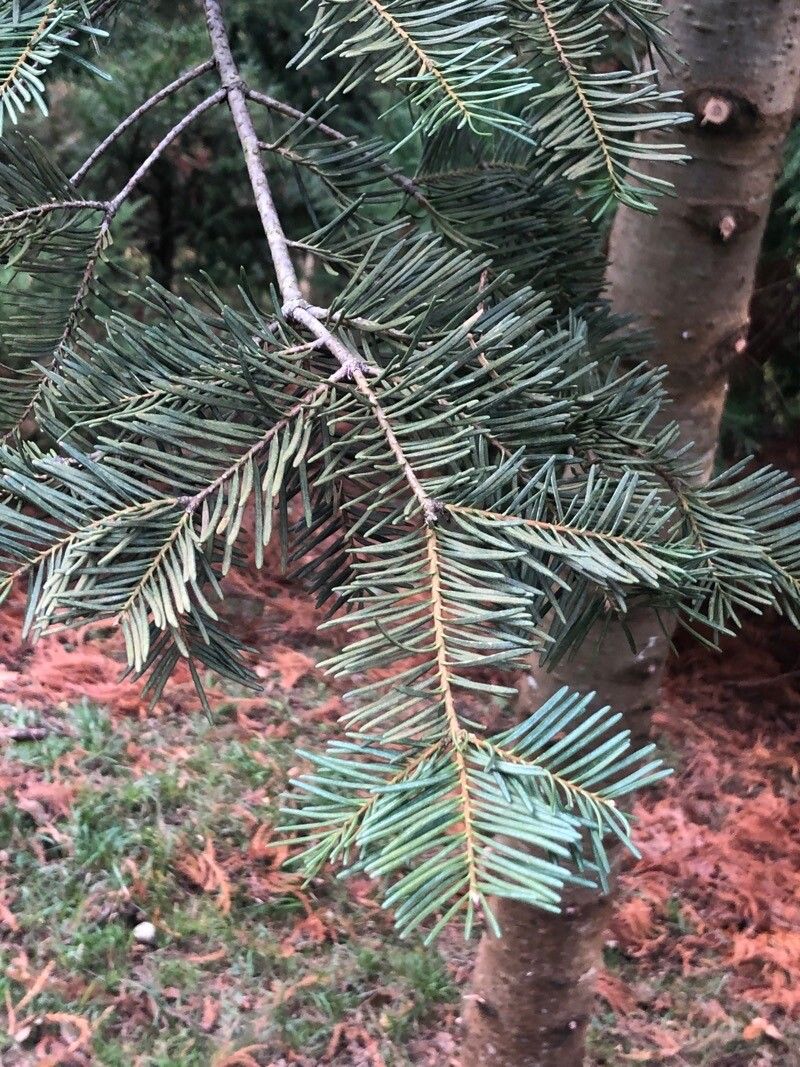
Abies amabilis, commonly known as the Pacific silver fir, is a fir native to the Pacific Northwest of North America, occurring in the Pacific Coast Ranges and the Cascade Range. It is also commonly referred to in English as the white fir, red fir, lovely fir, amabilis fir, Cascades fir, or silver fir.
Pacific silver fir shows good resistance to disease and is generally not susceptible to illnesses. In terms of care, the plant is fairly low maintenance. When grown outdoors it needs little watering, and larger specimens usually do not require pruning. Smaller plants, however, should be pruned after they have bloomed. Pacific silver fir is appropriate for anyone with an outdoor space, such as a garden or deck, and does not demand extensive care experience.
How to keep Abies Amabilis.
Light
The Pacific silver fir naturally thrives in areas like forest understories or rocky regions where there's a natural shadow. It typically prefers partially sunny environments, yet is capable of adjusting to completely sunlit or shaded conditions, showcasing its robust and adaptable characteristics.
Water
Pacific silver fir thrives in the moist, temperate regions of the Pacific Northwest, favoring soil that is both well-hydrated and well-drained. To replicate its natural habitat, water the plant every 1 to 2 weeks. Typically grown outdoors, Pacific silver fir benefits from mulching, which helps retain moisture during its active growing season.
Temperature
The Pacific silver fir displays impressive versatility in coping with diverse weather patterns, be it blistering hot summers or freezing cold winters. Nevertheless, there is an ideal temperature spectrum for its development. When the climate gets extremely hot, the tree tends to suffer from heat and moisture stress, potentially leading to its death. In areas where the temperature reaches the tree's minimum level of cold endurance, it is crucial to provide insulation to safeguard the tree.
Fertilizer
The Pacific silver fir has distinctive nutrient needs and doesn't require an overabundance of fertilization. The optimal period for fertilizing for best growth is during the spring. Supplementing with nutrients enhances its well-being, strengthens its defenses against pests and diseases, and promotes its longevity.
Pruning
The Pacific silver fir is characterized by its conical shape and dense, dark-green foliage. For optimal health and structure, prune the tree in early spring, concentrating on removing any dead or diseased branches. To prevent infections, make sure to sterilize your tools and attend to wound care. Regular maintenance helps enhance air circulation, light penetration, and the overall appearance of the tree.
Botanical profile.
Other names.
Reader questions.
What are the sunlight requirements for a Pacific silver fir (Abies amabilis)?
The Pacific silver fir, or Abies amabilis, thrives under specific sunlight conditions to ensure its health and happiness. It requires 'full sun' exposure, which is characterized by receiving above 6 hours of sunlight daily. However, it can also grow well in 'partial sun' conditions, where it would get about 3-6 hours of sunlight each day. It's important to observe the way sunlight moves through your garden throughout the day to find spots that offer the ideal balance of light and shade suited for your Pacific silver fir.
What is the Pacific silver fir?
The Pacific silver fir, known botanically as Abies amabilis, is a species of tree named for its distinctive presence and characteristics. Unfortunately, specific details about its essentials, symptoms, and additional information were not provided. This species is recognized by its unique botanical name and is likely known for certain traits typical of the Abies genus.