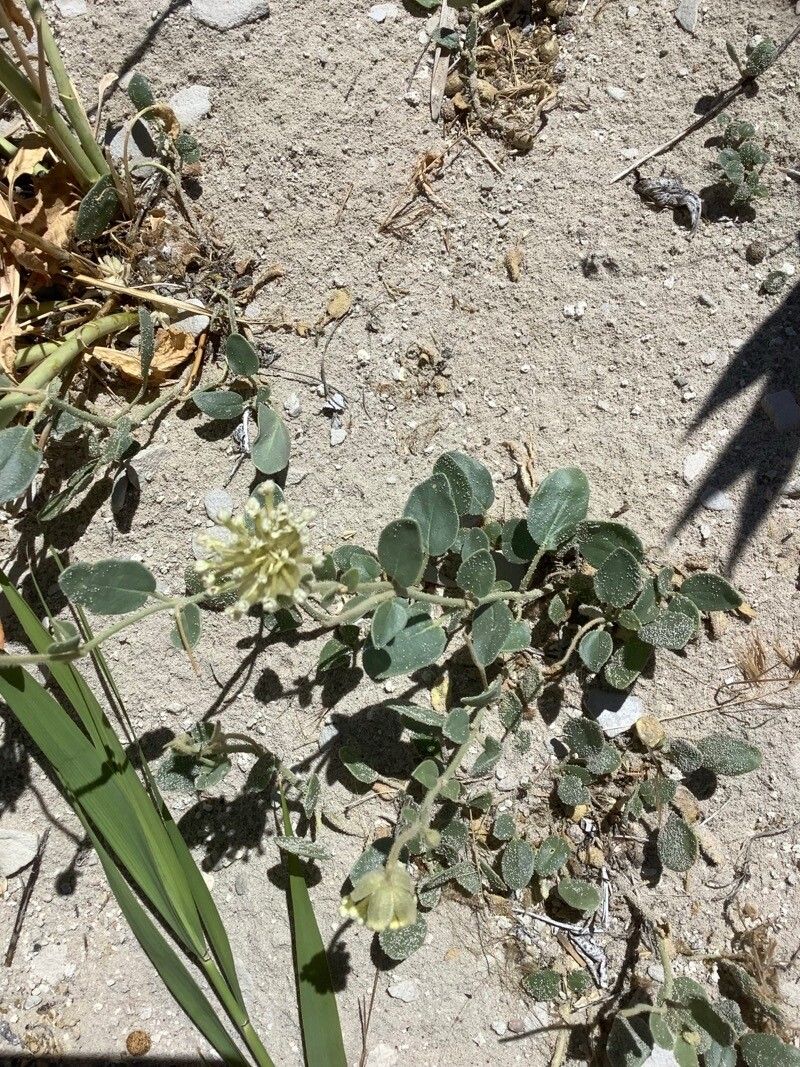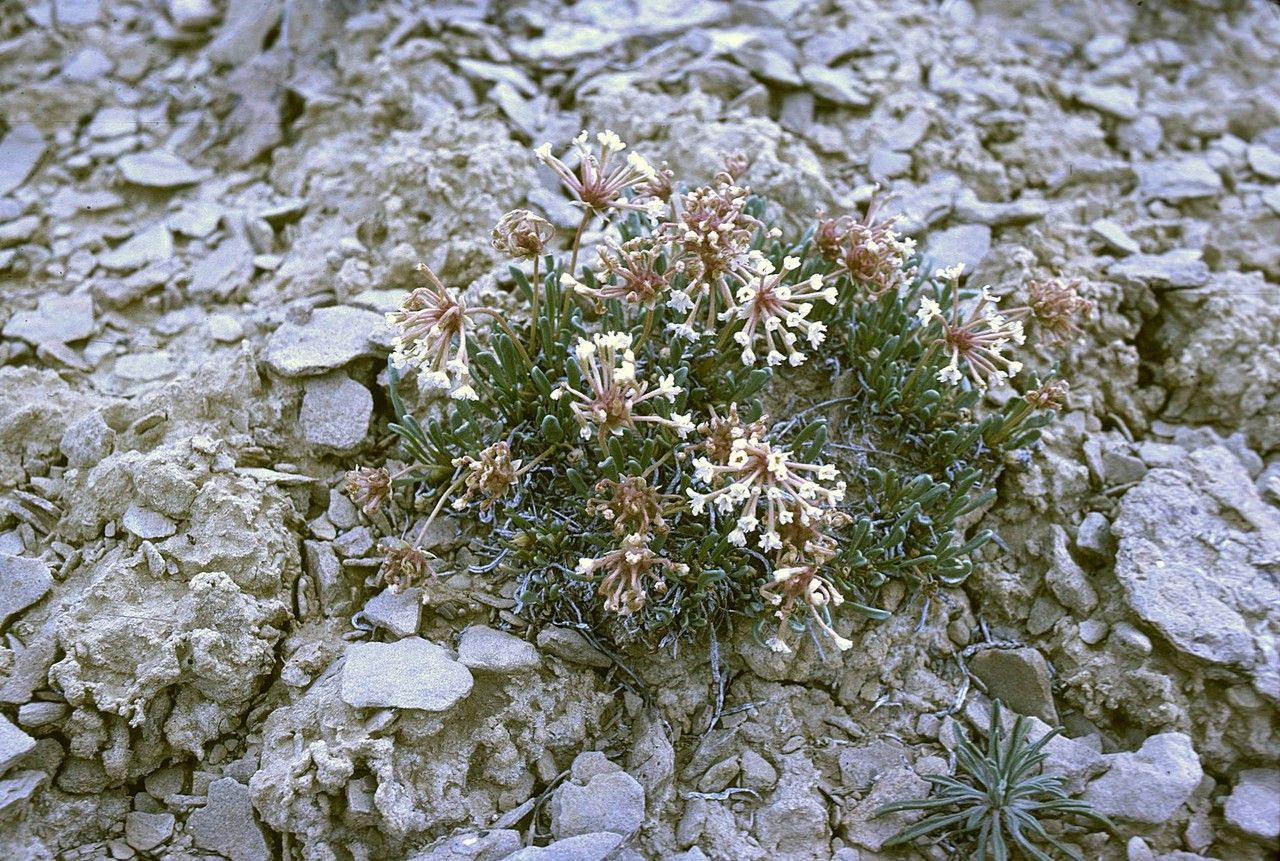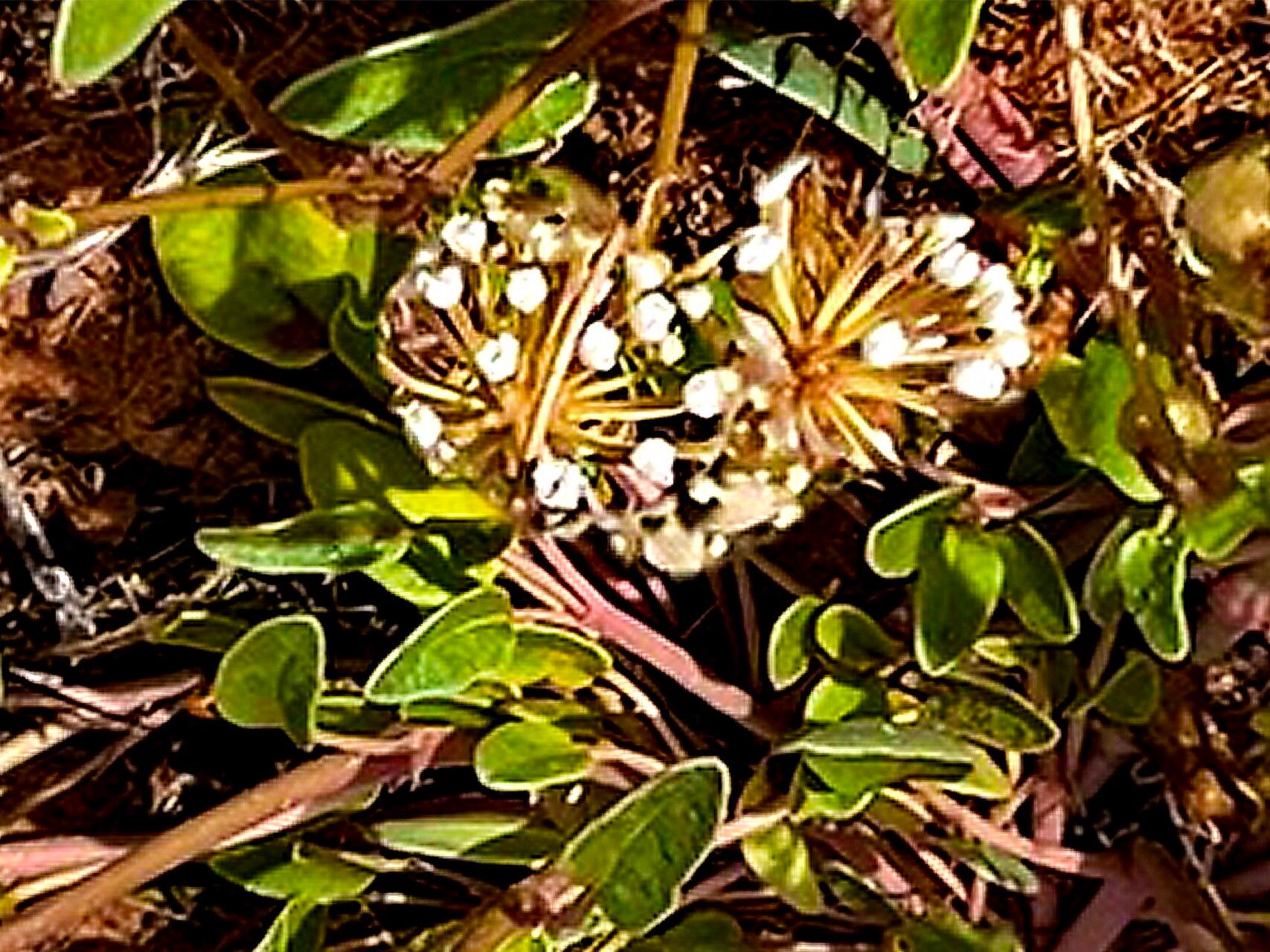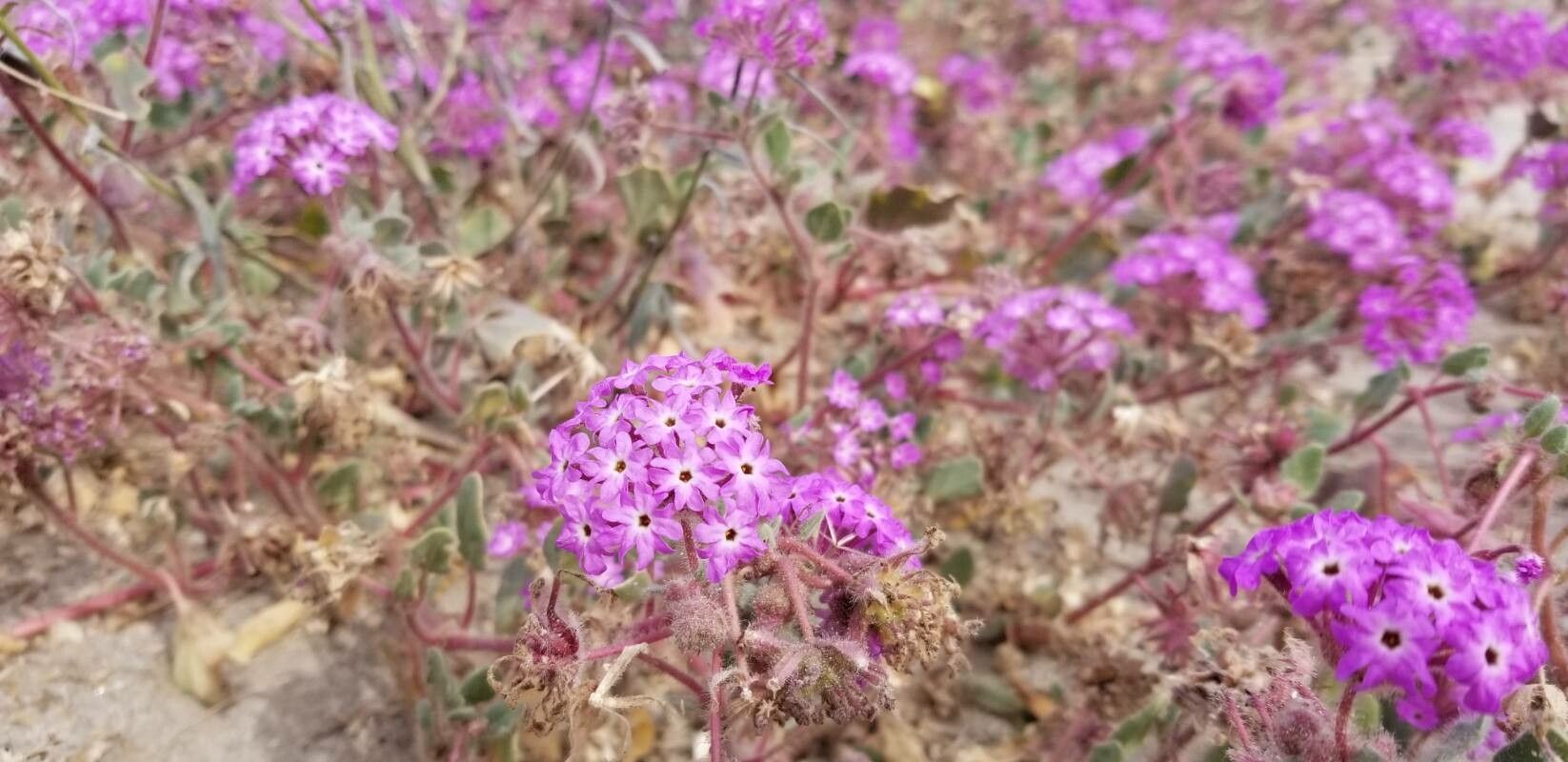
Abronia villosa is a species of sand-verbena known by the common names desert sand-verbena and chaparral sand-verbena. It is in the four o'clock plant family (Nyctaginaceae). It is native to sandy areas in the deserts of the southwestern United States and northern Mexico, associated with creosote-bush and coastal-sage scrub habitats.
Desert sand verbena is relatively disease-resistant and typically does not suffer much from illnesses. Still, it can be affected by pests and diseases present in its surroundings. When such infections occur, they are usually not severe. In terms of care, the plant is moderately demanding. It should be pruned regularly to keep a neat appearance and support healthy growth. Fertilizing can also help encourage flowering. Desert sand verbena is well suited to anyone with outdoor space, like a garden or patio, and does not require extensive gardening experience. It may need more attention if grown indoors.
How to keep Abronia Villosa.
Light
Desert sand verbena comes from bright, open habitats and thrives in full sun. It will tolerate partial shade but prefers direct sunlight for best growth. This plant, which may be annual or biennial, is known for its sun-loving habit.
Water
Desert sand verbena, native to arid desert regions, is highly drought-tolerant and thrives with minimal moisture. In cultivation, it needs to be watered weekly. The plant's succulent leaves allow it to store water efficiently. It prefers full sun and sandy soils, making it an excellent choice for xeriscaping. Additionally, it can serve as an indicator for irrigation needs in dry climates.
Temperature
Desert sand verbena is native to desert habitats where temperatures commonly range from 68 to 95 °F (20 to 35 °C). It favors that temperature range, so modifying conditions in other seasons may be necessary, particularly in colder climates.
Fertilizer
Once most of Desert sand verbena's blooms have opened to full size, resume fertilizing. When the flowers are at peak production, apply fertilizer every three to four weeks, depending on the weather. Then, once Desert sand verbena begins producing fewer new blooms, stop fertilizing; there's no need to feed the plant when it can no longer produce additional blooms.
Pruning
Desert sand verbena is a low-growing perennial plant with vibrant and fragrant flowers. To encourage reblooming and maintain its shape, prune the plant in early to late spring. Remove any spent blooms and damaged branches, but avoid heavy pruning. Regular light pruning also helps improve airflow and reduce pests. Be sure to follow local guidelines for the best practices in your area.
Botanical profile.
- Plant Type
- Herb
- Life Cycle
- Annual, Perennial
- Genus
- Abronia
- Family
- Nyctaginaceae
- Hardiness Zone
- 7-10
- Mature Height
- 8 cm to 15 cm
- Mature Spread
- 30 cm to 61 cm
- Leaf Color
- Green, Light Green
- Leaf Type
- Semi-evergreen
- Flower Color
- Pink, Lavender
- Flower Size
- 0.76 cm to 1.78 cm
- Bloom Time
- Spring, Summer
- Planting Time
- Spring, Summer
- Harvest Time
- Late spring, Summer, Early fall, Mid fall
- Native Area
- Mexico