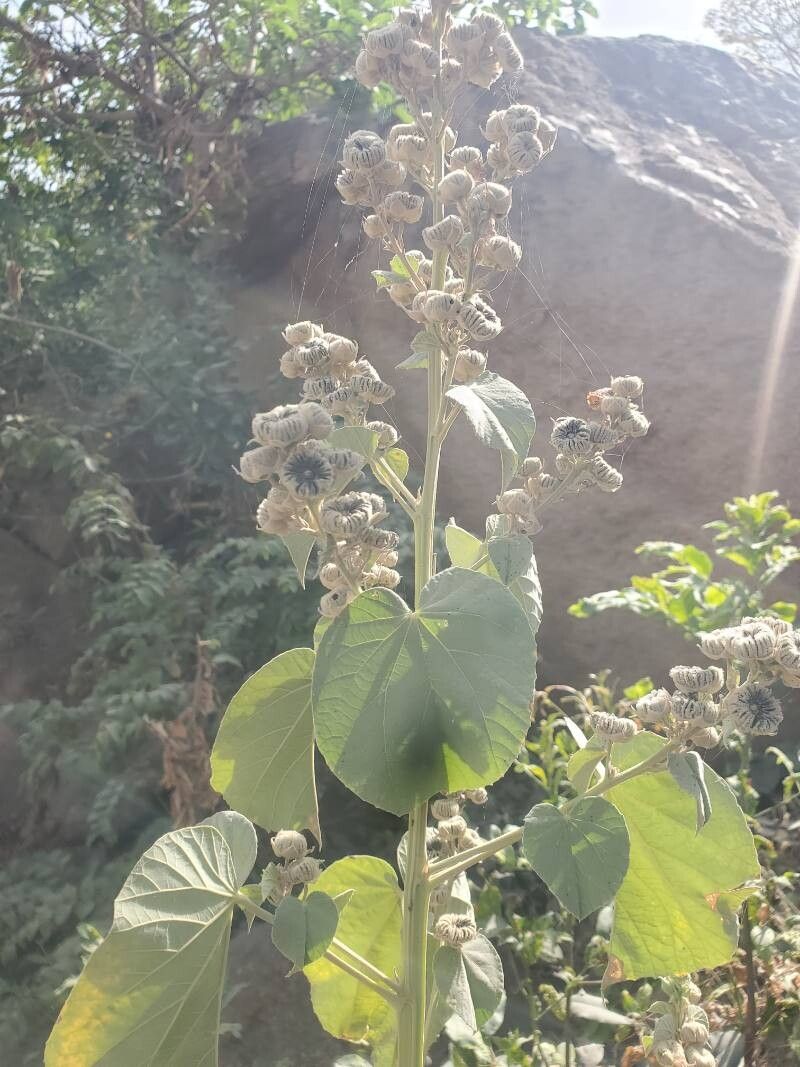
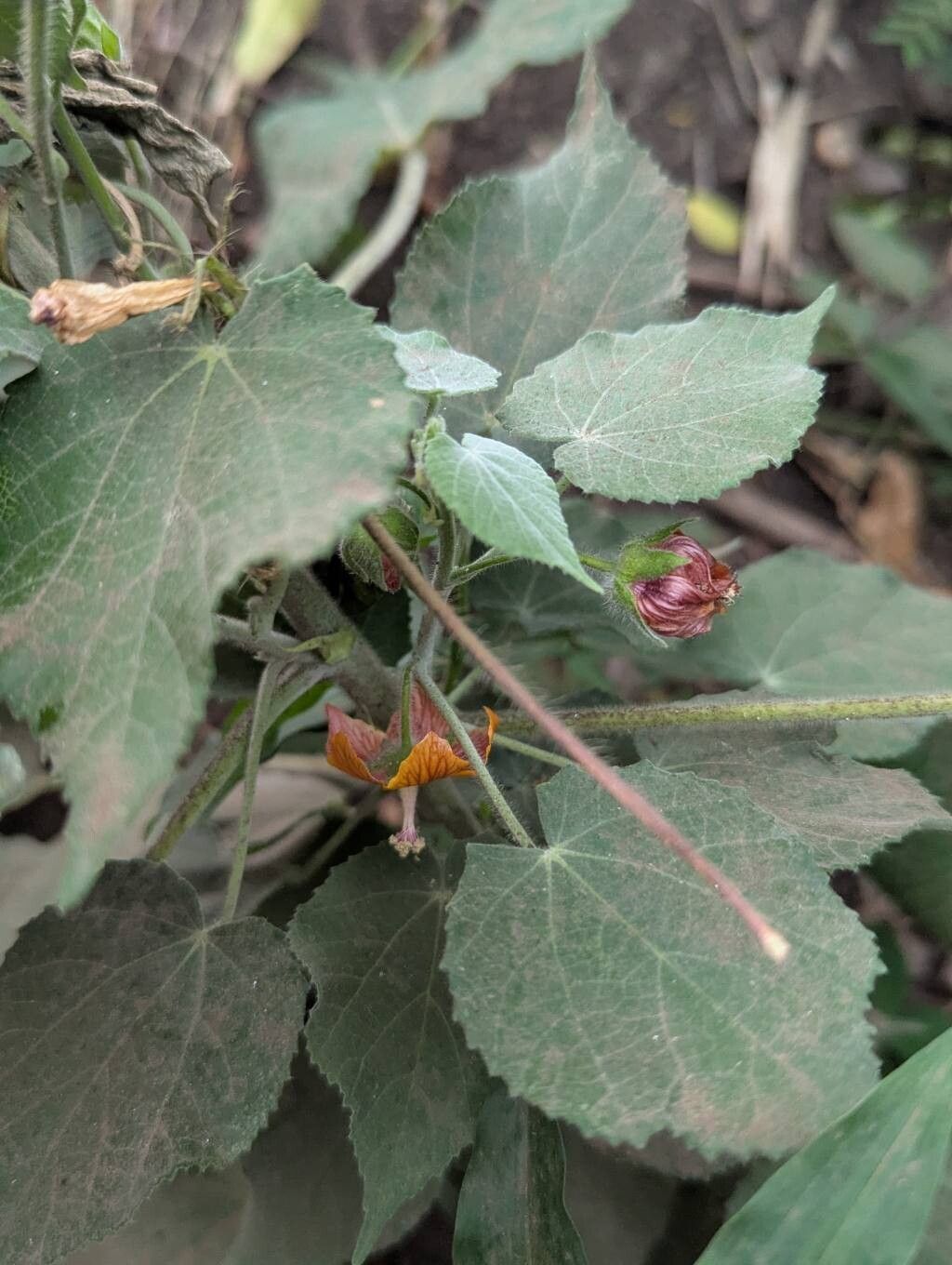
Abutilon hirtum, commonly known as the hairy Indian mallow or hairy abutilon, is a flowering plant that belongs to the Malvaceae family. Native to India and Sri Lanka, it has also been introduced and naturalized in many other parts of the world.
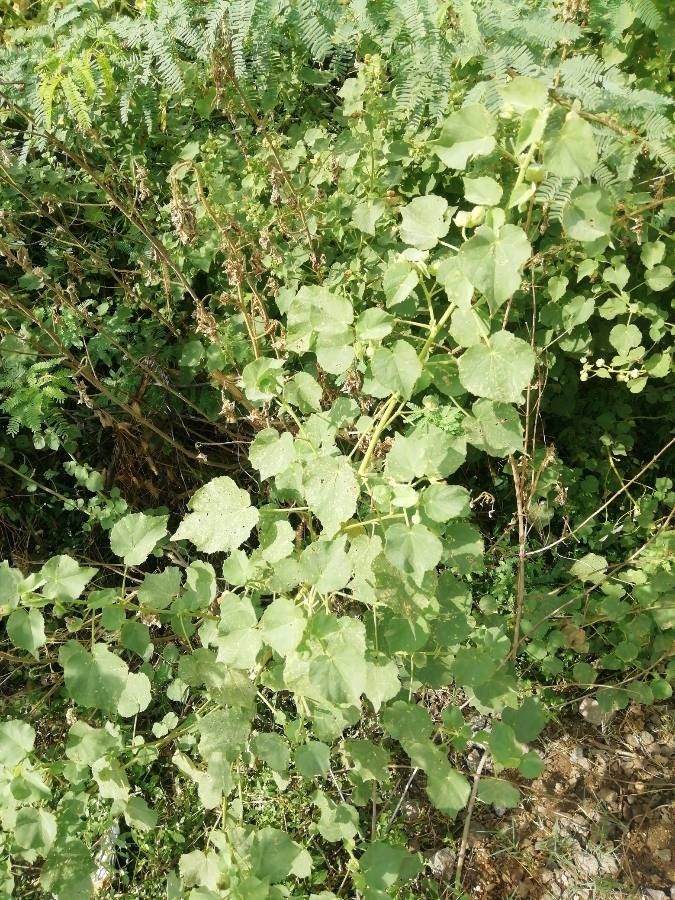
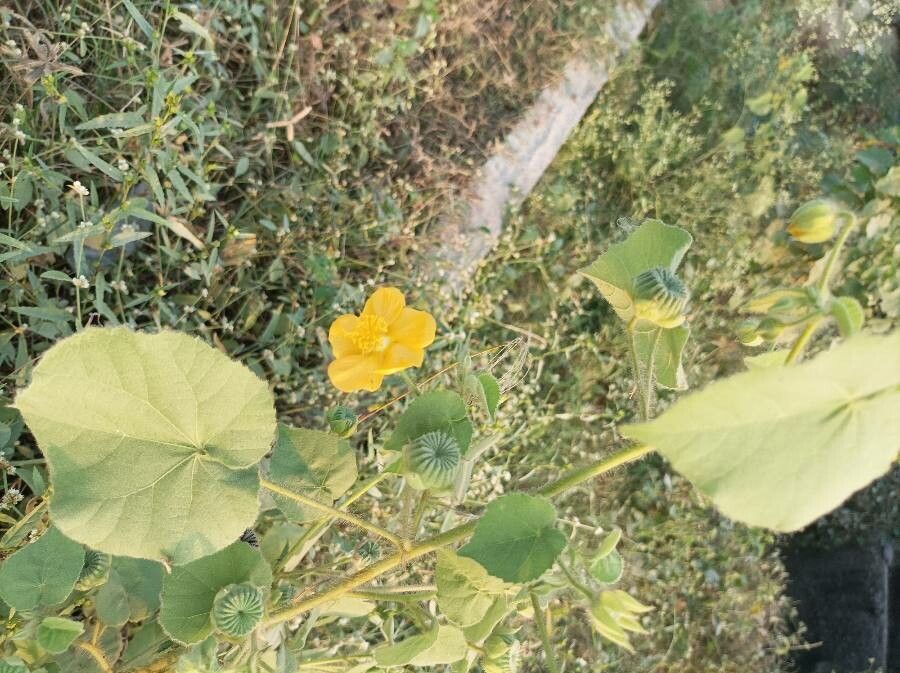
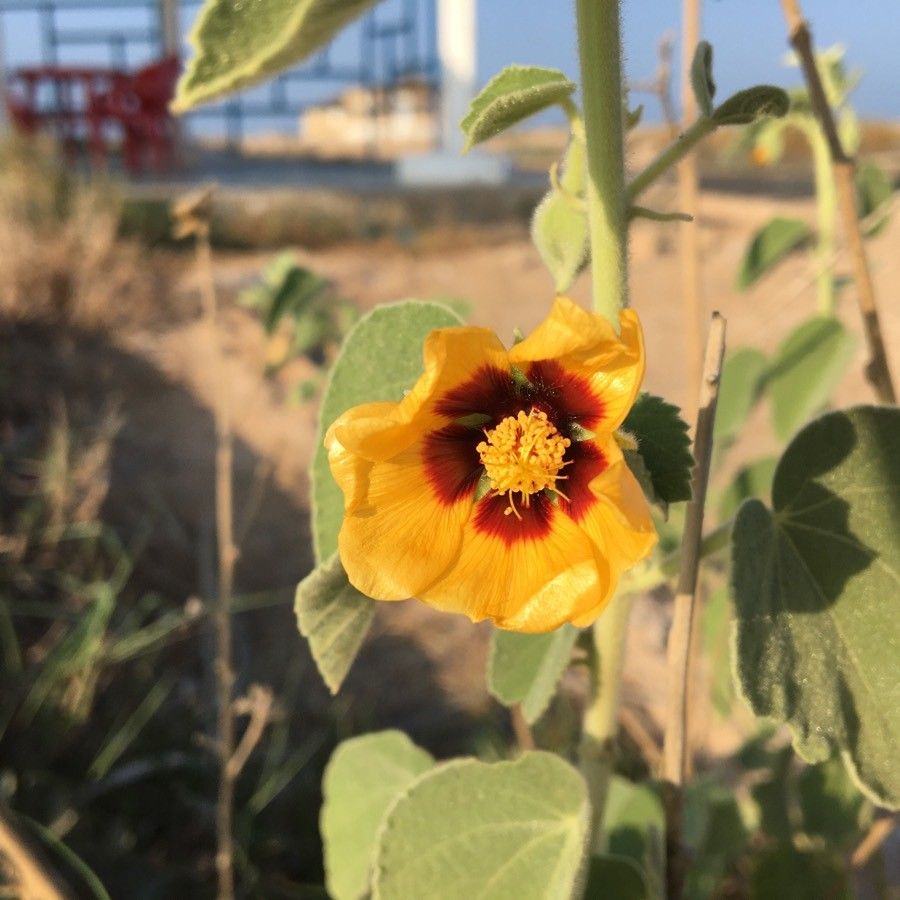
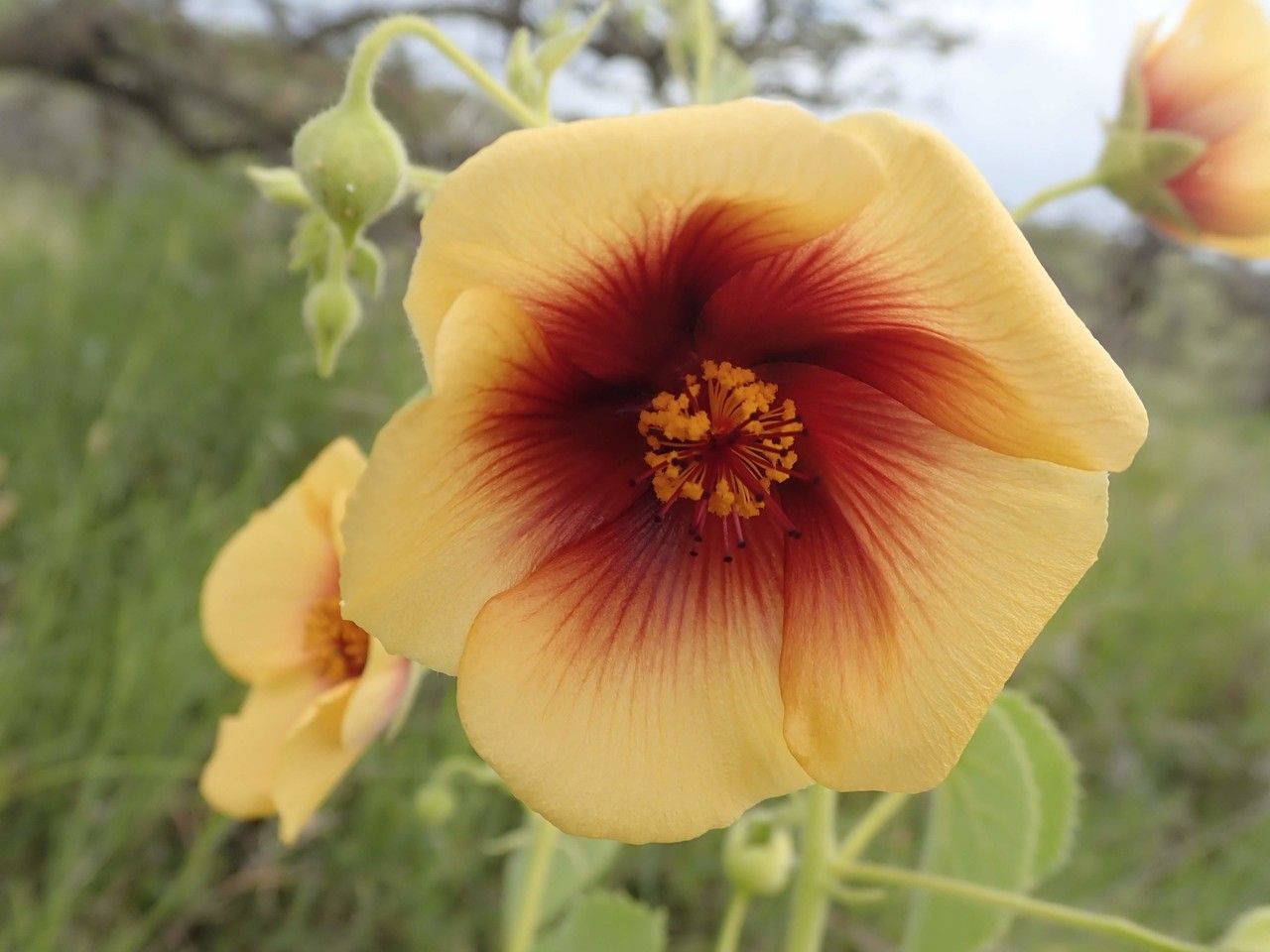
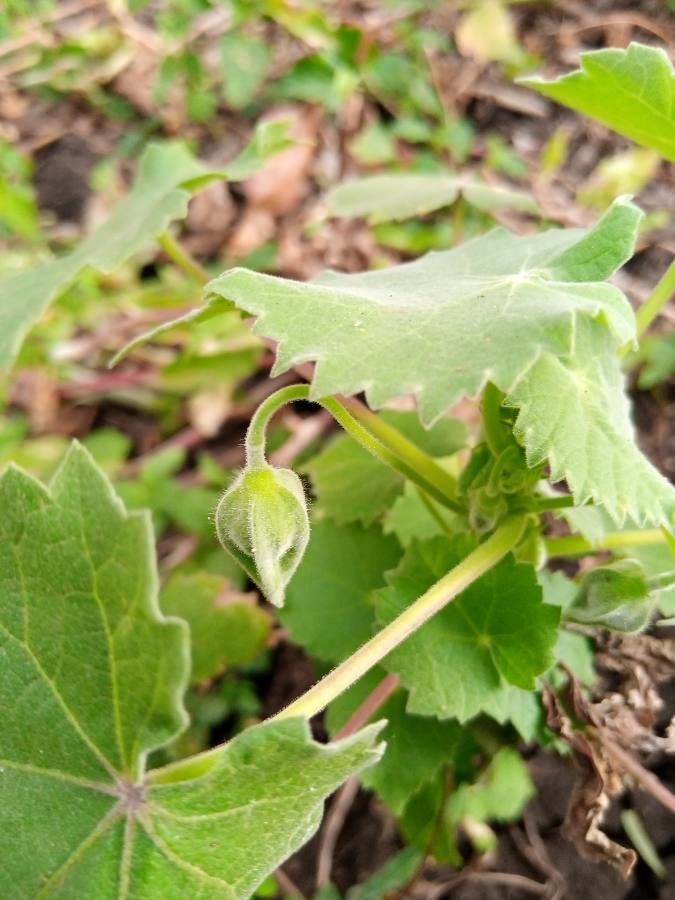
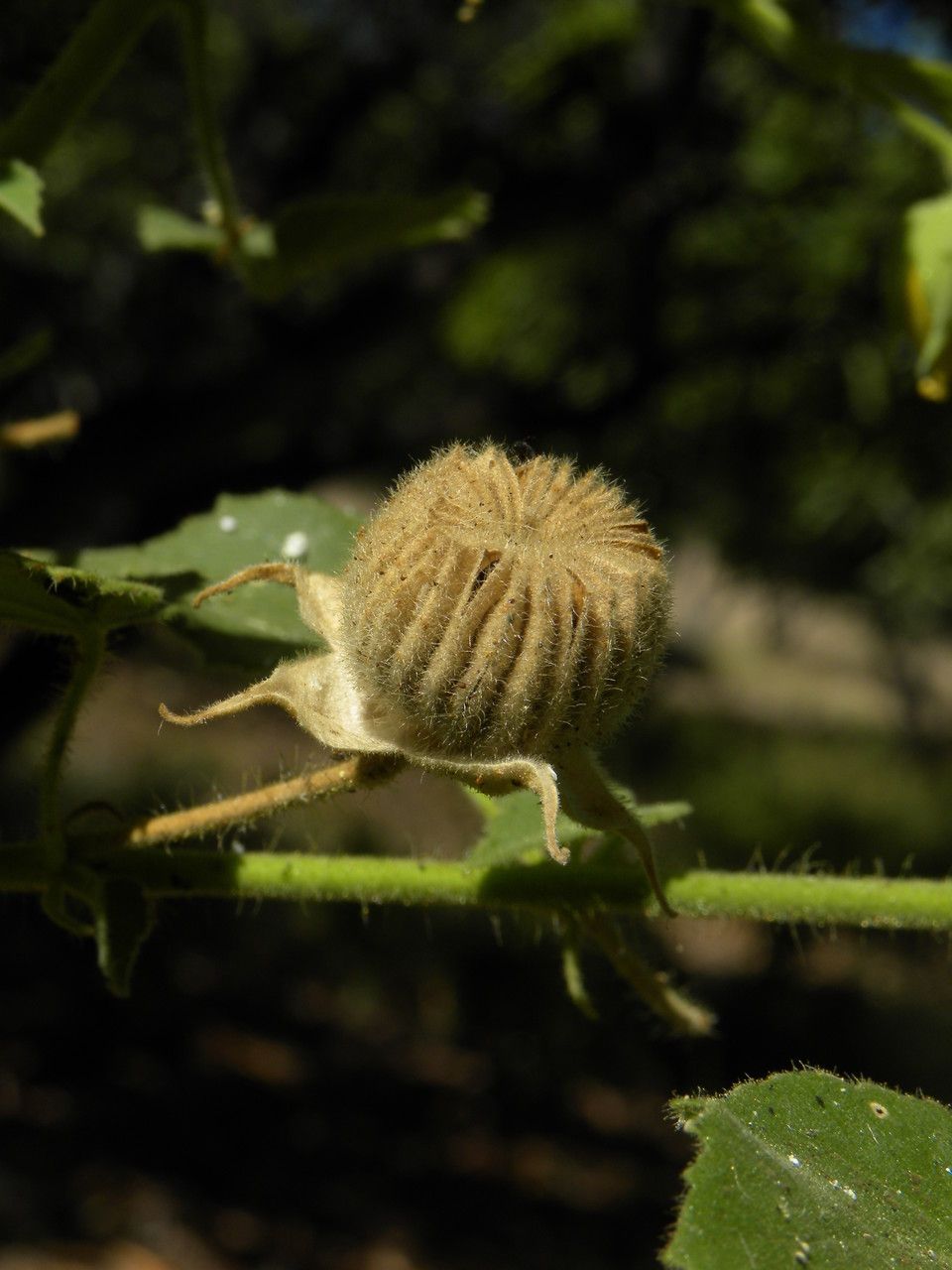
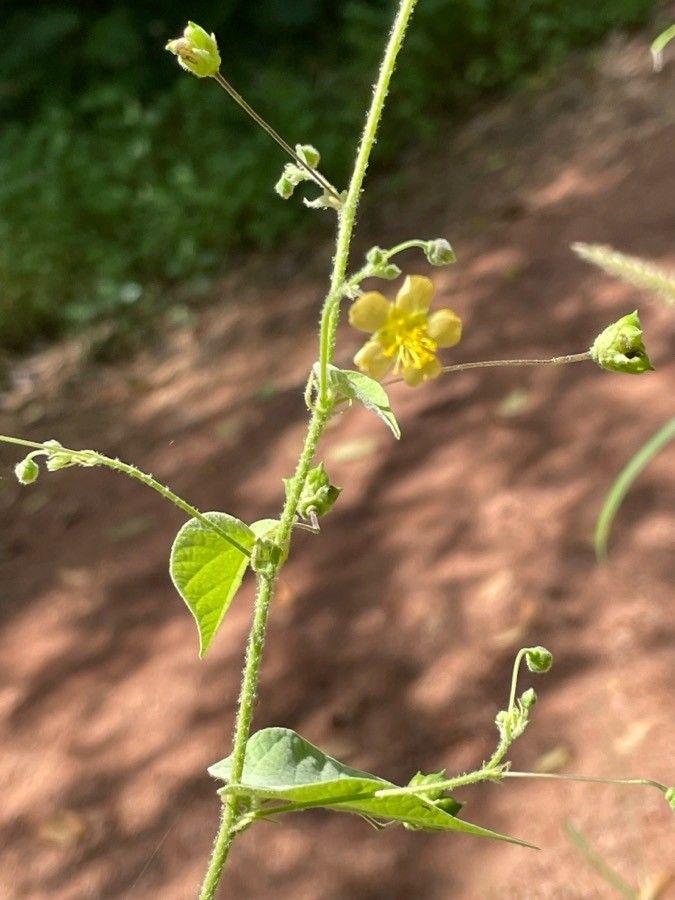
The plant can grow up to 2 meters tall and features a woody stem covered with soft hairs. Its large, heart-shaped leaves have serrated edges and are similarly covered in soft hairs. The bell-shaped flowers, with five petals, vary in color from yellow to orange-red.
Abutilon hirtum is well-known for its medicinal uses, particularly its anti-inflammatory properties. Traditionally, it has been used to treat respiratory issues such as coughs and bronchitis.
This plant prefers well-drained soil but can tolerate some moisture, provided it doesn't become waterlogged. It can thrive in both full sun and partial shade conditions.
In summary, Abutilon hirtum is an attractive ornamental plant that also offers medicinal benefits, making it a popular choice among gardeners who value both aesthetics and functionality in their plants.
Florida keys indian mallow shows strong disease resistance and is typically not vulnerable to illnesses. Still, it can be affected by pests and diseases present in its environment. Such infections are generally mild. Regarding maintenance, this plant is of medium care level. It should be pruned on a regular basis to preserve a neat appearance and promote healthy growth. Applying fertilizer can also encourage blooming. Florida keys indian mallow is a good choice for anyone with outdoor areas like a garden or patio and does not demand extensive gardening experience. It may need extra attention if cultivated indoors.
How to keep Abutilon Hirtum.
Light
Florida keys indian mallow is a sun-loving, perennial herbaceous plant native to open habitats and commonly found in meadows and grasslands. It prefers full sun but can also tolerate partial sun.
Water
The Florida Keys Indian mallow flourishes in tropical environments where regular moisture and high humidity are present. Although it can tolerate drought, it thrives best in consistently moist soil, as long as the soil does not become waterlogged. To achieve this, it is recommended to water the plant weekly. When grown indoors, using well-draining pots is essential to prevent root rot and maintain the ideal level of moisture.
Temperature
florida keys indian mallow comes from tropical areas, where the weather is usually warm and humid. Consequently, it is adapted to high heat and humidity. It does not tolerate sudden temperature shifts and prefers a steady temperature, so avoiding indoor temperature fluctuations is important. It typically cannot endure cold and needs warmer conditions to grow. If the ambient temperature falls too low, the plant may stop growing or even die.
Fertilizer
Proper fertilization is essential for the health and appearance of Florida keys indian mallow. Fertilize Florida keys indian mallow in summer, repeating the application every month during the season. Nutrients supply energy for growth and support the plant’s parts. Fertilizing improves Florida keys indian mallow’s flower display, ensuring its best blooms.
Pruning
The Florida Keys Indian Mallow is a plant known for its hairy leaves and vibrant yellow flowers. To ensure healthy growth, it benefits from annual pruning, ideally performed from early to late spring. Start by removing any dead branches to enhance growth, airflow, and light penetration. It's important to sanitize your tools before pruning to prevent infections. Regular pruning also encourages a bushier and more attractive shape.
Botanical profile.
- Plant Type
- Herb, Shrub
- Life Cycle
- Perennial
- Genus
- Abutilon
- Family
- Malvaceae
- Hardiness Zone
- 9-11
- Mature Height
- 0.91 m to 3.05 m
- Mature Spread
- 0.61 m to 1.22 m
- Leaf Color
- Green
- Leaf Type
- Evergreen
- Flower Color
- Yellow, Orange
- Flower Size
- 2.03 cm to 3.05 cm
- Bloom Time
- All year round
- Planting Time
- Spring, Summer, Autumn
- Harvest Time
- All year round
- Native Area
- Sri Lanka, Djibouti, Somalia, India, Malaysia, Angola, Namibia, Rwanda, Pakistan, Eritrea, Nigeria, Yemen, Kenya, Niger, Uganda, Tanzania, Zimbabwe, Iraq, Indonesia, Cameroon, Burundi, Mozambique, Oman, Ethiopia, Botswana, Saudi Arabia, Peru, South Africa, Sudan, Philippines, Bangladesh, Chad, China, Afghanistan, Myanmar, Iran, Congo (DRC), Thailand
Other names.
Reader questions.
What are the sunlight requirements for Florida Keys Indian Mallow?
Florida Keys Indian Mallow (Abutilon hirtum) thrives in various sunlight conditions. For full sun exposure, it requires above 6 hours of sunlight a day. It can also grow in partial sun, which means it needs about 3-6 hours of sunlight daily. It's important to observe how sunlight moves through your garden to find spots that provide the ideal balance of light and shade. This observation ensures your Florida Keys Indian Mallow is happy and healthy, benefiting from the right amount of sunlight.
What is the common name of Abutilon hirtum?
The common name of Abutilon hirtum is Florida Keys Indian mallow.
What is the botanical name of the Florida Keys Indian mallow?
The botanical name of the Florida Keys Indian mallow is Abutilon hirtum.