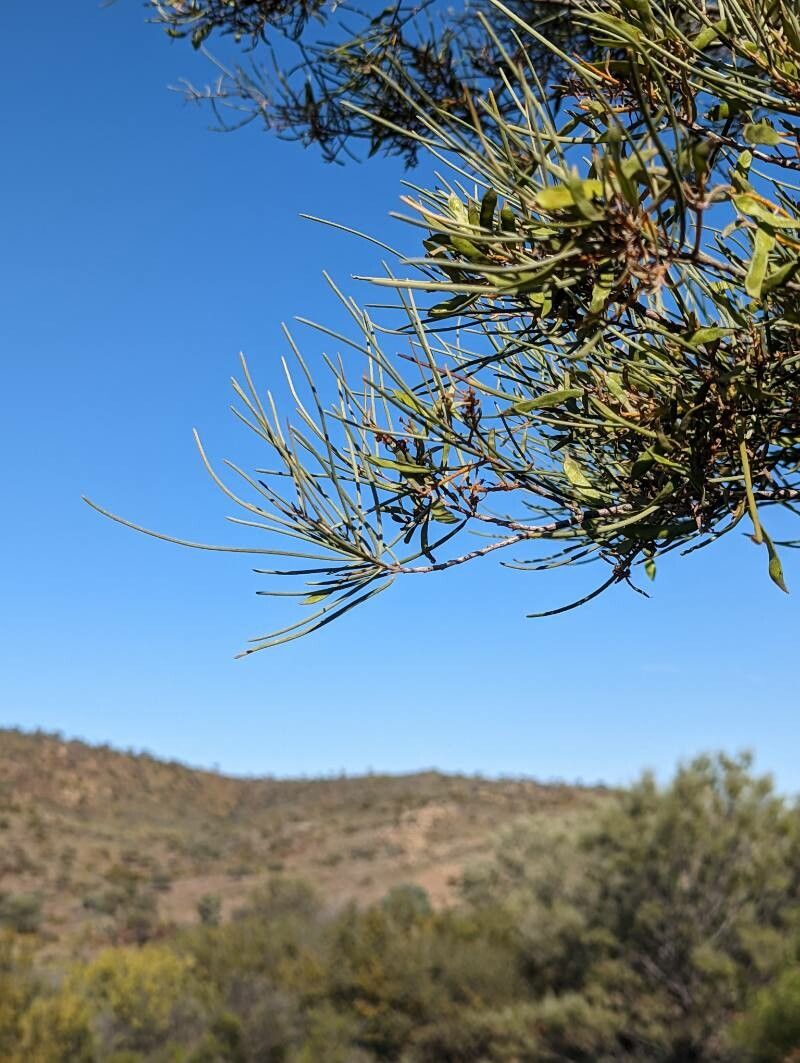
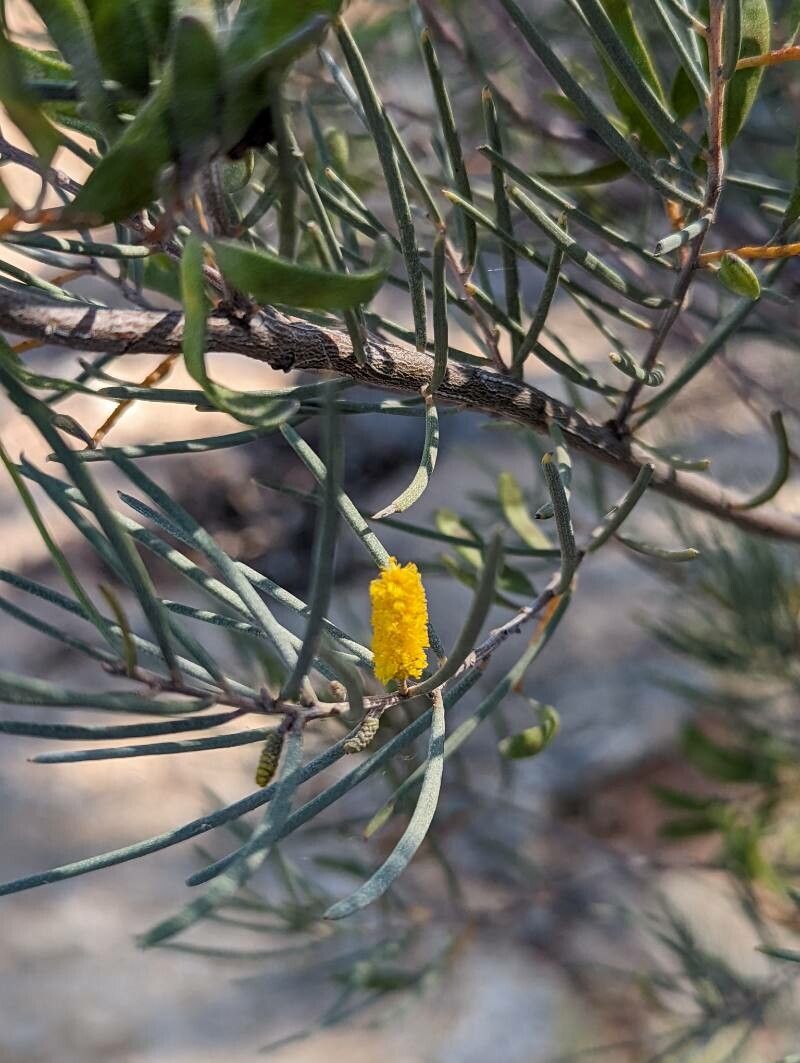
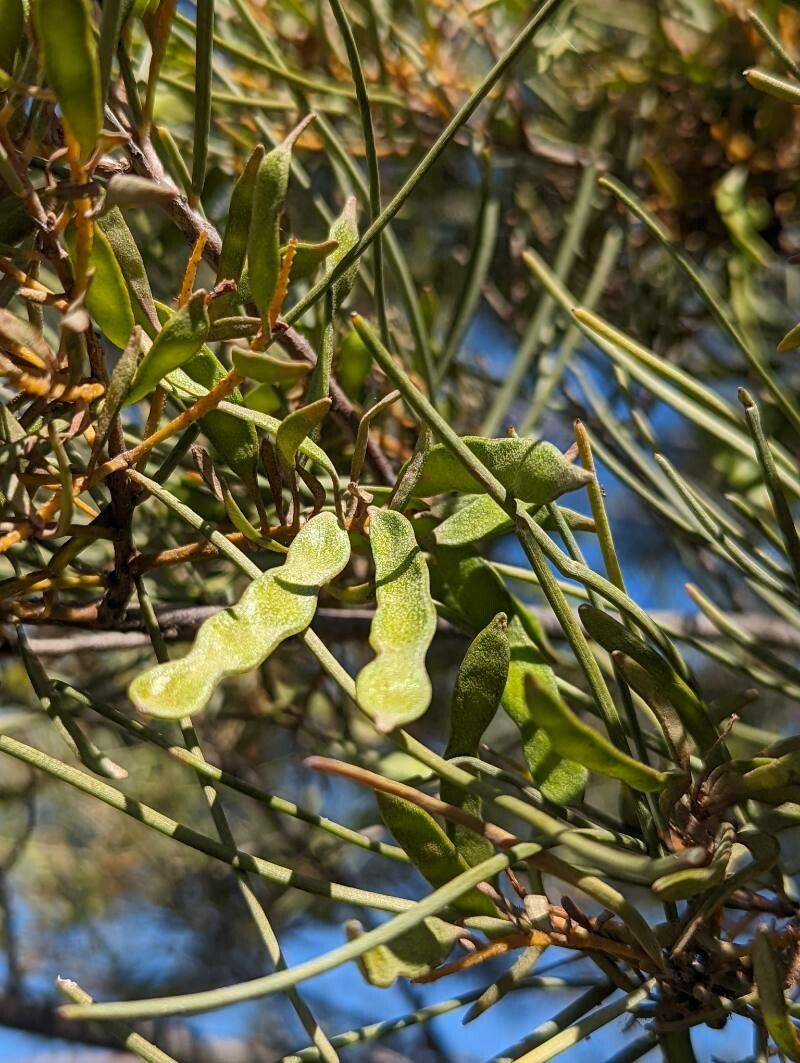
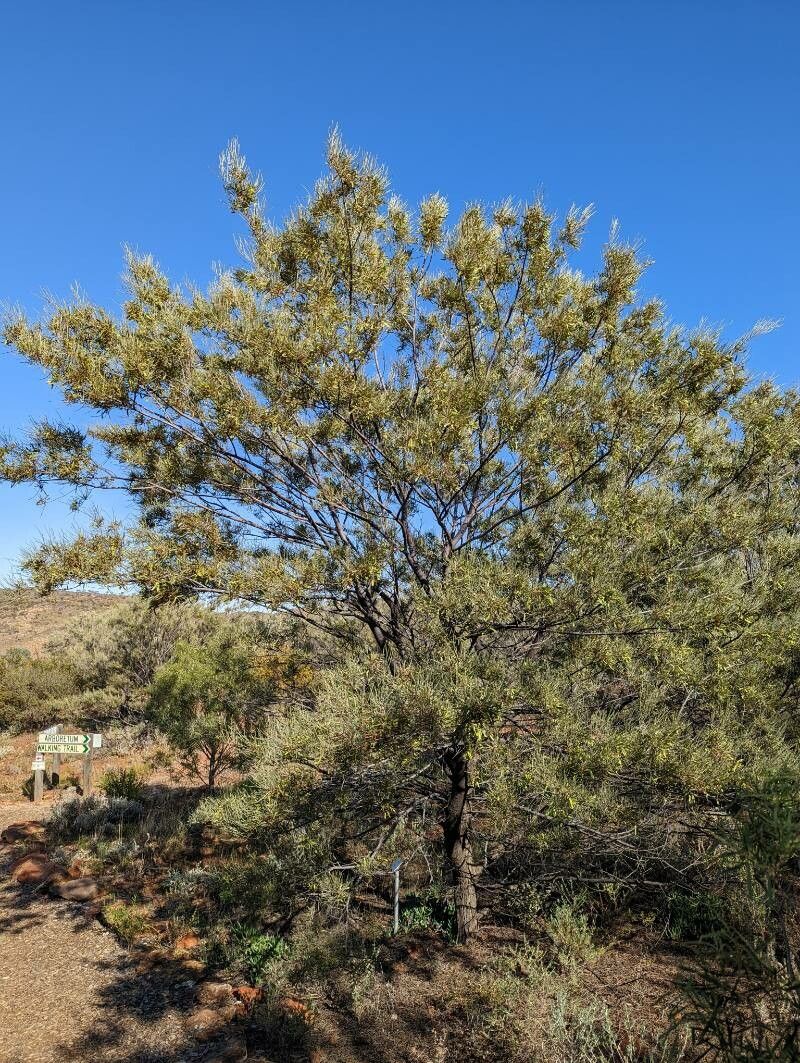
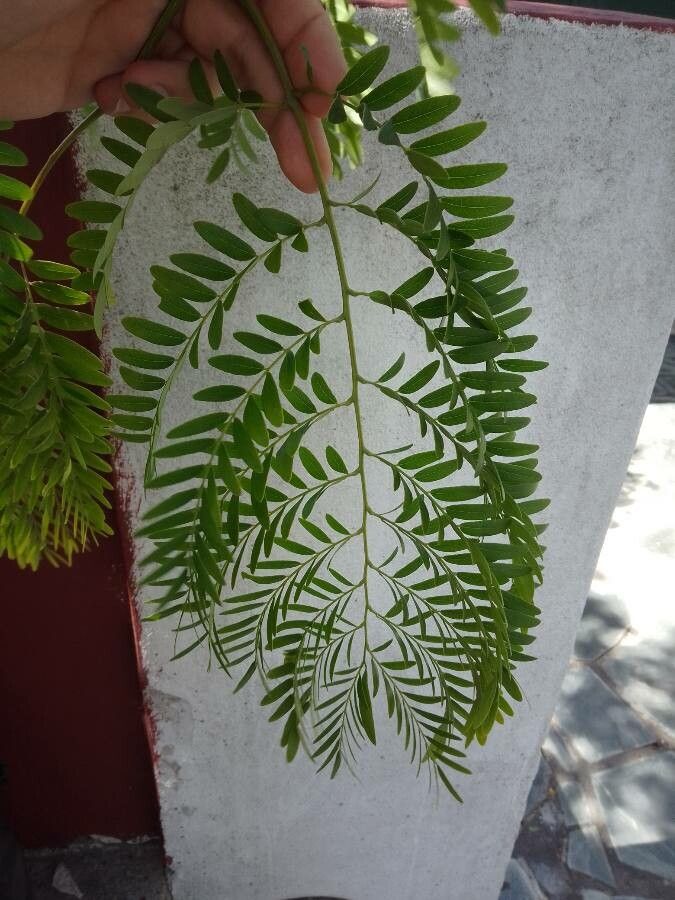
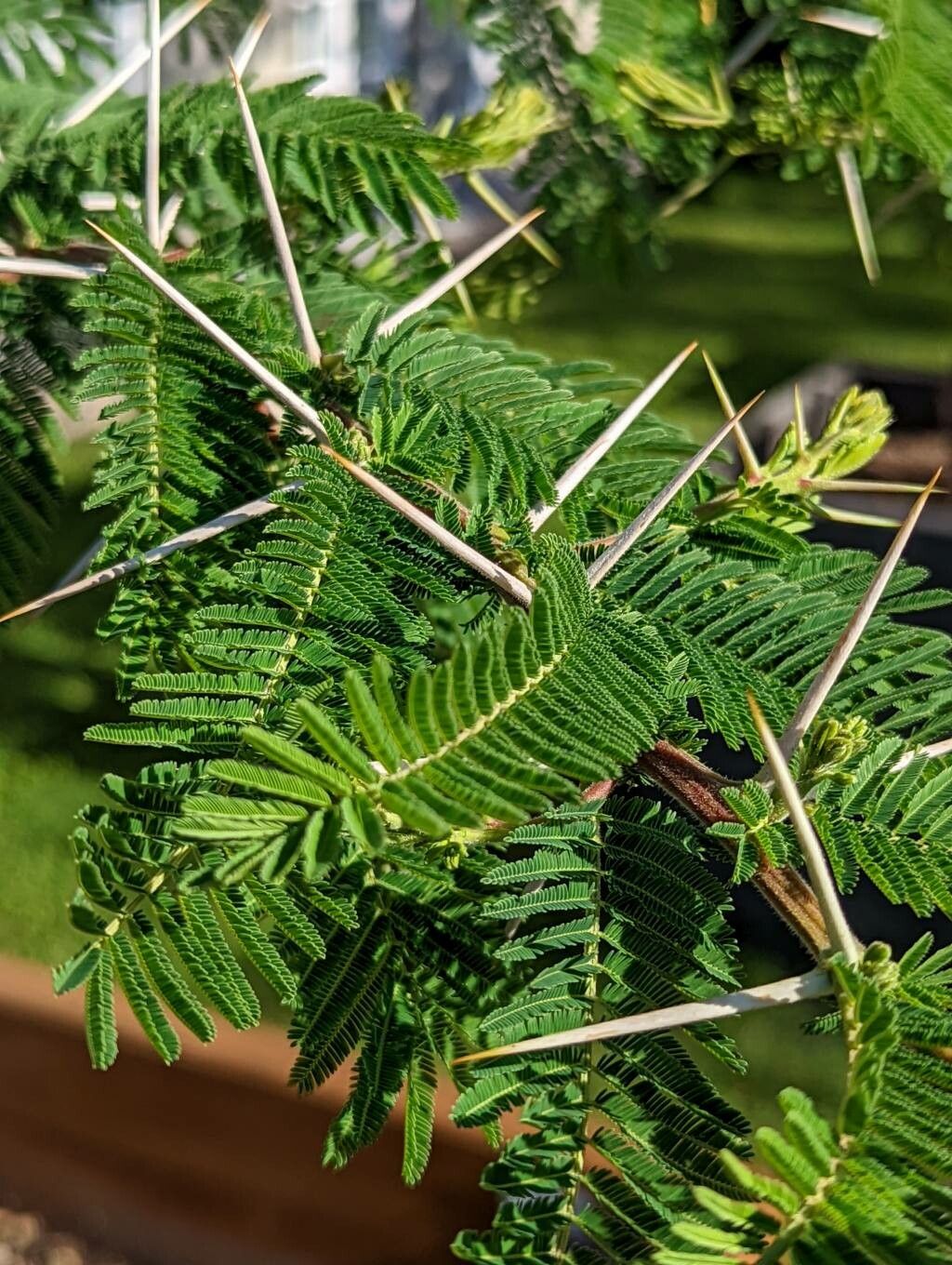
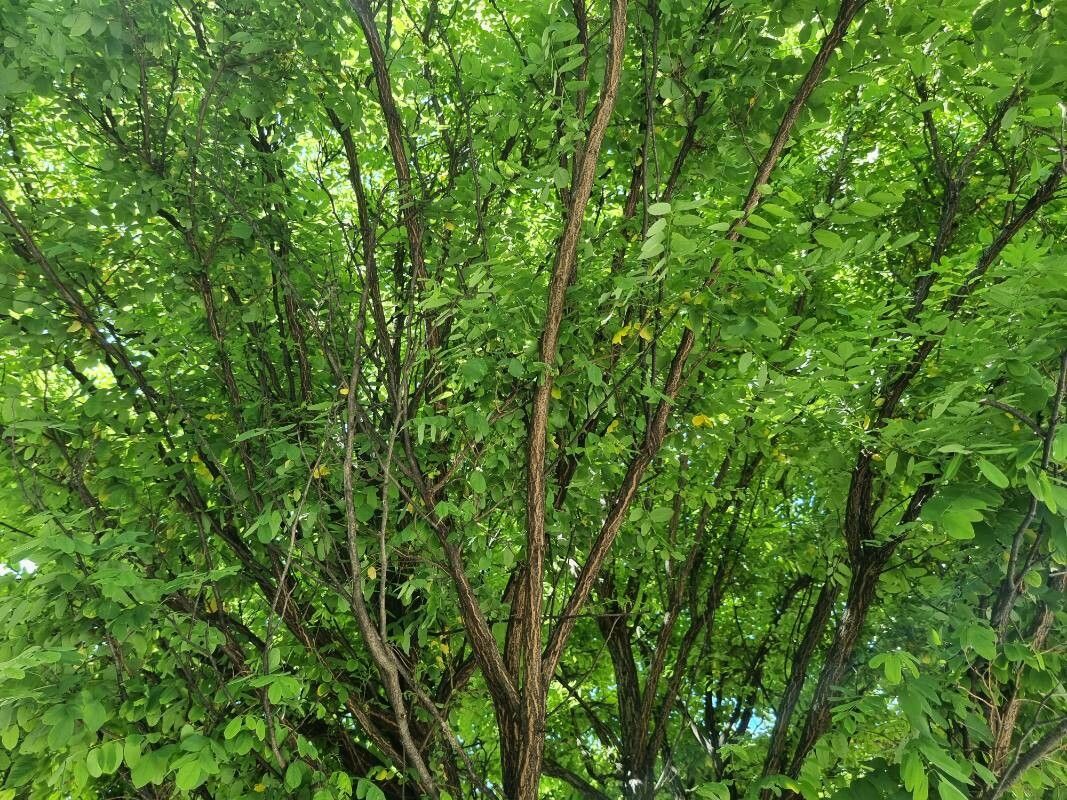
Acacia aneura, commonly known as mulga or true mulga, is a shrub or small tree native to arid outback areas of Australia. It is the dominant tree in the habitat to which it gives its name (mulga) that occurs across much of inland Australia. Specific regions have been designated the Western Australian mulga shrublands in Western Australia and Mulga Lands in Queensland.
Mulga has strong disease resistance and is generally not susceptible to illnesses. Regarding care, this plant is fairly low-maintenance. When grown outdoors it needs little watering, and larger plants typically do not require pruning. However, smaller plants should be pruned after they have finished blooming. Mulgat is suitable for anyone with an outdoor area, such as a garden or deck, and does not require much experience in plant care.
How to keep Acacia Aneura.
Light
Mulga is native to open habitats, such as sunny meadows and forest margins, which provide abundant light. It performs best in full sun but will also tolerate partial sun, adapting well to a variety of light conditions.
Temperature
Mulga demonstrates strong temperature adaptability, tolerating high heat and wide temperature fluctuations. In hot conditions, it’s important to ensure adequate watering and offer appropriate shade to prevent sunburn. Conversely, Mulga is less tolerant of low temperatures; it can handle some cold, but excessively chilly conditions can cause frost damage.
Fertilizer
Fertilize your Mulga in early spring to encourage healthy growth. Regular feeding improves overall health, producing vigorous growth, increased tolerance of harsh conditions, and better resistance to diseases and pests. Keep to a specific fertilization schedule for your Mulga to maintain vibrant, richly colored foliage and a lush appearance.
Pruning
Mulga, with its feathery foliage, flourishes in arid environments. Light pruning in early spring is beneficial for removing dead branches, promoting healthy growth and flowering, and enhancing disease resistance. To maintain its shape and minimize stress, use clean, sharp tools and avoid heavy pruning.
Botanical profile.
- Plant Type
- Tree
- Life Cycle
- Perennial
- Genus
- Acacia
- Family
- Leguminosae
- Hardiness Zone
- 9-11
- Mature Height
- 10.06 m
- Mature Spread
- 7.92 m
- Leaf Color
- Silver, Gray
- Leaf Type
- Evergreen
- Flower Color
- Yellow
- Flower Size
- 0.51 cm to 1.02 cm
- Bloom Time
- Fall
- Planting Time
- Spring, Summer, Autumn
- Harvest Time
- Winter, Early spring
Other names.
Reader questions.
What is the botanic name of Mulga?
The botanic name of Mulga is Acacia aneura.