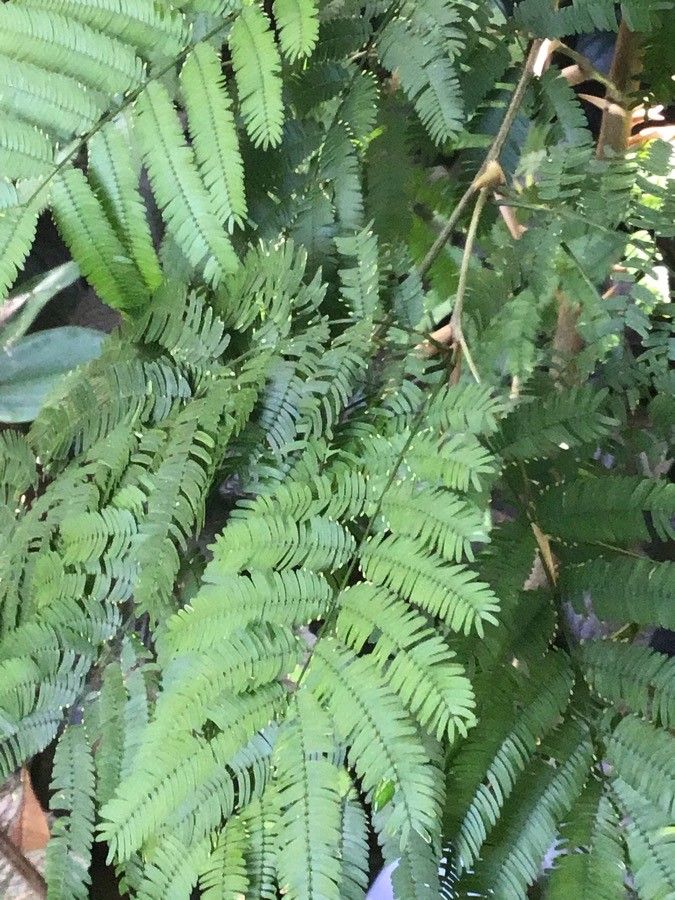
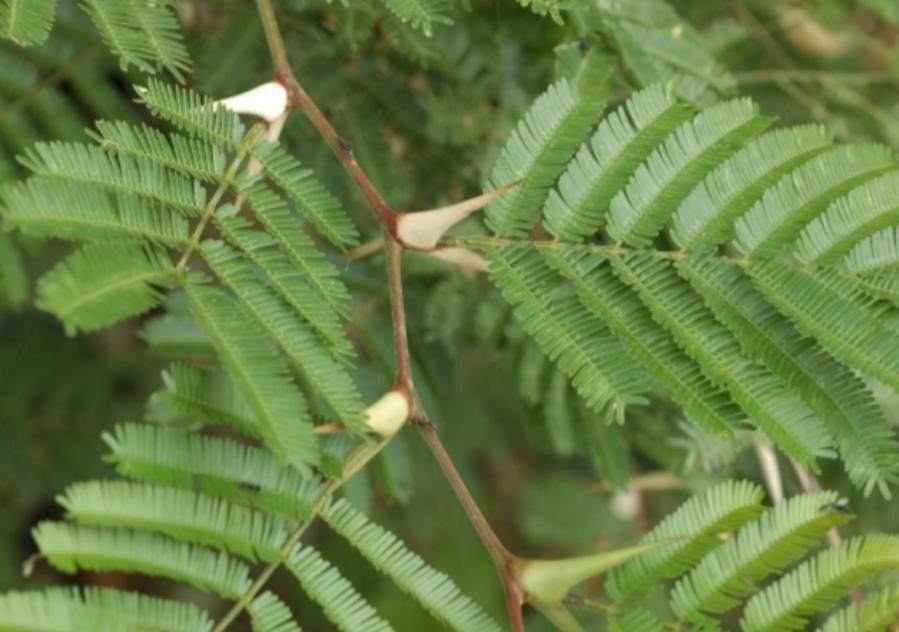
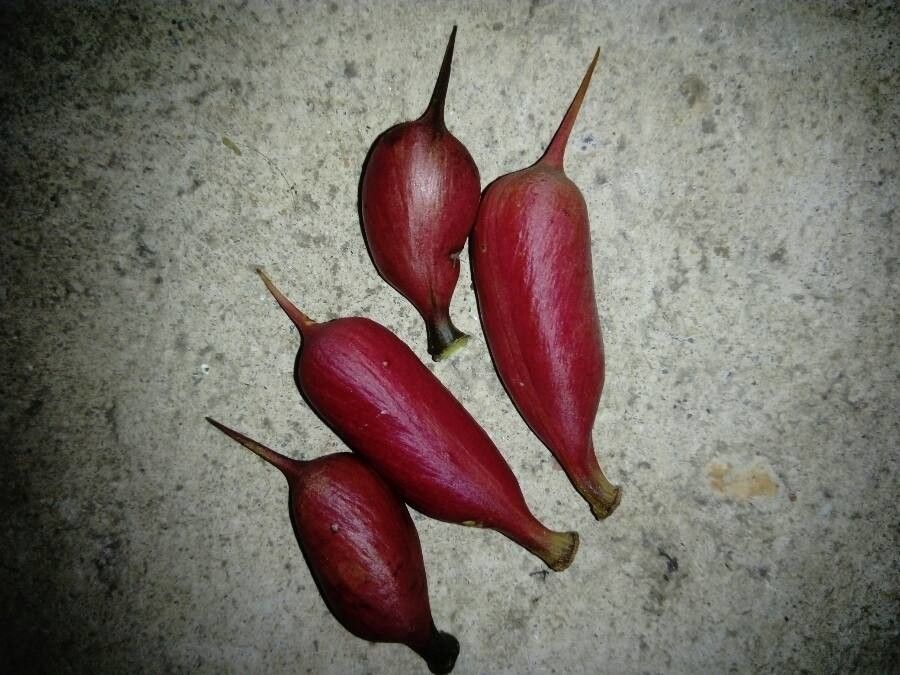
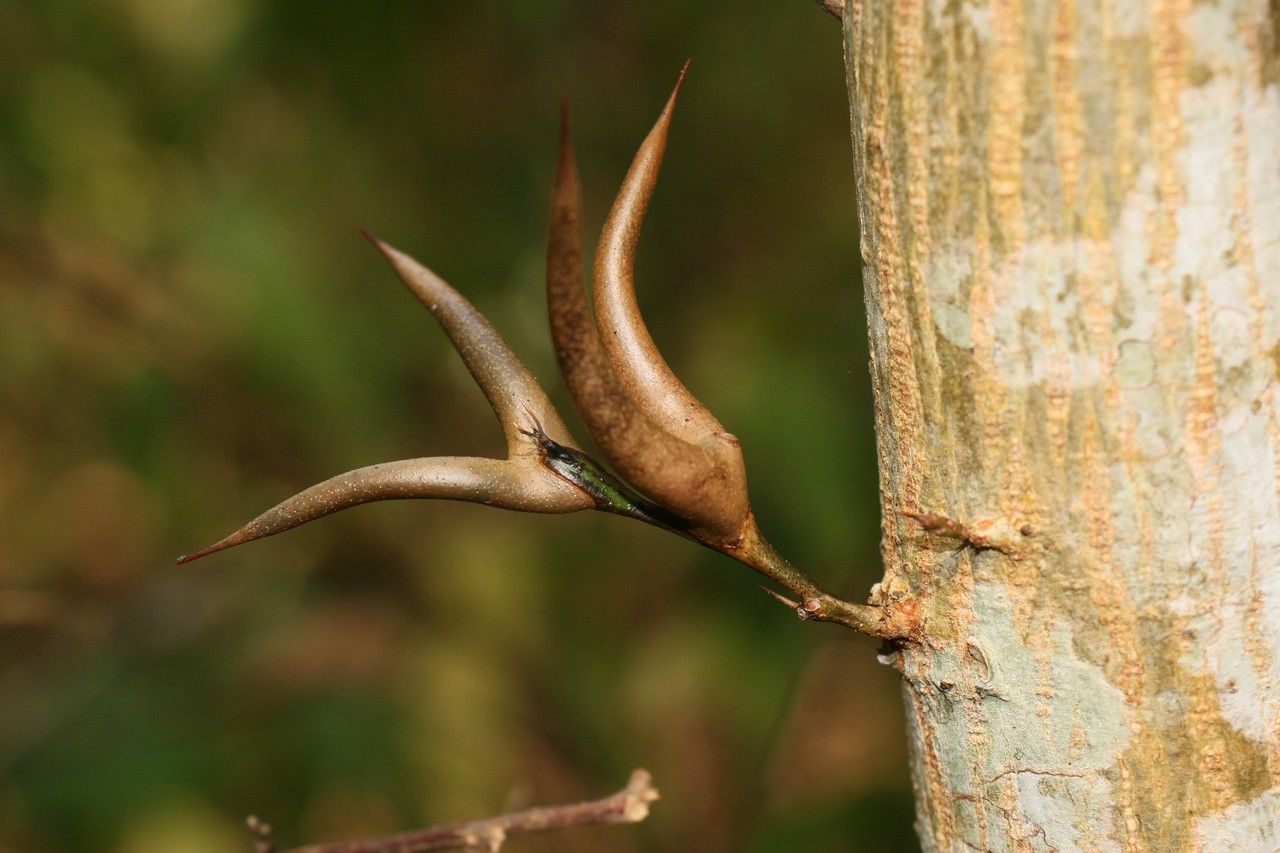
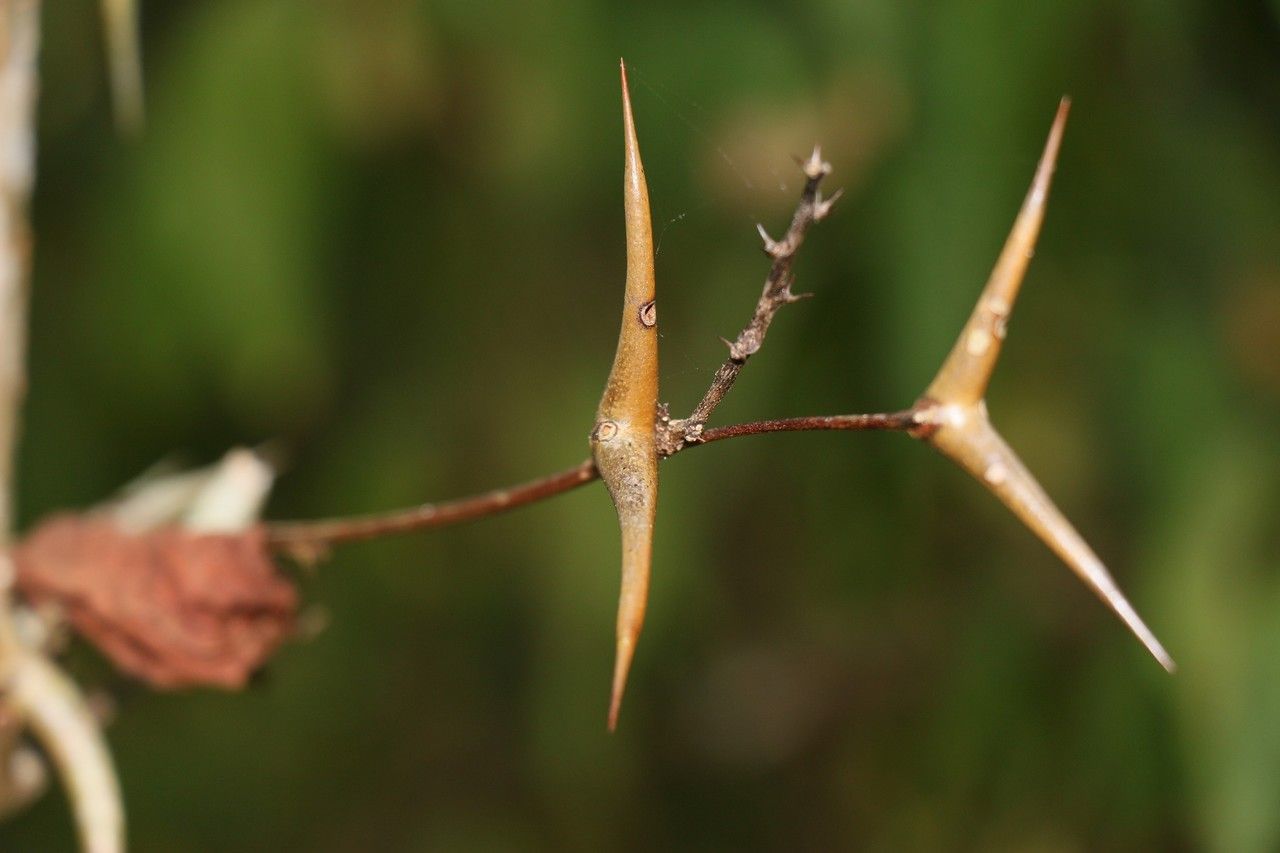
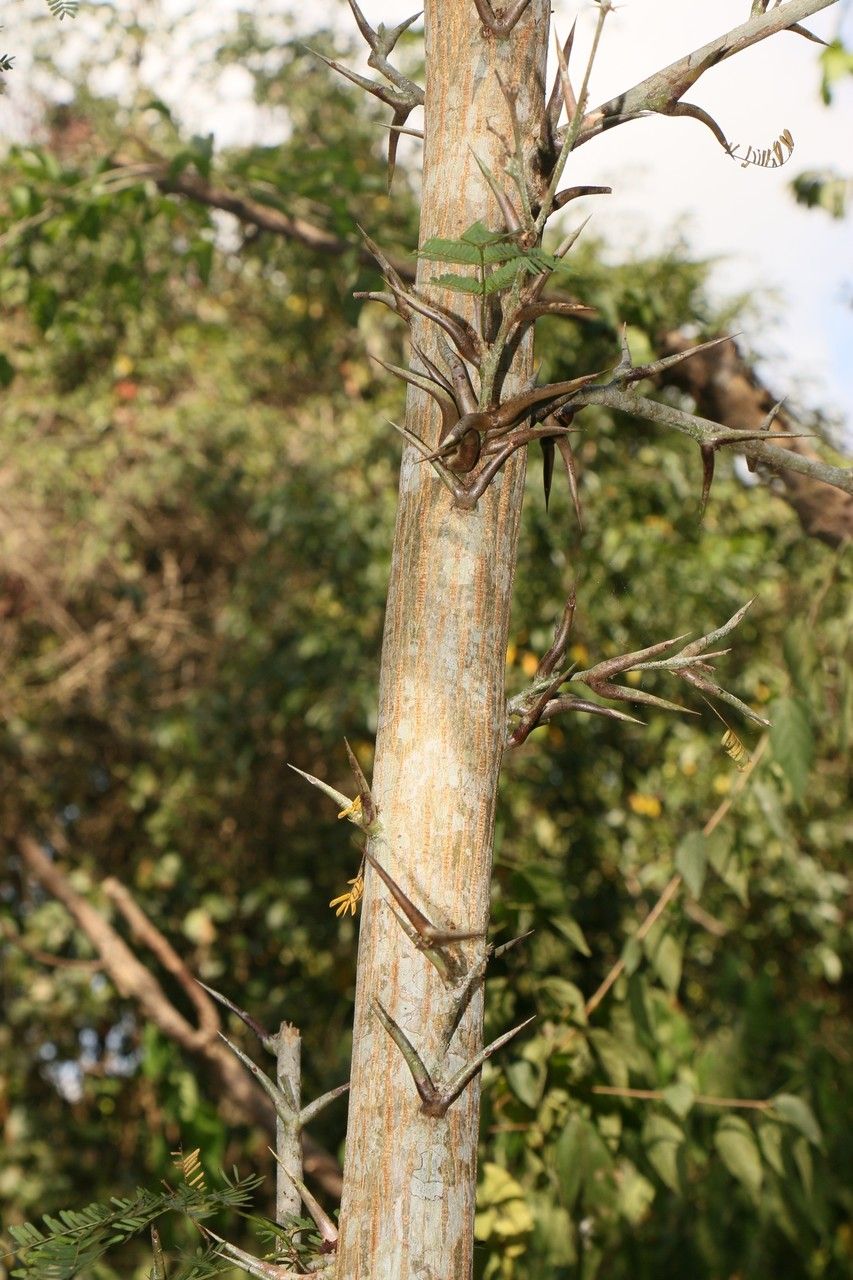
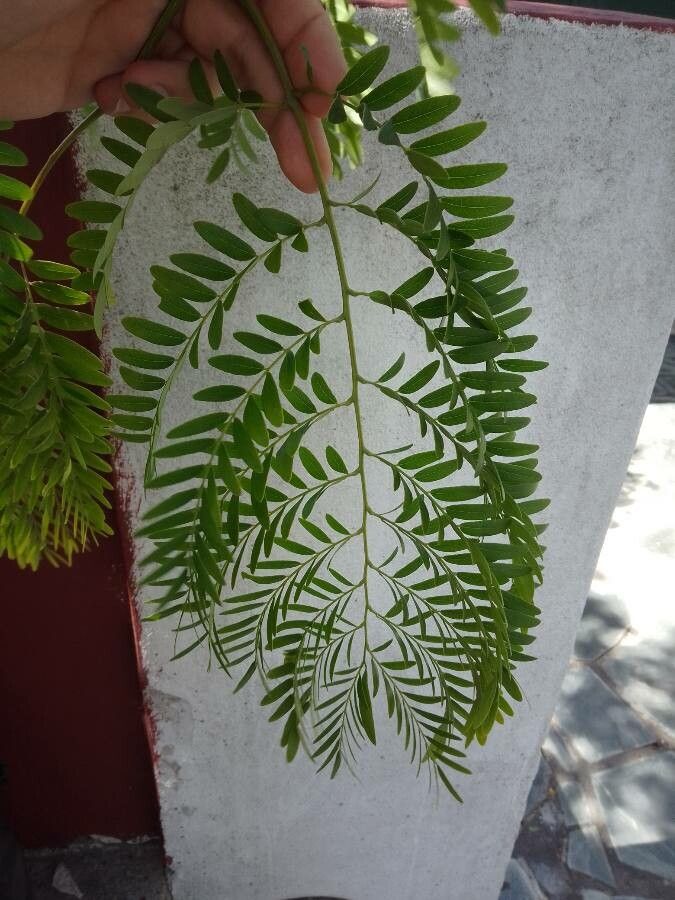
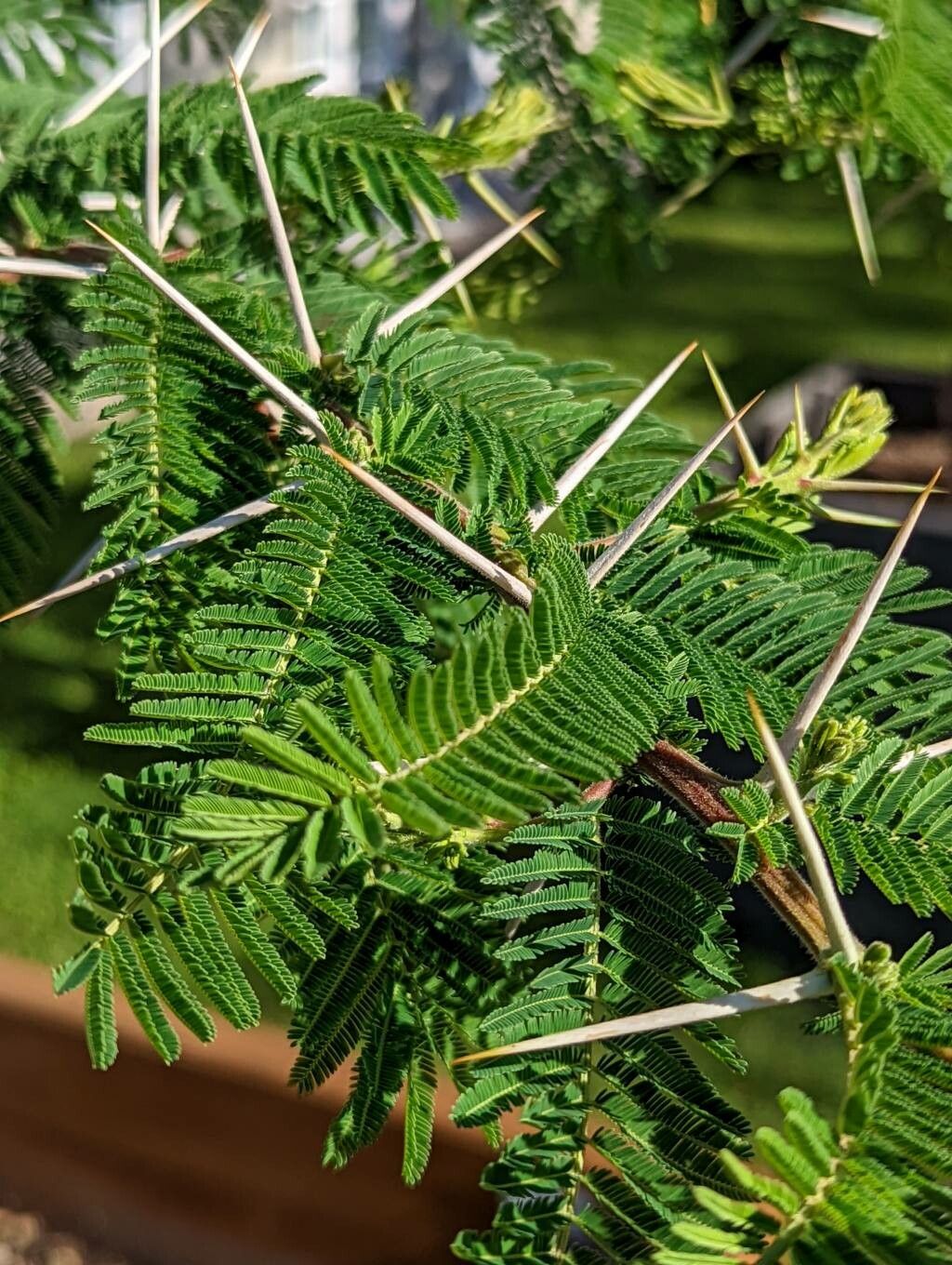
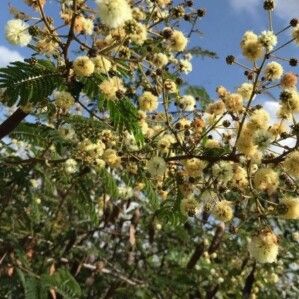
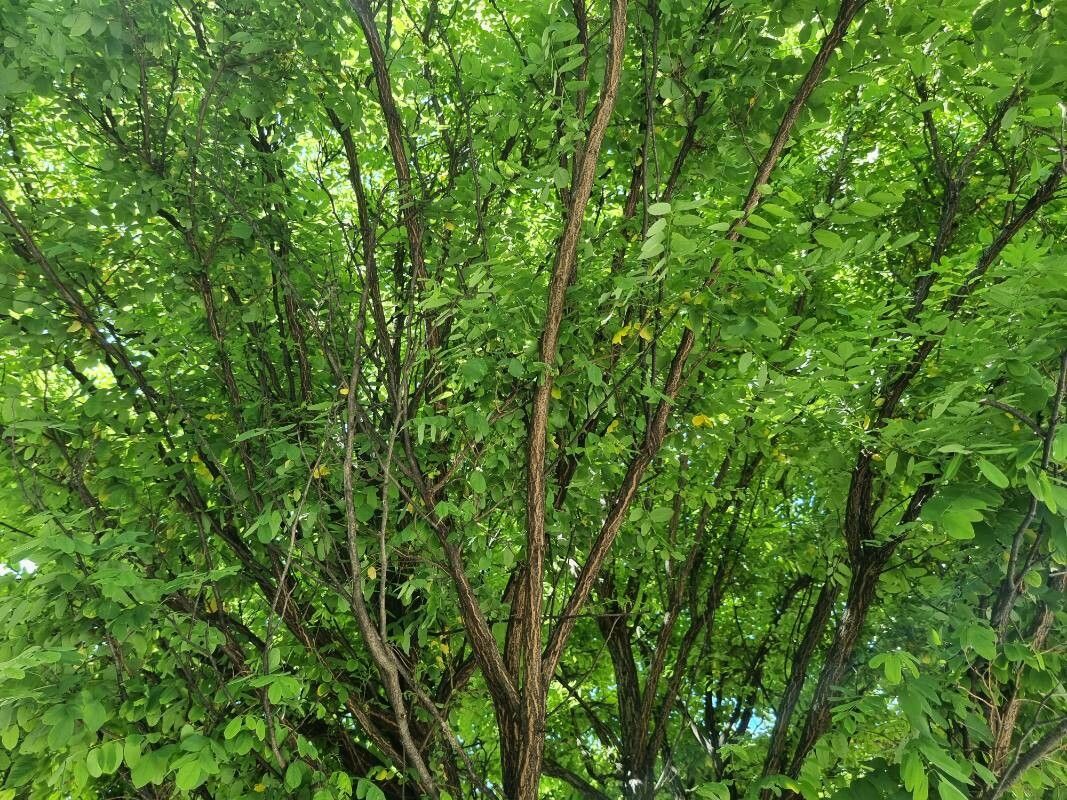
Vachellia cornigera, commonly known as bullhorn acacia (family Fabaceae), is a swollen-thorn tree native to Mexico and Central America. The common name of "bullhorn" refers to the enlarged, hollowed-out, swollen thorns (technically called stipular spines) that occur in pairs at the base of leaves, and resemble the horns of a steer. In Yucatán (one region where the bullhorn acacia thrives) it is called "subín", in Panamá the locals call them "cachito" (little horn). The trees are commonly found in wet lowlands
Bullhorn acacia is resistant to disease and is generally not susceptible to illnesses. As for care, this plant is fairly low maintenance. Planted outdoors, it needs only minimal watering, and larger specimens usually do not require pruning. Smaller plants, however, should be pruned after they finish blooming. Bullhorn acacia is suitable for anyone with outdoor space, such as a garden or deck, and does not need extensive care experience.
How to keep Acacia Cornigera.
Light
Bullhorn acacia thrives in full sun, like its native sunny habitat. It develops strong growth without needing any shade. Excessive or insufficient sunlight, however, can negatively affect the plant’s health.
Temperature
Bullhorn acacia is native to habitats with temperatures ranging from 59 to 100 °F (15 to 38 °C). It favors temperate conditions and may need temperature adjustments, particularly during extreme seasonal fluctuations.
Fertilizer
Fertilizing is essential for caring for Bullhorn acacia. Consistent feeding during the growing season preserves the energy required for its showy foliage and aids overall growth. Skipping fertilization can lead to unhealthy leaves, reduced ornamental value, and stunted or weak growth that is prone to breaking.
Botanical profile.
- Plant Type
- Tree
- Life Cycle
- Perennial
- Genus
- Acacia
- Family
- Leguminosae
- Hardiness Zone
- 8-12
- Mature Height
- 10.06 m
- Mature Spread
- 2.13 m to 4.88 m
- Leaf Color
- Green, Dark Green
- Leaf Type
- Deciduous
- Flower Color
- Yellow
- Flower Size
- 0.51 cm to 1.02 cm
- Bloom Time
- Late spring, Summer, Early fall
- Planting Time
- Spring, Summer, Autumn
- Harvest Time
- Late summer, Fall
- Native Area
- Belize, Honduras, Mexico, Guatemala, El Salvador, Nicaragua, Costa Rica
Other names.