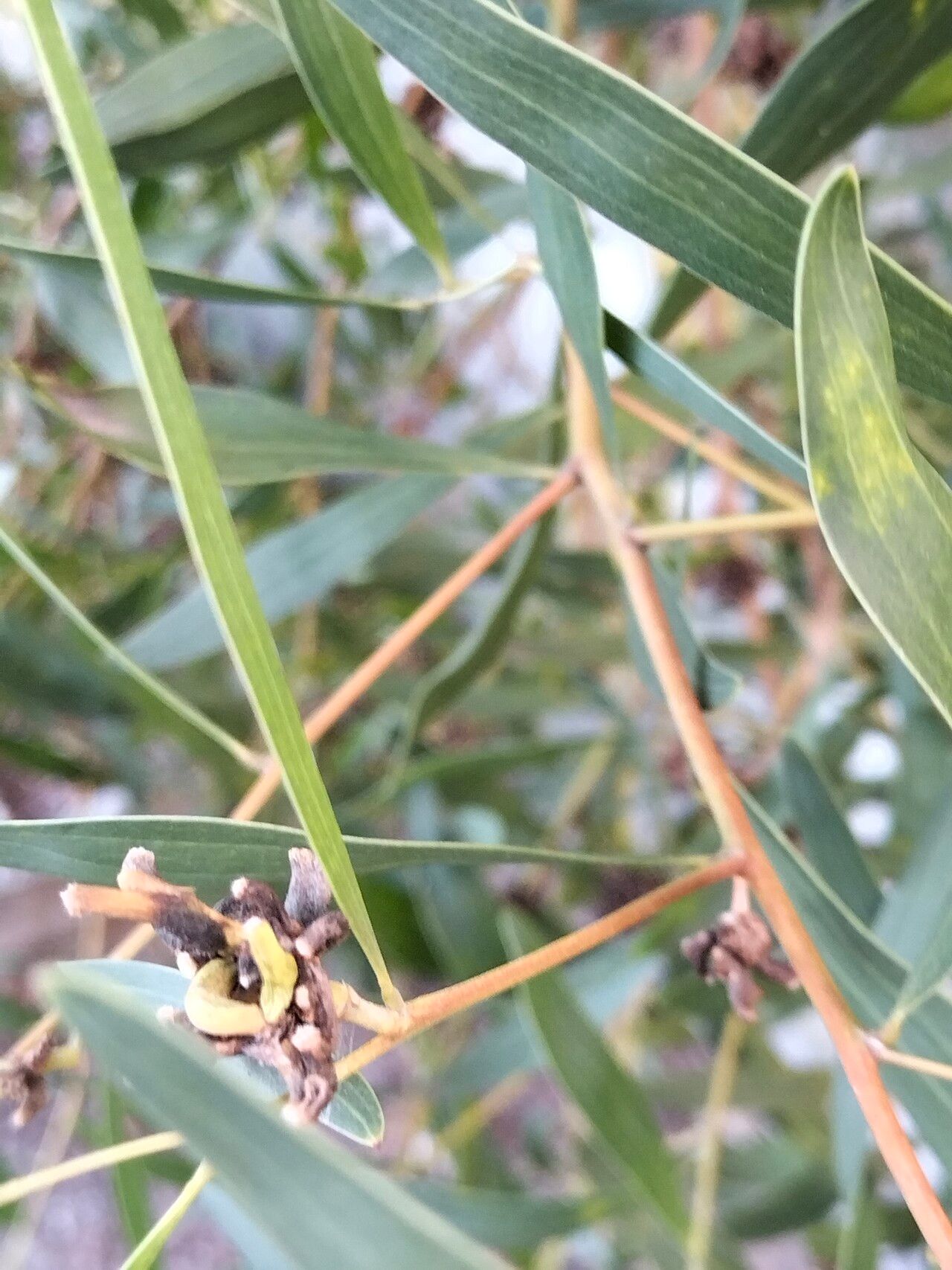
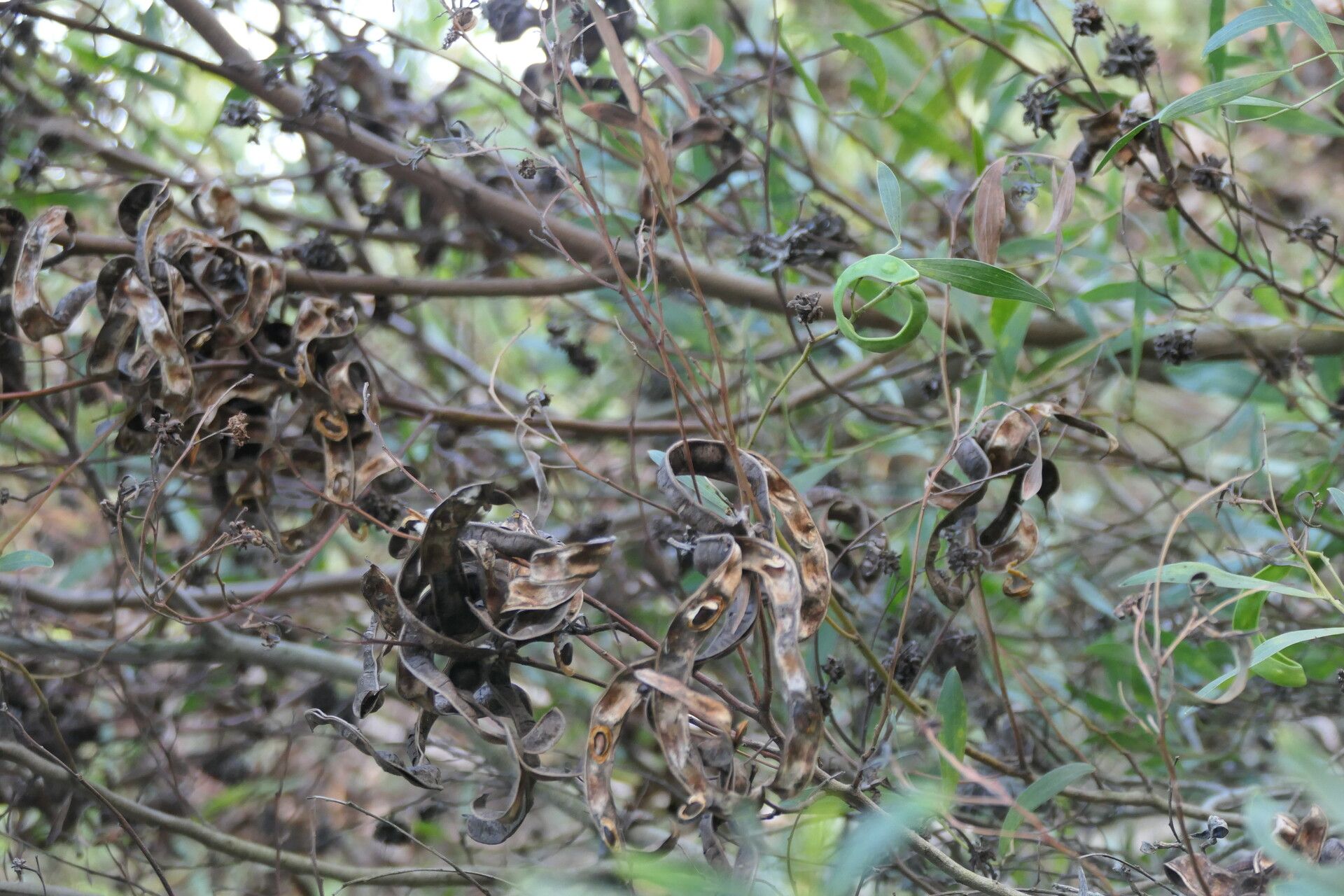
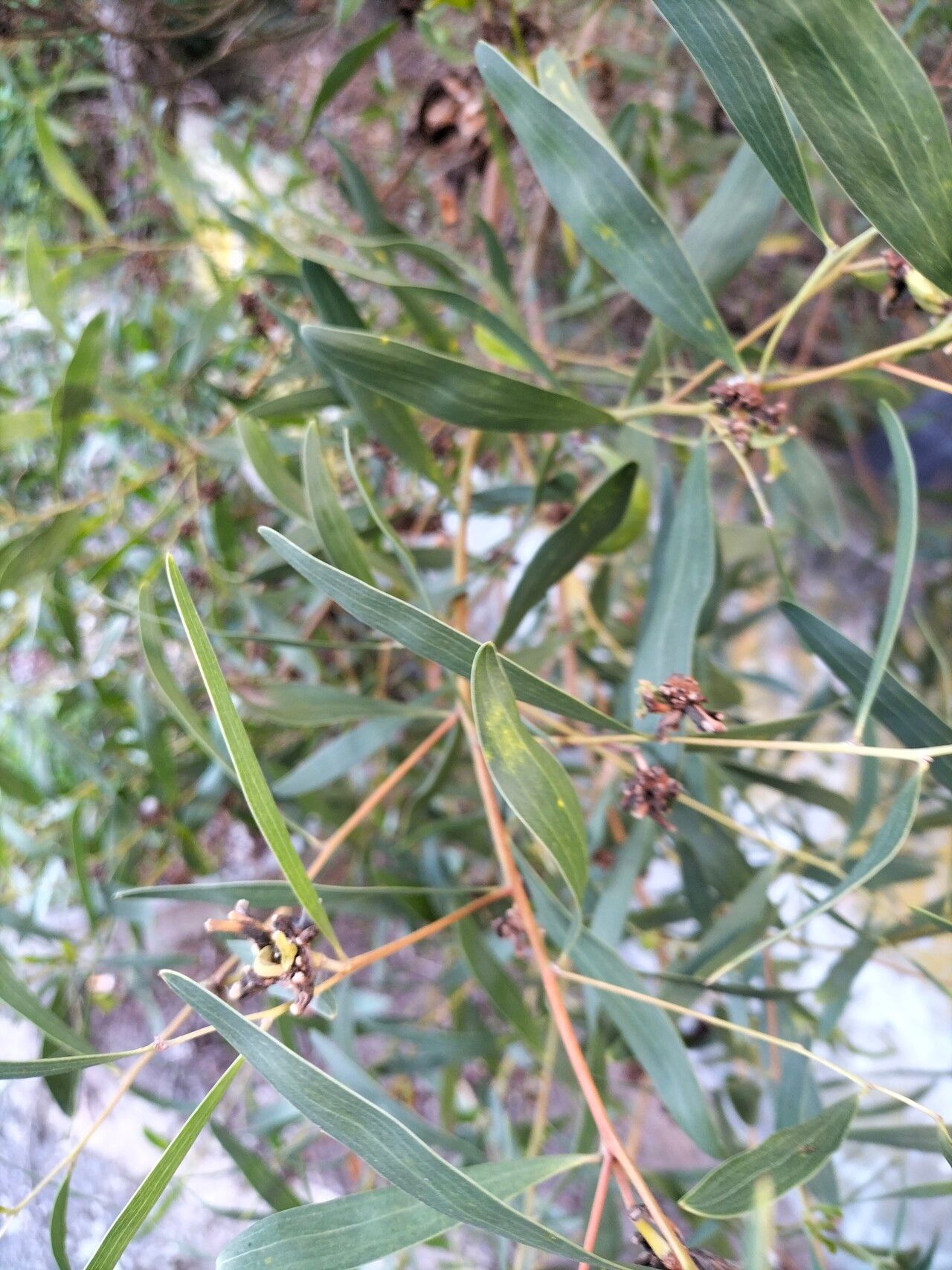
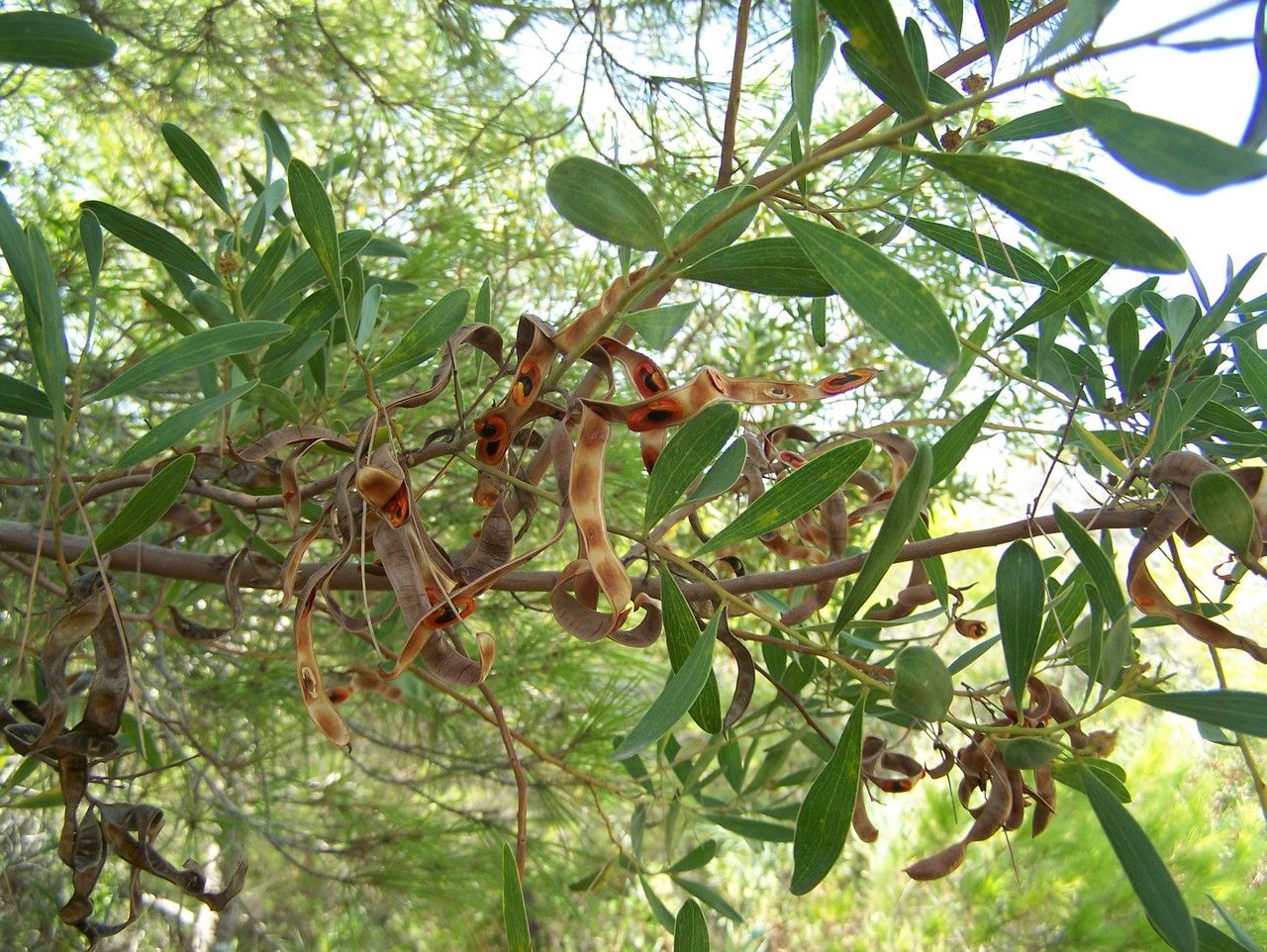
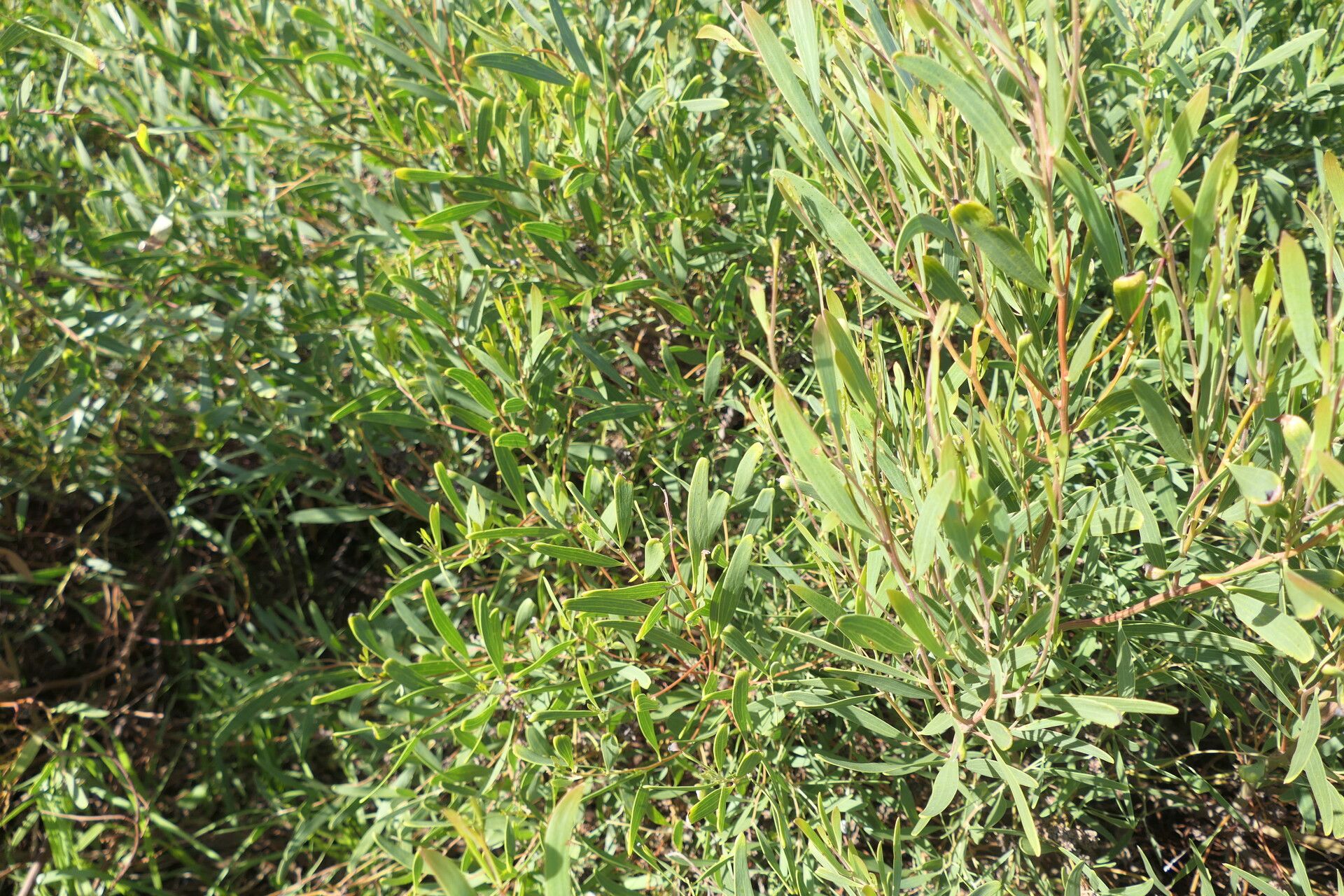
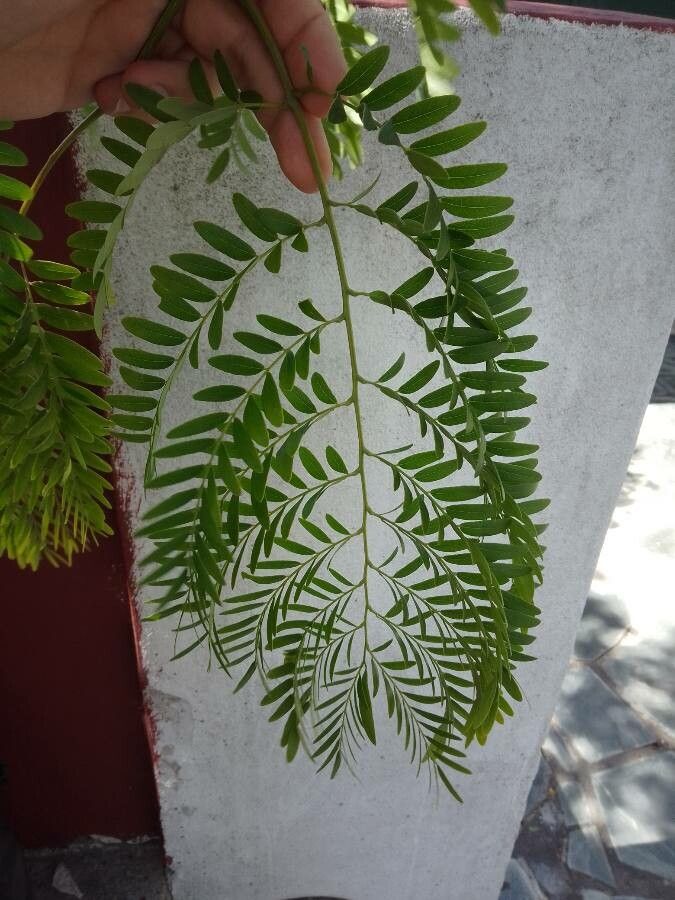
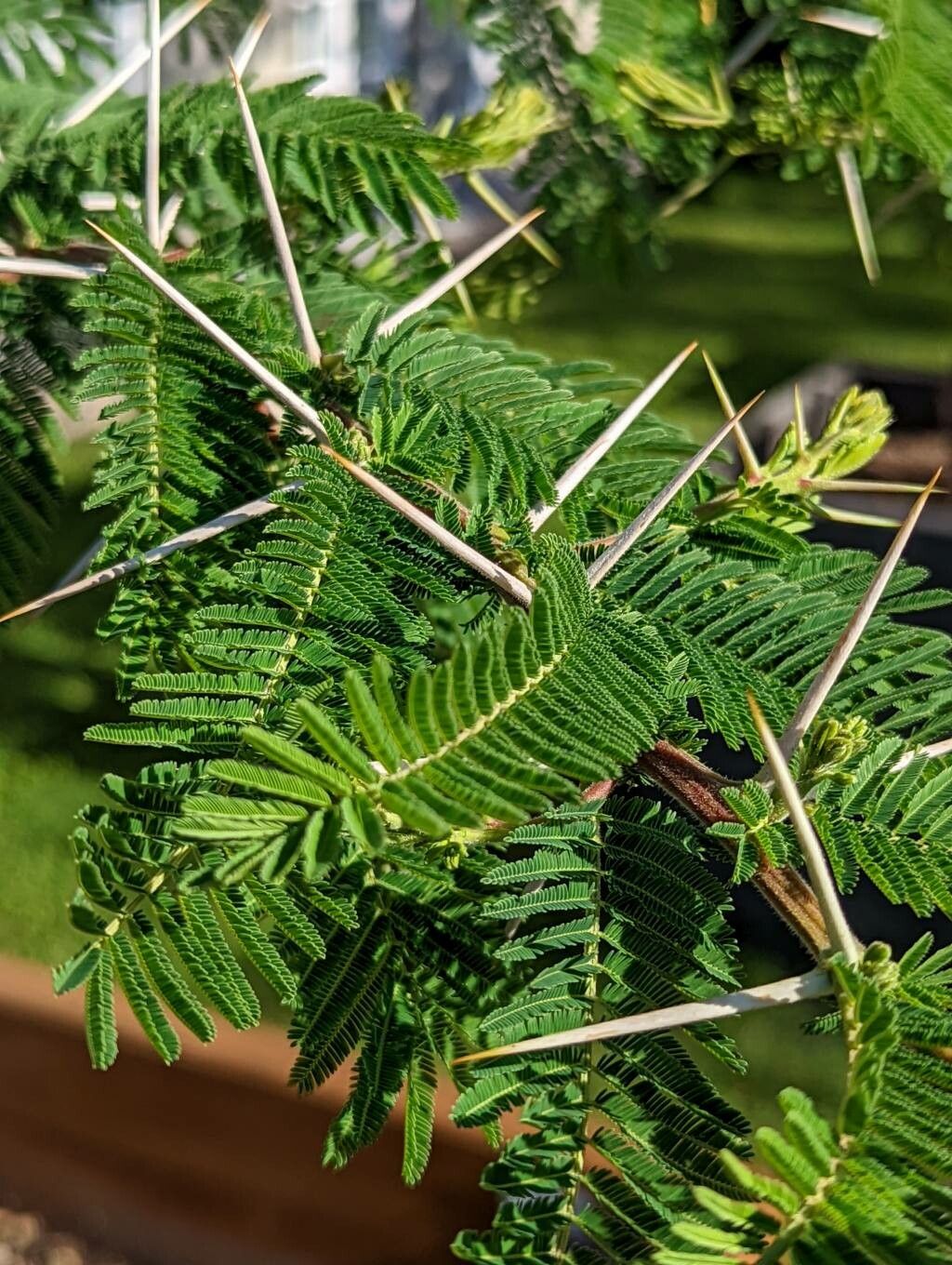
Acacia cyclops, commonly known as coastal wattle, cyclops wattle, one-eyed wattle, red-eyed wattle, redwreath acacia, western coastal wattle, rooikrans, rooikrans acacia, is a coastal shrub or small tree in the family Fabaceae. Native to Australia, it is distributed along the west coast of Western Australia as far north as Leeman, and along the south coast into South Australia. The Noongar peoples of Western Australia know the plant as wilyawa or woolya wah.
Coastal wattle is resistant to many diseases and typically does not suffer from them. Regarding care, this plant is fairly low-maintenance. When grown outdoors it needs little watering, and larger specimens usually do not require pruning. Smaller plants, however, should be pruned after they finish flowering. Coastal wattle is suitable for anyone with outdoor space, such as a garden or deck, and does not need extensive gardening experience.
How to keep Acacia Cyclops.
Light
The coastal wattle flourishes in unobstructed sunlight, favoring extensive sun exposure for healthy, vigorous growth. It is hardy enough to withstand lower light levels, reflecting its adaptation to a native environment where sunlight can be variable. However, both too much and too little sun can harm its development.
Water
Originating from arid regions, the coastal wattle is highly drought-tolerant and can thrive with minimal moisture. It only needs watering every 2-3 weeks. Typically found in coastal areas, it benefits from the humidity and has a root system specifically adapted for effective water uptake in sandy soils.
Temperature
Coastal wattle is native to areas where temperatures usually fall between 68 and 100°F (20 to 38 ℃). The plant performs best within that temperature range. Growing it outside these temperatures may necessitate adjustments.
Fertilizer
Fertilizing is essential for the care of Coastal wattle. Regular feeding during the growing season preserves the energy required for its showy foliage and aids overall growth. Skipping fertilization can cause unhealthy leaves, reduced ornamental value, and stunted or weak growth that is prone to breaking.
Pruning
The coastal wattle is characterized by its dense foliage and bright yellow flowers. To ensure healthy growth, it is best to prune the plant during its dormant period, from early to late winter. During pruning, be sure to remove any dead branches and thin out crowded areas to improve air circulation. This practice helps maintain the plant’s attractive shape, manage its size, and enhances both flowering and overall vitality.
Botanical profile.
- Plant Type
- Shrub
- Life Cycle
- Perennial
- Genus
- Acacia
- Family
- Fabaceae
- Hardiness Zone
- 9-11
- Mature Height
- 0.76 m to 3.96 m
- Mature Spread
- 3.05 m to 3.66 m
- Leaf Color
- Green
- Leaf Type
- Evergreen
- Flower Color
- Yellow
- Flower Size
- 0.51 cm to 0.76 cm
- Bloom Time
- Mid spring, Late spring, Early summer
- Planting Time
- Spring, Autumn
- Harvest Time
- Late summer, Early fall, Mid fall
Other names.
Reader questions.
How should I water my Coastal wattle?
Watering your Coastal wattle is easy and you can use any common watering tool. Whether it's a watering can, hose, or even a cup, all will work fine. Make sure to apply the water directly to the soil and ensure all areas are evenly moistened to provide water to the whole root system. Filtered water is best to avoid harmful particles, and using water at or slightly above room temperature is ideal to prevent shocking the plant. However, the Coastal wattle generally responds well to any water you give it.
How much sunlight does Coastal wattle need to grow?
Tropical ornamental plants that thrive in full sun require at least 6 hours of direct sunlight each day. These plants are well-suited to areas with strong and direct sunlight, as they need this light to flourish. In their natural habitats, they tend to grow in open fields or along forest edges, where they can enjoy abundant sunlight all day long.
What temperature is best for Coastal wattle?
To help your tropical plants thrive, it's best to maintain a temperature range of 75℉ to 90℉ (25-32℃). While different species can tolerate temperatures outside this range, sticking within a few degrees of these limits will ensure optimal growth. However, there are extreme temperature limits to be aware of. Anything below 50℉ (10℃) or above 95℉ (35℃) can hinder growth and cause issues with the leaves and stems. Low temperatures are particularly damaging, as even a light frost can lead to the death of your tropical plants. In fact, cellular death can occur rapidly, with some species dying within 12 to 24 hours.
If I water my Coastal wattle too much or too little, what should I do?
Outdoor plants, especially newly planted ones or seedlings, are vulnerable to lack of watering. It is important to consistently water them for a few months while they are small or recently planted. Once the roots are established, Coastal wattle plants can usually rely on rain most of the time. When Coastal wattle is potted, overwatering is a common problem. If you accidentally overwater your Coastal wattle, act immediately to address the issue. Stop watering the plant right away to minimize the impact of overwatering. Then, remove the Coastal wattle from its pot and examine the roots. If there is no root rot, you can return the plant to its container. But if you do find signs of root rot, trim away the affected roots and apply a fungicide to prevent further damage. Repot the Coastal wattle in well-draining soil. On the other hand, underwatering is a straightforward issue to solve. If you notice drooping, dried-out leaves or leaves falling off, simply water the plant more frequently. When underwatered, the leaves will quickly regain fullness after sufficient watering. Adjust your watering frequency as soon as you observe signs of underwatering.
What will happen if Coastal wattle doesn't get enough sunlight?
Tropical ornamental plants that need full sun may face issues if they don't receive enough sunlight. They might become leggy and weak, and their leaves could turn yellow or pale. Furthermore, they may stop producing flowers. Ultimately, if these plants continue to lack the required amount of direct sunlight, there is a possibility that they may die.
Does Coastal wattle need different temperatures at different stages of growth?
Coastal wattle doesn't need temperature changes to enter different phases, but it's important to stay consistent. Fluctuations in temperature can slow down growth, regardless of the current phase. Therefore, it is best to keep coastal wattle in a controlled environment. Maintaining an optimal temperature range of 75-90℉ (25-32℃) is crucial, with priority given to staying above the lower limit. While temperatures above 90℉ (32℃) are not ideal, this tropical plant can tolerate it reasonably well. However, temperatures below 50℉ (10℃), especially 40℉ (5℃), will directly harm this heat-loving plant species.
How frequently should I give water to my Coastal wattle?
If you live in an area where there is enough rain, most plants can grow without additional watering. However, if your area doesn't get much rain, you should water your plants every two weeks in the spring and fall, and more frequently in the summer. During the winter, when plants grow slower and need less water, you can water them less often or not at all. If your Coastal wattle is young or newly planted, it will need more frequent watering to help it establish and grow. For potted plants, there are two main ways to determine how often to water your Coastal wattle. One way is to have a set schedule, either watering once a week or once every other week. However, this may not always work because it doesn't consider the specific conditions of your plant's environment. The other option is to water based on the moisture of the soil. Generally, you should wait until the top two to four inches of soil have completely dried out before watering again. This is about one-third to one-half the depth of the pot.
What will happen if Coastal wattle gets too much sunlight?
Tropical ornamental plants that thrive in full sun require ample direct sunlight, but excessive exposure to intense sunlight can harm them. Prolonged periods of direct sunlight can cause sunburned leaves or the development of unsightly brown spots. Additionally, if the soil dries out too rapidly in full sun, these plants may become dehydrated.
Does the Coastal wattle tree require varying temperatures during different seasons?
Coastal wattle is a plant that doesn't require different temperatures for different growing seasons. The key to taking care of this plant is to maintain an optimal temperature range. This is why it's recommended to keep the plant indoors, as it allows you to control the temperature regardless of the external climate. Light is also important for tropical species like coastal wattle, and they prefer partial, filtered sunlight. It's best to provide dappled or indirect light when growing these plants indoors, as too much direct sunlight can harm the leaves and hinder growth.
How much water does my Coastal wattle tree need?
Watering your Coastal wattle effectively depends on soil moisture. If just a few inches of soil have dried since the last watering, provide about five to ten ounces of water. Observing how many inches of soil have dried out between waterings can guide your water volume. To ensure adequate moisture, water the plant until all dry soil layers are moistened. If over half of the soil is dry, give extra water until excess water drains from the pot's drainage holes. If your Coastal wattle is located outside and receives ample rain, it may not need additional watering. For young or newly established Coastal wattles, provide 1-2 inches of rainwater per week. Once established, they can rely solely on rainwater but may require a full watering during hot, rainless periods lasting 2-3 weeks to prevent stress.
How can you keep Coastal wattle from getting too much sunlight?
To protect tropical ornamental plants that thrive in full sun, it's important to find a spot with ample direct sunlight but some shield from the intense midday heat. If you're growing these plants in containers, you can move them to a shadier area during the hottest hours to shield them from excessive sunlight. Another option is to offer shade using a shade cloth or umbrella during the peak heat of the day.
What temperatures are best for keeping your Coastal wattle plant healthy?
Here are three tips to help you take care of your plants: 1. Keep your plants away from windows during colder months: Cold air can leak into your home through cracks in the windows, and any plants placed near them will be affected. Move tropical plants to an area with bright but indirect light, while avoiding potential drafts. 2. Watch out for dry patches, which may indicate too much sunlight or heat: If you notice white or scorched leaves, your plant may be getting too much heat or sunlight. This can lead to dehydration and hinder growth. Dry spots can spread and eventually cause your plants to die if left unaddressed. 3. Be cautious of frost: Colder temperatures and frost can damage plants by disrupting their water circulation. This can lead to a lack of moisture in the stems and leaves. Look out for signs of hydrosis (a water-soaked appearance) and if the issue persists, the plant may shrivel and turn dark brown or black, eventually leading to death.