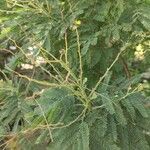
Acacia decurrens
Green Wattle · Sydney green wattle · Sydney wattle · Black wattle · Early black wattle
Description
Source: leafsnapAcacia decurrens, commonly known as black wattle or early green wattle, is a perennial tree or shrub native to eastern New South Wales, including Sydney, the Greater Blue Mountains Area, the Hunter Region, and south west to the Australian Capital Territory. It grows to a height of 2–15 m (7–50 ft) and it flowers from July to September. Cultivated throughout Australia and in many other countries, Acacia decurrens has naturalised in most Australian states and in Africa, the Americas, Europe, New Zealand and the Pacific, the Indian Ocean area, and Japan.
Care Guide
💧 Water
Black wattle thrives in environments with periodic rainfall and is also drought-tolerant. To mimic its natural growth cycle, it requires watering every two weeks. This plant is well-suited for outdoor cultivation and flourishes in climates with varying water availability. It effectively manages moisture retention and ensures proper drainage.
How should I water my Black wattle plant?
You have the flexibility to water your Black wattle plant using various tools such as watering cans, hoses, or even cups. It is important to apply water directly to the soil and make sure all areas receive equal moisture to support the entire root system. Using filtered water is advisable as tap water may contain harmful particles for the plant. Additionally, using water at or slightly above room temperature is ideal to avoid shocking the Black wattle. However, this plant generally responds well to any type of water you provide.
What do I need to do if I give too much or too little water to my Black wattle tree?
For outdoor plants, particularly newly planted ones or seedlings, it's important to ensure they receive enough water. This is especially crucial during the first few months when the tree is still small or recently planted. Once the roots are established, Black wattle can rely on rain for hydration most of the time. When Black wattle is in pots, it's more prone to overwatering. If you accidentally overwater your Black wattle, it's crucial to act promptly. Firstly, stop watering the plant immediately to minimize the impact of overwatering. Then, take the plant out of its pot to inspect the roots. If you find no signs of root rot, you can return the plant to its container. However, if root rot is present, trim away the affected roots and consider using a fungicide to prevent further damage. Lastly, repot your Black wattle in well-draining soil. If your Black wattle is underwatered, simply water it more frequently. This is generally an easy to fix issue. When underwatered, the leaves of the plant may droop, dry out, and fall off. However, they should regain fullness after receiving sufficient watering. Adjust your watering frequency as soon as you notice signs of underwatering.
How much water does my Black wattle tree need?
Most outdoor plants can grow normally with rainfall, but if you don't have enough rain in your area, you should provide adequate watering every 2 weeks in spring and fall. In summer, you'll need to water more often, while in winter, when plants need less water, you can water more sparingly or not at all. Young or newly planted Black wattle plants require more frequent watering to establish themselves and eventually become more drought-tolerant. For potted plants, there are two main approaches to determine watering frequency for Black wattle. The first is to follow a predetermined schedule, such as watering once every week or every other week. However, this may not consider the unique conditions of your specific plant and growing environment. Watering frequency can also vary depending on the season. During summer, when water needs are highest, a predetermined schedule may not be sufficient. Another option is to base watering frequency on soil moisture. It's generally recommended to wait until the top 2 to 4 inches of soil, about ⅓ to ½ the depth of the pots, have completely dried out before giving more water.
How much water does my Black wattle tree require?
To water your Black wattle effectively, you don't always need a high volume of water. If only a few inches of soil have dried since the last watering, giving it about five to ten ounces of water should support healthy growth. You can also determine the water volume by checking the soil moisture. Make note of how many inches of soil have dried out between waterings. To ensure your Black wattle gets enough moisture, water enough to moisten all the dry soil layers since the last watering. If more than half of the soil is dry, consider giving more water than usual. In that case, continue watering until you see excess water draining from the pot's drainage holes. If your Black wattle is planted in a rain-prone area outdoors, extra watering may not be necessary. For young or newly established Black wattle, make sure it receives 1-2 inches of rain per week. As the plant grows and establishes, it can rely solely on rainwater. However, if the weather is hot and there is no rainfall for 2-3 weeks, giving it a thorough watering will prevent stress.
How can I know if I'm giving enough water to my Black wattle plant?
The Black wattle is often overwatered, which can be identified by yellowing leaves and leaf loss. It can also cause the plant to shrink and lead to root rot. On the other hand, an underwatered Black wattle will wilt and have brown or brittle leaves. Regardless of whether it's overwatered or underwatered, it's important to take action to restore the plant's health.
☀️ Light Full sun
In its native growing environment, black wattle performs best with abundant sunshine. Its healthy development is clearly tied to ample exposure to sunlight. During the different stages of growth, the plant needs sunlit conditions. However, excessive solar exposure can harm it by causing leaf scorch, while insufficient sunlight can restrict its growth.
How many hours of sunlight per day does Black Wattle need for it to grow healthy?
To promote healthy growth, it is important to provide Black wattle with a minimum of 3-6 hours of sunlight per day. However, it is important to note that plants that can tolerate partial sunlight often also thrive in full sunlight. This is because they require less light for photosynthesis and are more adaptable compared to plants that specifically require full sunlight or partial shade.
What kind of sunlight does Black wattle require?
Black wattle thrives when it is exposed to full or part sun. The plant is most productive when it receives direct morning light. However, during summer, it is important to shield it from the strong afternoon sun to prevent any damage to its leaves, which can affect both its appearance and overall health, especially in temperate environments.
Can the sun harm Black wattle? How can I keep Black wattle safe from the sun and heat?
Indoor black wattle plants are prone to sun damage when they're taken outside. To avoid sunburn, it's best to move the pots gradually from a shaded area to a brighter spot. However, even plants that are used to the summer sun can get harmed in extreme heat. During a heatwave, it is crucial to keep the soil consistently moist to help the plants tolerate high temperatures. To protect sensitive black wattle plants during severe weather, you can move container plants to areas with afternoon shade or use a shade cloth.
Should I keep Black wattle away from the sun?
Black wattle thrives in bright morning sun and some full sun exposure. However, it cannot handle the harsh, hot midday sun of summer. When planted in the ground, Black wattle can gradually adapt to the increasing intensity of the summer sun. However, potted plants that have been indoors or in a protected location may suffer injury if abruptly exposed to direct summer sun. To protect the plant from the intense afternoon summer sun, it is best to plant or place it in a shaded area during midday. This can be achieved by positioning it under taller trees and plants, or next to a building or landscape feature.
What happens if Black wattle doesn't get enough sunlight?
When Black wattle does not receive enough sunlight, it may become pale green or have drooping, yellow leaves. While it is normal for some leaves to drop, if new ones are not growing to replace them, it suggests a problem. If Black wattle manages to grow in insufficient light, the new growth is usually weak, pale, and vulnerable to insects. By observing these signs and adjusting the lighting conditions, you can make a significant improvement for the plant.
🌡️ Temperature 15–35°C
Black wattle is a plant that grows best within its native temperature range of 59 to 95 °F (15 to 35 ℃). It is adaptable to seasonal changes, preferring mild conditions but able to endure occasional temperature drops. Modify its environment to replicate its native habitat.
What temperature is best for Black wattle?
Black wattle thrives best in temperatures ranging from 65 to 80℉ (18 to 27℃). During its primary growing phase, it can tolerate temperatures as high as 95℉ (35℃) and as low as 15℉ (-10℃). This species is hardy and can survive freezing winters. Here is the ideal temperature range for Black wattle: Perfect: 65 to 80℉ (18 to 27℃), Highest: 85 to 95℉ (30 to 35℃), Lowest: -5 to 15℉ (-20 to -10℃) or below.
Do I need to change the temperature for Black wattle at different stages of growth?
According to research, Black wattle may experience stunted growth when exposed to extended periods of elevated temperatures, particularly during the formation of axillary buds and the growth of main shoots. To promote healthy growth following germination or transplantation, it is beneficial to maintain a consistent and cooler temperature of around 65℉(18℃).
How can I make sure that Black wattle stays warm during cold seasons?
Black wattle is a plant that can tolerate freezing temperatures if it is planted in the ground in areas where the temperature doesn't drop below -10℃ (15℉) during winter. However, if it is planted in pots or containers, special care must be taken to protect its roots from the cold. You can do this by wrapping the container in a blanket or bringing it indoors where it will receive full protection from the elements.
What happens to Black wattle if the temperature is too high or too low?
Black wattle faces greater harm from consistently high temperatures rather than low temperatures. When it gets too hot, heat stress triggers hormones that reduce seed germination and photosynthesis efficiency. This is evident through wilting, leaf browning, and potential death. On the other hand, if it gets too cold, the plant may stop nutrient uptake and photosynthesis, leading to possible death. A single freezing event during the growing season can cause a phase transition in the plant's membrane, resulting in a halt in its functions and potential death.
What should I remember about temperature for Black wattle?
To keep Black wattle healthy and promote successful budding, flowering, and new growth, it is crucial to maintain a consistent soil temperature. This can be achieved by consistently watering the plant, adding mulch to bare soil, and planting it in a shaded area.
💨 Humidity
🪴 Soil 6-7
🌱 Fertilizer
The timing of fertilization is important for Black wattle. Apply fertilizer in early spring and continue monthly until early summer. Fertilizer encourages attractive blooms and provides energy during both dormant and active growth periods.
🪴 Pot & Repot
✂️ Pruning
To ensure that black wattle trees thrive, it's important to prune them during their dormant period, which is from early to late winter. Effective pruning techniques include removing dead branches, thinning to improve air circulation, and shaping the tree for healthy growth. By doing so, you can enhance the tree's structural integrity, reduce the risk of disease, and encourage blooming. Always use sharp, sterile tools for pruning to achieve the best results.
🌿 Propagating
🐛 Diseases & pets
☠️ Toxicity
Characteristics
- Plant Type
- Tree
- Life Cycle
- Perennial
- Genus
- Acacia
- Family
- Fabaceae
- Hardiness Zone
- 7-10
- Mature Height
- 7.01 m to 14.94 m
- Mature Spread
- 7.92 m
- Leaf Color
- Dark Green
- Leaf Type
- Evergreen
- Flower Color
- Yellow
- Flower Size
- 0.51 cm to 0.76 cm
- Bloom Time
- Late winter, Early spring, Mid spring
- Planting Time
- Spring
- Harvest Time
- Late spring, Early summer, Mid summer