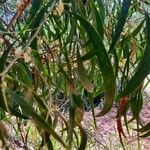
Acacia implexa
Black wattle · Hickory wattle · Screw-pod wattle · Scrub wattle · Sally wattle
Description
Source: leafsnapThe fluffy, sunny yellow blooms of the wattle (acacia) are a well-known sign of the end of winter and the beginning of spring. The golden wattle (Acacia pycnantha), one of Australias most well-known native plants, serves as the countrys floral emblem. There are many different wattle species, but South Australia is home to the golden wattle in particular. You can grow wattle acacias in your garden in addition to seeing them in parks and along roadways. Sincere apologies to those who suffer from hay fever; this acacia tree probably isnt for you! It requires very little maintenance, grows swiftly, and produces gorgeous blossoms.
Care Guide
💧 Water 1-2 times a week
Water the wattles frequently while they are growing. After they have developed, though, they may survive on natural rainwater. Water anytime the ground becomes too dry during the hotter months to prevent trees from becoming dehydrated. If not, they will endure dryness better than other trees or shrubs because of their phyllodes, or wattle leaves.
☀️ Light Full sun
Screw-pod wattle is native to open habitats, such as sunny meadows and the edges of forests, where light is abundant. It performs best in full sun but will also tolerate partial sun, adapting well to different light conditions.
What are the sunlight requirements for Screw-pod wattle (Acacia implexa)?
The Screw-pod wattle, or Acacia implexa, thrives under specific sunlight conditions to ensure its happiness and growth. It requires 'full sun' exposure, which means it needs above 6 hours of sunlight daily. However, it can also tolerate 'partial sun', necessitating about 3-6 hours of sunlight. It's important to observe the movement of sunlight through your garden to choose spots that offer a perfect balance of light and shade suitable for these plants.
🌡️ Temperature 20–37.8°C
Screw-pod wattle has good temperature adaptability, tolerating high heat and wide temperature swings. In hot conditions, care should be taken with watering and providing adequate shade to prevent sunburn. On the other hand, Screw-pod wattle is fairly sensitive to low temperatures. While it can endure some cold, very low temperatures may cause frost damage.
💨 Humidity
🪴 Soil 6-8
🌱 Fertilizer
The timing of fertilizing Screw-pod wattle is important. Apply fertilizer in early spring and repeat monthly until early summer. Fertilizer encourages attractive blooms and supplies energy during both dormant and active growth periods.
🪴 Pot & Repot
✂️ Pruning
The screw-pod wattle features slender, curved seed pods and delicate, feathery foliage. To keep it healthy and maintain an appealing shape, be sure to prune the plant in early spring. Remove any dead branches to improve air circulation, which encourages denser growth and boosts its flowering potential. Always use sharp, clean tools during pruning to prevent the spread of disease.
🌿 Propagating
🐛 Diseases & pets
☠️ Toxicity
The seedpods of the lightwood tree can be toxic to livestock. In times of drought, the leaves of different acacia trees, including Acacia implexa, may form an overabundance of Hydrogen cyanide which is toxic to herbivores who eat the foliage including the seedpods. Watering the trees during drought may help lessen this risk and care should be taken to prevent their drying out in areas where livestock have access to them. To be on the safe side, removing acacia trees from livestock grazing areas is the best bet.
Characteristics
- Plant Type
- Tree
- Life Cycle
- Perennial
- Genus
- Acacia
- Family
- Fabaceae
- Hardiness Zone
- 9-11
- Mature Height
- 4.88 m to 14.94 m
- Mature Spread
- 3.96 m to 7.92 m
- Leaf Color
- Dark Green, Olive
- Leaf Type
- Evergreen
- Flower Size
- 0.51 cm to 0.76 cm
- Bloom Time
- Early summer, Mid summer
- Planting Time
- Spring, Summer
- Harvest Time
- Late summer, Early fall, Mid fall
- Native Area
- Eastern Australia