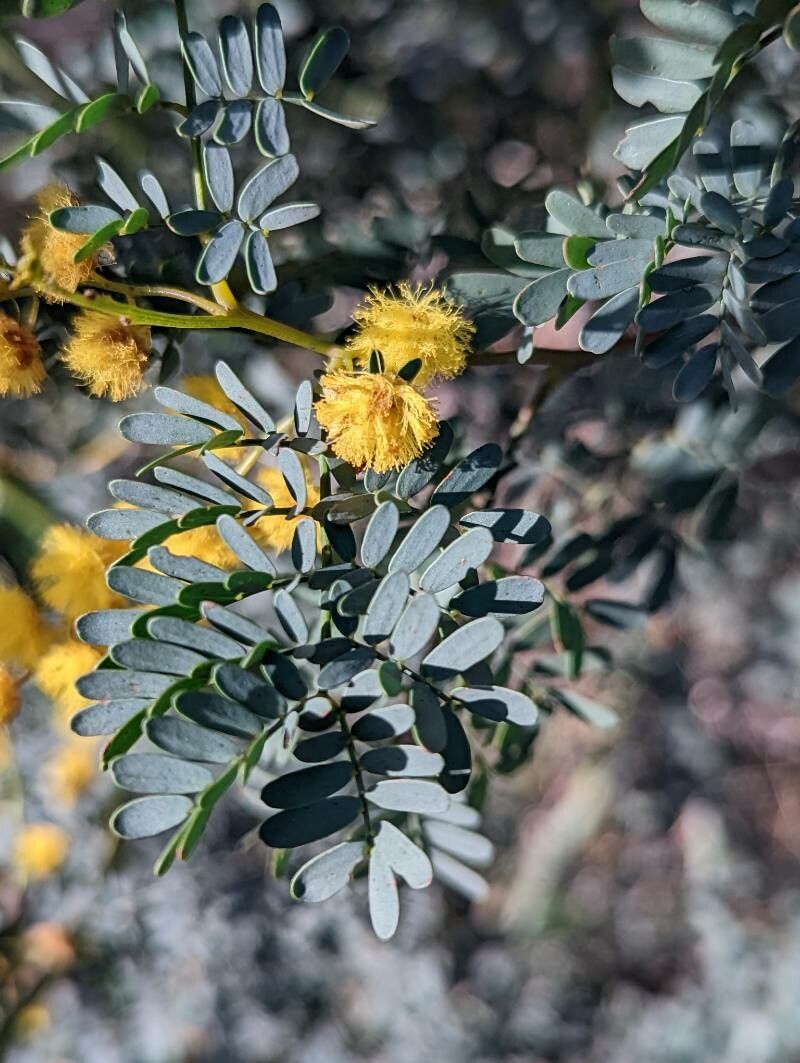
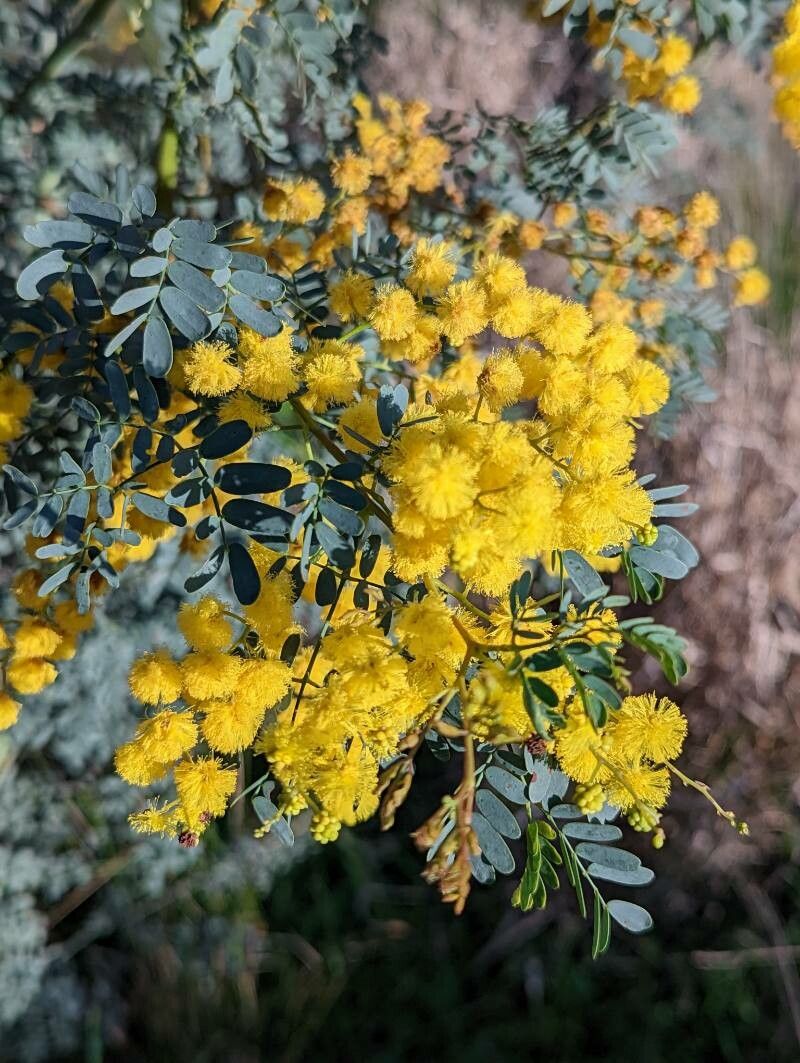
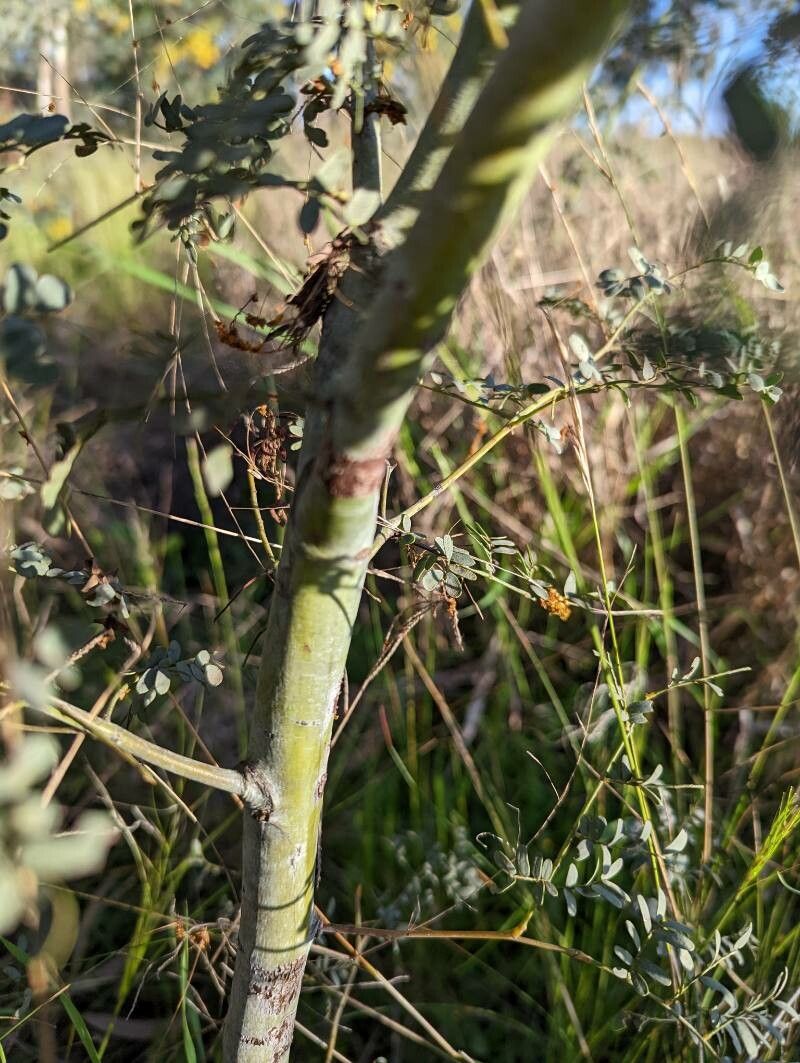
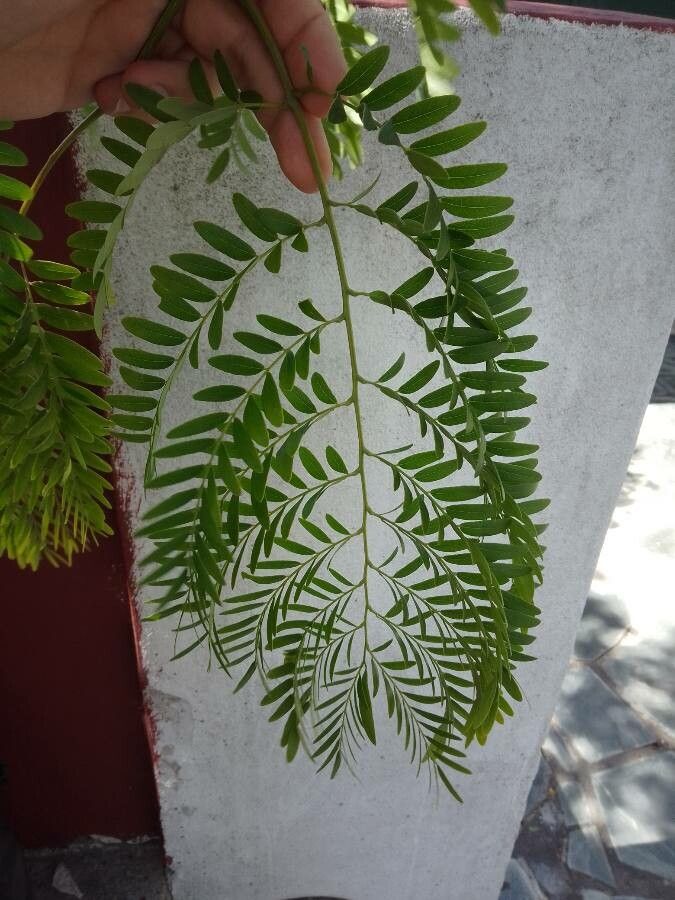
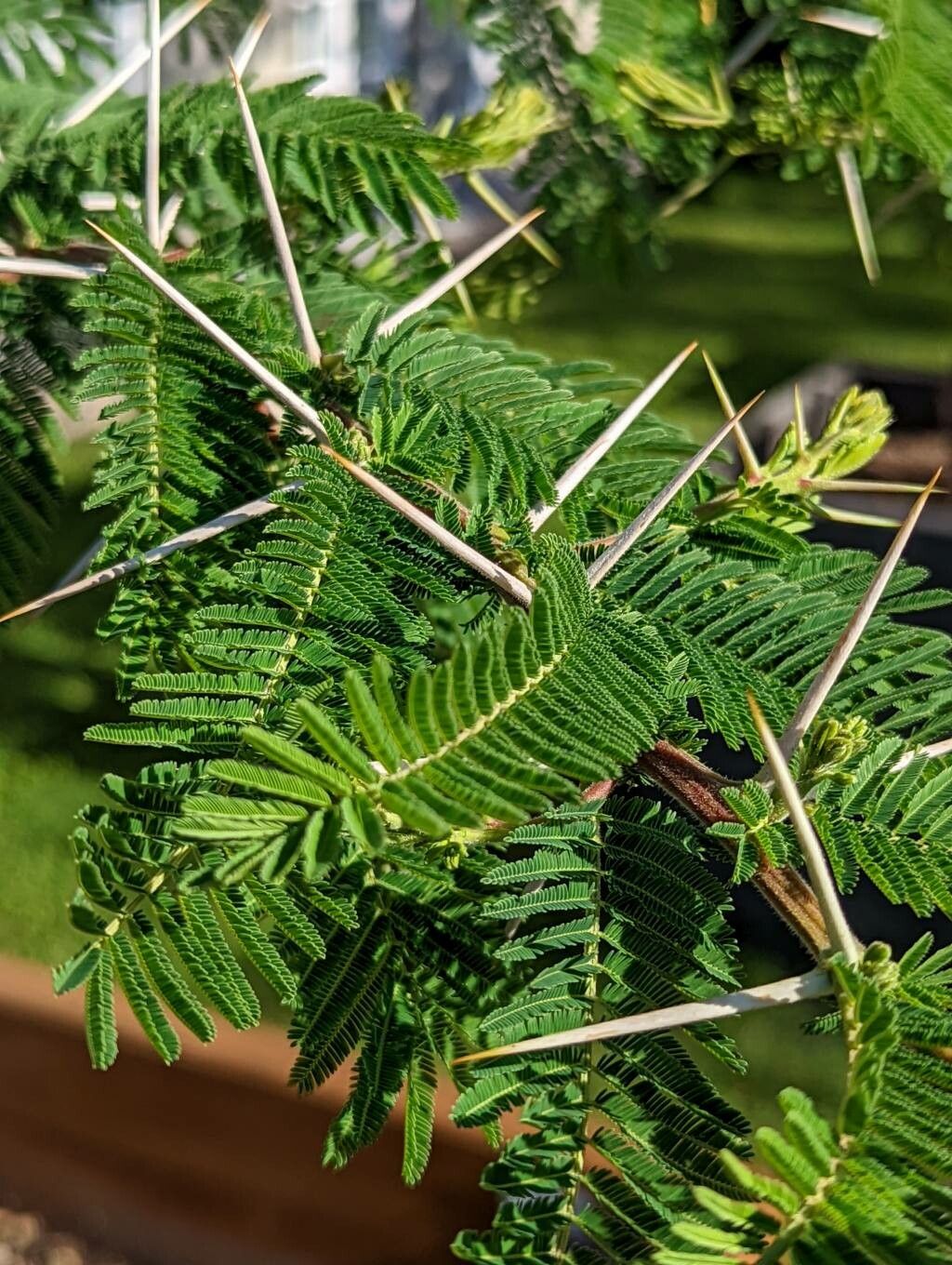
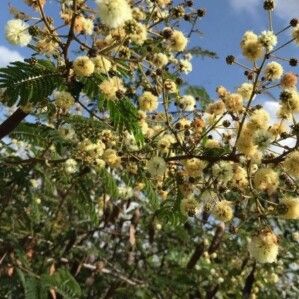
Acacia spectabilis, commonly known as Mudgee wattle, is an erect or spreading shrub, endemic to Australia. Alternative common names include glory wattle, Pilliga wattle and golden wattleIt grows to between 1.5 and 4 metres high and has pinnate leaves. The bright-yellow globular flowerheads appear in axillary racemes, mostly between July and November in its native range. These are followed by thin leathery pods which are 4–17 cm long and 10–19 mm wide.The species occurs naturally in dry sclerophyll forest and heath in New South Wales and Queensland and is commonly cultivated.
Glory wattle has strong resistance to disease and is usually not susceptible to illnesses. Regarding care, this plant is fairly low maintenance. When grown outdoors, it needs only minimal watering, and larger plants typically do not require pruning. Smaller plants, however, should be pruned after they finish blooming. Glory wattle is suitable for anyone with an outdoor area, such as a garden or a deck, and does not need a lot of gardening experience.
How to keep Acacia Spectabilis.
Light
Glory wattle originates from open habitats, such as sunny meadows and forest margins, which offer abundant light. It performs best in Full Sun but can also tolerate Partial Sun, adjusting well to a range of sunlight conditions.
Temperature
Glory wattle shows good temperature adaptability, being capable of withstanding higher heat and wider temperature fluctuations. In hot weather, it’s important to monitor watering and provide suitable shade to prevent sunburn. However, Glory wattle is relatively sensitive to low temperatures; while it can tolerate some chill, extremely cold conditions can cause frost damage.
Fertilizer
Timing is vital for fertilizing Glory wattle. Apply fertilizer in early spring and continue monthly through to early summer. The fertilizer promotes attractive blooms and supplies energy during both dormant and active growth stages.
Pruning
The glory wattle is known for its bright yellow flowers and bushy shape. To maintain its health and appearance, prune it in early spring. Begin by removing any dead branches and thinning out areas to improve air circulation. Avoid cutting old wood, as this encourages vigorous growth and enhances blooming. Following these steps will result in a healthier and more attractive plant.
Botanical profile.
- Plant Type
- Tree
- Life Cycle
- Perennial
- Genus
- Acacia
- Family
- Leguminosae
- Hardiness Zone
- 9-11
- Mature Height
- 3.96 m to 7.92 m
- Mature Spread
- 3.05 m to 6.1 m
- Leaf Color
- Green, Dark Green
- Leaf Type
- Evergreen
- Flower Color
- Yellow, Gold
- Flower Size
- 0.51 cm to 1.02 cm
- Bloom Time
- Early fall, Mid fall
- Planting Time
- Spring, Summer, Autumn
- Harvest Time
- Winter
Other names.
Reader questions.
What are the sunlight requirements for Glory wattle (Acacia spectabilis)?
The Glory wattle (Acacia spectabilis) has specific sunlight requirements to thrive. For full sun exposure, it needs above 6 hours of sunlight daily. Alternatively, if the area offers partial sun, about 3-6 hours of sunlight is necessary. It's important to observe how sunlight moves through your garden throughout the day. Selecting the right spots that provide a good balance of light and shade ensures your plants' optimal growth and happiness.