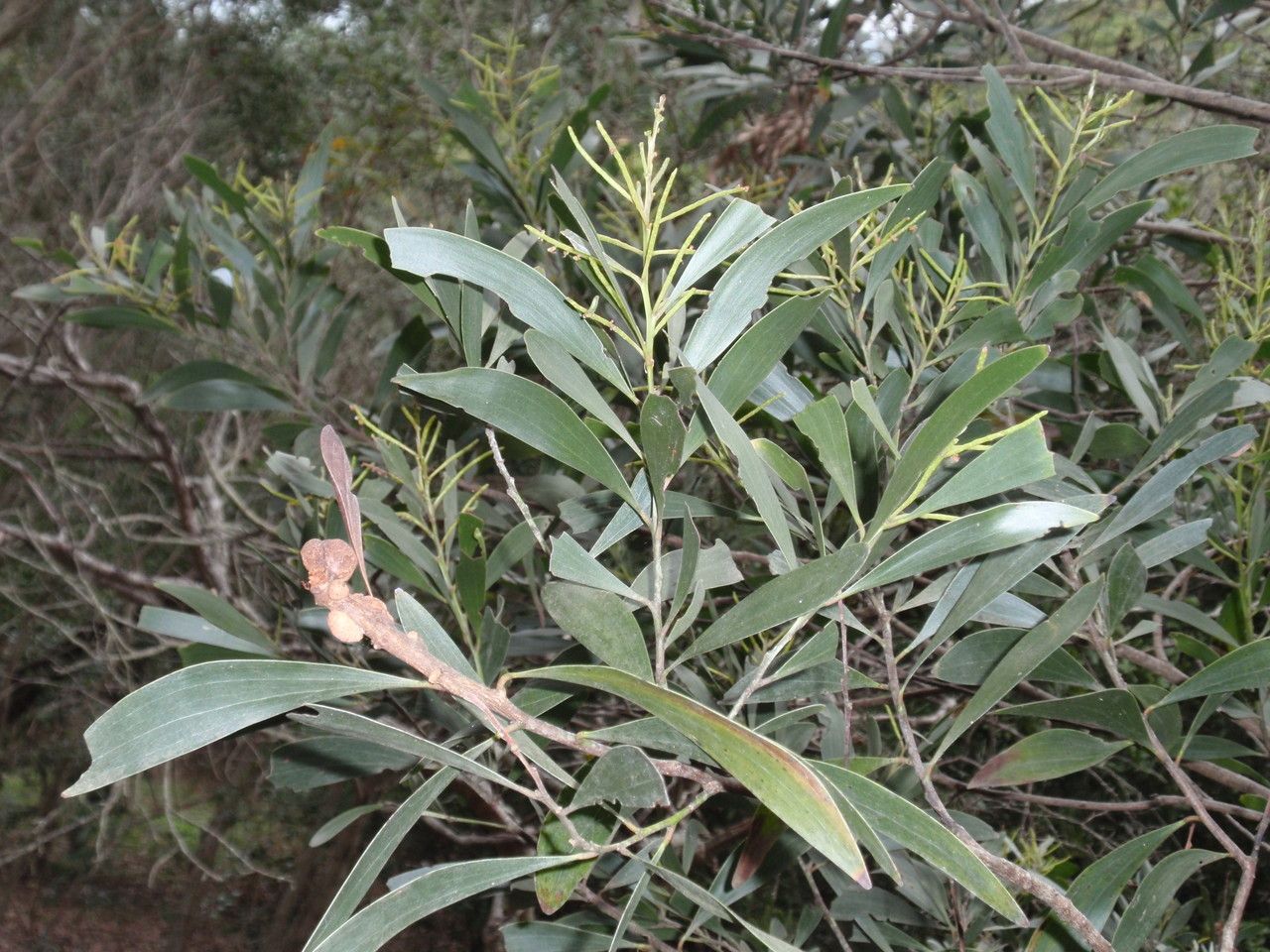
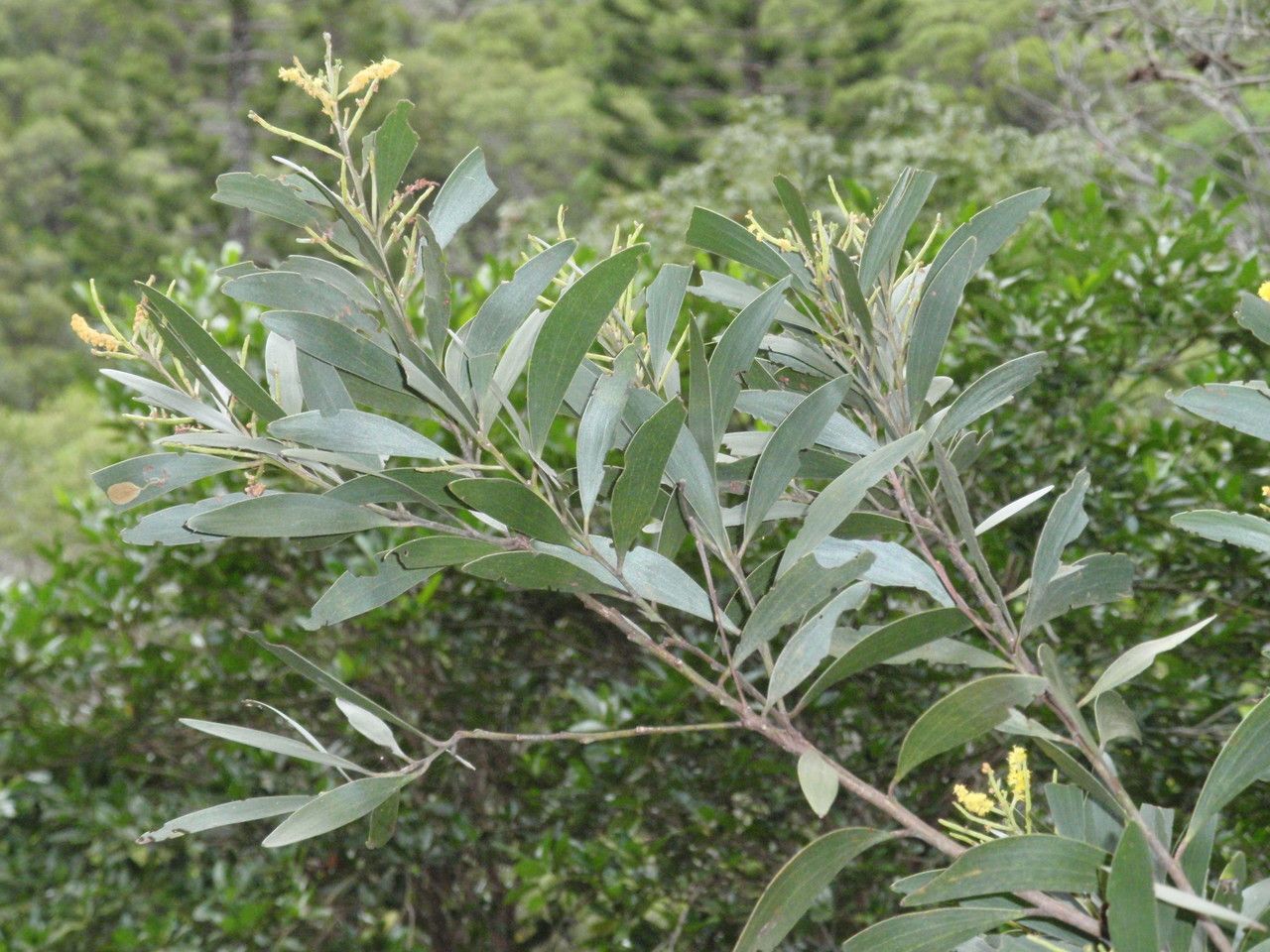
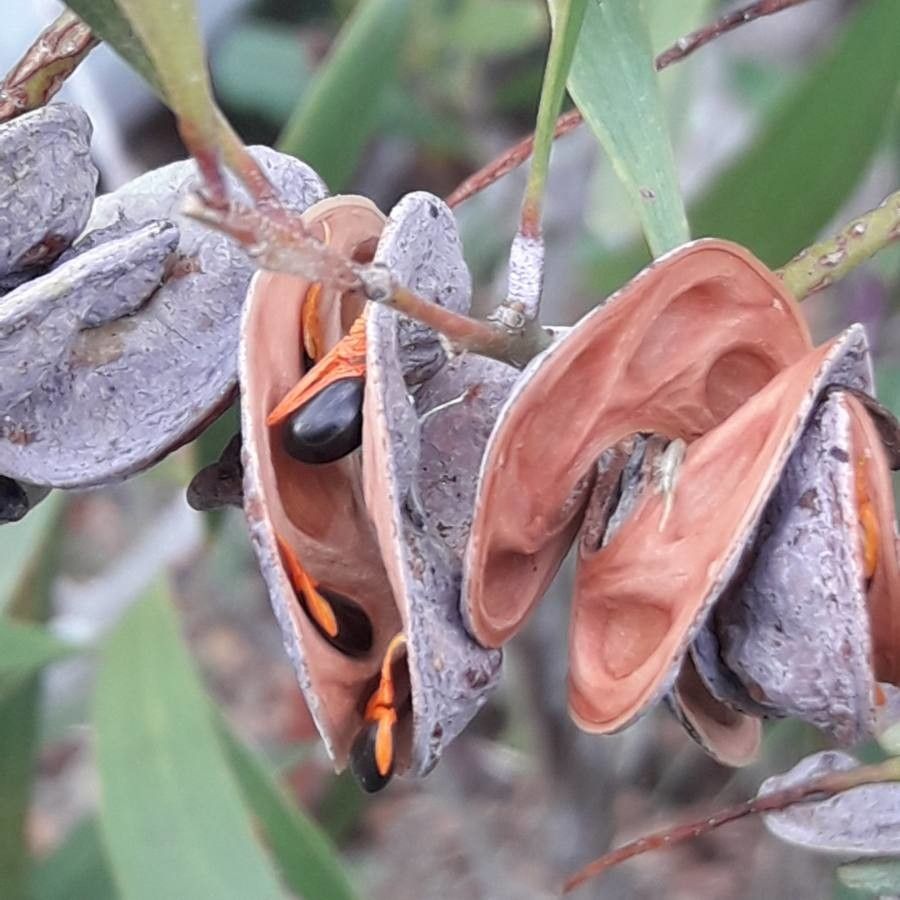
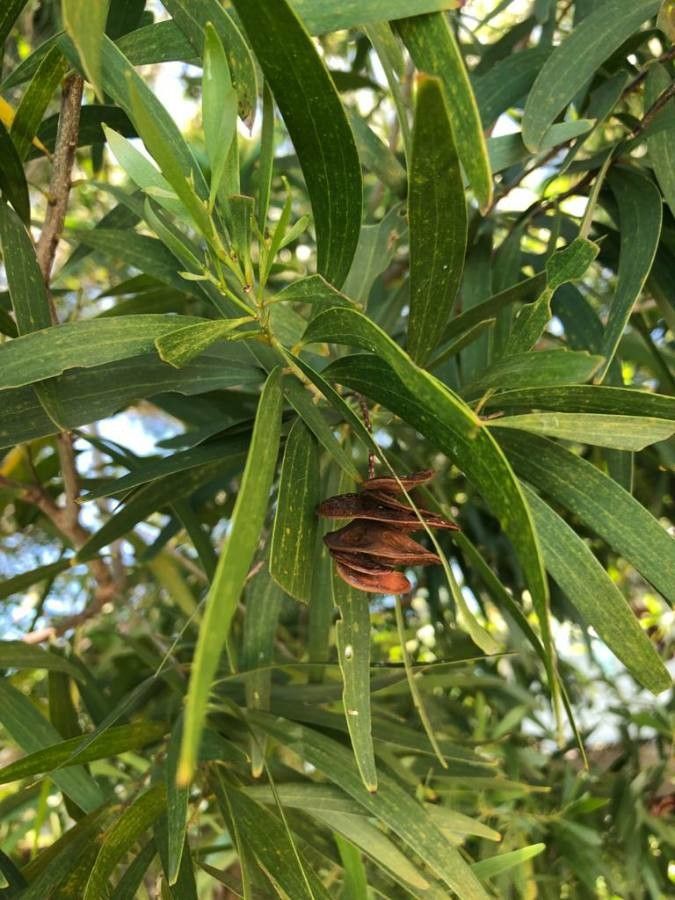
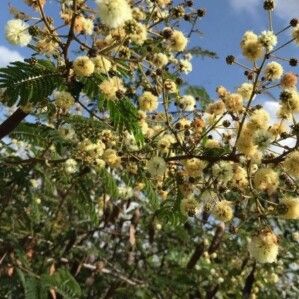
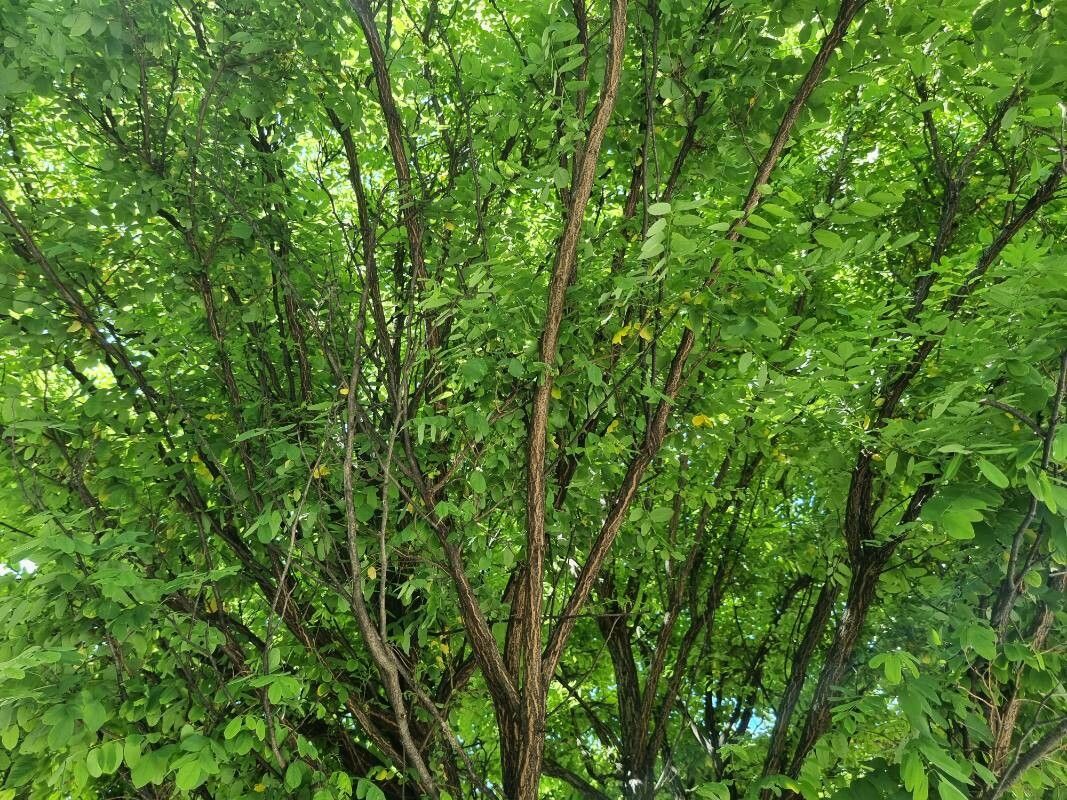
Acacia spirorbis, commonly known as the Corkscrew Wattle, is a tree species belonging to the Fabaceae family. Its name derives from the distinctive twisted and spiraled appearance of its branches. Native to Australia, it can be found across regions including Western Australia, South Australia, and Victoria.
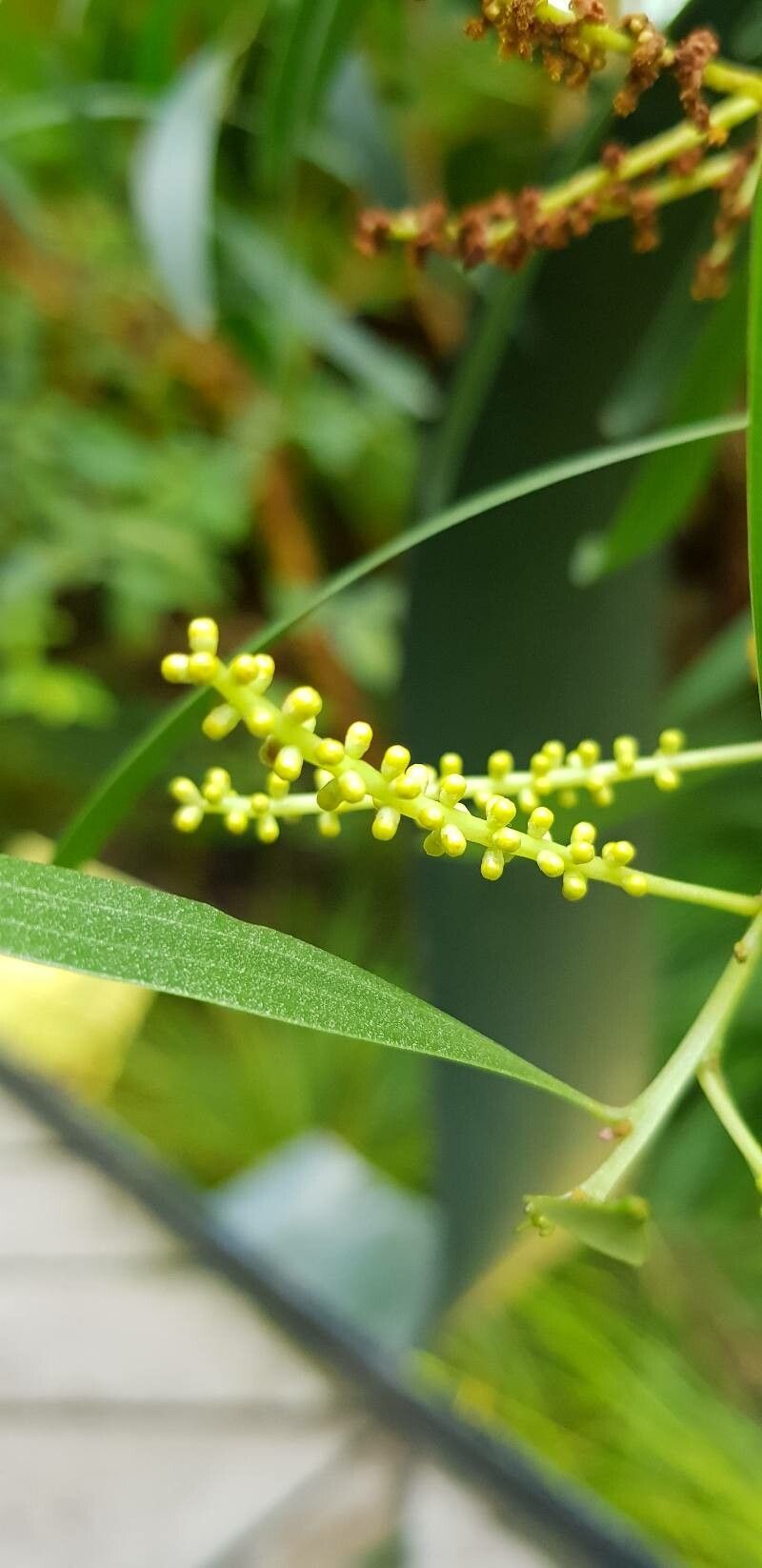
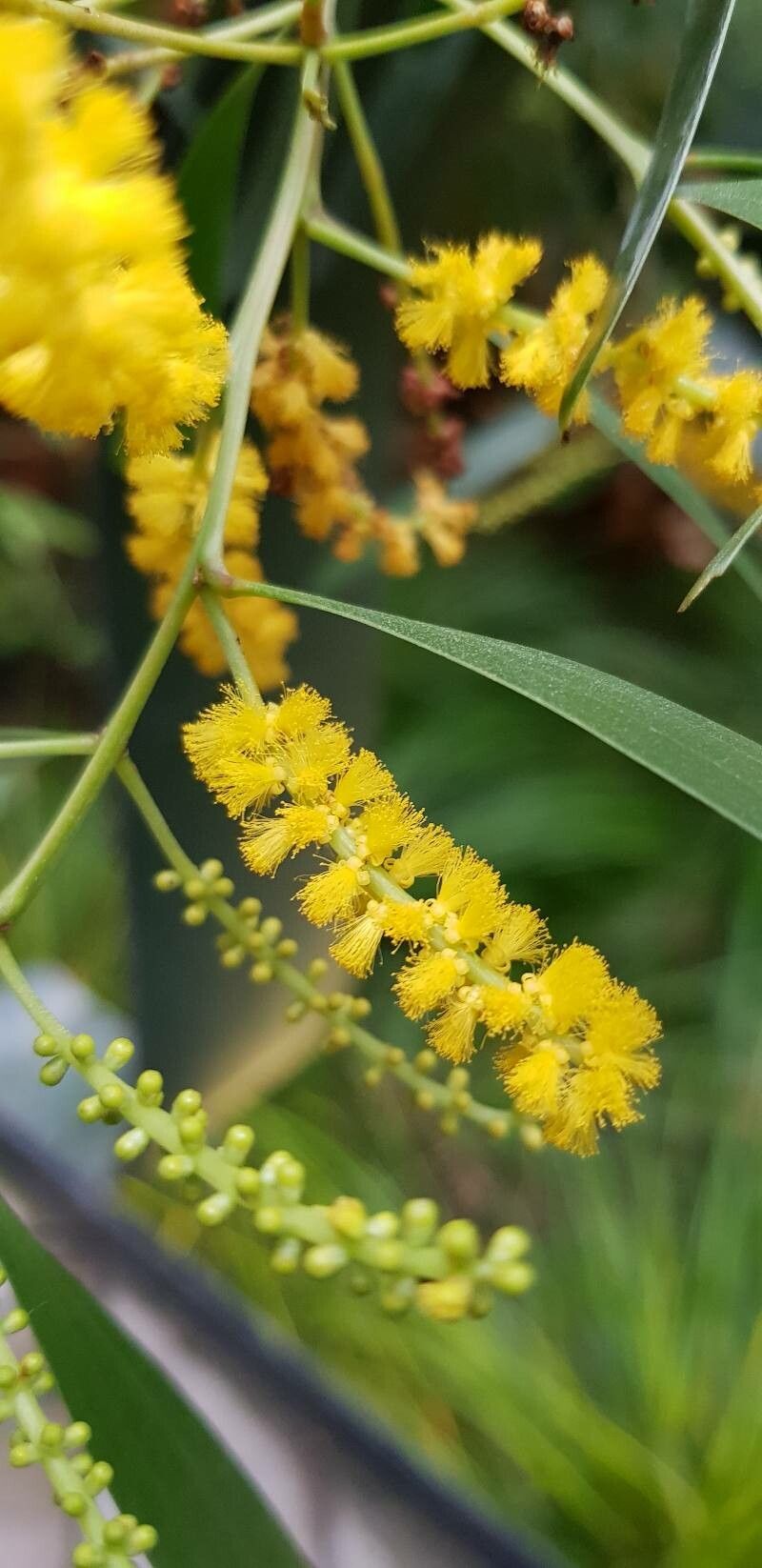
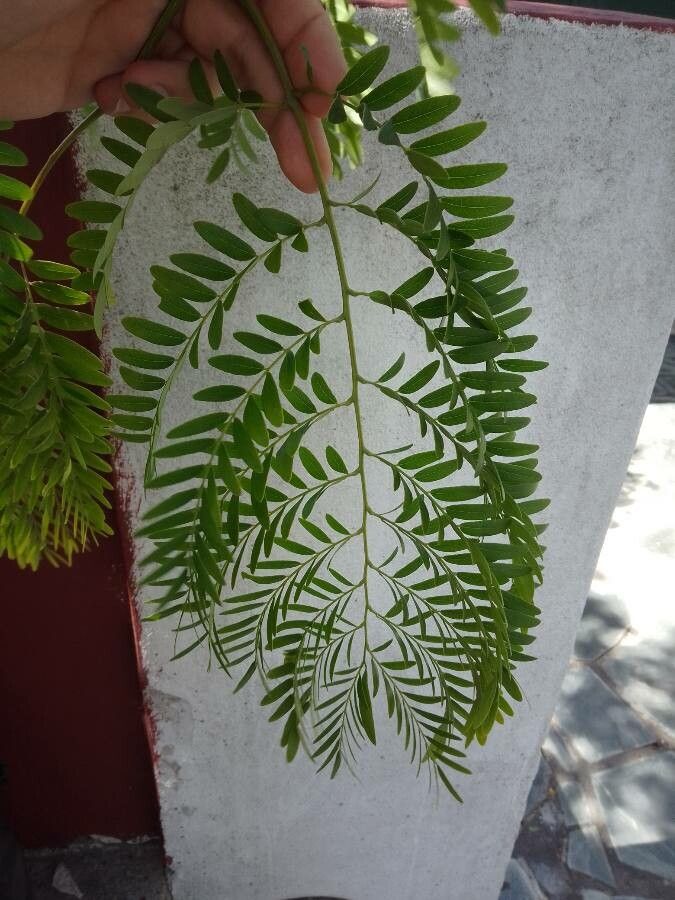
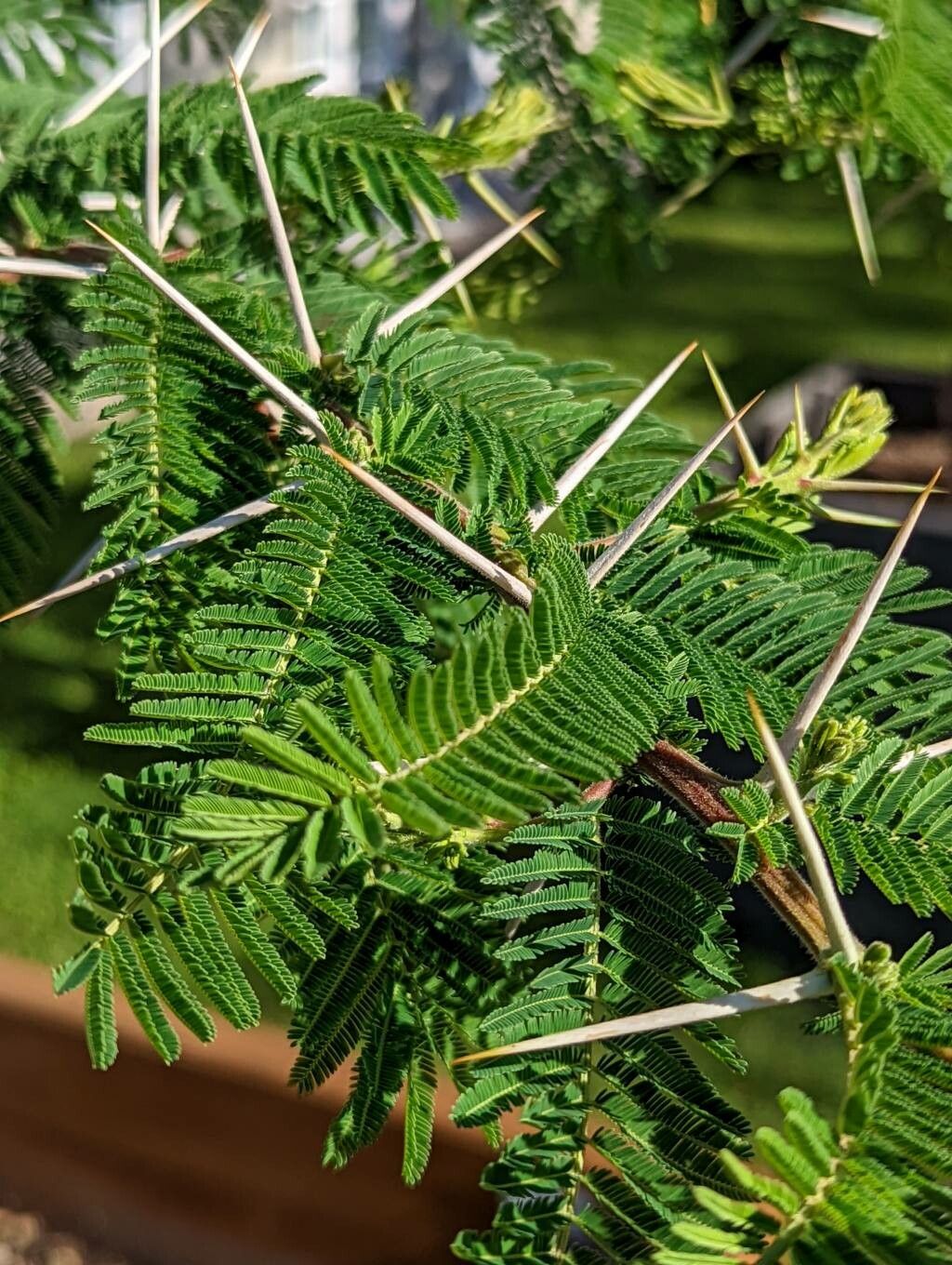
The Corkscrew Wattle can reach a height of up to 6 meters, with a spread of approximately 3 meters. The tree features small green leaves that are bipinnate, with numerous leaflets arranged along the branches. Its small yellow flowers bloom in clusters from late winter through early spring.
Acacia spirorbis thrives in well-drained soils but is adaptable to various soil types, from sandy loam to clay. It requires full sun for optimal growth, though it can also tolerate partial shade.
This plant is valued for several uses. Its extensive root system makes it highly effective for erosion control, stabilizing soil on slopes and embankments. Additionally, the wood is prized for fuelwood or charcoal production due to its high calorific value.
In summary, Acacia spirorbis is a fascinating tree species with uniquely twisted branches, making it an attractive choice for landscaping. It also offers significant ecological benefits, such as erosion control and providing habitat for wildlife, including birds and insects, which rely on it for food and shelter throughout the year.
Acacia spirorbis shows strong resistance to disease and is typically not susceptible to illnesses. As for care, this species is fairly low-maintenance. When grown outdoors it needs only light watering, and larger specimens usually do not require pruning; however, smaller plants should be trimmed after they finish blooming. Acacia spirorbist is well suited to anyone with an outdoor area, like a garden or a deck, and does not demand extensive care experience.
How to keep Acacia Spirorbis.
Light
Acacia spirorbis originates from open habitats, such as sunlit meadows and forest margins, which offer abundant light. It thrives in Full Sun but can also tolerate Partial Sun, adapting well to different sunlight conditions.
Temperature
Acacia spirorbis is native to tropical areas, where conditions are generally warm and humid. Consequently, it is well suited to high temperatures and humidity. It does not tolerate sudden temperature changes and prefers a steady thermal environment, so avoiding temperature swings indoors is important. It normally cannot withstand cold and needs relatively high temperatures to grow. If the surrounding temperature becomes too low, the plant may stop growing or even die.
Fertilizer
Fertilization is essential for the care of Acacia spirorbis. Consistent feeding during the growing season maintains the energy needed for its showy leaves and supports overall growth. Failing to fertilize can lead to unhealthy foliage, reduced ornamental value, and stunted or weakened growth that is more likely to break.
Botanical profile.
- Plant Type
- Tree
- Life Cycle
- Perennial
- Genus
- Acacia
- Family
- Fabaceae
- Hardiness Zone
- 9-11
- Mature Height
- 4.88 m to 10.06 m
- Mature Spread
- 3.05 m to 6.1 m
- Leaf Color
- Dark Green
- Leaf Type
- Evergreen
- Flower Color
- Yellow
- Flower Size
- 0.51 cm to 0.76 cm
- Bloom Time
- Fall
- Planting Time
- Spring, Summer
- Harvest Time
- Winter, Early spring
Other names.