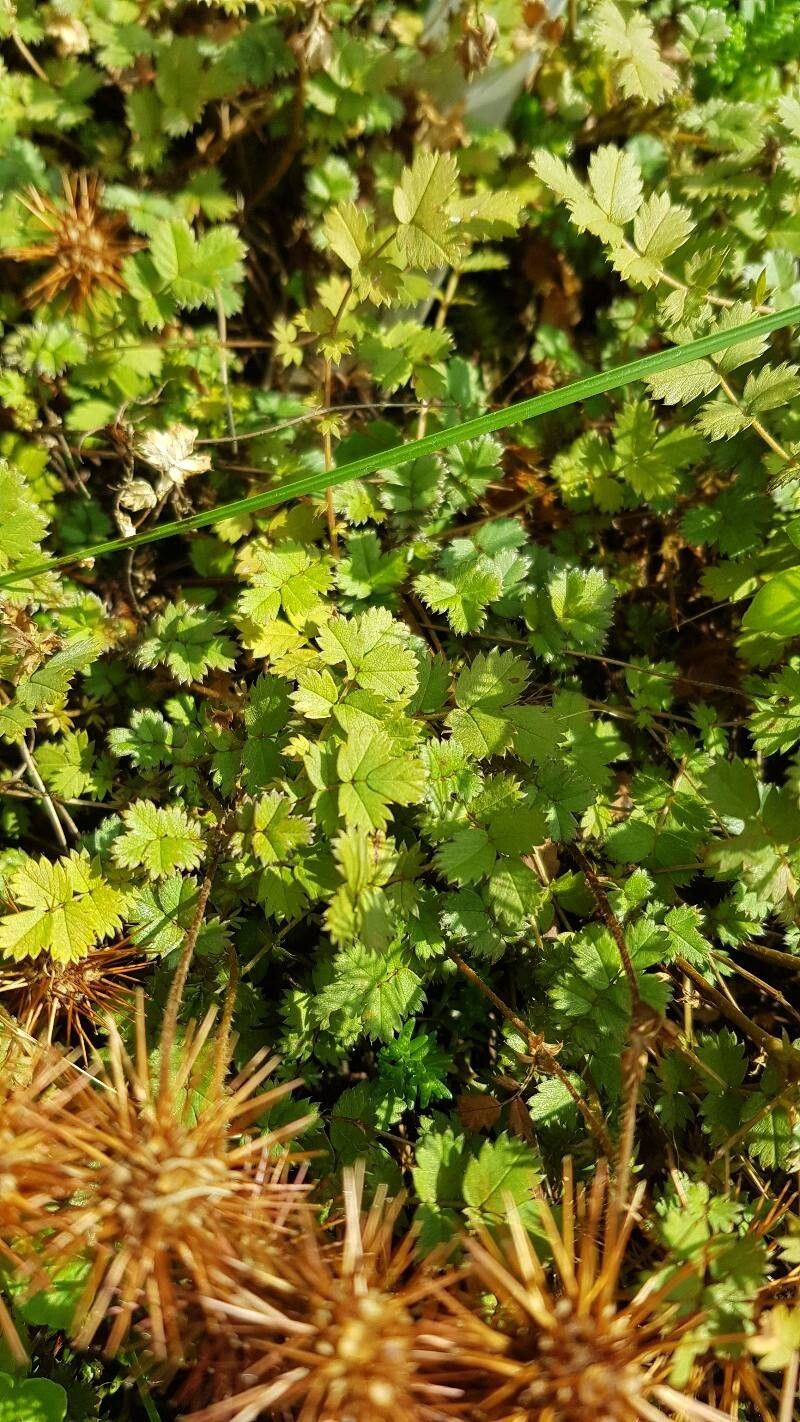
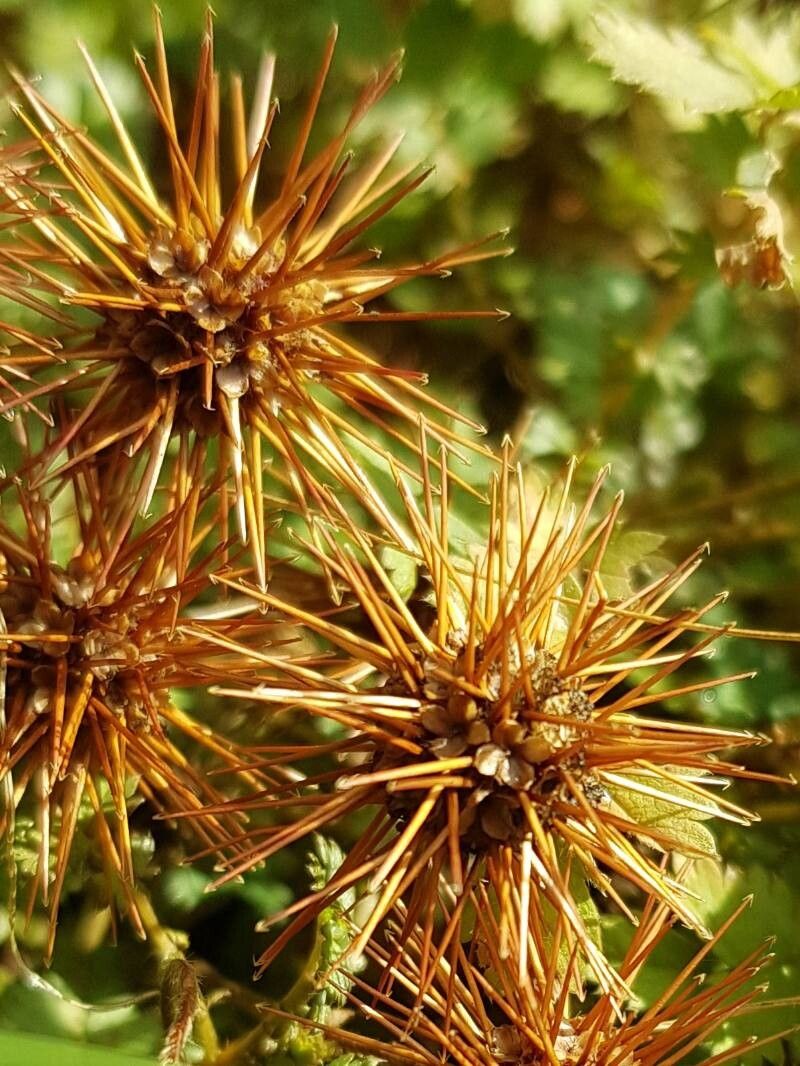
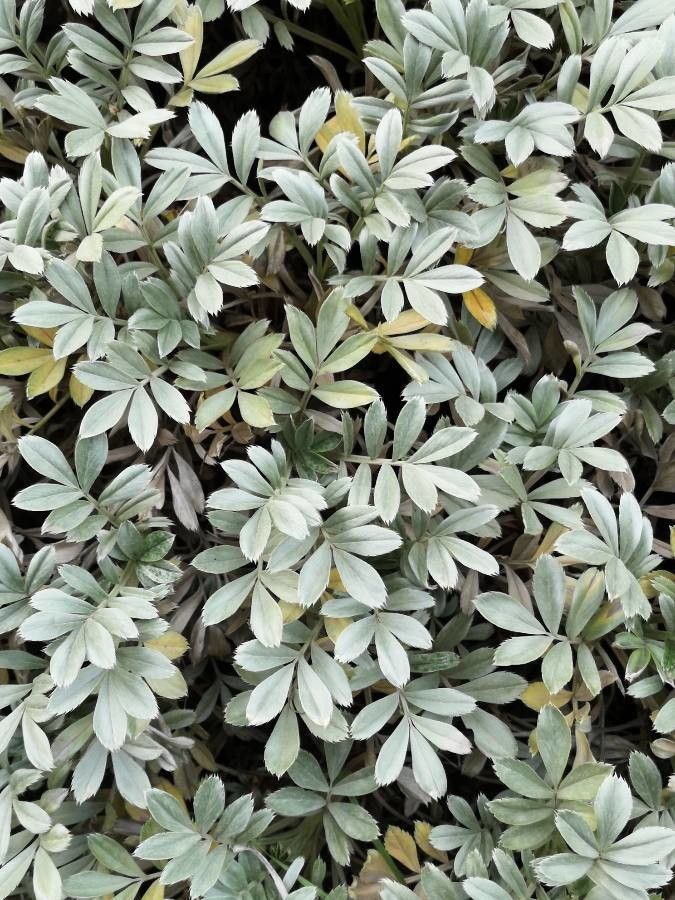
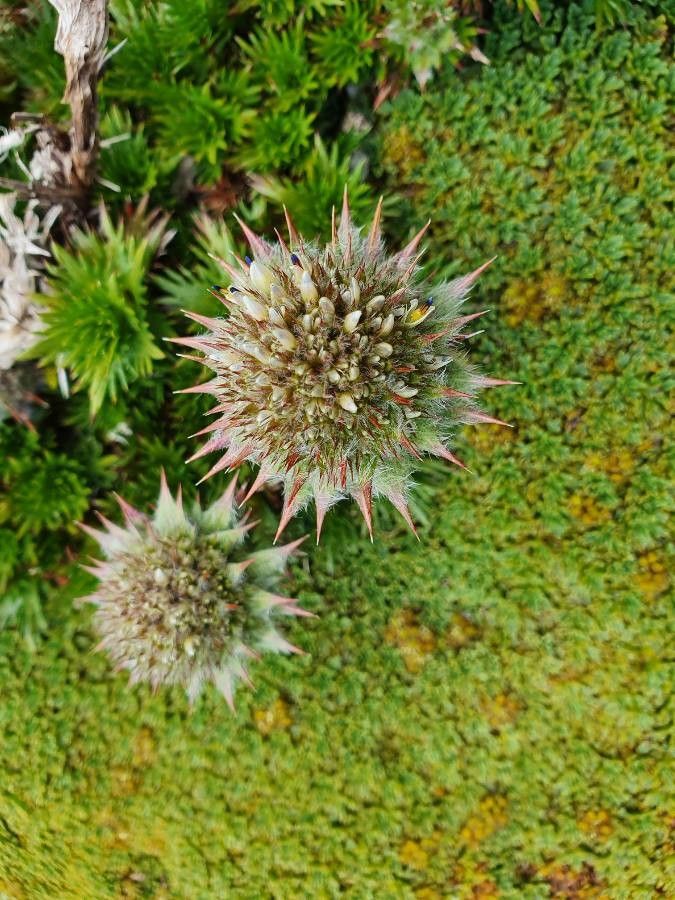
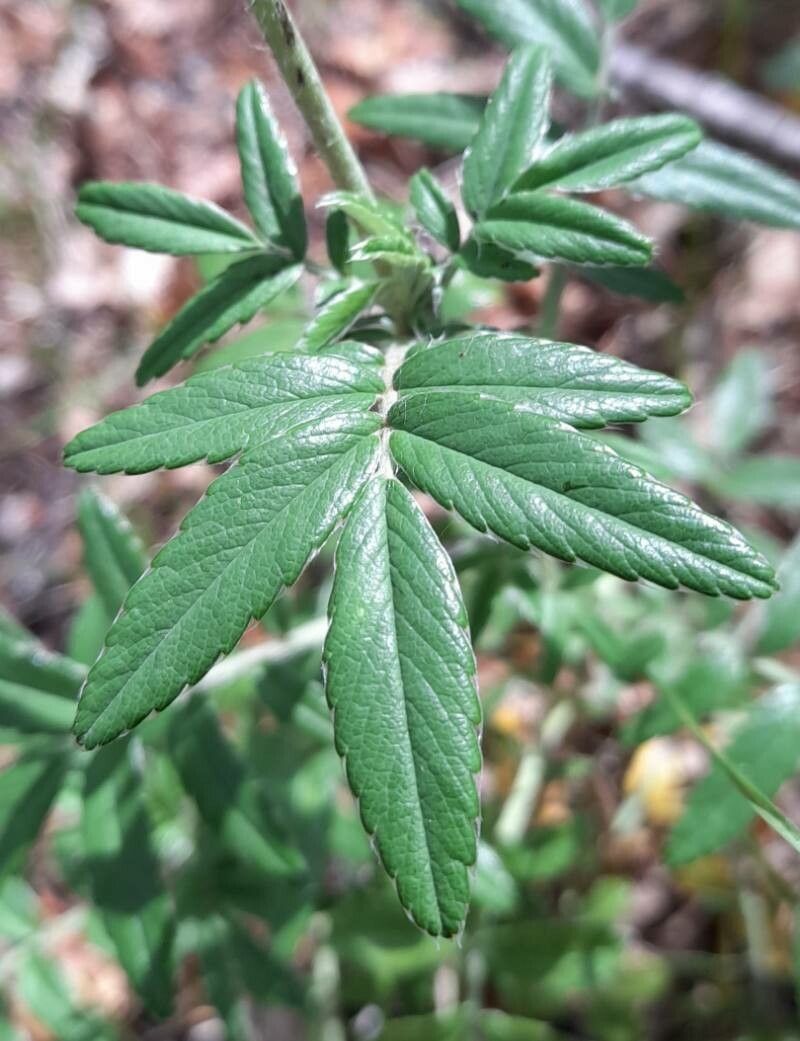
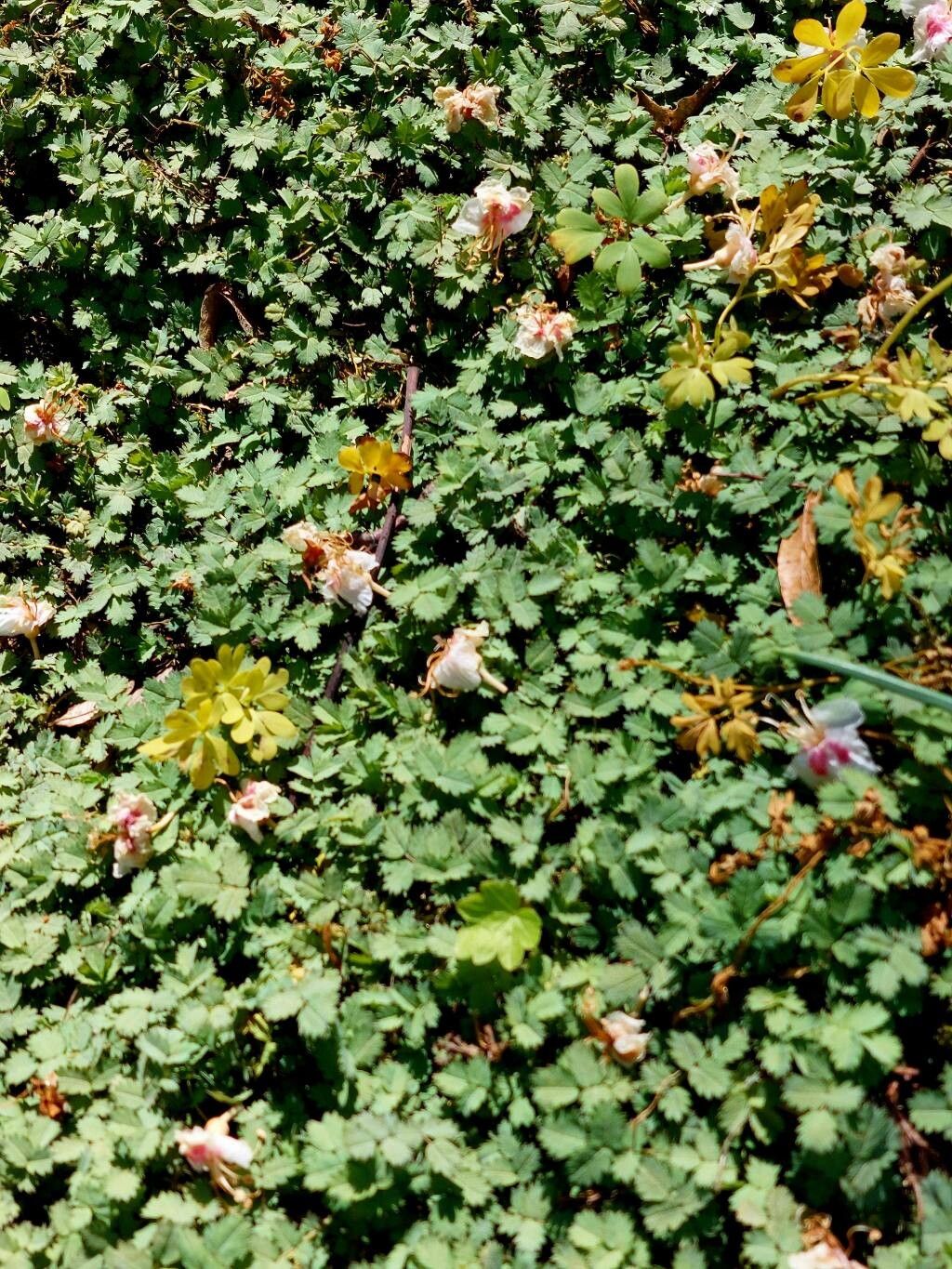
Acaena inermis, the spineless acaena, is a species of flowering plant in the family Rosaceae, endemic to New Zealand and introduced to Great Britain. Its common names include spineless bidibid and blue mountain bidibid. A mat-forming perennial useful as a ground cover, its cultivar 'Purpurea' is widely available from commercial suppliers.
Spineless acaena has strong resistance to disease and is generally not easily affected by illnesses. It can, however, be vulnerable to pests or diseases present in its immediate environment. These problems are typically minor. Regarding care, this plant requires a moderate level of maintenance. It should be pruned regularly to preserve a good appearance and support healthy growth. Fertilizing can also encourage flowering. Spineless acaena is suitable for people who have outdoor areas such as a garden or patio and does not demand extensive plant-care experience. It may need more attention when cultivated indoors.
How to keep Acaena Inermis.
Light
Spineless acaena is native to places like forest understories and rocky sites, where it receives natural shade. It prefers partial sun but can tolerate both full sun and full shade, which demonstrates its versatile and hardy nature.
Water
Spineless acaena thrives in areas with regular rainfall and needs consistent moisture to stay healthy. It benefits from weekly watering. As an evergreen, it keeps its leaves throughout the year, so it requires continual hydration to maintain a vibrant and healthy appearance.
Temperature
Spineless acaena can tolerate a wide range of temperatures, but its distribution may still be restricted by different combinations of moisture and heat. It does best in warm summer conditions with sufficient rainfall or watering. Extended periods of cloudy, rainy weather or prolonged high temperatures increase the risk of the plant dying. In winter, shielding it from cold can improve its chances of survival.
Fertilizer
One fertilizer application in spring is generally enough for Spineless acaena, though multiple feedings can maximize growth. Feed at intervals of about one to one and a half months. Fertilization improves leaf appearance and function, helping to maintain consistent color and a healthy texture. It also encourages root development and nutrient uptake, supporting long-term plant health.
Pruning
Spineless Acaena is known for its purplish foliage and mat-forming habit. To promote healthy growth, it should be pruned in early spring. Key techniques for pruning include removing dead stems and lightly trimming the plant to maintain its shape. It's important to avoid heavy pruning, as this can stress the plant. Instead, aim for light trimming to enhance airflow and encourage denser growth.
Botanical profile.
- Plant Type
- Herb
- Life Cycle
- Perennial
- Genus
- Acaena
- Family
- Rosaceae
- Hardiness Zone
- 5-9
- Mature Height
- 5 cm to 10 cm
- Mature Spread
- 30 cm to 61 cm
- Leaf Color
- Purple, Bronze
- Leaf Type
- Evergreen
- Flower Color
- White
- Flower Size
- 0.51 cm to 0.76 cm
- Bloom Time
- Early summer, Mid summer
- Planting Time
- Summer, Autumn
- Harvest Time
- Late summer, Early fall
- Native Area
- New Zealand
Other names.