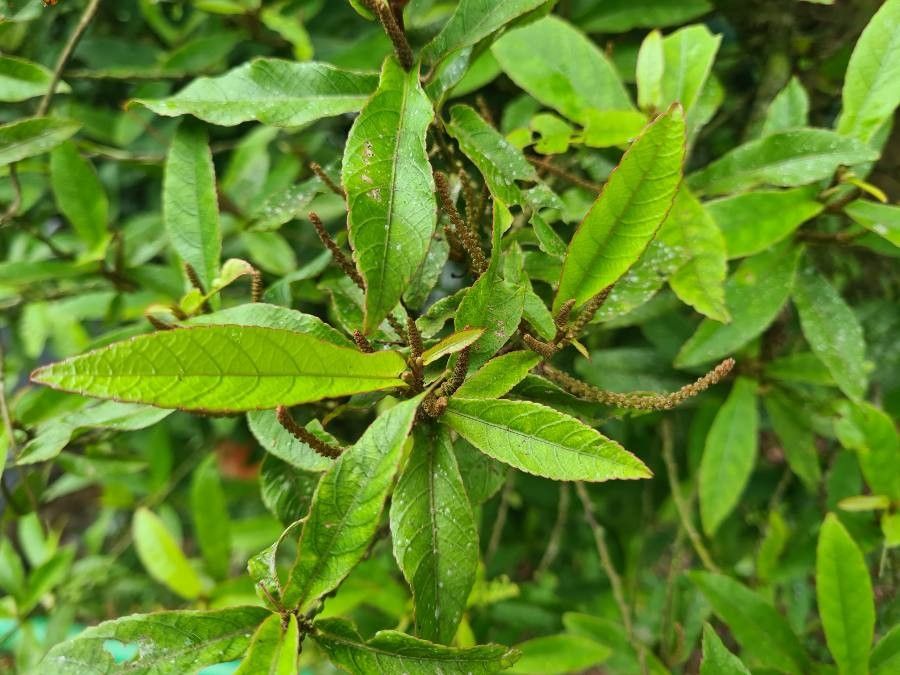
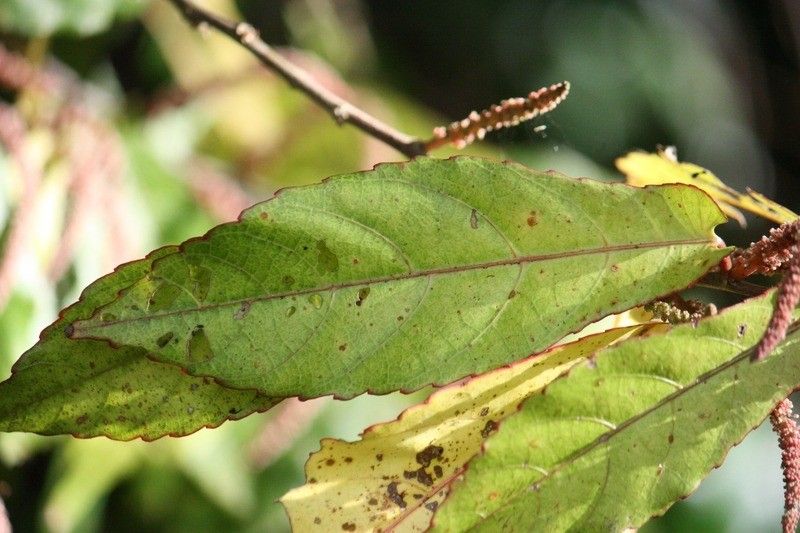
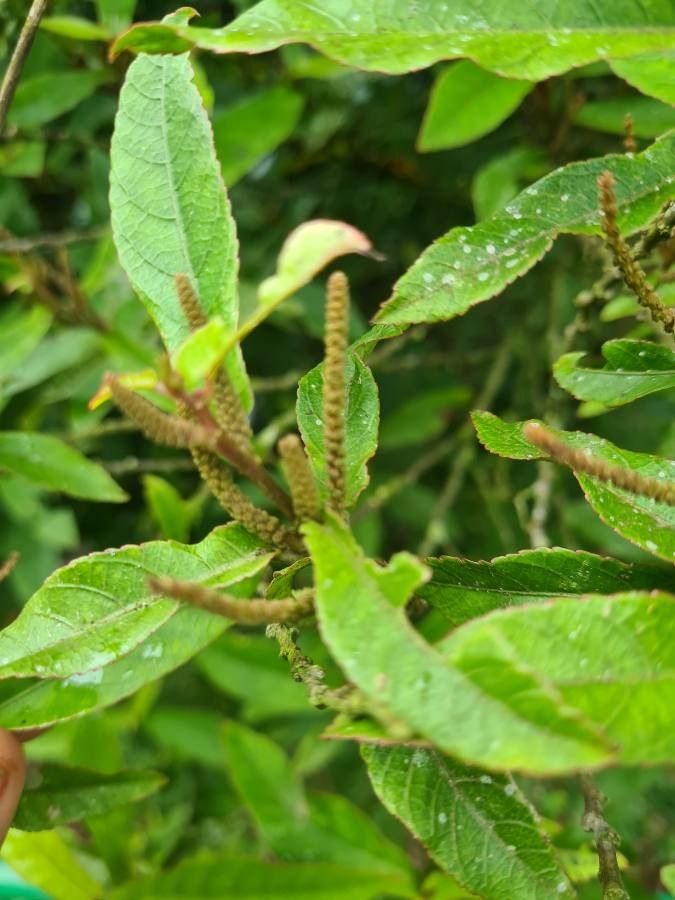
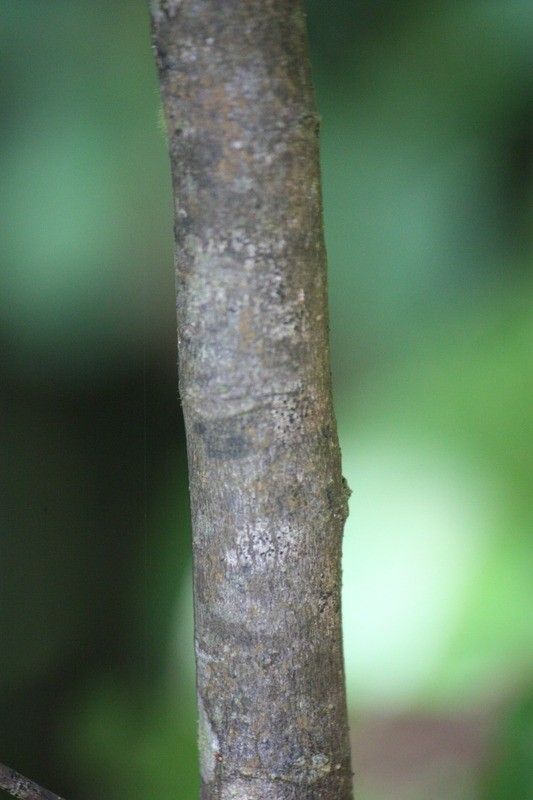
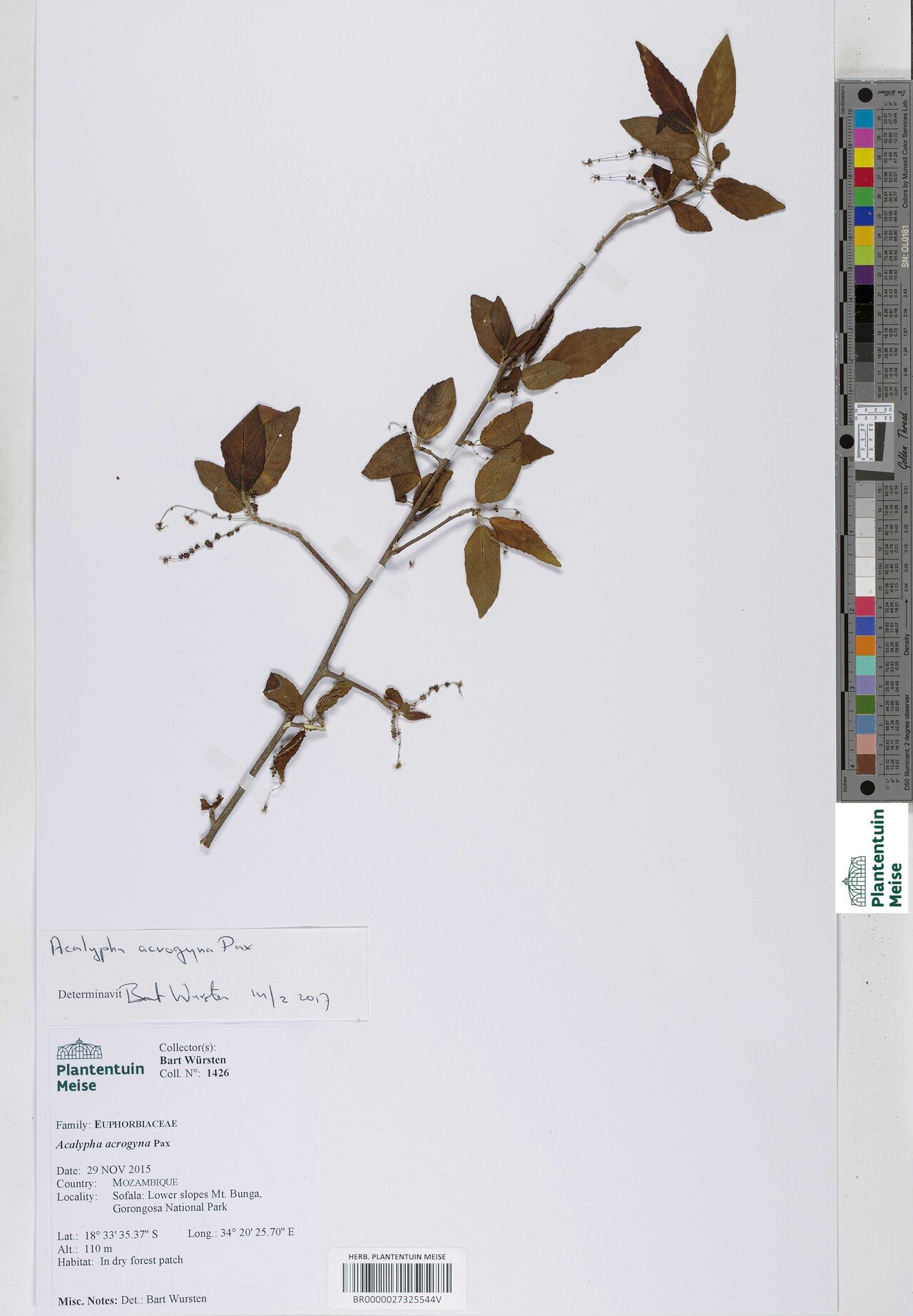
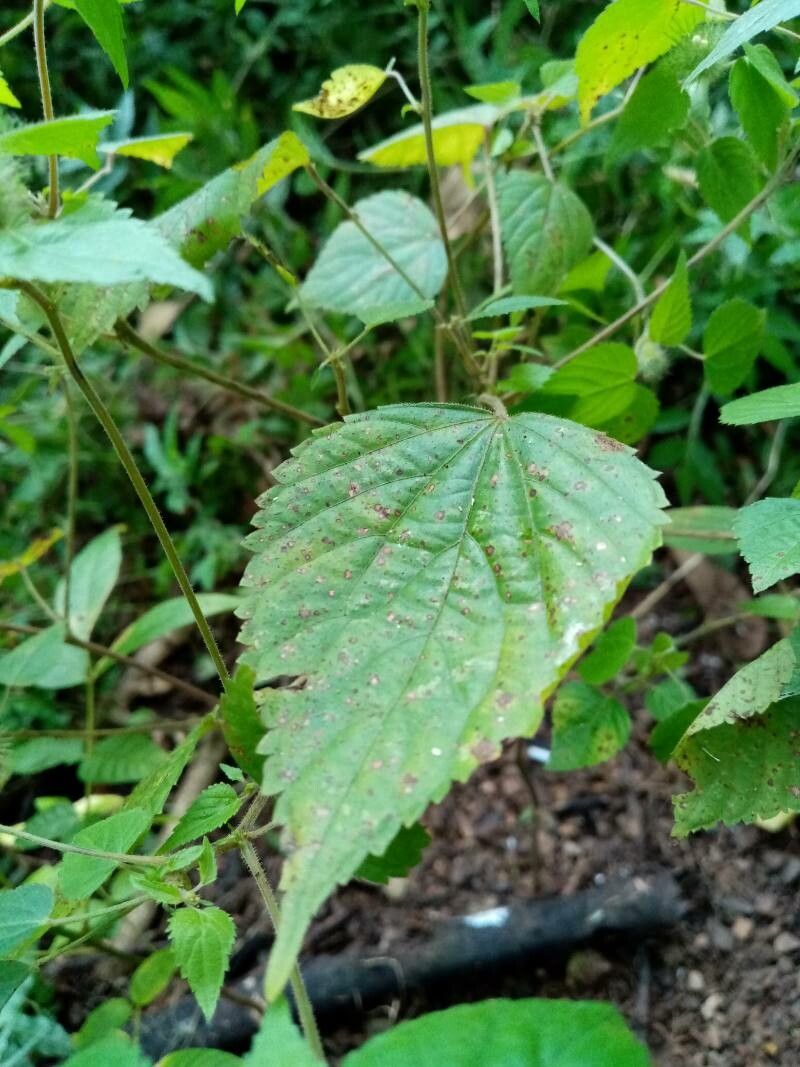
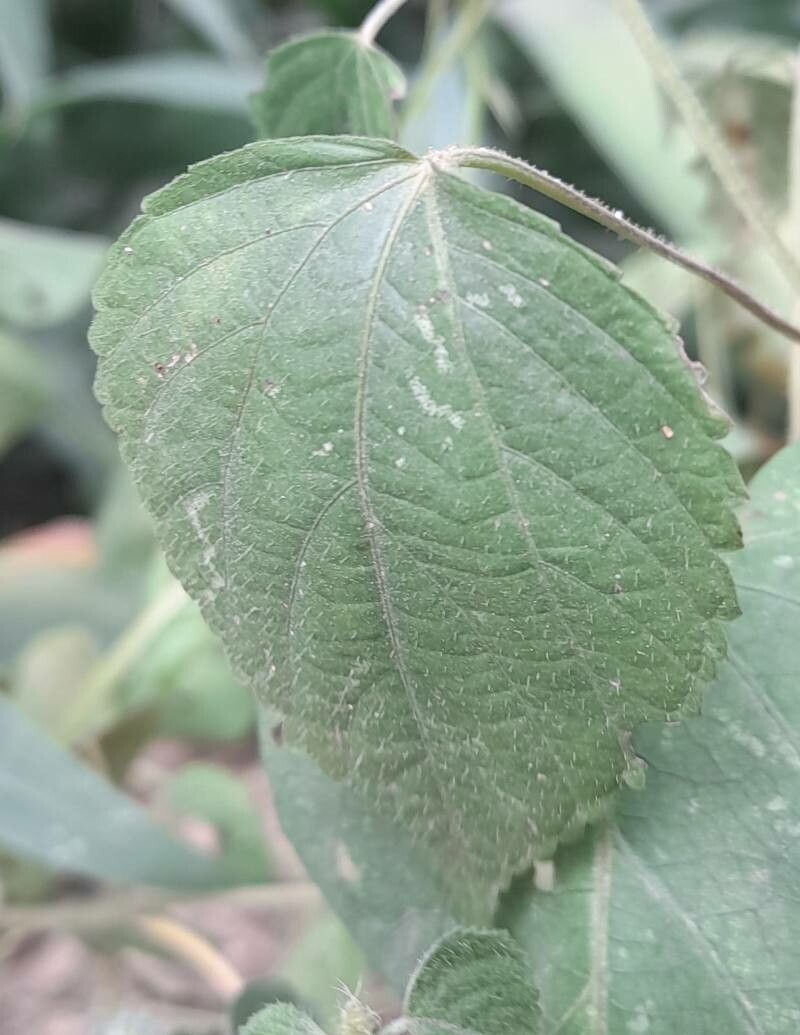
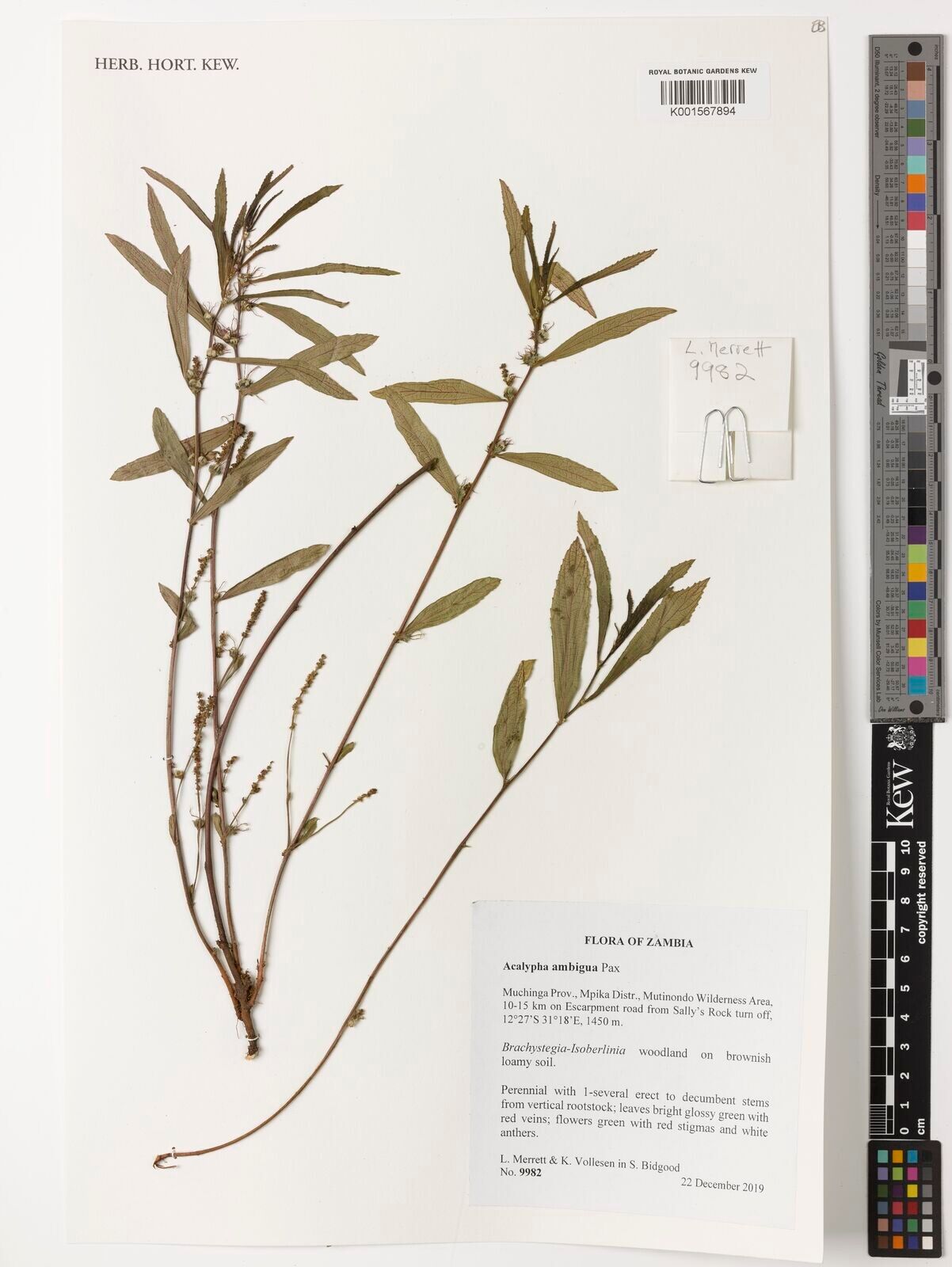
Acalypha integrifolia, commonly known as the Asian copperleaf, is a tropical shrub belonging to the Euphorbiaceae family. Native to Southeast Asia, it can be found in countries such as Thailand, Malaysia, and Indonesia. The plant reaches up to 2 meters in height and has a bushy appearance, adorned with oval-shaped, dark green leaves that have serrated edges.
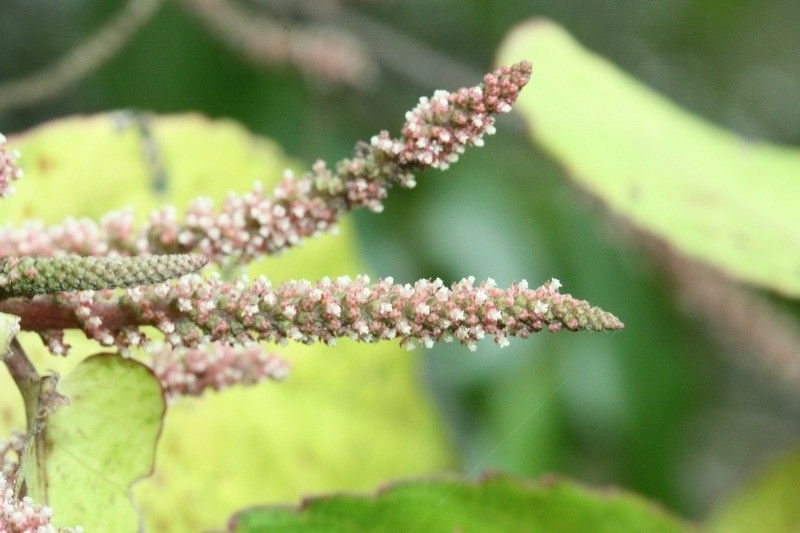
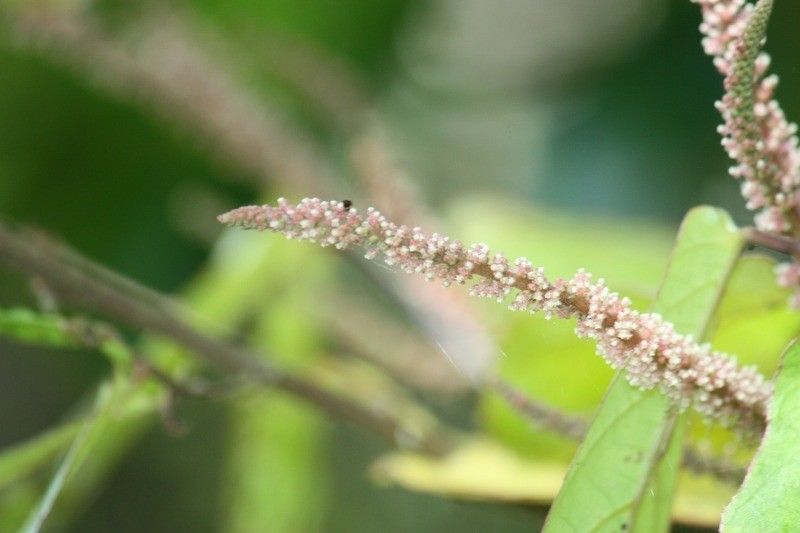
The Asian copperleaf produces small, greenish-yellow flowers that bloom throughout the year. It thrives in warm temperatures ranging from 20-30°C (68-86°F) and requires moderate watering.
In traditional medicine, Acalypha integrifolia has been valued for its anti-inflammatory properties and has been used to treat various ailments such as skin rashes, fever, coughs, and headaches. Additionally, some cultures utilize the plant for its analgesic properties.
As an ornamental plant, the Asian copperleaf is popular due to its striking foliage, which can vary from dark green to bronze-red depending on light exposure. It can be cultivated both indoors and outdoors but requires well-draining soil and regular fertilization for optimal growth.
Overall, Acalypha integrifolia is an attractive tropical shrub that offers medicinal benefits and serves as a beautiful ornamental plant. Its unique foliage coloration makes it an excellent addition to any garden or indoor space.
Acalypha integrifolia is resistant to disease and generally does not tend to get sick. In terms of care, this plant is fairly low-maintenance. When grown outdoors it needs little watering, and larger plants usually do not require pruning. Smaller plants, however, should be trimmed after they have finished blooming. Acalypha integrifoliat is suitable for anyone with an outdoor area, such as a garden or deck, and does not demand much gardening experience.
How to keep Acalypha Integrifolia.
Light
Acalypha integrifolia naturally occurs in habitats such as forest understories and rocky areas, where it grows in natural shade. It prefers partial sun but can adapt to full sun or full shade, reflecting its versatile and hardy character.
Temperature
Acalypha integrifolia adapts well to temperature, tolerating higher heat and considerable temperature fluctuations. In hot weather, attention should be paid to watering and providing suitable shade to prevent sunburn. Conversely, Acalypha integrifolia is relatively sensitive to low temperatures. Although it can endure some cold, very low temperatures can cause frost damage.
Fertilizer
Fertilize your Acalypha integrifolia in early spring to encourage healthy growth. Regular feeding improves overall health, producing vigorous growth, increased tolerance of harsh conditions, and enhanced resistance to pests and diseases. Keep a consistent fertilization schedule for your Acalypha integrifolia to maintain foliage that is vibrant, richly colored, and lush in appearance.
Botanical profile.
- Plant Type
- Shrub
- Life Cycle
- Perennial
- Genus
- Acalypha
- Family
- Euphorbiaceae
- Hardiness Zone
- 10-12
- Mature Height
- 0.91 m to 3.05 m
- Mature Spread
- 0.91 m to 2.13 m
- Leaf Color
- Forest Green, Dark Green
- Leaf Type
- Evergreen
- Flower Color
- Red
- Flower Size
- 0.51 cm to 1.02 cm
- Bloom Time
- Late spring, Summer, Early fall
- Planting Time
- Spring, Summer
- Harvest Time
- Mid summer, Late summer, Fall
Other names.