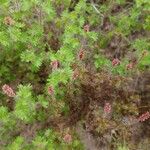
Acalypha radians
Cardinal's feather
Care Guide
💧 Water
☀️ Light Full sun
Cardinal's feather is a sun-loving, perennial herbaceous plant native to open habitats and commonly found thriving in meadows and grasslands. It prefers full sun but can also tolerate partial sun.
What are the sunlight requirements for Cardinal's Feather?
Cardinal's Feather, also known by its botanical name Acalypha radians, requires specific light conditions for optimal growth. Full sun, defined as more than 6 hours of sunlight daily, is essential for the health and vigor of this plant. However, it can also tolerate partial sun, which means about 3-6 hours of sunlight a day. It's important to observe the movement of sunlight through your garden to find spots that offer a perfect balance of light and shade, ensuring your Cardinal's Feather thrives.
🌡️ Temperature 20–37.8°C
Cardinal's feather comes from tropical regions where the climate is generally warm and humid. As a result, it is suited to high temperatures and humidity. It does not tolerate sudden temperature changes and prefers a stable thermal environment, so avoiding temperature fluctuations indoors is important. It usually cannot withstand cold and needs higher temperatures to grow. If the environmental temperature falls too low, the plant may stop growing or even die.
What is the botanical name of Cardinal's feather?
The botanical name of Cardinal's feather is Acalypha radians. This plant is known for its distinctive features, although specific details such as its essentials and symptoms when dealing with it have not been provided.
💨 Humidity
🪴 Soil 6-7
🌱 Fertilizer
Proper fertilization is essential for the health and appearance of Cardinal's feather. Fertilize Cardinal's feather in summer, repeating the treatment monthly throughout the season. Nutrients fuel growth and preserve the plant's parts. Fertilization improves Cardinal's feather's flower display, ensuring the best blooms.
🪴 Pot & Repot
✂️ Pruning
To ensure the health and beauty of a Cardinal's Feather plant, it is best to prune it in early spring before new growth begins. Start by removing any dead branches and trimming back overgrown areas to maintain the plant's shape and density. Regular pruning improves air circulation, which helps reduce the risk of disease. For optimal results, use clean, sharp tools. This will promote lush growth throughout the season.
🌿 Propagating
🐛 Diseases & pets
☠️ Toxicity
Characteristics
- Plant Type
- Herb
- Life Cycle
- Perennial
- Genus
- Acalypha
- Family
- Euphorbiaceae
- Hardiness Zone
- 10-12
- Mature Height
- 0 cm to 30 cm
- Mature Spread
- 30 cm to 46 cm
- Leaf Color
- Green, Dark Green
- Leaf Type
- Deciduous
- Flower Color
- Red
- Flower Size
- 0.51 cm to 1.02 cm
- Bloom Time
- All year round
- Planting Time
- Spring, Summer
- Harvest Time
- All year round
- Native Area
- Mexico