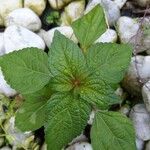
Acalypha virginica
Virginia copperleaf · Mercuryweed · Wax Balls · Virginia Three-Seed-Mercury · Virginia three-seeded-mercury
Description
Source: leafsnapAcalypha virginica, commonly known as Virginia copperleaf, is a perennial herbaceous plant that belongs to the Euphorbiaceae family. Native to the eastern United States, it thrives in moist woodlands, meadows, and along stream banks. The plant typically reaches up to 3 feet in height and exhibits a bushy appearance with bright green, ovate leaves that have serrated edges. These leaves are arranged alternately on the stem. The flowers of Acalypha virginica are small, inconspicuous, and greenish-yellow in color. Virginia copperleaf serves as an important food source for various wildlife species such as deer, rabbits, birds, and butterflies. Additionally, it possesses medicinal properties, with traditional uses for treating ailments such as fever and inflammation due to its beneficial compounds. Overall, Acalypha virginica, with its bright green foliage, is an attractive plant that can be a valuable addition to any garden or landscape design project.
🌳 Virginia threeseed mercury might not be a main attraction in most botanical gardens, yet this modest plant plays an important part in ecological restoration projects. Its capacity to succeed in disturbed soils makes it a strong option for reclaiming and stabilizing sites that have undergone environmental degradation. Although not widely known for use in products, virginia threeseed mercury's resilience and ecological flexibility point to potential roles in developing sustainable land management practices and creating green spaces in urban areas.
🎭 Overgrown, useful, wholesome
Care Guide
💧 Water Every 7 days
Virginia threeseed mercury thrives in the moist, dappled sunlight conditions commonly found in deciduous forests. This plant prefers moderate humidity and can tolerate drought once it is established. To maintain optimal soil moisture, water it weekly, and provide extra water during extended dry spells to mimic its natural habitat.
How should I water my Virginia threeseed mercury plant?
There are a few different ways to water Virginia threeseed mercury. You can use a garden hose with a spray nozzle, a watering can, or any common watering tool. This plant doesn't have specific preferences for the type of water it receives, so rainwater, tap water, or filtered water will all work fine. It's generally not recommended to water this plant from overhead because it can damage the leaves and flowers and potentially cause disease. Instead, a drip irrigation system is often the best option, as it applies water evenly and directly to the soil. If you have a Virginia threeseed mercury growing in a container, you can use a cup, watering can, or your tap to water it by applying water directly to the soil.
What should I do if I give too much or too little water to my Virginia threeseed mercury plant?
To prevent underwatering your Virginia threeseed mercury, simply water it more regularly when you notice it lacks moisture. Overwatering, however, can be more serious as it can lead to diseases and the decline of your plant. To avoid this, choose a sunny location with good drainage to prevent waterlogging. If you accidentally overwater a potted Virginia threeseed mercury, consider transferring it to a new pot with better drainage and loose soil.
How often should I give water to my Virginia threeseed mercury plant?
To properly care for Virginia threeseed mercury, it is important to water the plant regularly throughout the growing season. Initially, in spring, watering once a week is sufficient. However, as the season progresses and temperatures rise, you may need to increase watering to two or three times a week. It is crucial not to exceed this frequency as it can be harmful to the plant. Regardless of how often you water, make sure the soil remains moist but not overly wet. Watering Virginia threeseed mercury in a pot requires a slightly different approach. Generally, you will need to water more frequently compared to plants in the ground. This is because the soil in a pot heats up and dries out faster. For container-grown Virginia threeseed mercury, watering a few times per week is usually necessary, whereas an in-ground plant only needs watering once a week.
How much water does my Virginia threeseed mercury plant need?
To determine how much water to give your Virginia threeseed mercury, there are a few options. Some gardeners prefer to feel the soil for moisture and water until the first six inches are moist. Alternatively, you can use a specific measurement, like two gallons per week, depending on temperature and soil dryness. However, be cautious with strict guidelines as overwatering may occur if your plant needs less. If growing in a container, a different method is needed. Water enough to moisten all dry soil layers, which can be tested by sticking your finger in the soil or observing excess water drainage.
How do I know if I'm giving enough water to my Virginia threeseed mercury plant?
It can be somewhat difficult to avoid overwatering your Virginia threeseed mercury. On one hand, you need to moisten the soil weekly due to their deep roots. However, these plants are highly prone to root rot and browning if overwatered. In contrast, underwatering is less common for Virginia threeseed mercury as they can survive without supplemental watering for a while. However, if you wait too long to water them, they will likely wilt and develop dry leaves.
☀️ Light Partial sun
Virginia threeseed mercury does best in places where sunlight is diffused or scattered. It can grow in full sun or in shaded locations. Too little light can inhibit growth, while too much may cause leaves to scorch. Its tolerance at various stages of growth depends on the level of light exposure.
What are the sunlight requirements for Virginia threeseed mercury?
Virginia threeseed mercury requires varying amounts of sunlight depending on the stage of its growth. It needs partial sun, defined as about 3-6 hours of sunlight, and can also thrive in both full sun and full shade, with full sun meaning the plant would receive more than 6 hours of sunlight. The happiness of your plants depends on finding the perfect balance of light and shade in your garden, as sunlight patterns change throughout the day.
How does insufficient or excessive sunlight affect Virginia threeseed mercury?
Virginia threeseed mercury adapts well to different light exposures, from filtered sunlight to complete sun or shade. However, insufficient light can stunt the plant's growth, while too much sunlight could risk leaf scorching. It's essential to monitor light exposure throughout the plant's growth stages to ensure optimal health and development.
How can artificial lighting benefit indoor Virginia threeseed mercury plants?
Indoor Virginia threeseed mercury plants can greatly benefit from artificial lighting, especially when natural sunlight is insufficient, such as in winter or in less sunny spaces. Using the right type of artificial light, like LED lights, can provide the specific wavelengths your plants need. The amount of artificial light required varies: 30-50W/sq ft for full sun plants, 20-30W/sq ft for partial sun plants, and 10-20W/sq ft for full shade plants. Position the light source 12-36 inches above the plant and ensure it receives 8-12 hours of light per day to mimic natural daylight conditions.
What are some common symptoms of improper light exposure in Virginia threeseed mercury?
Improper light exposure in Virginia threeseed mercury can cause a variety of symptoms. Insufficient light may lead to small leaves, leggy or sparse growth, faster leaf drop, slower or no new growth, and lighter-colored new leaves. Excessive sunlight can cause chlorosis, sunscald, leaf curling, wilting, and leaf scorching. These symptoms help indicate whether the plant needs adjustments in its lighting environment to thrive.
What strategies can improve light exposure for Virginia threeseed mercury?
To optimize light exposure for Virginia threeseed mercury, gradually adapt the plant to its ideal light conditions. For indoor plants, shift them to sunnier spots each week or use artificial light sources, like professional grow lights, to provide necessary illumination. Outdoor plants should be moved to sunnier locations gradually to avoid sunburn. Additionally, you can reduce obstructions like trees by pruning to allow more sunlight through or transplant smaller plants to sunnier spots during their dormant period, ensuring they receive ample light and good drainage.
🌡️ Temperature 5–32.2°C
Native to temperate environments, virginia threeseed mercury prefers temperatures from 68 to 95 °F (20 to 35 ℃). For optimal health, maintain consistent temperatures. Seasonal adjustments may be necessary to mimic its natural habitat.
What is the optimal temperature range for Virginia threeseed mercury?
Virginia threeseed mercury thrives in temperate environments and prefers a temperature range of 68 to 95 °F (20 to 35 ℃). To ensure the plant's optimal health, it's important to keep temperatures within this range as consistent as possible, making seasonal adjustments to imitate its natural habitat.
How does Virginia threeseed mercury handle cold conditions?
Virginia threeseed mercury exhibits strong cold resistance, typically negating the need for special frost protection measures during winter. However, if temperatures are expected to fall below the growth limit temperature, it's crucial to provide cold protection by covering the plant with materials like soil or straw. Additionally, watering the plant abundantly before the first freeze of autumn helps keep the soil moist, aiding in drought prevention and water scarcity through winter and early spring.
What are the symptoms and solutions for Virginia threeseed mercury in low temperatures?
Virginia threeseed mercury is cold-tolerant, yet it thrives best above its suitable growth minimum temperature and should be kept above its tolerable growing minimum during winter. Exposure to temperatures below the growth limit may not show immediate changes during winter but might result in decreased or absent sprouting in spring. The solution for affected plants in spring is to remove any parts that have failed to sprout.
What are the symptoms and solutions for Virginia threeseed mercury in high temperatures?
During summer, it's crucial to keep Virginia threeseed mercury below its suitable growth maximum temperature. Exceeding its tolerable growing maximum can lead to leaves becoming lighter, prone to curling, susceptible to sunburn, and, in severe cases, the entire plant wilting and drying out. Remedies include trimming sunburned and dried-up parts, relocating the plant to a shaded area or using a shade cloth, and watering in the morning and evening to maintain soil moisture.
💨 Humidity normal (40-60%)
This plant will thrive in moderate humidity, which is probably the level in your home. However, misting it a few times a week can be very beneficial. Make sure the room has good ventilation.
🪴 Soil 6-7
🌱 Fertilizer
Virginia threeseed mercury benefits from regular, light applications of fertilizer to encourage healthy leaf growth. You should apply fertilizer about once a month during the summer. Nitrogen is essential for foliage, and providing nitrogen-rich sources helps Virginia threeseed mercury thrive.
🪴 Pot & Repot
✂️ Pruning
🌿 Propagating
🐛 Diseases & pets
☠️ Toxicity
Characteristics
- Plant Type
- Herb
- Life Cycle
- Annual
- Genus
- Acalypha
- Family
- Euphorbiaceae
- Hardiness Zone
- 5-8
- Mature Height
- 30 cm
- Mature Spread
- 30 cm
- Leaf Color
- Green, Brown, Blue
- Leaf Type
- Deciduous
- Flower Color
- Green, Yellow
- Flower Size
- 2.54 cm
- Bloom Time
- Early summer, Mid summer
- Planting Time
- Spring
- Harvest Time
- Mid summer, Late summer