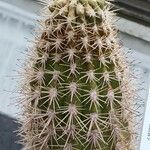
Acanthocalycium thionanthum
Description
Source: leafsnapThis cactus is best known for its beautifully shaped spikes. As the plant matures you can expect it to reach up to around 4 in. tall. The Echinopsis genus of cacti includes dozens of species from South America. This group includes large columnar cacti that were formerly in the genus Trichocereus, as well as the smaller day-flowering species that were previously classified in the Lobivia genus. The large columnar cactus is beautiful, but it is far too large for indoor cultivation, so only the smaller day-flowering species are grown indoors and are now classified in the Echinopsis genus. These are small, round cacti with sharp spines and very colorful flowers. Extensive hybridizing has been done over the years to produce a variety of flower colors. If you see a small, tubular cactus in the garden center with a Lobivia label, it is most likely an Echinopsis.
Care Guide
💧 Water Every 10-14 days
Allow the soil mix to become nearly dry between waterings, but then water thoroughly. Immaculate drainage is essential, so never let the pots sit in water. Suspend watering in the winter, but mist occasionally.
☀️ Light
🌡️ Temperature
💨 Humidity
🪴 Soil
🌱 Fertilizer
During the growing season, fertilize with a cactus fertilizer mix. Suspend feeding during the dormant winter period.
🪴 Pot & Repot
✂️ Pruning
🌿 Propagating
🐛 Diseases & pets
☠️ Toxicity
Characteristics
- Plant Type
- Cactus
- Genus
- Acanthocalycium
- Family
- Cactaceae