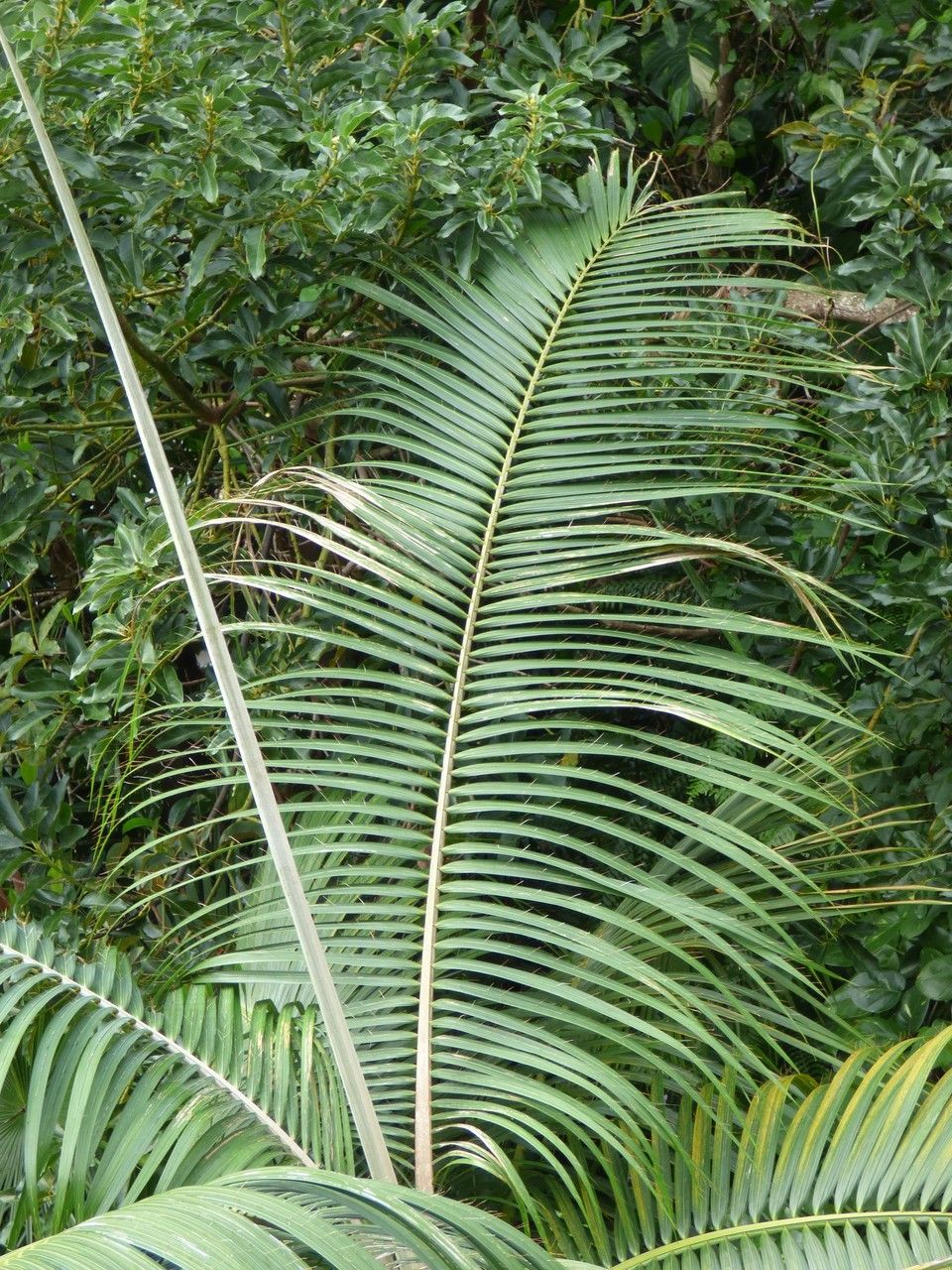
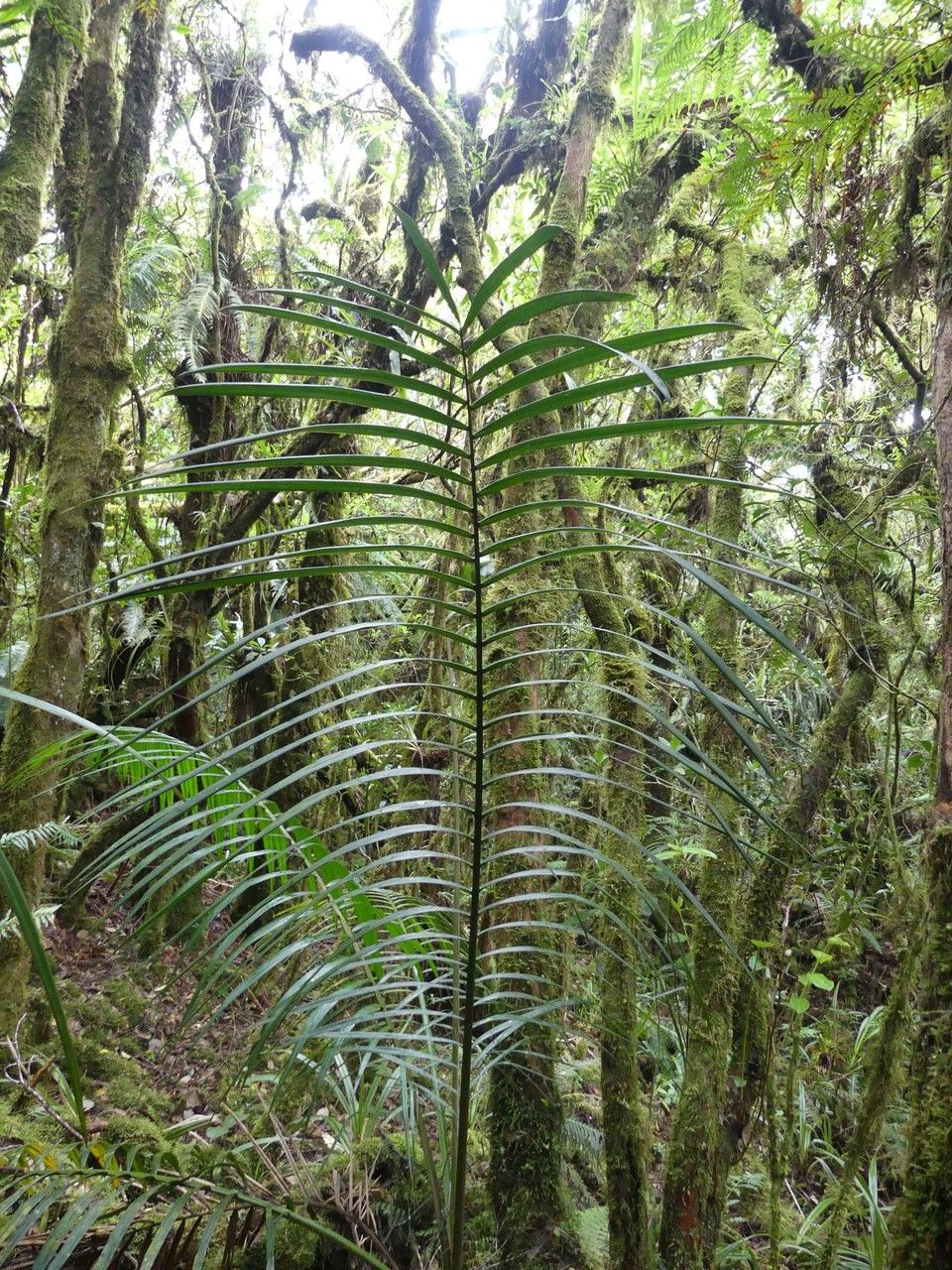
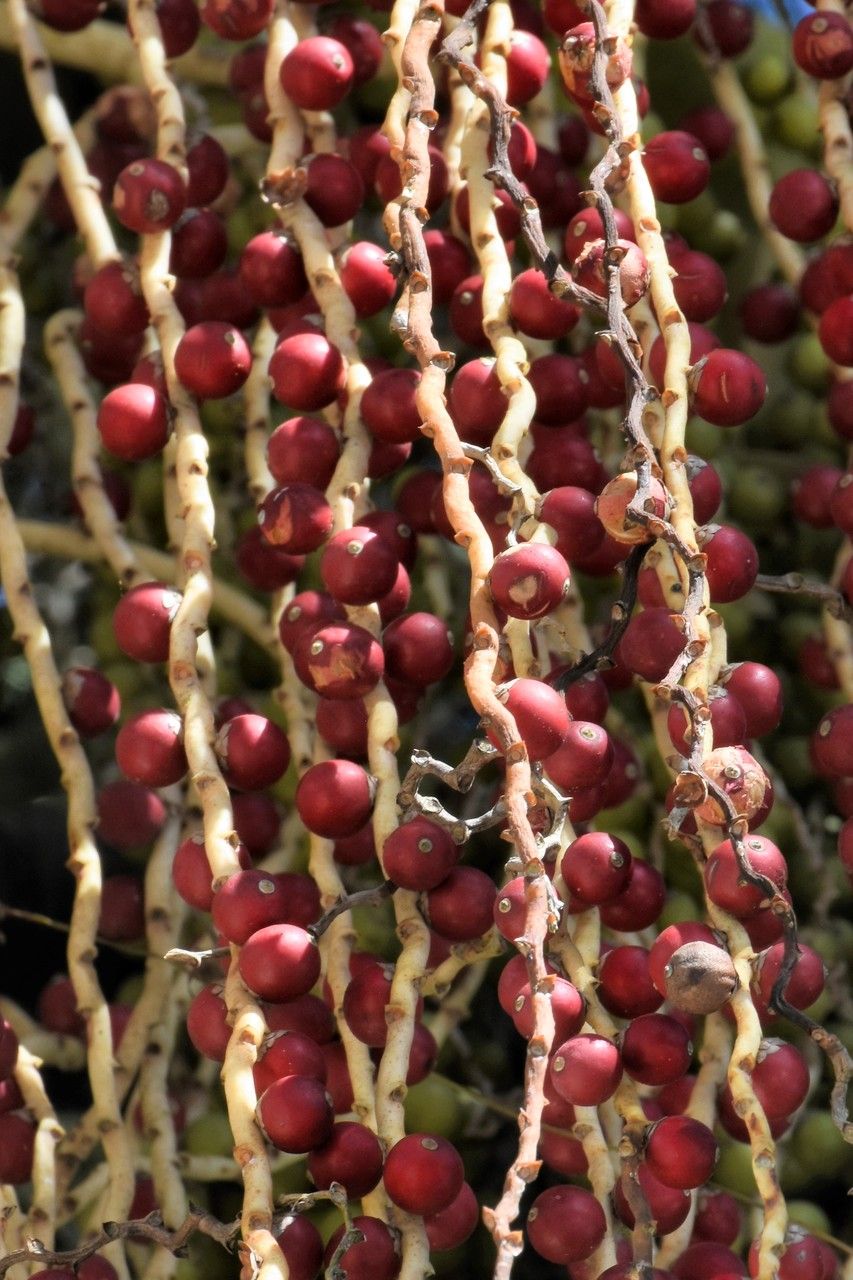
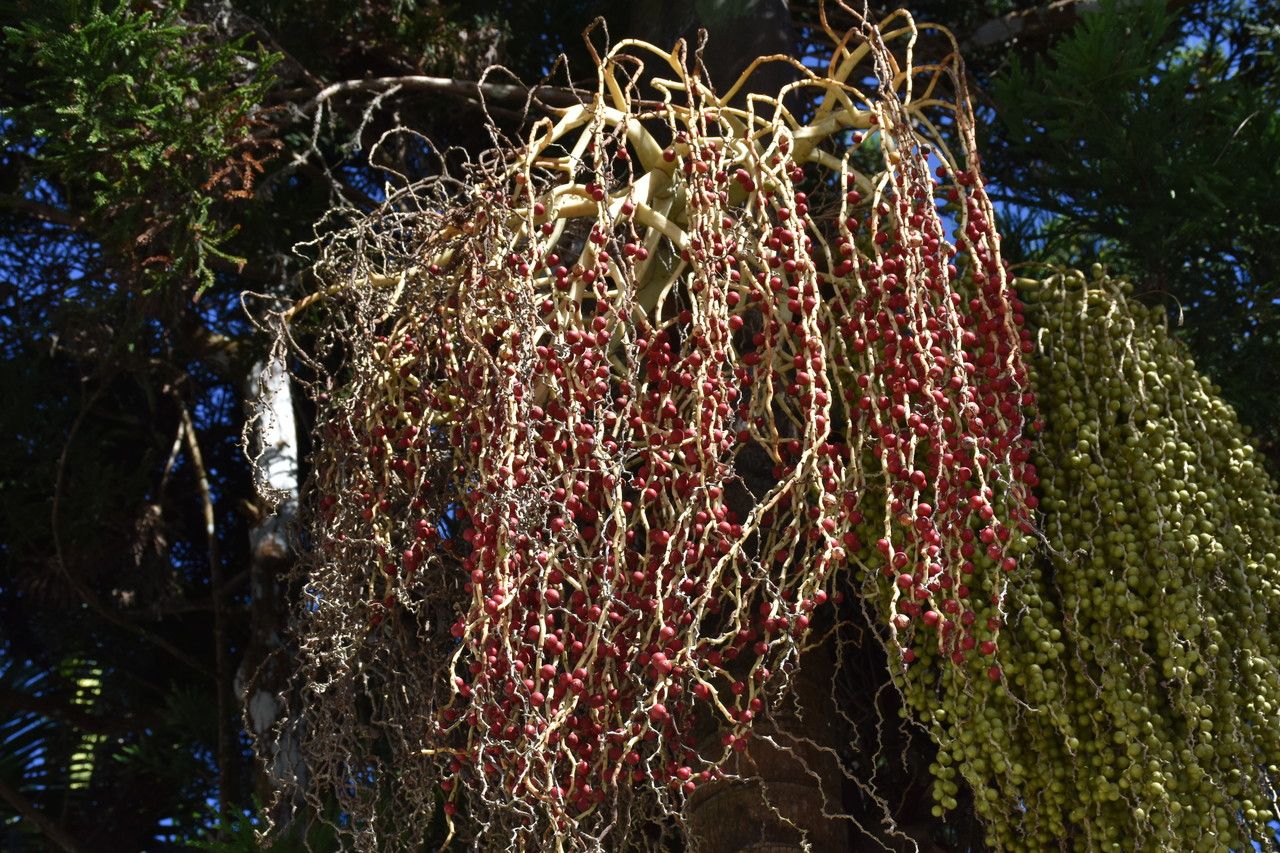
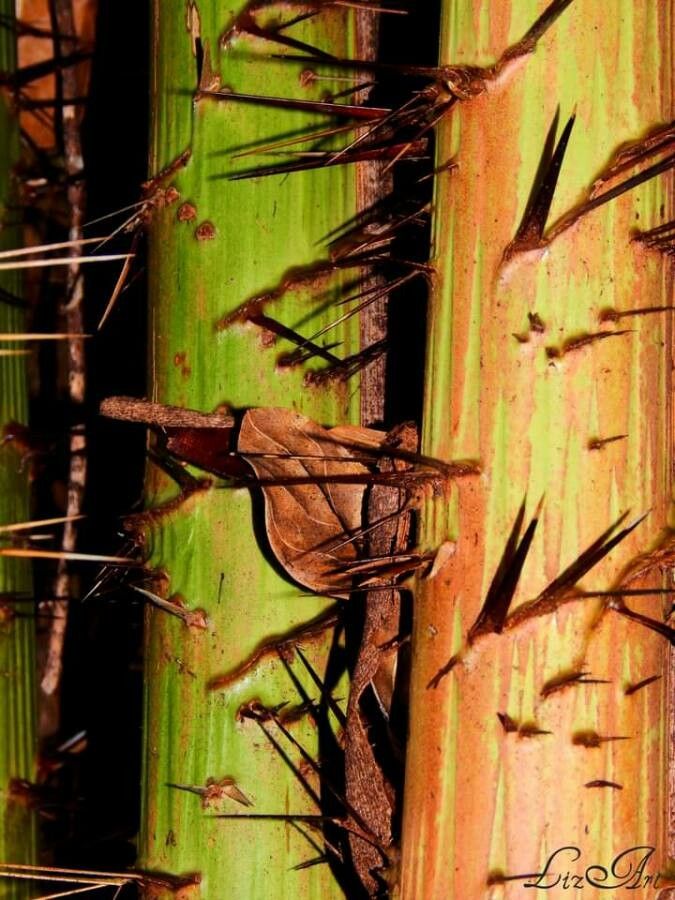
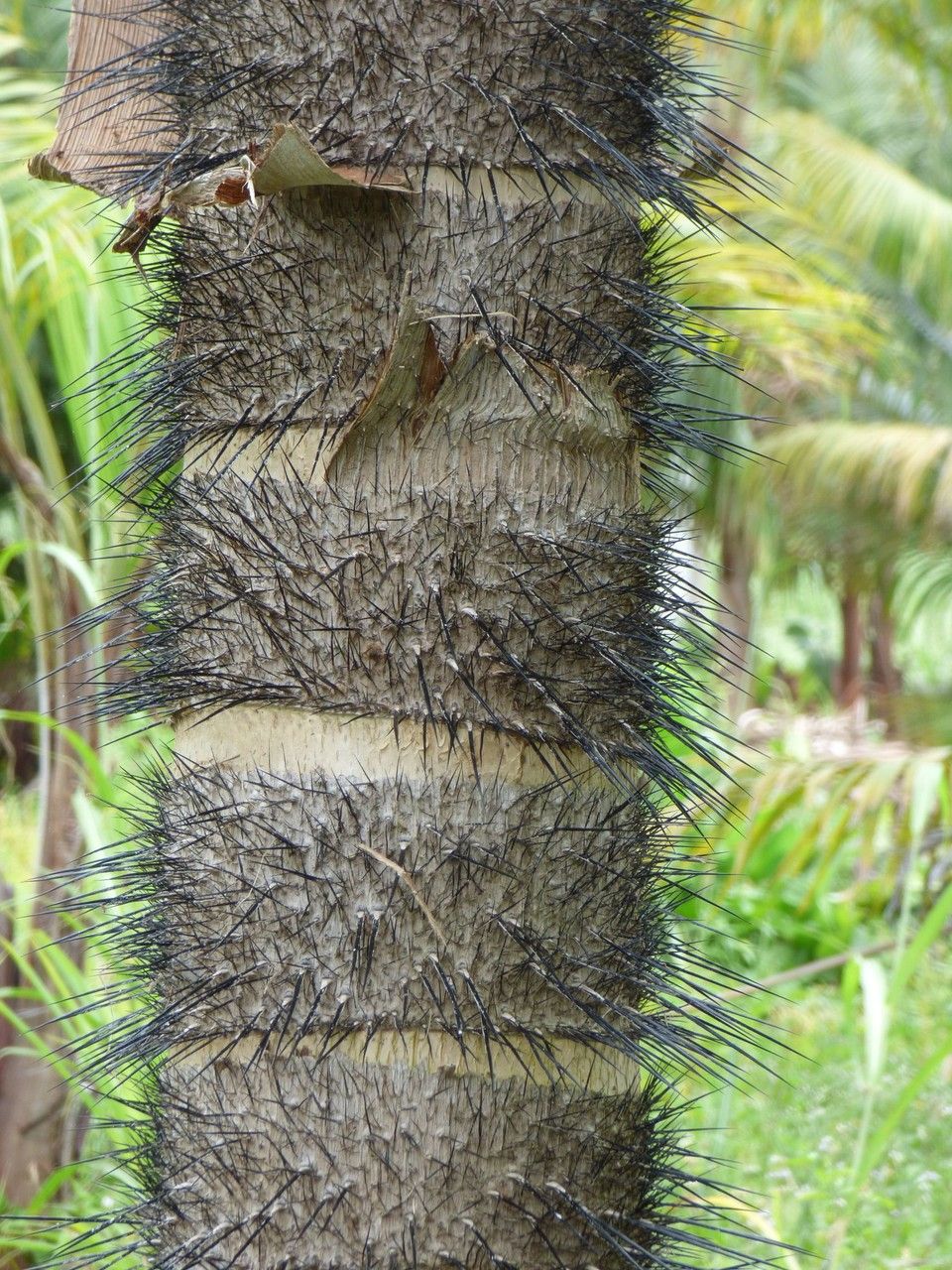
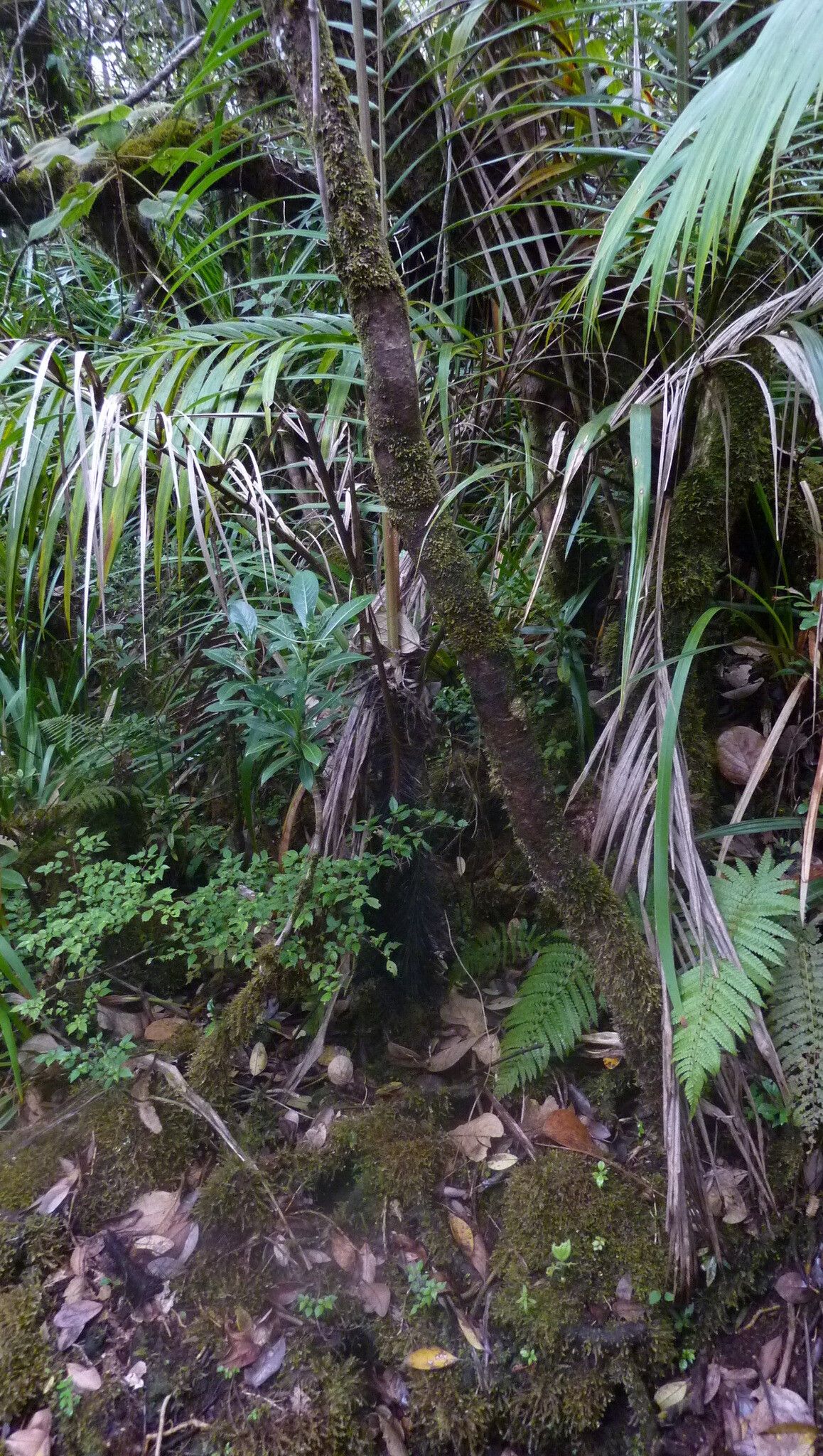
Acanthophoenix rubra is a species of palm tree native to the island of Mauritius in the Indian Ocean. It is a slow-growing, solitary palm that can reach up to 15 meters in height. The trunk is slender and smooth, with a diameter of up to 30 centimeters. The leaves are pinnate and can grow up to three meters long, featuring numerous leaflets arranged on either side.
The plant produces small flowers that are yellow or greenish-yellow and grow on long inflorescences. These flowers give way to small red or orange fruits, each containing one seed.
Acanthophoenix rubra prefers well-drained soil and partial shade, although it can tolerate full sun if provided with sufficient water. It is also tolerant of salt spray and wind, making it suitable for coastal areas.
The species has been heavily exploited for its ornamental value and its wood, which has been used for construction purposes. As a result, it has become endangered in its native habitat due to habitat loss from deforestation.
Conservationists have made efforts to protect Acanthophoenix rubra by establishing protected areas where it can thrive without human interference. Additionally, seed propagation programs have been initiated to increase its numbers both locally and internationally as an ornamental plant. Its unique features, such as its red fruits, make it stand out among other palm tree varieties worldwide.
Red palm possesses strong disease resistance and is generally not susceptible to illnesses. Regarding care, this plant is fairly low-maintenance. When grown outdoors it needs little watering, and larger specimens typically do not require pruning. Smaller plants, however, should be pruned once they have finished blooming. Red palm is appropriate for anyone with an outdoor area, such as a garden or deck, and does not demand extensive care experience.
How to keep Acanthophoenix Rubra.
Light
Red palm comes from open habitats, like sunny meadows and forest edges, that provide ample light. It does best in Full Sun but can also tolerate Partial Sun, adapting well to different sunlight conditions.
Humidity
This plant will thrive in moderate humidity, which is probably the level in your home. However, misting it a few times a week can be very beneficial. Make sure the room has good ventilation.
Temperature
Red palm comes from tropical areas, where the weather is usually warm and humid. Consequently, it is well-suited to high temperatures and moisture. It is sensitive to sudden changes in temperature and prefers a stable thermal environment, so indoor temperature fluctuations should be avoided. It typically cannot tolerate cold and needs higher temperatures to grow. If the surrounding temperature falls too low, the plant may stop growing or even die.
Fertilizer
Fertilize your Red palm in early spring to encourage healthy growth. Regular feeding improves overall health, producing vigorous growth, greater tolerance of harsh conditions, and enhanced resistance to diseases and pests. Keep a consistent fertilization schedule for your Red palm to preserve vibrant, deeply colored foliage and a lush appearance.
Botanical profile.
- Plant Type
- Palm
- Life Cycle
- Perennial
- Genus
- Acanthophoenix
- Family
- Arecaceae
- Hardiness Zone
- 10-12
- Mature Height
- 10.06 m to 14.94 m
- Mature Spread
- 3.05 m to 4.88 m
- Leaf Color
- Dark Green
- Leaf Type
- Evergreen
- Flower Color
- White, Cream
- Flower Size
- 0.51 cm to 0.76 cm
- Bloom Time
- Summer
- Planting Time
- Spring, Summer
- Harvest Time
- Late summer, Early fall, Mid fall
Other names.