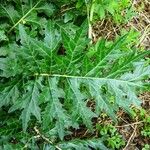
Acanthus spinosus
Spiny bear's-breeches · Spine acanthus · Spiny Bear's-breech · Spiny acanthus · Prickly bearsbreech
Description
Source: leafsnapAcanthus spinosus, commonly known as spiny bear's breeches, is a perennial herbaceous plant that belongs to the Acanthaceae family. Native to the Mediterranean region, it can be found in various parts of Europe and Asia. The plant grows up to 1 meter in height and features deeply lobed leaves with spiny edges. Its flowers, which are white or pinkish-purple, are arranged in spikes that can also reach up to 1 meter long. Acanthus spinosus is a popular ornamental plant due to its attractive foliage and flowers. It thrives in well-drained soil and can be grown in full sun or partial shade. The plant requires moderate watering during its growing season but can tolerate drought conditions once established. In traditional medicine, Acanthus spinosus has been used to treat fever, inflammation, and digestive disorders. Its leaves are known for their anti-inflammatory properties. Overall, Acanthus spinosus is a beautiful ornamental plant with medicinal benefits, making it an interesting addition to any garden or landscape design project.
Care Guide
💧 Water Every 7 days
The spiny bear's breech, a plant native to Mediterranean woodlands, thrives in drought-prone areas and prefers dry conditions. It requires the soil to dry out between waterings, ideally being watered once a week. Its deep roots enhance resilience during periods of sporadic rainfall, making it well-suited for outdoor growth due to its size and spiky foliage.
How should I water my Spiny bear's breech plant?
When caring for the Spiny bear's breech plant, it is important to use filtered water at room temperature. Tap water may contain harmful particles that can affect the plant's health. The water temperature should be warm to mimic the plant's natural environment and avoid shocking its system. It is best to avoid overhead watering as it can cause problems with the foliage. Instead, gently pour the filtered water onto the soil until it is thoroughly soaked. This helps keep the roots moist and allows them to spread and gather essential nutrients in the soil.
What should I do if I give my Spiny bear's breech too much water or too little water?
Both overwatering and underwatering can harm the health of your Spiny bear's breech, but overwatering is more likely to occur. When this species gets too much water, its stems and leaves may wilt and turn yellow. Overwatering for a long time can also lead to root rot, mold, and mildew, which can kill your plant. Underwatering is less common because the Spiny bear's breech can tolerate drought. However, underwatering can still happen, and you will notice brittle, brown leaves. It's important to recognize the signs of overwatering early when caring for your Spiny bear's breech. Some diseases caused by overwatering, like root rot, may not be fixable if you don't act quickly. If you see early signs of overwatering, reduce watering immediately. Check the soil quality where your plant grows. If it drains poorly, replace it with loose, well-draining potting mix. If you suspect your Spiny bear's breech isn't getting enough water, increase watering until the signs improve.
How often should I give water to my Spiny bear's breech?
If your Spiny bear's breech plant is in a pot, the most precise way to decide whether it needs water is to check the moisture level of the soil. Plunge your finger into the soil and if the top two to three inches are dry, it's time to water. If you have this plant growing outdoors in the ground, you can use a similar method to test the soil. Check the top few inches and if they are dry, it's time to water. Typically, during the spring and early fall, watering once a week is sufficient. However, in extremely hot weather, you may need to water twice or more per week. It's worth mentioning that mature, well-established Spiny bear's breech plants have a remarkable ability to withstand drought.
How much water does my Spiny bear's food need?
When watering your Spiny bear's breech, don't be afraid to give it a generous amount of water. Make sure the first two to three inches of soil are dry, then water the plant thoroughly until the soil is soaked. The water should be enough to cause excess water to drain through the pot's drainage holes. If you don't see any excess water draining, you may have not given enough water. However, avoid letting water accumulate in the soil, as it can harm the plant. In addition, if water doesn't drain properly, this could indicate poorly draining soil, which is not good for the plant's health. If the plant is outdoors, one inch of rain per week should be enough.
How do I water my Spiny bear's breech as it grows?
The water needs of the Spiny bear's breech can vary depending on its growth stages. When the plant is in its early years or has recently been transplanted, it will require more water than usual. During these stages, the plant dedicates much of its energy to developing new roots for future growth. To support their optimal performance, these newly formed roots need slightly more moisture. However, as the plant matures over several seasons, its water requirements will decrease. Additionally, during the bloom period, the Spiny bear's breech may require additional water due to the significant amount of moisture needed for flower development.
☀️ Light Full sun
Spiny bear's breech grows best in full sun, though it can tolerate places with less light. It comes from a habitat where sunlight is abundant. Too much or too little light can inhibit growth and change the color of the leaves.
What are the sunlight requirements for Spiny bear's breech?
Spiny bear's breech requires full sun exposure, which means it thrives in conditions where it receives above 6 hours of sunlight daily. However, it can also tolerate partial sun, about 3-6 hours of sunlight a day. It's essential to observe how sunlight moves through your garden over time and select planting spots that provide a favorable balance of light and shade to ensure the plants' wellbeing. Originating from sunny habitats, Spiny bear's breech can endure less sunny conditions but its growth and leaf color might be affected by too much or too little light.
How does artificial lighting benefit indoor Spiny bear's breech plants?
Indoor Spiny bear's breech plants require adequate lighting for optimal growth, particularly when natural sunlight is insufficient, like during winter or in less sunny areas. Artificial lights are an effective solution in promoting faster, healthier growth. LED lights are recommended due to their ability to be customized to provide specific wavelengths needed by the plants. Full sun plants need 30-50W/sq ft of artificial light, partial sun plants need 20-30W/sq ft, and full shade plants need 10-20W/sq ft. The light source should be placed 12-36 inches above the plant to mimic natural sunlight, and the duration of light exposure should match natural daylight hours, typically 8-12 hours per day.
What are the signs of light deficiency in Spiny bear's breech?
Symptoms of light deficiency in Spiny bear's breech include smaller new leaves, leggy or sparse growth, faster leaf drop, slower or no new growth, and lighter-colored new leaves. These symptoms indicate the plant is not receiving enough sunlight, crucial for its development and health. Additionally, chlorosis, sunscald, leaf curling, wilting, and leaf scorching can occur due to inappropriate light levels affecting the plant's ability to photosynthesize and maintain hydration, leading to potential damage and reduced overall health.
How can you improve growth in Spiny bear's breech with insufficient light?
To enhance growth in Spiny bear's breech suffering from insufficient light, gradually increase its sun exposure to at least 6 hours of direct sunlight daily. This can be done by moving the plant to a sunnier location each week or utilizing artificial lighting, such as desk lamps or professional grow lights, for at least 8 hours daily. For outdoor plants, carefully transition them to areas with more sunlight to prevent shock. Consider reducing obstructions like overhanging branches. If needed, transplant smaller plants during their dormant period into spots with more sunlight and better drainage. Note that parts of the plant damaged by low light may not recover, but new growth should be healthy after adjusting light levels.
🌡️ Temperature 5–35°C
Spiny bear's breech occurs naturally in areas with moderate warmth, preferring temperatures of 68 to 95 °F (20 to 35 ℃). Make adjustments as the seasons change, supplying additional shade when temperatures climb above its comfort range.
What are the ideal temperature conditions for Spiny bear's breech?
Spiny bear's breech thrives in moderate heat environments, with an ideal temperature range of 68 to 95°F (20 to 35°C). To maintain its health, it's important to adjust the plant's exposure to the sun as seasons change, especially providing more shade during periods of extreme heat that exceed its comfort zone. Despite its strong cold resistance, during the winter, protective measures should be taken if temperatures are expected to drop below -25°C by covering the plant with insulating materials such as soil or straw. Additionally, watering the plant abundantly before the first freeze of autumn is recommended to keep the soil moist and help prevent drought stress during the winter and early spring.
How should I care for Spiny bear's breech in low temperatures?
Spiny bear's breech is notably cold-tolerant and generally thrives best when temperatures remain above 20°C. During winter, it is important to ensure the temperatures do not fall below 0°C. In severe cold, specifically when temperatures drop below -25°C, the plant might not show immediate damage but can experience decreased sprouting or fail to sprout at all in the spring. The solution for this is quite straightforward: in spring, remove any parts of the plant that have failed to sprout to promote new growth and maintain the plant's health.
What steps should be taken if Spiny bear's breech is exposed to high temperatures?
During the summer months, Spiny bear's breech should ideally be kept in conditions below 35°C to avoid stress. Exposure to temperatures above 38°C can cause the leaves to lighten in color, become prone to curling, suffer sunburn, and in severe cases, the plant may wilt and dry out completely. To mitigate these issues, trim away any sunburned or dried-up parts of the plant. Relocate the plant to a spot that offers shade during the midday and afternoon sun, or use a shade cloth. Ensure regular watering in the morning and evening to keep the soil moist, aiding in the plant's recovery and continued health.
💨 Humidity normal (40-60%)
This plant will thrive in moderate humidity, which is probably the level in your home. However, misting it a few times a week can be very beneficial. Make sure the room has good ventilation.
🪴 Soil 6-7
🌱 Fertilizer
The ideal time to fertilize a Spiny bear's breech is in early spring, when it is coming out of dormancy and beginning active growth. Fertilization supplies key nutrients for healthy growth. Although Spiny bear's breech has relatively low fertilizer requirements, applying fertilizer annually can enhance its survival and encourage better, longer-lasting flowers.
Why should I put fertilizer on my Spiny bear's breech?
Fertilization is important for the Spiny bear's breech for several reasons. It provides key nutrients that help the plant grow both above and below ground. Although the Spiny bear's breech has relatively low fertilization needs, it can still survive without fertilization. However, annual fertilization can greatly benefit the plant by keeping it alive and encouraging the creation of better flowers that last longer. Therefore, those wanting to enhance the appearance of their Spiny bear's breech should prioritize annual fertilization.
When should I fertilize my Spiny bear's breech plant?
The best time to fertilize a Spiny bear's breech is in late winter to early spring. This is when the plant is coming out of dormancy and starting to grow actively. Fertilizing during this time promotes healthy growth and gives the plant a great start for the season. Although it is generally best to fertilize in early spring, it is also okay to fertilize in the fall. However, it is not recommended to fertilize during summer or winter.
When is it best to not put fertilizer on my Spiny bear's breech?
It is best to fertilize your Spiny bear's breech plant only in late winter and early spring. This plant does not need frequent fertilization, so a single annual feeding is sufficient. Overfertilizing during spring, summer, and fall can cause problems, unless you didn't fertilize in spring, then it's fine to feed it in fall. It's also not necessary to fertilize during winter, as the plant is dormant and not growing during this time.
What kind of fertilizer does my Spiny bear's breech need?
To successfully fertilize a Spiny bear's breech, you can use any general-purpose fertilizer that contains a balanced amount of the three main plant nutrients. However, there are specific nutrient blends that can be even more beneficial. For example, many gardeners believe that higher levels of phosphorus lead to stronger roots and better flowers. Since the Spiny bear's breech is a flowering plant, using a fertilizer with a higher phosphorus content might be the best approach. Whether you choose granular or liquid fertilizer, ensure that it contains ample nutrients. In addition to manufactured fertilizers, you can also enhance the soil for your Spiny bear's breech by using organic methods such as compost, manure, and similar materials. These will help create a healthy growing medium for your plant.
How can I give my Spiny bear's breech fertilizer?
To fertilize a Spiny bear's breech, the most common method is to use granular or pellet fertilizer, which should be applied to the soil around the plant. It's important to note that the best time to fertilize is when the plant is transitioning from its winter dormant phase to active growth. In early spring, once you see shoots emerging from the soil, you can start applying the fertilizer. Alternatively, some people opt for liquid fertilizer, which should be diluted with water before using. Regardless of the type of fertilizer you choose, it's always recommended to ensure that the soil is moist before, during, and after applying the fertilizer.
🪴 Pot & Repot
✂️ Pruning
Pruning spiny bear's breech from early to late spring is beneficial for the plant. This process involves trimming back old flower stalks and removing damaged leaves, which encourages new growth, stronger stems, and vibrant blooms. Regular maintenance helps prevent overcrowding, boosts the plant's vitality, and ensures that tools are clean to avoid infections.
🌿 Propagating
🐛 Diseases & pets
☠️ Toxicity
Bear’s breeches are a non-toxic flowering perennial for people and pets. It is completely safe if ingested and has even been considered as medicinal plants over the years.
Characteristics
- Plant Type
- Herb
- Life Cycle
- Perennial, Annual
- Genus
- Acanthus
- Family
- Acanthaceae
- Hardiness Zone
- 5-9
- Mature Height
- 0.91 m to 1.22 m
- Mature Spread
- 0.91 m to 1.22 m
- Leaf Color
- Green
- Leaf Type
- Deciduous
- Flower Color
- White, Lavender
- Flower Size
- 2.54 cm to 7.62 cm
- Bloom Time
- Early summer, Mid summer
- Planting Time
- Spring, Summer, Autumn
- Harvest Time
- Late summer, Early fall
- Native Area
- Turkey, Italy, Bulgaria, Montenegro, Albania, Greece, Croatia