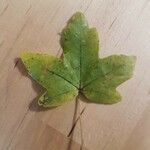
Acer campestre
شیردار از خانواده افرا · Field Maple · Hedge maple · Common maple · Maser
Description
Source: leafsnapAcer campestre, commonly known as the field maple, is a deciduous tree species native to Europe and western Asia. Belonging to the Sapindaceae family, this tree can grow up to 20 meters in height and features a dense, rounded crown. Its bark is gray-brown with shallow fissures, adding to its distinctive appearance. The leaves of Acer campestre are small, lobed, and have five distinct points. They are green during the summer months but turn yellow or reddish-brown in autumn before falling off for winter dormancy. In April to May, the field maple produces small yellow-green flowers that bloom and eventually give way to winged fruits known as samaras, or "helicopters." Each fruit contains a single seed that can be dispersed by wind over long distances. Acer campestre thrives in well-drained soils but is adaptable to various soil types, including clay. It also grows well in full sun or partial shade conditions, making it an excellent choice for urban landscapes such as parks and gardens. Beyond its ornamental value, Acer campestre has several practical uses. Its hard wood is used for timber production and furniture making. Traditionally, its leaves have been used for medicinal purposes due to their anti-inflammatory properties. In summary, Acer campestre is an attractive deciduous tree that offers both aesthetic value and practical uses, making it a popular choice among gardeners worldwide.
💡 The field maple is a popular choice for bonsai enthusiasts because it responds well to significant leaf reduction, reducing the leaves to about a third of their normal size. Its leaves are sturdier than those of many other maple species, and its roots can withstand frequent pruning. The fibrous root system and the structure of its stems make the field maple particularly well-suited for bonsai cultivation.
🌳 More than just a source of shade and decoration, the field maple is grown for its sturdy timber, valued in furniture making and woodcraft for its durability. Folklore adds interest; in some cultures, field maple wood has traditionally been used to make musical instruments, adding a natural musical element to human celebrations.
🎭 Fortune-telling, Affection, Reticence, Withdrawal, Brings together
Care Guide
💧 Water Every 7 days
Field maple thrives in consistently moist conditions, but it is also quite drought-tolerant once it is established. To maintain the soil's moisture balance, water the tree every three weeks. Since field maple is deciduous, its water requirements change with the seasons and natural leaf cycles, especially when it is grown outdoors and exposed to natural rainfall.
What is the most effective way to water my Field maple tree?
To ensure excellent root development in your plants, place a garden hose at the plant base instead of spraying the leaves directly. If your plants are outdoors and exposed to direct sunlight, the leaves will need more watering. You can use bubblers to moisten the roots of each plant, or soaker hoses that cover the entire garden or bed when adding or removing plants to ensure deep root growth. After watering, drain any excess water and allow the soil to dry before watering again. Water at ground level to avoid diseases. On sunny days, consider spraying the entire bush with water. Whether your plants are potted or in-ground, remember that Field maple prefers deep watering instead of light sprinkling.
What do I do if I give too much or too little water to the Field maple tree?
An overwatered Field maple can display several symptoms such as yellowing, dropping, and wilting leaves. Additionally, the plant may appear dull and unhealthy, with mushy stems. When these signs start to show, it is best to adjust your watering schedule accordingly. Wilting can also be a sign of under watering, which is indicated by crispy and dry leaves. In such cases, check the soil for dryness and provide enough water to fully saturate it. While this will help the Field maple recover, it may still exhibit dryness and yellowing of leaves due to root system damage. Once the plant returns to normal, the yellowing will stop. When growing Field maple indoors, always check the moisture levels and avoid overwatering. Look for signs of black spots, in which case let the soil dry out for a few days before watering again. Overwatering can lead to root rot, so if discolored and slimy roots are observed, consider transferring the plant to a different pot. It is important to prevent root rot by avoiding excessively soggy soil. When planting Field maple outdoors, dig a bit deeper and evaluate the soil moisture by feeling it with your fingers. If it is too dry, this could be a sign of underwatering, and adequate watering is needed to aid the plant's recovery.
How much should I water my Field maple?
The Field maple prefers deep, infrequent watering, especially when planted in pots. When watering, soak them in a gallon of water each time as the water storage in pots is limited, causing the soil to dry out faster. In cold regions, water every 3 to 5 days, preferably in the morning when the soil is dry. To determine if watering is needed, check the soil inside the pot. If the top 2-3 inches of soil is dry, it's time for a full watering. On hot days, check the moisture daily as the heat can quickly dry out the pot's soil. If you have a garden, irrigation of the soil is necessary. In hot climates, water once a week and only when about 2-3 inches of soil are too dry, both indoors and outdoors. Consider the rainfall as well and avoid overwatering to prevent root rot. During spring and fall, when Field maple is outdoors, add mulch about 3-4 inches deep to conserve water. Sandy soil drains faster, so plants in it require more frequent watering. On the other hand, clay soil requires less frequent watering, typically every 2-3 days to ensure the plant doesn't develop root rot. To keep track of watering dates, mark your calendar and pay attention to the leaves—drooping leaves could indicate you might be a day late with watering.
How much water should I give my Field maple?
The Field maple generally needs about a gallon of water on each schedule. For potted plants, water them deeply until you see water dripping from the bottom of the pot, then wait for the soil to dry before watering again. Use a water calculator or a moisture meter to determine the amount of water you've given your plant in a week. During the flowering period, provide plenty of water, but allow the moisture to evaporate afterwards to prevent root rot. If the Field maple is planted outdoors and receives adequate rainfall, it may not need additional watering. However, when the Field maple is young or newly planted, ensure it gets 1-2 inches of rain per week. As the Field maple continues to grow, it can rely solely on rainfall. Only during excessively hot weather or prolonged periods without rainfall (2-3 weeks), consider giving the Field maple a full watering during the cooler parts of the day to prevent it from suffering from heat damage. Additional watering will be necessary during persistent dry spells.
Do I need to change how often I water my Field maple based on the seasons or weather?
The Field maple benefits from outdoor conditions, relying on rain for watering except during extended dry periods. During the spring and fall, the soil should be kept moist, but not overly saturated, to support growth. Throughout the summer, hot weather and lack of rainfall may require more frequent watering to maintain soil moisture. In winter, the plant needs less water as it goes dormant, and a well-draining soil mixture can help with evaporation. Once the Field maple begins to leaf out and go dormant, watering can be skipped, relying on fall and winter rains. When potting the plant, ensure good drainage to prevent ponding or drought. Potted plants should be well-watered, especially in summer, but avoid cold and wet roots. Deep soaking the entire root system once or twice a week is best, avoiding shallow sprinkles that may encourage fungi growth and not reach the roots. Even during dormancy, avoid letting the plants dry out completely. Over-watering should be avoided as well, as it can be harmful, particularly in winter if the soil doesn't drain well. Using mulch can help reduce stress, conserve water, and promote healthy blooms.
☀️ Light Full sun
Field maple grows best in locations that receive plentiful, direct sunlight throughout the day. However, it can tolerate places where sunlight is present only for part of the day. Insufficient sun can lead to poor growth and greater susceptibility to disease, while excessive sun exposure may cause leaf scorch.
What are the sunlight requirements for Field Maple (Acer campestre)?
Field Maple requires full sun, which means it thrives in areas that receive more than 6 hours of direct sunlight daily. However, it can also tolerate partial sun, getting about 3-6 hours of direct sunlight. Location selection for your Field Maple should consider the movement of sunlight through your garden to ensure a good balance of light and shade, matching the plant's needs for optimal growth and health.
What are the essential growth conditions for Field Maple regarding sunlight?
Field Maple can make the most of its growth in ample, unfiltered sunlight throughout the day but is also capable of growing in places where sunlight is present only part of the day. Adequate sunlight is crucial to prevent poor growth and disease susceptibility. Conversely, too much direct sun may lead to leaf scorch. In settings where natural sunlight is insufficient, especially during winter or in less sunny spaces, artificial lighting becomes essential. LED lights are recommended because they can provide the specific wavelengths needed by plants. Full sun plants require 30-50W/sq ft of artificial light, partial sun plants need 20-30W/sq ft, and full shade plants need 10-20W/sq ft. The light source should be placed 12-36 inches above the plant, aiming to mimic natural sunlight as closely as possible, with most plants needing 8-12 hours of light per day.
What symptoms indicate a Field Maple is not receiving adequate light?
When Field Maple does not receive enough sunlight, it may show several indicators, such as smaller new leaves compared to mature ones, leggy growth as the space between leaves or stems lengthens, and earlier shedding of older leaves. Surprisingly, inadequate light can also halt leaf production entirely. Exposure to insufficient sunlight may lead the leaves to develop irregular color patterns or appear pale due to a lack of chlorophyll. Furthermore, the plant might suffer from conditions like chlorosis, where leaves lose their green color, and sunscald, which damages leaves with intense exposure. Other signs include leaf curling, wilting, and leaf scorching, indicative of stress from inadequate light exposure.
How can I address light-related issues for my Field Maple?
Addressing light-related issues with your Field Maple involves several strategies. For indoor plants, gradually increasing sunlight exposure to at least 6 hours daily or using artificial light, such as desk or ceiling lamps for 8 hours daily, can improve growth. Professional plant grow lights offer a more tailored solution, especially for larger plants. Outdoors, moving plants progressively to sunnier spots helps them adapt without risk of sunburn. It's crucial to minimize obstructions, such as pruning trees that shadow your plants, to ensure they receive sufficient sunlight. If needed, transplanting smaller plants during their dormant period to sunnier locations can effectively increase light availability. Note that parts of the plant that were previously affected by low light may not recover, but new growth should be healthy with improved light conditions.
🌡️ Temperature 5–32.2°C
Field maple originates from regions where temperatures range from 41 to 90 °F (5 to 32 ℃). It does best in moderate climates. During seasons that are colder or warmer, measures should be taken to recreate its preferred environment.
What is the native climate for Field Maple?
Field Maple (Acer campestre) is native to climates with temperatures that range from 41 to 90 °F (5 to 32 °C). It thrives best in moderate climates, ideally situated within these temperature parameters. In seasons experiencing colder or warmer temperatures, adjustments may be necessary to mimic its preferred environment, ensuring the tree's health and growth.
Does Field Maple require frost protection during winter?
Field Maple has notable cold resistance and generally does not require special frost protection measures during winter. However, in situations where winter temperatures are anticipated to fall below -25°C, it is crucial to offer cold protection to prevent damage. This is typically achieved by wrapping the trunk and branches with insulative materials like non-woven fabric or cloth. Additionally, watering the plant abundantly before the first freeze of autumn is recommended to ensure the soil remains moist and freezes, aiding in drought and water scarcity prevention during the colder months.
How does low temperature affect Field Maple, and what are the solutions?
Field Maple is cold-tolerant, optimally thriving when temperatures stay above 5°C and should remain above -20°C during winter. When temperatures fall below -25°C, you might not notice immediate changes, but come spring, the branches may turn brittle and dry, and the tree may not produce new shoots. The solution in spring involves pruning away any dead branches that have failed to produce new leaves, promoting the health and rejuvenation of the Field Maple.
What should be done if a Field Maple experiences high temperatures?
During the hotter months, it's essential to ensure the Field Maple doesn't get exposed to temperatures over 32°C. If temperatures rise above 35°C, the leaves may lighten in color, and their tips could dry out and wither, making the tree more susceptible to sunburn. To mitigate this, trim away any sunburned and dried parts of the plant. Relocating the plant to a shaded area or using shade cloth to protect it from the midday and afternoon sun can be beneficial. Also, watering the tree during the morning and evening helps keep the soil moist and supports overall plant health.
💨 Humidity normal (40-60%)
This plant will thrive in moderate humidity, which is probably the level in your home. However, misting it a few times a week can be very beneficial. Make sure the room has good ventilation.
🪴 Soil 6-7
🌱 Fertilizer
Timing is essential when fertilizing Field maple. Apply fertilizer in early spring and continue monthly until early summer. Fertilizer helps produce attractive blooms and supplies energy during both dormant and active growth phases.
Why do I have to put fertilizer on my Field maple?
No matter what type of Field maple you have, regularly fertilizing it will promote overall plant health. Providing the right nutrients will encourage stronger growth and increase its ability to withstand challenging conditions, while also improving its defenses against diseases and pests. Since the foliage of your Field maple is a key feature, it's important to maintain it by following a consistent fertilization schedule tailored to your specific tree. By doing this, you'll ensure that your Field maple produces vibrant, lush leaves with a deep, attractive color.
When should I fertilize my Field maple?
To keep your Field maple healthy and promote growth, it is best to fertilize it in late winter or early spring. This first application of fertilizer gives the tree the necessary nutrients it needs to thrive once the weather warms up. In warm climate regions, it can be beneficial to provide an additional fertilizer feeding in early fall. This helps replenish the soil with nutrients for the upcoming growing season and makes the tree more resilient to winter cold, reducing the risk of foliage damage. Fertilizing earlier in the season also allows new branches to develop and withstand the harsh winter conditions.
When is the best time to not fertilize my Field maple?
There are certain times of the year when it is not recommended to fertilize your Field maple. One such time is in the early and mid-winter months when the tree is dormant and does not require any nourishment. Additionally, it is not advised to fertilize the plant in late spring and throughout the summer. This is because the weather during this period is typically hotter and drier, which can have a detrimental effect on the tree if fertilizer is applied. To prevent any potential problems, it is best to follow a fertilization schedule that involves feeding only in early spring and early fall.
What kind of fertilizer does my Field maple tree require?
Field maple trees require nitrogen as their most important nutrient, but this does not diminish the importance of phosphorus and potassium. In fact, Field maples need a sufficient amount of all three main nutrients. A balanced fertilizer, like a 10-10-10, can be effective. However, a more precise nutrient ratio often results in optimal growth. Fertilizers with higher nitrogen levels, such as a 10-6-4 ratio, tend to work best. When it comes to application, you have the option of using granular or liquid-based fertilizers.
How do I make my Field maple grow better by adding nutrients?
To fertilize your Field maple, you have two options: granular fertilizer or liquid fertilizer. If you choose granular fertilizer, simply sprinkle it on the soil at the appropriate time. The slow-release nature of this fertilizer will gradually release nutrients into the soil over time. It is recommended to lightly water your Field maple before applying the granular fertilizer. Using a liquid fertilizer is less common, but if you prefer this method, mix the fertilizer with water and pour it around the base of your Field maple. It is sometimes helpful to conduct a soil test before fertilizing to determine if any adjustments to the pH are necessary.
🪴 Pot & Repot Every 12 months
✂️ Pruning
The field maple is a deciduous tree known for its dense canopy and lobed leaves. For optimal health and appearance, prune the tree in early spring to remove dead or crossing branches, which helps maintain its structure and improve air circulation. Light trimming can be used to shape the canopy, while major cuts should be reserved for the recommended season.
🌿 Propagating
🐛 Diseases & pets
☠️ Toxicity
The plant causes skin irritation, runny nose and respiratory effects like asthma like other Acer maples. Also it is not toxic to horses like many other maples.
Characteristics
- Plant Type
- Tree, Shrub
- Life Cycle
- Perennial
- Genus
- Acer
- Family
- Sapindaceae
- Hardiness Zone
- 5-8
- Mature Height
- 7.62 m to 10.67 m
- Mature Spread
- 7.62 m to 10.36 m
- Leaf Color
- Green, Yellow, Red, Orange
- Leaf Type
- Deciduous
- Flower Color
- Yellow
- Flower Size
- 5.08 cm to 7.62 cm
- Bloom Time
- Mid spring, Late spring
- Planting Time
- Spring, Autumn
- Harvest Time
- Mid summer