Acer palmatum
افرا ژاپنی · Japanese maple · Weeping Red Japanese Lace Leaf Maple · Smooth Japanese maple · Palmate Maple
Description
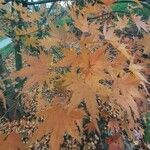
Source: leafsnapAcer palmatum, commonly known as Japanese maple, is a deciduous tree native to Japan, Korea, and China. It is a popular ornamental plant in gardens and parks due to its attractive foliage and graceful form. The leaves are palmate with five to nine lobes, deeply incised with serrated edges. Their color varies from green in the summer to red, orange, or yellow in the fall. The tree grows to a height of 10-25 feet and spreads 15-25 feet wide. It prefers well-drained, slightly acidic soil that is moist but not waterlogged. Japanese maple requires partial shade or filtered sunlight, as it can be sensitive to direct sun. Acer palmatum has many cultivars that vary in size, shape, and foliage color, making it an ideal plant for various landscaping purposes, including bonsai trees and container gardening. Overall, Acer palmatum is an elegant tree that adds beauty and interest wherever it is planted. Its unique characteristics make it one of the most popular ornamental trees worldwide.
💡 Japanese red maple leaves boast a rich array of colors, each evoking a unique sensation. In spring, the leaves display a yellow hue with hints of green, offering a sense of comfort and warmth. As summer arrives, the leaves become a deeper green, providing ample shade. In autumn, they transform into the most stunning and vibrant red, captivating our eyes with their brilliance.
🌳 The modest Japanese maple may be small in stature, but it harbors a sweet secret. Also known as the Japanese maple, this tree can be tapped for maple syrup, much like its relative the Sugar Maple. The sap of the Japanese maple contains sugar which, when refined, becomes the delicious syrup we enjoy on breakfast treats. It's another source of syrup for your favorite pancakes!
🎭 Tranquility, plentiful blessings, benefit through persistence, concord, loveliness
Care Guide
💧 Water Every 7 days
Japanese maple trees come from areas with moderate humidity and thrive in conditions where moisture is balanced and the soil drains well. It's important to water your Japanese maple every 1-2 weeks, adjusting the frequency based on seasonal changes in temperature and daylight. During the growing season, make sure the soil remains moist but not waterlogged.
When should I water my Japanese Maple?
Timely watering of a Japanese Maple is essential for its health, contributing to its resilience against pests and diseases, vibrant foliage, and strong root growth. The need for watering can be identified by wilted leaves, a dull appearance, brown edges, or the appearance of brown/red spots on the leaves. Checking the soil moisture by inserting a finger a couple of inches deep into the soil helps; if it feels dry, it's time to water. More water is required during hot, dry summer months. Additionally, a droopy posture in the plant may indicate a need for watering. It's crucial to avoid both overwatering and underwatering, as they can lead to root rot, fungal diseases, and leaf scorch, potentially stunting growth or causing the plant to die.
How should I water my Japanese Maple?
Watering your Japanese Maple requires a balance to maintain optimal hydration without overwatering. The bottom-watering method is most effective, where the plant pot is placed in a tray of water, allowing the roots to absorb moisture from the bottom. Using a moisture meter can help accurately gauge soil moisture, and a watering can with a narrow spout ensures water goes directly to the soil without wetting the foliage excessively. It's important to focus on moistening the root ball thoroughly and ensuring proper drainage to avoid water accumulation. The soil should be allowed to partially dry out between watering sessions. Avoid using cold or chlorinated water; room temperature or dechlorinated water is preferable. Misting the foliage can increase humidity but should not replace watering.
How much water does a Japanese Maple really need?
The water needs of a Japanese Maple vary based on factors such as pot size, plant size, and environmental conditions. For a pot around 12 inches in height and breadth, about 1.5 to 2 gallons of water is recommended, ensuring the water reaches the root system by soaking the soil until it drains from the bottom. Signs of under-watering include pale, wilted, or falling leaves, while over-watering is indicated by yellowing leaves and stunted growth. Both over-watering and under-watering can be detrimental, potentially leading to root rot or dehydration. Therefore, it is crucial to adjust the watering volume to ensure the soil is appropriately moist but not waterlogged.
What kind of water is best for Japanese Maple?
Japanese Maple prefers natural rainwater as it is free of chemicals and has a balanced pH level. Distilled water and filtered water are suitable alternatives, removing harmful contaminants. Tap water can be used if other sources are not available, but the plant is sensitive to chlorine and fluoride, which can cause stress and leaf burn. It is recommended to let tap water sit for 24 hours to allow chlorine to evaporate or use water filters to remove contaminants. Water at room temperature (68-72°F or 20-22°C) is ideal to avoid shocking the plant.
How do Japanese Maple's watering needs change with the seasons?
The watering needs of a Japanese Maple change throughout the year. In spring, water needs increase as the plant resumes active growth; soil should be consistently moist but not waterlogged, and deep watering promotes healthy root development. Summer may require more frequent watering to compensate for higher temperatures and rapid soil drying. In autumn, reduce watering as the plant prepares for dormancy, and ensure not to overwater, considering natural rainfall. During winter, water minimally only if the season is dry and the ground isn't frozen, focusing on preventing root damage from overwatering and conserving moisture with mulching.
☀️ Light Partial sun
Japanese maple's sunlight requirements are flexible; it can tolerate both places exposed to strong light and spots that receive filtered light throughout the day. This adaptability comes from its native habitat, which features varied light conditions. Insufficient light can diminish leaf coloration, while too much can cause leaf scorch.
What are the sunlight requirements for a Japanese maple?
Japanese maple trees are quite adaptable when it comes to their sunlight needs. They can flourish in areas that receive full sunlight as well as those that are shaded and only get filtered light throughout the day. However, it's essential to note that the coloration of the leaves might diminish if the tree doesn't get enough light, and too much exposure can lead to leaf scorch. For optimal growth, these trees require about 3-6 hours of sunlight per day, but they can also manage with less than 3 hours of sunlight, characteristic of full shade conditions. Observing how sunlight moves through your garden can help you choose the best spot for your Japanese maple, ensuring it receives a balanced amount of light and shade.
How can artificial lighting benefit indoor Japanese maple plants?
Indoor Japanese maple plants can greatly benefit from artificial lighting, especially in scenarios where natural sunlight is insufficient, like during winter or in less sunny locations. Artificial lights, such as LED lights, are recommended because they can be tailored to provide specific wavelengths that plants need for optimal growth. For plants that need full sun, 30-50W per square foot is advised, partial sun plants require 20-30W per square foot, and full shade plants need 10-20W per square foot. The light source should be positioned 12-36 inches above the plant to mimic natural sunlight conditions. Moreover, it's crucial to mirror natural daylight hours, usually between 8-12 hours per day, to promote healthier and faster growth.
What are some symptoms of light deficiency in indoor Japanese maple plants?
When Japanese maple plants are grown indoors under insufficient light, they may exhibit several symptoms indicative of light deficiency. These include slower or halted growth, as the plant may enter survival mode and stop producing new leaves. There may also be faster leaf drop to conserve resources, leggy or sparse growth due to elongation between leaves or stems, chlorosis or yellowing of leaves caused by the breakdown of chlorophyll, sunscald characterized by pale or bleached areas on the plant tissue, leaf curling as a defense mechanism to reduce sunlight exposure, wilting due to increased water loss, and leaf scorching, seen as brown, dry edges on the leaves. These symptoms signal that the plant is not receiving adequate light and adjustments are needed.
What solutions are available for Japanese maple plants suffering from insufficient sunlight?
For Japanese maple plants suffering from insufficient sunlight, several steps can be taken to improve their condition. Indoors, gradually shifting the plants to sunnier spots each week until they receive the recommended 3-6 hours of direct sunlight daily can help. If moving the plant isn't feasible, artificial lighting, such as desk lamps or professional grow lights, can be used for at least 8 hours daily. Outdoors, gradually relocate your plants to sunnier spots to avoid sunburn, adjusting their position weekly. It's crucial to note that parts of the plant already affected by insufficient sunlight may not recover, but new growth should be healthy with proper light exposure. Additionally, reducing obstructions like pruning trees to allow more sunlight and transplanting smaller plants during their dormant period to sunnier locations can ensure ample sunlight reaches your Japanese maple.
🌡️ Temperature 0–35°C
Japanese maple does best in a temperate climate, preferring temperatures from 32 to 95 ℉ (0 to 35 ℃). It is native to Japan, where temperatures range from 23 to 81 ℉ (-5 to 27 ℃). During hot summer months, provide shade and plenty of water to help the plant cope with high temperatures. In colder weather, protect the roots with mulch and use windbreaks to prevent cold damage.
What is the preferred climate for Japanese Maple?
Japanese Maple (Acer palmatum), native to Japan, grows best in a temperate climate. It thrives in a temperature range of 32 to 95°F (0 to 35°C), which closely mirrors the temperature ranges of its native habitat in Japan (23 to 81°F or -5 to 27°C). During hot summer months, shading and ample watering are recommended to help the plant cope with high temperatures. In contrast, the cold months demand proactive measures to protect the roots with mulch and establishing wind barriers to prevent cold damage, although the species exhibits strong cold resistance and typically doesn't require special frost protection measures. However, if winter temperatures are expected to plunge below -35°C, protections such as wrapping the trunk and branches with non-woven fabric or cloth are advised, along with plentiful watering before the first freeze to keep the soil moist and prevent winter drought.
How should Japanese Maple be cared for in low temperatures?
Japanese Maple exhibits good cold tolerance, thriving best with temperatures remaining above 0°C. During winter, ensuring the temperature does not drop below -30°C is beneficial for the tree's health. In the event temperatures fall beneath -35°C, the maple's branches may turn brittle and dry by spring, potentially leading to a lack of new shoots. The recommended solution for this situation is to carefully prune away any dead branches in spring that have failed to produce new leaves, thus maintaining the health and appearance of the tree.
What are the symptoms and solutions for Japanese Maple in high temperatures?
In high temperatures, particularly above 35°C, Japanese Maple requires careful attention. Symptoms of heat stress include leaves becoming lighter in color, the tips drying out and becoming withered, and an increased susceptibility to sunburn. To remedy these issues, trim away the sunburned and dried-up parts of the plant. It's also advisable to move the plant to a location where it can receive shade during the midday and afternoon sun, or alternatively, utilize a shade cloth for protection. Ensuring the soil remains moist through watering in the mornings and evenings will also help the plant cope with the heat.
💨 Humidity normal (40-60%)
This plant will thrive in moderate humidity, which is probably the level in your home. However, misting it a few times a week can be very beneficial. Make sure the room has good ventilation.
🪴 Soil 5-6
🌱 Fertilizer
Fertilize your Japanese maple in early spring to encourage healthy growth. Consistent feeding improves the tree’s overall health, leading to robust growth, better tolerance of challenging conditions, and increased resistance to diseases and pests. Follow a regular fertilization schedule for your Japanese maple to maintain richly colored, vibrant foliage and a full, lush look.
Why should I add fertilizer to my Japanese maple tree?
Regular fertilization is essential for the overall health of your Japanese maple, regardless of the specific variety you have. Supplying the right nutrients will promote robust growth and increase the tree's ability to withstand challenging growing conditions, as well as combat diseases and pests. The foliage of your Japanese maple is a standout feature, so it's important to maintain its beauty. To achieve this, establish and maintain a consistent fertilizer schedule tailored to your specific Japanese maple. This will encourage the development of vibrant and lush leaves with a deep color.
What is the best time to put fertilizer on my Japanese maple plant?
To ensure healthy growth, it is recommended to fertilize your Japanese maple in late winter or early spring. This provides necessary nutrients for growth once the weather warms up. In warm climate regions, an additional fertilizer feeding in early fall is beneficial. This adds nutrients for the following growing season and helps the tree withstand winter cold without foliage damage. Early fertilization also allows new branches to develop and withstand the cold winter.
When is it best to not add fertilizer to my Japanese maple?
During the year, there are a few specific times when you should avoid fertilizing your Japanese maple. The first is in early and mid-winter, as the tree will be dormant and doesn't need any nutrients during this period. It's also not recommended to fertilize the plant in late spring and throughout the summer, when the weather is hotter and drier. These conditions can have a negative impact on the tree if it's fertilized during this time. To prevent any issues, it's best to follow a fertilization schedule and only feed the tree in early spring and early fall.
What kind of fertilizer does my Japanese maple tree need?
The most important nutrient for a Japanese maple is usually nitrogen, but that doesn't mean phosphorus and potassium are not important. In fact, your Japanese maple needs a good amount of all three nutrients. A balanced fertilizer like 10-10-10 can be effective. However, a more specific nutrient ratio often achieves the best growth. Fertilizers with a slightly higher nitrogen content, like 10-6-4, tend to work well. You can choose between granular or liquid fertilizers when feeding your tree.
How can I make my Japanese maple tree more nutrient-rich?
To fertilize your Japanese maple tree, you have two options: using granular fertilizer or liquid fertilizer. If you choose the granular fertilizer, simply sprinkle it on the soil at the right time. The slow-release property of this fertilizer ensures a gradual release of nutrients into the soil. Before applying the granular fertilizer, it's a good idea to water the tree, even if it's just a light watering. On the other hand, liquid fertilizer is less commonly used. To use this type of fertilizer, mix it with water and pour the mixture onto the soil around the base of your Japanese maple. Sometimes, it's useful to perform a soil test first to determine whether you need to adjust the pH before fertilizing.
🪴 Pot & Repot 2-3 years
When repotting a Japanese maple, select a pot 1–2 inches (2.5–5.1 cm) larger with good drainage. Use a well-draining potting mix. Repot in spring or fall, making sure the root ball sits slightly below the rim of the pot. Water thoroughly after repotting and place it in a warm spot with indirect sunlight.
✂️ Pruning
To help your Japanese maple flourish, prune it in early spring. Focus on thinning out crowded branches and removing any dead wood. This will improve air circulation and overall health. Light pruning allows more sunlight to reach the plant, reducing the risk of disease. By doing so, you preserve the plant's natural shape and vitality without stressing it through heavy cutting.
🌿 Propagating
🐛 Diseases & pets
☠️ Toxicity
They fit well in a small garden. Despite its autumn leaves, no part of the tree is toxic to humans or pets - other than horses. In fact, the leaves of the tree are eaten as part of other Japanese dishes and have no adverse health effects.
Characteristics
- Plant Type
- Tree, Shrub
- Life Cycle
- Perennial
- Genus
- Acer
- Family
- Sapindaceae
- Hardiness Zone
- 3-10
- Mature Height
- 3.96 m to 14.94 m
- Mature Spread
- 6.1 m
- Leaf Color
- Green, Red, Orange, Yellow, Variegated, Gold, Purple, Brown
- Leaf Type
- Deciduous
- Flower Color
- Red, Purple
- Flower Size
- 0.51 cm to 0.76 cm
- Bloom Time
- Mid spring, Late spring
- Planting Time
- Spring, Autumn
- Harvest Time
- Mid summer
- Native Area
- South Korea, Japan, China