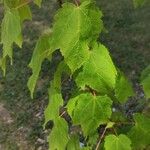
Acer spicatum
Moose maple · Mountain maple · White Maple
Description
Source: leafsnapAcer spicatum, the mountain maple, dwarf maple, moose maple, or white maple, is a species of maple native to northeastern North America from Saskatchewan to Newfoundland, and south to Pennsylvania. It also grows at high elevations in the southern Appalachian Mountains to northern Georgia.
🎭 Love, longevity money. Because of its sugar and syrup, it symbolizes success and abundance.
Care Guide
💧 Water
Mountain maple thrives in environments similar to its natural woodland habitat. It prefers cool, moist climates with moderate humidity and can tolerate some drought. To encourage healthy growth and vibrant autumn colors, water the plant every three weeks, ensuring the soil remains evenly moist during the growing season.
How should I water my Mountain maple tree?
To promote excellent root development, it is recommended to place a garden hose at the base of the plant. Be cautious not to directly spray the leaves, as they may require more watering if exposed to direct sunlight outdoors. An alternative option is to use bubblers or soaker hoses to moisten the roots of each plant. When adding or removing plants, it is advantageous to use soaker hoses that can cover the entire garden or bed to ensure deep root growth. It is important to drain any excess water and allow the soil to dry before watering again. To prevent diseases, water at ground level instead of spraying the leaves. On a sunny day, consider spraying the entire bush with water. Whether the plant is potted or in-ground, keep in mind that Mountain maple prefers deep watering rather than light sprinkling.
What should I do if I give the Mountain maple tree too much water or too little water?
An overwatered Mountain maple may exhibit signs such as yellowing, dropping, and wilting leaves. Additionally, the plant may appear dull and unhealthy with soft mushy stems. When these symptoms arise, it is best to adjust your watering schedule accordingly. Conversely, wilting can also indicate under watering, characterized by crispy and dry leaves. In such cases, checking the soil's dryness and providing a thorough watering is recommended. While sufficient moisture can help the Mountain maple recover, the damaged root system may still cause the plant to have dry, yellow leaves in the following days. Once the plant returns to normal, the yellowing of leaves will cease. Ensure to regularly check the moisture levels of potted Mountain maples indoors, avoiding overwatering and assessing for signs of black spots. If present, allow the soil to dry by refraining from watering for a few days. Overwatering can lead to root rot, which may necessitate transferring the plant to a different pot, particularly if discolored and slimy roots are observed. Therefore, it is crucial to prevent root rot by avoiding excessively soggy soil. When planting a Mountain maple outdoors, dig deeper and assess the soil's dryness with your fingers. If the soil is too dry, it indicates underwatering, and adequate watering is necessary to aid the plant's recovery.
How often should I give water to my Mountain maple tree?
The Mountain maple prefers deep, infrequent watering. For potted plants, it is important to soak them in a gallon of water each time due to limited water storage and faster soil drying. In cold regions, watering is needed every 3 to 5 days. It is best to water in the morning when the soil is dry, both indoors and outdoors. You can check the soil moisture by feeling the top 2-3 inches. If dry, it's time for a full watering. During hot weather, daily moisture checks may be necessary as heat can quickly dry out potted soil. For gardens, irrigation is also necessary. In hot climates, watering once a week is recommended when about 2-3 inches of soil becomes too dry. Avoid overwatering if there is already sufficient rainfall to prevent root rot. Adding mulch about 3 to 4 inches deep helps conserve water when the plants are outdoors. Sandy soil requires more frequent watering, while clay soil can go 2-3 days without watering to avoid root rot. You can mark watering dates on a calendar and watch for drooping leaves as a sign of possible delayed watering.
How much water does my Mountain maple tree need?
The Mountain maple generally needs about a gallon of water on a regular basis. For potted plants, water them deeply until you see water dripping from the bottom of the pot. Wait for the soil to dry before watering again. Use a water calculator or moisture meter to determine the amount of water your plant receives in a week. During the flowering period, provide plenty of water but allow the moisture to evaporate to prevent root rot. If the Mountain maple is planted outdoors with sufficient rainfall, it may not need additional watering. When the Mountain maple is young or newly planted, ensure it receives 1-2 inches of rain per week. As the Mountain maple grows, it can survive solely on rainfall. Only water the plant fully during cooler moments of the day if the weather is too hot or if there has been no rainfall for 2-3 weeks to prevent heat damage. Additional watering is necessary during extended dry spells.
Should I change how often I water my Mountain maple tree based on the time of year or different weather conditions?
The Mountain maple needs to be outdoors and rely on rain, except during persistent dry weather. During the spring and fall, keep the soil moist but not soggy for optimal growth. Alternating between dry and moist conditions is beneficial. In the summer, hot weather causes water to evaporate quickly, so if there isn't enough rainfall, water more frequently. During winter, the Mountain maple needs less water as it goes dormant. When planting in pots, ensure good drainage. Deeply water the root system once or twice a week, avoiding shallow sprinkles. Don't let the plant dry out completely in fall or winter. Avoid overwatering to prevent the roots from sitting in water for too long. Apply mulch for stress reduction, water conservation, and healthy blooms.
☀️ Light Full sun
Mountain maple needs sunlight for much of the day. While it does best in constant sun, it can tolerate stretches of low light or mostly shaded environments. Even though it comes from areas with abundant sunlight, both excessive and insufficient light can impair its health and growth.
What are the sunlight requirements for Mountain Maple?
Mountain Maple (Acer spicatum) thrives best in full sun conditions, requiring more than 6 hours of sunlight daily. However, it can also adapt to partial sun and full shade environments, which means about 3-6 hours of sunlight. It's essential to observe the movement of sunlight in your garden to find the perfect balance for your plant, ensuring it gets the right amount of light without suffering from excessive exposure.
How does Mountain Maple react to different light conditions?
Mountain Maple is adaptable and can grow under various light conditions. It flourishes with substantial sun exposure but can also withstand periods of less sunlight or shaded conditions. Despite its adaptability, the plant's health and growth might be compromised if it receives too much or too little sunlight. In indoor environments or during less sunny months, artificial lighting can be used to supplement natural sunlight, ensuring optimal growth. LED lights are recommended for their ability to be customized to specific plant needs, with full sun plants requiring 30-50W/sq ft, partial sun plants 20-30W/sq ft, and full shade plants 10-20W/sq ft of artificial light.
What symptoms indicate Mountain Maple is not receiving enough sunlight?
When Mountain Maple lacks sufficient sunlight, it may show symptoms such as smaller new leaves, leggy or sparse growth, faster leaf drop, slower or halted growth, and lighter-colored new leaves. These signs indicate the plant isn't receiving the light it needs to thrive. Additionally, excessive sunlight can cause chlorosis, sunscald, leaf curling, wilting, and leaf scorching. These symptoms highlight the importance of optimizing the light exposure for Mountain Maple to maintain its health.
How can I improve light conditions for my Mountain Maple?
To ensure your Mountain Maple receives adequate light, gradually move it to sunnier spots, aiming for at least 6 hours of direct sunlight daily. For indoor plants or those not easily moved, consider using artificial lighting, like grow lights, for at least 8 hours a day. When outdoors, adjust plant placement gradually to prevent shock from sudden light changes. Remove obstructions like tree branches when necessary, or transplant smaller plants to sunnier locations during their dormant period to enhance light exposure. Remember, while you can encourage new healthy growth by increasing light, parts of the plant that have already been damaged may not recover.
🌡️ Temperature 0–32.2°C
The hardy mountain maple grows well in temperatures from 32 to 90°F (0 to 32 ℃). Although it stays vigorous in cold conditions, it may need some protection during the hottest parts of summer.
What are the ideal growing temperatures for mountain maple?
The mountain maple (Acer spicatum) thrives in a temperature range from 32 to 90°F (0 to 32°C). This species demonstrates considerable resilience to cold, comfortably enduring frigid temperatures without requiring special frost protection measures. In preparation for winter, it's beneficial to water the plant thoroughly before the first freeze to help maintain soil moisture when it enters a frozen state, ensuring the plant doesn't suffer from drought during the colder months. Despite its high tolerance to cold, protection might be needed during the peak of summer to mitigate the effects of extreme heat.
How does low temperature affect mountain maple, and what are the recommended solutions?
Mountain maple is exceptionally tolerant of cold weather, capable of withstanding temperatures as low as -35°C (-31°F) without substantial damage. However, prolonged exposure to temperatures below this threshold can lead to brittleness and drying of the branches, resulting in a lack of new shoot growth in the spring. To mitigate these effects, it is recommended to prune away any dead branches that have not produced new leaves in the spring. This helps the plant maintain its health and encourage new growth.
How does high temperature affect mountain maple, and what are the recommended solutions?
Mountain maples struggle in high temperatures, particularly when the mercury rises above 32°C (90°F). Such conditions can cause significant leaf drop, and in serious cases, may lead to the entire plant withering and dying. To help the plant cope, it's suggested to trim away any parts of the plant that have been sunburned or dried out. Relocating the plant to a shadier spot or utilizing a shade cloth can provide relief from the midday and afternoon sun. Additionally, watering the plant in the morning and evening can help keep the soil consistently moist, alleviating some of the stress caused by high temperatures.
💨 Humidity
🪴 Soil 5-7
🌱 Fertilizer
Proper timing is essential for fertilizing Mountain maple. Apply fertilizer in early spring and continue monthly until early summer. Fertilizer encourages attractive blooms and supplies energy during both dormant and active growth phases.
Why do I have to give plant food to my Mountain maple tree?
If you own a Mountain maple, regardless of the type, regular fertilization is important for the plant's overall health. Providing the proper nutrients helps the plant grow more vigorously and become more resilient to tough conditions, as well as better equipped to fight diseases and pests. The foliage of the Mountain maple is one of its most appealing attributes, so it is important to maintain it. To do this, you should establish and stick to a regular fertilization schedule that is specific to your Mountain maple. By doing so, your plant will develop leaves with a deep color and a lush appearance.
When should I put fertilizer on my Mountain maple tree?
To ensure healthy growth, it is recommended to fertilize your Mountain maple during late winter or early spring. This will provide the necessary nutrients for the tree. If you live in a warm climate region, it can also be beneficial to fertilize in early fall. This will add nutrients for the following growing season and help the tree withstand winter cold without foliage damage. Fertilizing earlier will give the new branches sufficient time to grow and endure the cold winter.
When is the best time to not fertilize my Mountain maple?
There are a few times of the year when you should avoid fertilizing your Mountain maple. First, during the early and mid-winter months when the tree is dormant and doesn't require feeding. Second, it's not recommended to fertilize the plant in late spring and throughout the summer due to hotter and drier weather conditions. Fertilizing during this time can have a negative impact on the tree. To prevent any issues, it's best to stick to a fertilization schedule that involves feeding only in early spring and early fall.
What kind of plant food does my Mountain maple tree need?
Mountain maples require a good amount of nitrogen, but this doesn't mean that phosphorus and potassium are not important. In fact, all three nutrients are necessary for the tree's health. Using a balanced fertilizer like 10-10-10 can be effective, but a more precise nutrient ratio can lead to optimal growth. Fertilizers with higher nitrogen content, like 10-6-4, often work well. Both granular and liquid-based fertilizers can be used for this purpose.
How can I give nutrients to my Mountain maple to help it grow?
To fertilize your Mountain maple, you have two options: using a granular fertilizer or a liquid fertilizer. If you choose granular fertilizer, simply sprinkle it on the soil at the appropriate time. The slow-release nature of this type of fertilizer will gradually release nutrients into the soil. It's a good idea to lightly water your Mountain maple before applying the granular fertilizer. If you prefer to use liquid fertilizer, mix it with water and pour the mixture onto the soil around the base of your tree. However, this method is less commonly used. Occasionally, it might be helpful to conduct a soil test before fertilizing to determine if any adjustments to the pH are necessary.
🪴 Pot & Repot
✂️ Pruning
Pruning mountain maples in early spring is beneficial for maintaining their shape and health. The main techniques include removing dead branches and thinning crowded areas to enhance airflow. This practice encourages growth, prevents disease, and enhances the tree's aesthetic appeal, all while maintaining its natural form.
🌿 Propagating
🐛 Diseases & pets
☠️ Toxicity
Characteristics
- Plant Type
- Tree, Shrub
- Life Cycle
- Perennial
- Genus
- Acer
- Family
- Sapindaceae
- Hardiness Zone
- 3-7
- Mature Height
- 3.05 m to 7.62 m
- Mature Spread
- 3.05 m to 6.1 m
- Leaf Color
- Green, Yellow
- Leaf Type
- Deciduous
- Flower Color
- Yellow
- Flower Size
- 2.54 cm
- Bloom Time
- Mid spring, Late spring
- Planting Time
- Spring, Autumn
- Harvest Time
- Mid summer, Late summer, Early fall