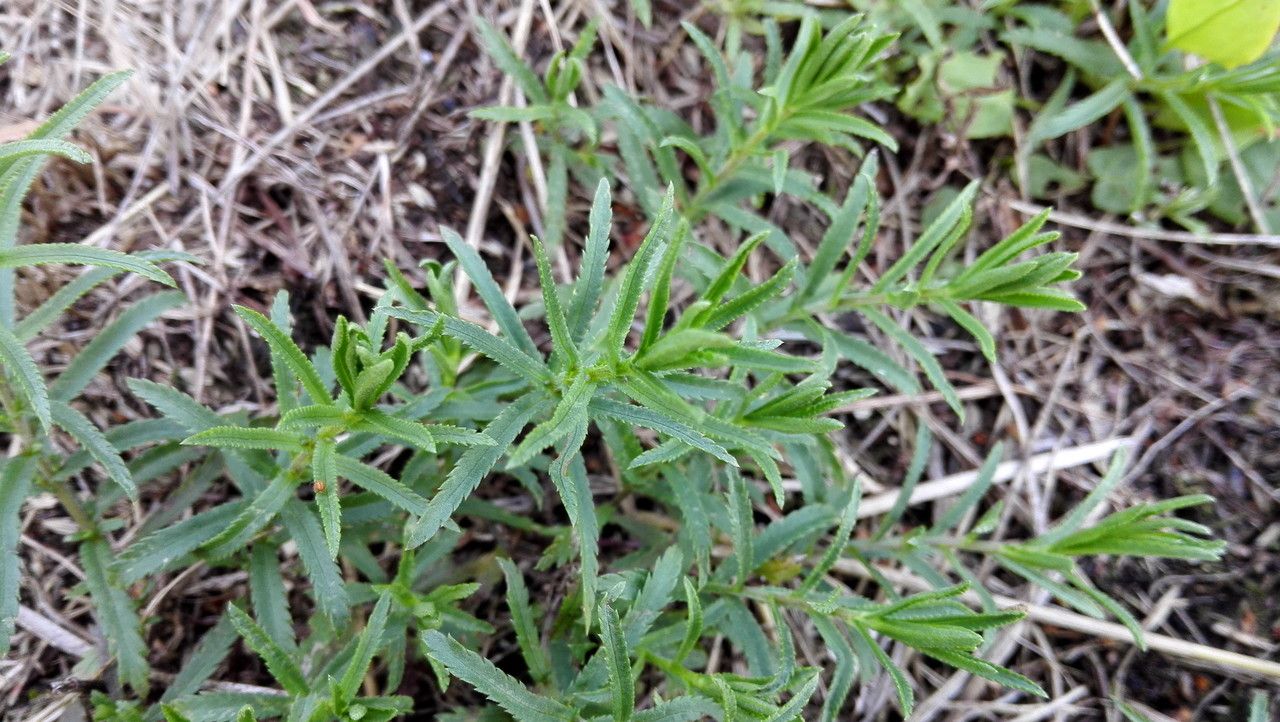
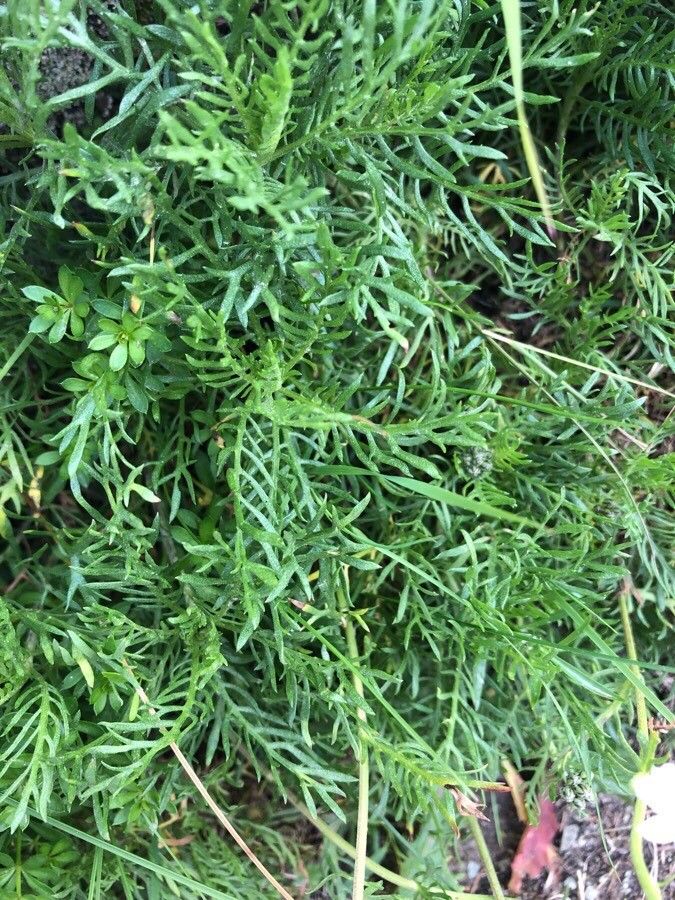
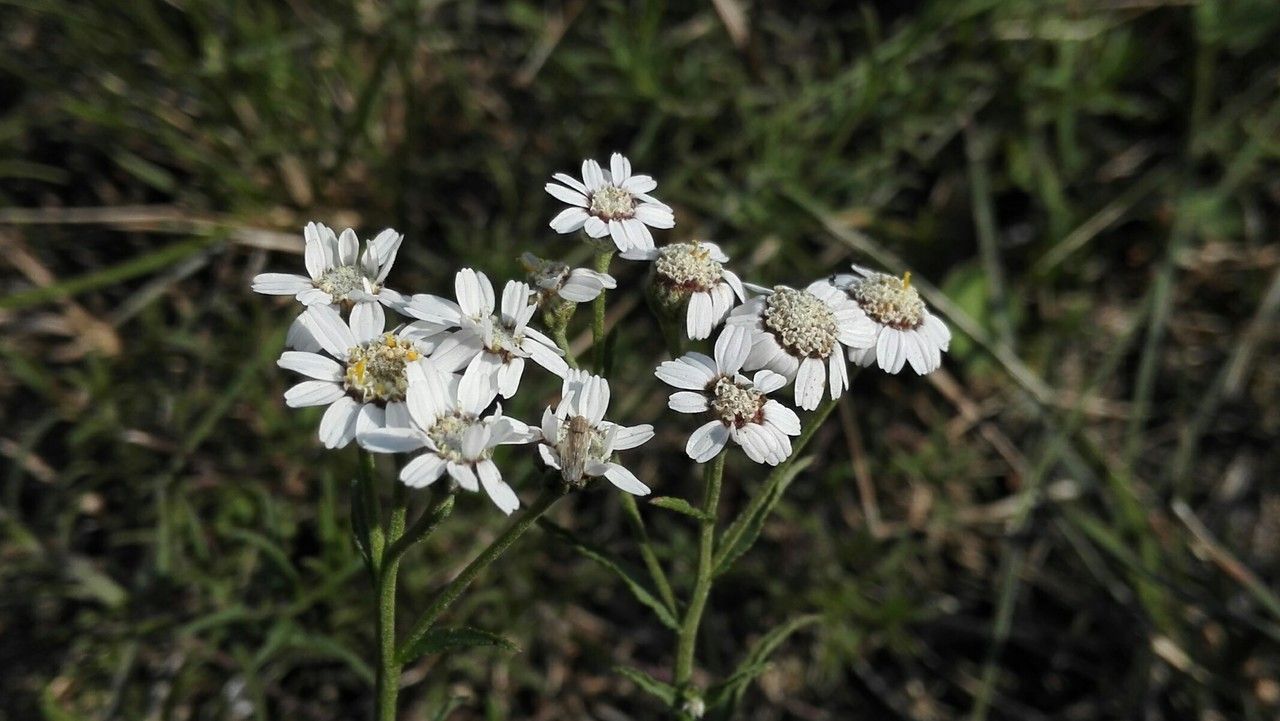
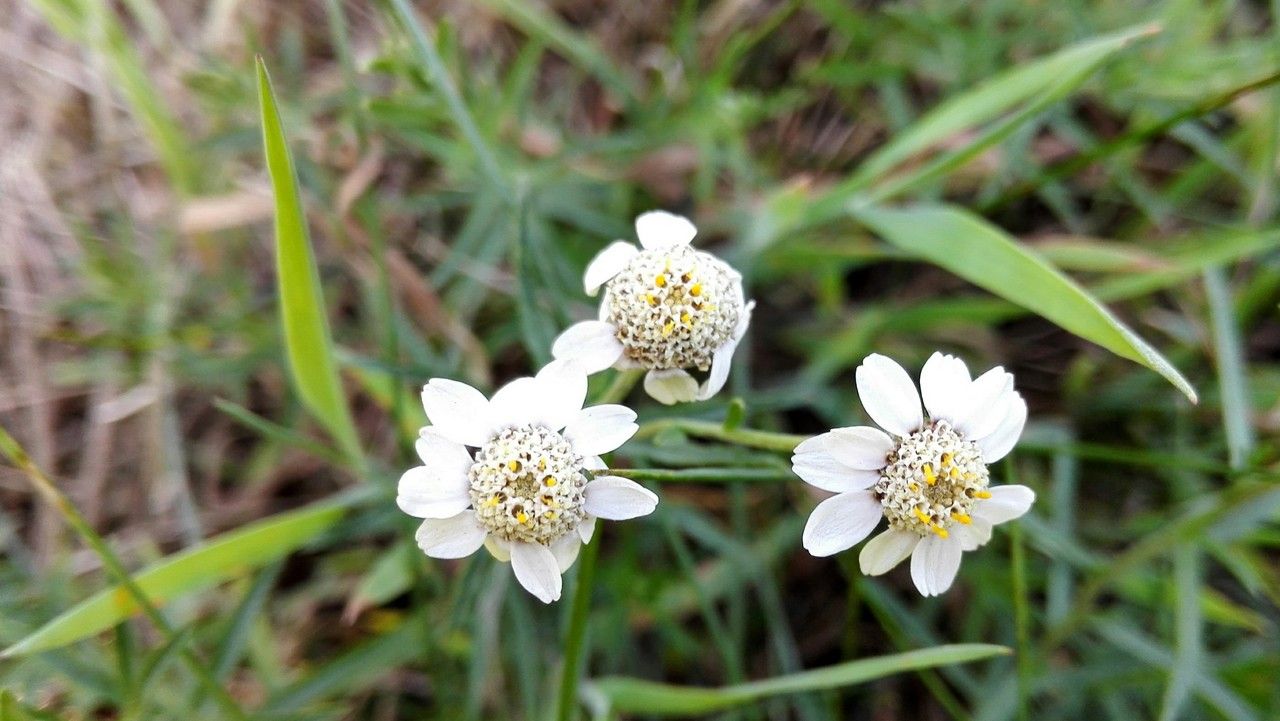
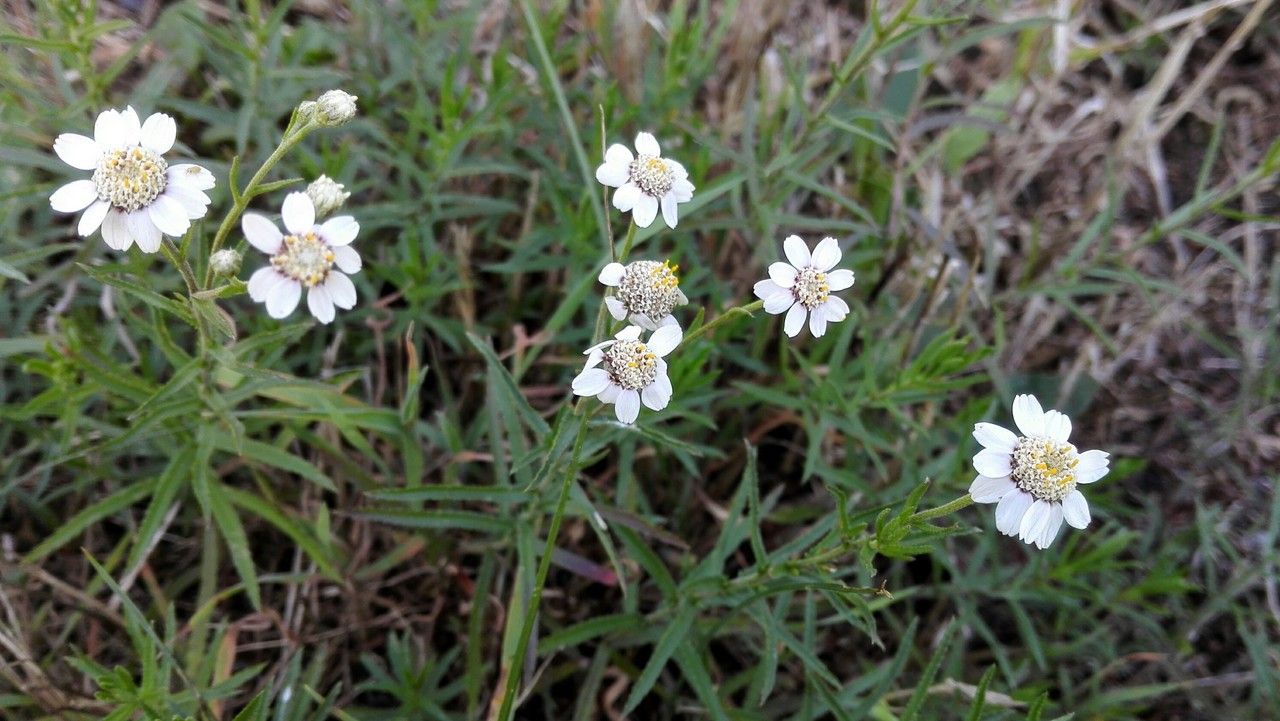
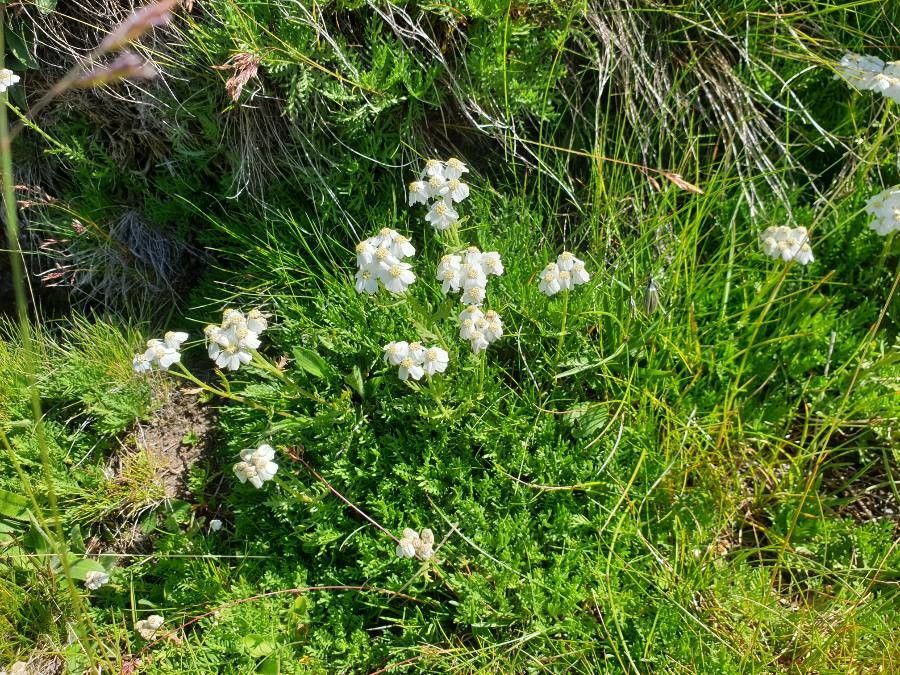
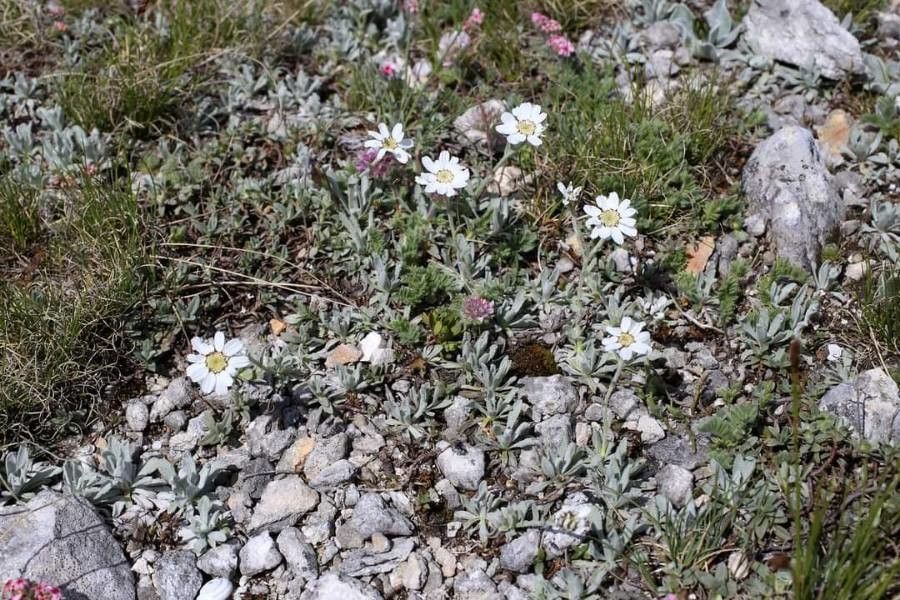
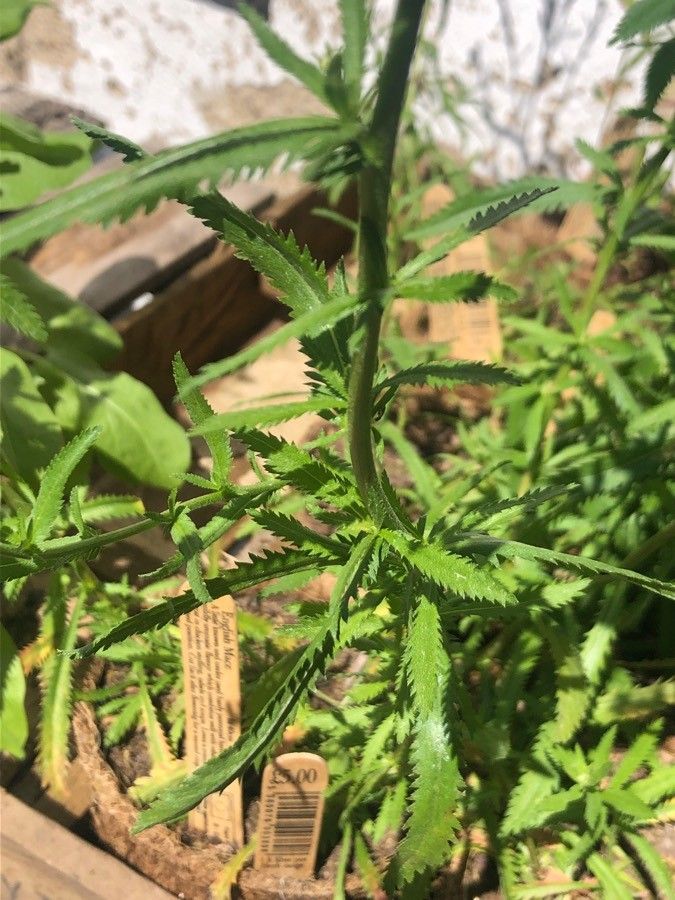
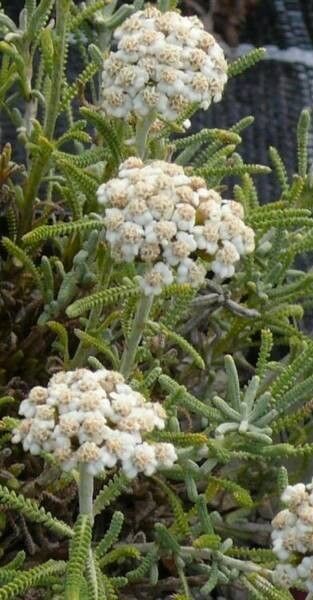
Achillea erba-rotta, common name simple leaved milfoil, is a perennial flowering plant of the genus Achillea, belonging to the sunflower family.
Simple-leaved milfoil has strong resistance to disease and is generally not susceptible to illnesses. However, it can be affected by pests and diseases present in its environment. These infections are typically not serious. In terms of care, this plant needs moderate maintenance. It should be pruned regularly to keep a good appearance and support healthy growth. Fertilizing can also help encourage flowering. Simple-leaved milfoil is suitable for anyone with an outdoor area, such as a garden or patio, and does not demand much care experience. It may need more attention when grown indoors.
How to keep Achillea Erba Rotta.
Light
The simple-leaved milfoil thrives in abundant sunlight, a trait rooted in its natural habitat. Its growth is best when it receives a generous amount of sunshine. Insufficient sun can halt its development, while excessive sun can stress the plant. Every stage of growth depends on ample sunlight.
Water
Simple-leaved milfoil flourishes in temperate regions where there is moderate moisture. It prefers consistent soil moisture but can endure brief droughts. To meet its needs, a weekly watering schedule is ideal. As an herbaceous perennial, it also benefits from natural rainfall during the growing season.
Temperature
Simple-leaved milfoil can tolerate a wide range of temperatures, yet its distribution may still be restricted by particular combinations of water and heat. It performs best in warm summer climates with sufficient rainfall or irrigation. Extended periods of cloudy, rainy weather or prolonged high temperatures can make Simple-leaved milfoil more likely to die. In winter, protecting it from cold can increase the plant's chances of survival.
Fertilizer
The best time to fertilize a Simple-leaved milfoil is in early spring, when it is coming out of dormancy and beginning active growth. Fertilization supplies essential nutrients for healthy development. Although Simple-leaved milfoil has relatively low fertilizer needs, yearly fertilization can improve its survival and encourage better, longer-lasting flowers.
Pruning
To keep simple-leaved milfoil healthy and vibrant, it's best to prune it from early to late spring. Focus on trimming away old growth and removing any dead or diseased stems. This practice encourages healthy new growth, keeps the plant compact, promotes flowering, improves airflow, and boosts overall vitality. By doing this, you ensure that the plant can recover quickly as new growth begins.
Botanical profile.
- Plant Type
- Herb
- Life Cycle
- Perennial
- Genus
- Achillea
- Family
- Asteraceae
- Hardiness Zone
- 4-9
- Mature Height
- 10 cm to 30 cm
- Mature Spread
- 20 cm to 40 cm
- Leaf Color
- Dark Green, Forest Green
- Leaf Type
- Semi-evergreen
- Flower Color
- White
- Flower Size
- 0.51 cm to 1.02 cm
- Bloom Time
- Summer
- Planting Time
- Spring, Summer
- Harvest Time
- Late summer, Early fall, Mid fall
Other names.
Reader questions.
What is the best way to water my Simple-leaved milfoil plant?
To properly water the Simple-leaved milfoil, it is best to use filtered water at room temperature. Tap water may contain harmful particles that could adversely affect the plant. Since the Simple-leaved milfoil originates from warm environments, it is recommended to avoid using cold water, as it can be a shock to the plant. Additionally, it is advisable to refrain from overhead watering, as it can cause issues with the foliage. Instead, the filtered room temperature water should be applied directly to the soil until it is completely soaked. This method of watering is highly beneficial for the Simple-leaved milfoil as it ensures the roots remain moist and aids in their spreading through the soil to gather necessary nutrients.
What are the sunlight requirements for Simple-leaved milfoil?
Simple-leaved milfoil requires full sun, which means it thrives in locations that receive above 6 hours of sunlight daily. It can also grow under partial sun conditions, receiving about 3-6 hours of sunlight. It's essential to watch how sunlight moves through your garden to ensure spots provide the perfect balance of light and shade, ensuring the plant's happiness. This herbaceous plant's growth is optimized when it receives a generous amount of sunshine, characteristic of its natural environment. Insufficient sun can hinder its growth, while too much can strain the plant.
What is the common name of Achillea erba-rotta?
The common name of Achillea erba-rotta is Simple-leaved milfoil.
What should I do if I give my Simple-leaved milfoil too much or too little water?
Overwatering is a more common issue for Simple-leaved milfoil and can cause wilting and yellowing of stems and leaves. It can also lead to diseases like root rot, mold, and mildew, which can be fatal for the plant. Underwatering is less common, but it can cause brown and brittle leaves. It's important to notice signs of overwatering early and reduce watering immediately. If the soil drains poorly, replace it with well-draining potting mix. If underwatering occurs, simply increase watering until the signs subside.
How can artificial lighting benefit Simple-leaved milfoil, and what are the specific requirements?
Indoor plants like Simple-leaved milfoil require adequate lighting for optimal growth, especially when natural sunlight is insufficient, such as in winter or less sunny spaces. Artificial lights, including LED lights, offer a vital solution by providing the specific wavelengths of light that plants need. For full sun plants, 30-50W/sq ft of artificial light is recommended, partial sun plants need 20-30W/sq ft, and full shade plants require 10-20W/sq ft. The light source should be placed 12-36 inches above the plant to mimic natural sunlight, and most plants need 8-12 hours of light per day.
What are the key characteristics of Simple-leaved milfoil?
The provided information does not include specific details on the key characteristics of Simple-leaved milfoil.
How often do I need to water my Simple-leaved milfoil plant?
If your plant is in a pot, the best way to check if your Simple-leaved milfoil needs water is to stick your finger in the soil. If the top two to three inches of soil feels dry, it's time to water. If you have the Simple-leaved milfoil growing outside in the ground, you can use the same method. Once the top few inches of soil are dry, it's time to add water. Usually, during spring and early fall, you'll need to water this plant about once a week. However, in extremely hot weather, you may need to water it twice a week or more. Keep in mind that mature, well-established Simple-leaved milfoil can handle drought well.
What are the symptoms of light deficiency in Simple-leaved milfoil?
Simple-leaved milfoil shows several symptoms when it suffers from light deficiency, including smaller new leaves, leggy or sparse growth, faster leaf drop, slower or no new growth, and lighter-colored new leaves. These symptoms indicate the plant's struggle in low-light conditions, where it enters survival mode, leading to delayed growth and a lack of chlorophyll and essential nutrients.
Are there any known symptoms for issues related to Simple-leaved milfoil?
There were no symptoms or issues related to Simple-leaved milfoil provided in the information.
How much water does my Simple-leaved milfoil plant need?
To properly water your Simple-leaved milfoil, don't hesitate to give it a generous amount of water. Make sure the top two to three inches of soil are dry before watering, and then thoroughly soak the soil. The water should be enough to cause excess water to drain from the pot's drainage holes. If you don't see any excess water draining, you may have underwatered the plant. However, be careful not to let the water accumulate in the soil, as this could harm the plant. If there is no water draining through the pot, it may indicate poorly draining soils, which is not good for the plant's health. Finally, if the plant is outside, it generally only needs 1 inch of rain per week for sufficient watering.
What are the symptoms of excessive sunlight in Simple-leaved milfoil?
Excessive sunlight can cause various symptoms in Simple-leaved milfoil, such as chlorosis, sunscald, leaf curling, wilting, and leaf scorching. These symptoms show up as yellowing leaves, pale or necrotic areas on the plant tissue, curled or twisted leaves, drooping stems, and brown, dry edges on leaves. These issues highlight the need for an appropriate balance of sunlight, as too much can damage the plant and affect its ability to photosynthesize.
At different stages of growth, how should I water my Simple-leaved milfoil?
The water needs of the Simple-leaved milfoil can vary depending on its growth stages. In the first few years and after transplanting, it needs more water as it focuses on developing new roots for future growth. These roots require extra moisture for optimal performance. However, as the plant matures, it will require less water. During the bloom period, when the plant is developing flowers, it may also need more water due to the significant amount of moisture used in this process.