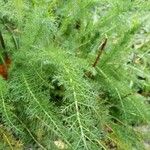
Achillea millefolium
Common yarrow · Yarrow · Nose Bleed · Yarrow (common) · Milfoil
Description
Source: leafsnapAchillea millefolium, commonly known as yarrow, is a perennial herbaceous plant that belongs to the Asteraceae family. Originally native to Europe and Asia, it has also become naturalized in North America. This plant can grow up to 1 meter tall and features finely divided, feathery leaves. Its small flowers, which are either white or pinkish, are arranged in flat-topped clusters at the tops of the stems. Yarrow has been used medicinally for centuries due to its anti-inflammatory, antiseptic, and astringent properties. It is often employed as a natural remedy for digestive issues such as bloating and diarrhea, for relieving menstrual cramps, for reducing fever, and for promoting wound healing due to its ability to stop bleeding. Beyond its medicinal uses, yarrow is also valued for its ornamental qualities. Numerous cultivars are available, boasting a variety of flower colors including yellow and red. Yarrow thrives in well-drained soil and prefers full sun exposure, though it can tolerate partial shade. This makes it an easy-to-grow plant, suitable for both gardens and containers.
💡 Yarrow is a plant with a unique and special status. Thousands of years ago, it was used for divination purposes. Later, people discovered that it also had medicinal properties. Additionally, yarrow is easy to grow since it isn't picky about the soil it is planted in.
🌳 Yarrow is an extraordinarily adaptable plant. Historically it filled many roles: Native Americans used it as a natural anesthetic, and in Chinese tradition it was regarded as a protective charm. Surprisingly, it is also used as an ingredient to make a distinctive bitter beer. Its benefits reach the beauty industry, with its extracts playing a central role in soothing skin creams. It is a plant with limitless applications.
🎭 Relief, restoration, cleansing, fortune-telling, eternal life
Care Guide
💧 Water Every 3 days
Common yarrow is native to temperate regions and thrives in well-drained soil with moderate moisture levels. While it can endure short periods of drought, it benefits from weekly watering. As an herbaceous perennial, common yarrow flourishes outdoors, relying primarily on natural rainfall for growth and needing less supplemental watering throughout the season.
When Should I Water My Common Yarrow?
Watering your common yarrow, or Achillea millefolium, requires attention to several indicators due to its hardy nature and preference for well-timed hydration. First and foremost, ensure the soil is completely dry before watering again, which can be checked by feeling the soil an inch deep with your finger. Look out for wilted leaves or a loss of vibrancy in the green leaves, both of which signal the need for water. Additionally, a noticeable slowdown in growth during its active periods could indicate insufficient watering. It's crucial to avoid over-watering as it may lead to waterlogging and make the plant prone to diseases, just as much as watering too late can lead to stress, wilting, and stunted growth.
How Should I Water My Common Yarrow?
Common yarrow has specific hydration needs, favoring techniques that ensure the plant receives adequate moisture without the risks of excess water on the surface which can encourage fungal diseases. A bottom-watering method by placing the plant's pot in a tray filled with water lets the roots absorb moisture upwards efficiently. If using a watering can, select one with a narrow spout to direct water flow to the base of the plant, minimizing foliage moisture and promoting healthy root hydration.
How Much Water Does Common Yarrow Really Need?
The quantity of water required for common yarrow depends on the plant's size and the pot's volume. A mature plant in a large pot might need around 1 liter of water, while smaller plants in smaller pots require less. Signs of adequate hydration include lush, green foliage, and moist (not waterlogged) soil. Overwatering can lead to yellowing leaves, root rot, or mold, whereas underwatering can result in wilting. Adjust watering to ensure the soil dries out somewhat between sessions, which helps avoid issues with waterlogging and facilitates healthy growth and blooming.
What Kind of Water is Best for Common Yarrow?
Common yarrow thrives with water that is clean and free from excessive chemicals. Distilled water is optimal due to its purity. Rainwater is a good alternative if it's collected cleanly and is pollutant-free. Filtered water can be used if the other types are unavailable, ensuring it's free from harmful substances. Tap water is least preferred due to potential chlorine content, which could harm the plant. If using tap water, let it sit for 24 hours to allow chlorine to evaporate or use a carbon filter to remove impurities. The plant favours water at room temperature, avoiding extremes that could induce stress.
How Do Common Yarrow's Watering Needs Change with the Seasons?
Seasonal changes significantly impact the watering needs of common yarrow. In spring, moderate and consistent watering supports new growth. Summer's active phase, with longer days and higher temperatures, may require a slightly increased watering frequency to maintain moist soil without overdoing it. In autumn, reduce watering as the plant slows its growth, and let the soil dry slightly between sessions. Winter watering should be minimal, just enough to keep the soil from completely drying out, respecting the plant's dormancy period and reduced hydration needs.
☀️ Light Full sun
Yarrow flourishes in abundant sunlight, which boosts its robust growth. It is also tolerant of medium sun exposure. No matter its stage of growth, sufficient light is crucial. As it comes from settings with considerable light, yarrow can experience inhibited growth or changes in color when subjected to inadequate or excessive light.
What are the sunlight requirements for common yarrow?
Common yarrow requires generous sunlight to thrive, needing above 6 hours of direct sunlight for optimum growth, termed as 'Full sun'. It can also grow under 'Partial sun' conditions, which is about 3-6 hours of sunlight daily. Adequate sunlight is crucial throughout the plant's growth phases to prevent issues such as stunted growth or discoloration.
How can artificial lighting benefit indoor common yarrow plants?
Indoor common yarrow plants can greatly benefit from artificial lighting, especially when natural sunlight is insufficient. Artificial lights, such as LED lights, can be customized to provide specific wavelengths of light needed for optimal growth. For full sun plants, 30-50W/sq ft is recommended; for partial sun plants, 20-30W/sq ft; and for full shade plants, 10-20W/sq ft. The light source should be placed 12-36 inches above the plant for 8-12 hours per day to mimic natural sunlight conditions.
What are the symptoms of inadequate lighting in common yarrow?
Inadequate lighting can lead to several problems for common yarrow, including smaller new leaves, leggy or sparse growth, faster leaf drop, slower or halted growth, and lighter-colored or yellowing leaves due to chlorosis. Too much sunlight can cause symptoms like sunscald on leaves and stems, leaf curling, wilting, and leaf scorching, indicating the plant's inability to cope with the intense light exposure.
What are some solutions to lighting issues for common yarrow?
To address lighting issues for common yarrow, it's recommended to gradually acclimate the plant to more sunlight or provide additional light through artificial sources. For indoor plants, move them to a sunnier spot incrementally each week until they receive at least 6 hours of sunlight or use artificial lighting like desk or grow lights for at least 8 hours a day. For outdoor plants, also move them progressively to sunnier locations to prevent sunburn. If sunlight is obstructed, consider pruning or transplanting during the plant's dormant period to a location with better sunlight and drainage.
🌡️ Temperature 5–35°C
Yarrow is a flexible species originating from diverse climates, yet it thrives best within a temperature spectrum of 68 to 95 °F (20 to 35 ℃). In the chillier months, think about a well-thought-out location or extra insulation to sustain the ideal heat.
What is the native climate for common yarrow, and how does it handle cold?
Common yarrow, known botanically as Achillea millefolium, thrives in a variety of climates. It is best suited to temperatures ranging between 68 to 95°F (20 to 35°C). Although it possesses strong cold resistance, if winter temperatures are expected to plunge below its growth limit temperature, protective measures should be taken. This can include covering the plant with soil or straw and ensuring the soil is moist before the first freeze, avoiding drought and water scarcity during winter into early spring.
What should be done if common yarrow experiences temperatures below its growth limit?
When common yarrow faces temperatures below its growth limit, it may not show immediate damage during the winter but could struggle with sprouting in spring. To help the plant recover, it is recommended to remove parts that have failed to sprout once spring arrives.
How should common yarrow be cared for during high temperatures?
In high temperatures, especially when they exceed the plant's tolerable maximum, common yarrow might show signs of stress. This includes leaves becoming lighter, curling, sunburn, or in severe cases, wilting and drying out. To mitigate these effects, you should trim off damaged parts, provide shade during the most intense sun of midday and afternoon possibly by moving the plant or using a shade cloth, and ensure the soil remains moist by watering in the morning and evening.
💨 Humidity normal (40-60%)
This plant will thrive in moderate humidity, which is probably the level in your home. However, misting it a few times a week can be very beneficial. Make sure the room has good ventilation.
🪴 Soil 5-7
🌱 Fertilizer
The optimal period to fertilize a Yarrow is at the onset of spring when it comes out of dormancy and commences active growth. The application of fertilizers offers essential nutrients for healthy development. Despite the fact that Yarrow requires minimal fertilization, undertaking this practice annually can boost its longevity and encourage superior, more durable flowers.
Why should I put fertilizer on my Common yarrow?
Fertilization is important for the Common yarrow because it provides important nutrients for the plant's growth. Although the Common yarrow has relatively low fertilization needs and can survive without it, annual fertilization can greatly benefit the plant. It helps to keep the plant alive and promotes the production of better and longer-lasting flowers. Therefore, those wanting their Common yarrow to look its best should make sure to fertilize it annually.
When should I fertilize my Common yarrow for the best results?
The best time to fertilize a Common yarrow is in late winter to early spring when it is transitioning from dormancy to active growth. Fertilizing at this time promotes healthy growth and sets the plant up for a great season. Although early spring is most beneficial, fall fertilization is also allowed. However, it is not recommended to fertilize the yarrow during summer or winter.
When is it not a good idea to add fertilizer to my Common yarrow?
To ensure proper fertilization for Common yarrow, focus on late winter and early spring. This plant requires minimal fertilization, so one annual feeding is sufficient. Overfertilization can occur if you continue to fertilize throughout spring, summer, and fall. However, if you forgot to fertilize in spring, it is acceptable to feed the plant in fall. Avoid fertilizing during the winter since the Common yarrow is in a dormant phase and does not produce new growth.
What kind of fertilizer should I use for my Common yarrow?
For growing Common yarrow, any general-purpose fertilizer with a balanced amount of the main plant nutrients will work well. However, there are specific nutrient blends that can be even more beneficial. Many gardeners believe that higher levels of phosphorus lead to stronger roots and better flowers. Therefore, applying a phosphorus-rich fertilizer may be the best approach for this flowering plant. Whether in granular or liquid form, the important thing is that the fertilizer contains plenty of nutrients. Alternatively, you can also use organic methods to enhance the soil for your Common yarrow. Compost, manure, and similar materials can greatly improve the growing medium for this plant.
How can I fertilize my Common yarrow?
To fertilize a Common yarrow, the most common method is to use granular or pellet fertilizer around the plant. It is recommended to fertilize as the plant transitions from winter dormancy to active growth. In early spring, wait until shoots start to emerge from the soil before applying the fertilizer. Alternatively, some people opt for liquid fertilizer, in which case it should be diluted with water first. Whether using granular or liquid fertilizer, it is important to moisten the soil before, during, and after application.
🪴 Pot & Repot 2-3 years
While repotting Yarrow, select a pot that is 1-2 inches (2.5-5 cm) larger with sufficient drainage. Utilize a potting mix that drains well. Repot during the spring or fall, ensuring the root ball is marginally lower than the flower pot's rim. After repotting, water it completely and position it in a warm location with indirect sunlight.
✂️ Pruning
Common yarrow is a herbaceous perennial plant characterized by its fern-like leaves and small clusters of flowers. To promote bushiness and maintain health, it is best to prune yarrow from early to late spring. Removing spent stalks and cutting back the plant after the first bloom can encourage a second flowering. Proper pruning also enhances air circulation and reduces the risk of disease.
🌿 Propagating
🐛 Diseases & pets
☠️ Toxicity
Characteristics
- Plant Type
- Herb
- Life Cycle
- Perennial, Annual
- Genus
- Achillea
- Family
- Asteraceae
- Hardiness Zone
- 4-9
- Mature Height
- 30 cm to 91 cm
- Mature Spread
- 30 cm to 61 cm
- Leaf Color
- Green, Gray
- Leaf Type
- Deciduous
- Flower Color
- White, Pink
- Flower Size
- 2.03 cm to 10.16 cm
- Bloom Time
- Late spring, Summer
- Planting Time
- Spring, Summer
- Harvest Time
- Late summer, Fall
- Native Area
- Turkey, Sweden, India, Austria, Mexico, Guatemala, Slovakia, Montenegro, Pakistan, Dominican Republic, Slovenia, Croatia, Russia, Germany, Estonia, Romania, Latvia, Belgium, Portugal, Netherlands, France, Honduras, Czech Republic, Bulgaria, Armenia, Poland, Greece, North Macedonia, Ukraine, Serbia, Lithuania, Norway, Afghanistan, Kyrgyzstan, Kazakhstan, Italy, Spain, Switzerland, Denmark, Mongolia, Finland, Bosnia and Herzegovina, Iran, Albania, Ireland, United Kingdom, Hungary