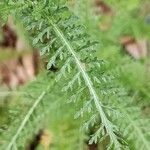
Achillea nobilis
It is called in Iran "boo madaran" بو مادران · Noble yarrow · Yarrow · Creamy Yarrow · White Yarrow
Description
Source: leafsnapAchillea nobilis, commonly known as noble yarrow, is a perennial herbaceous plant belonging to the Asteraceae family. Native to Europe and Asia, it has also been naturalized in North America. The plant can grow up to 60 cm tall and features a woody stem with feathery, gray-green leaves. Its small flowers, either white or pinkish, form flat-topped clusters at the top of the stem. Achillea nobilis has been used for medicinal purposes for centuries due to its anti-inflammatory properties. Additionally, it serves as an herbal remedy for digestive issues such as bloating, gas, and indigestion. Beyond its medicinal uses, Achillea nobilis is also grown as an ornamental plant because of its attractive flowers, which bloom from June through August. The plant thrives in well-drained soil with full sun exposure but can tolerate partial shade. In summary, Achillea nobilis is a versatile plant with both medicinal benefits and ornamental appeal, making it a popular choice among gardeners worldwide.
Care Guide
💧 Water Every 7 days
Noble yarrow, native to temperate regions, thrives in conditions of moderate moisture. It should be watered weekly to stay hydrated without oversaturating the soil. As an herbaceous perennial, yarrow efficiently uses rainfall during its growing season, which aligns with the water availability in its natural habitat.
How should I water my Noble yarrow plant?
To properly water the Noble yarrow, it is important to follow a few guidelines. Firstly, it is recommended to use filtered water at room temperature. This is because tap water may contain harmful particles that can affect the plant's health. Additionally, the water should not be too cold, as the Noble yarrow is accustomed to warm environments and cold water could potentially shock its system. Another important point is to avoid overhead watering, as this can lead to problems with the foliage. Instead, it is recommended to directly apply the filtered room temperature water to the soil until it is completely soaked. This method of soaking the soil is beneficial for the plant as it provides moisture to the roots and helps them spread and gather essential nutrients from the soil.
What should I do if I give my Noble yarrow too much or too little water?
Overwatering is a common issue for Noble yarrow and can cause wilting, yellowing, and diseases like root rot, mold, and mildew. Underwatering is less common, but can make the leaves brittle and brown. It's important to recognize signs of overwatering early and reduce watering if necessary. Check the soil quality and replace it if it drains poorly. If the plant is receiving too little water, increase watering until the signs improve.
How frequently should I water my Noble yarrow?
If your Noble yarrow plant is in a pot, the most precise way to determine if it needs water is to stick your finger into the soil. If the top few inches are dry, you should add water. The same method can be used if you're growing the plant outdoors in the ground. During spring and early fall, you may need to water it once a week using this method. In extremely hot weather, you might need to water it twice or more per week. However, mature and well-established Noble yarrow plants are known to be able to withstand drought.
How much water does my Noble yarrow plant need?
When watering your Noble yarrow, be generous with the amount of water you give. Wait until the top few inches of soil are dry, then water thoroughly until the soil is completely soaked. Make sure the excess water drains out of the pot through the drainage holes. If you don't see any water draining, you might not have watered enough or your soil may be poorly draining. Avoid letting water accumulate in the soil as this can harm the plant. For outdoor plants, 1 inch of rain per week is enough.
How do I water my Noble yarrow as it grows?
The water requirements of the Noble yarrow can vary depending on its growth stages. In the first few years of its life or after transplanting, it will need more water than usual. During these stages, the plant focuses on developing new roots, which need extra moisture to support future growth. As the Noble yarrow matures, it will require less water. However, during the bloom period, when the flowers are developing, it may need additional water as the process utilizes a significant amount of moisture.
☀️ Light Full sun
Noble yarrow performs best in unobstructed, bright sunlight, which is crucial for its health and growth. Its native habitat had ample sun exposure. Excessive or insufficient light does not greatly affect it, although its growth is assured under optimal sunlight intensity.
What are the sunlight requirements for Noble Yarrow?
Noble Yarrow requires full sun, which means it thrives best with more than 6 hours of sunlight a day. However, it can also tolerate partial sun, about 3-6 hours of sunlight. It's important to observe the movement of sunlight through your garden to find spots that offer a balance of light and shade, ensuring the plants receive the optimal conditions for their growth.
How essential is sunlight for the growth of Noble Yarrow?
Sunlight is cardinal for the health and growth of Noble Yarrow, originating from a habitat abundant in solar illumination. While the plant can tolerate some variation in light exposure, its optimal growth is ensured under conditions of optimal sunlight intensity. For indoor plants especially, when natural sunlight is insufficient, artificial lighting can provide the necessary wavelengths of light. Full sun plants require 30-50W per square foot of artificial light, partial sun plants need 20-30W, and full shade plants need 10-20W.
What are the symptoms of inadequate light in Noble Yarrow?
Symptoms of light deficiency in Noble Yarrow include smaller new leaves, leggy or sparse growth, faster leaf drop, slower or no new growth, and lighter-colored new leaves. Additional stress symptoms such as chlorosis, sunscald, leaf curling, wilting, and leaf scorching can occur due to improper sunlight exposure. These issues indicate either a lack of enough light or overexposure to sunlight, both of which negatively impact the plant's health.
What solutions can mitigate light deficiency symptoms in Noble Yarrow?
To mitigate light deficiency in Noble Yarrow, one can adopt several strategies. Indoors, gradually moving plants to a location with at least 6 hours of direct sunlight daily or using artificial light sources for added illumination can help. Outdoors, adjusting plant placement to increase sunlight exposure gradually is key to avoiding sunburn. Practices such as reducing obstructions, like pruning obstructive tree branches, or transplanting smaller plants to sunnier locations can also significantly benefit the plants. It's important to remember that parts of the plant affected by insufficient sunlight might not recover, but new growth should be healthy with improved light conditions.
🌡️ Temperature 5–25°C
Noble yarrow originates from cool environments and performs best at 41 to 77 °F (5 to 25 ℃). It prefers not to exceed that temperature range, which implies relocating it to cooler locations during hotter months.
What is the ideal temperature range for growing Noble yarrow?
Noble yarrow (Achillea nobilis) thrives in cool temperature environments, with an ideal temperature range of 41 to 77 °F (5 to 25 °C). It prefers not to be exposed to temperatures outside of this range. During the hotter months, it's advisable to move the plant to cooler locations to ensure the temperature does not exceed its preferred range. Noble yarrow is highly adaptable to cold and doesn't require additional frost protection measures in winter. However, to prepare for the first freeze, it's recommended to water the plant generously to keep the soil moist, which helps prevent drought and water scarcity during winter and early spring.
How does Noble yarrow react to low temperatures?
Noble yarrow is extremely tolerant of cold temperatures and can withstand winter temperatures down to -25°C (-13°F). While the plant might not show any noticeable changes during the winter, if the temperature falls below this threshold, it can lead to a decrease in sprouting or even no sprouting at all in the spring. To mitigate this, any parts of the plant that have failed to sprout by spring should be removed.
What should I do if my Noble yarrow is exposed to high temperatures?
Noble yarrow struggles with high temperatures, particularly when the mercury rises above 25°C (77°F). Under such conditions, its growth may halt and the plant becomes more prone to rot. To help the plant cope, you should trim away any sunburned and dried-up parts. Additionally, move the plant to a location that provides shade during the most intense midday and afternoon sun, or consider using a shade cloth. Watering the plant in the morning and evening can also help keep the soil moist and cool.
💨 Humidity
🪴 Soil 6-7
🌱 Fertilizer
The best time to fertilize Noble yarrow is in early spring, when it is coming out of dormancy and beginning active growth. Fertilization supplies essential nutrients for healthy development. Although Noble yarrow has relatively low fertilizer requirements, applying fertilizer once a year can improve its survival and encourage better, longer-lasting flowers.
🪴 Pot & Repot
✂️ Pruning
Noble yarrow is a herbaceous perennial known for its feathery leaves and clusters of white flowers. To promote growth, it's best to prune the plant from early to late spring, removing any dead stems to maintain its health. Selective pruning encourages strong development and can lead to a second blooming phase, enhancing the plant's overall vigor.
🌿 Propagating
🐛 Diseases & pets
☠️ Toxicity
Achillea nobilis has no toxic effects reported.
Characteristics
- Plant Type
- Herb
- Life Cycle
- Perennial
- Genus
- Achillea
- Family
- Asteraceae
- Hardiness Zone
- 5
- Mature Height
- 49 cm
- Mature Spread
- 25 cm to 37 cm
- Leaf Color
- Green, Blue
- Leaf Type
- Deciduous
- Flower Color
- White
- Flower Size
- 2.03 cm to 10.16 cm
- Bloom Time
- Summer
- Planting Time
- Spring, Summer
- Harvest Time
- Late summer, Early fall, Mid fall