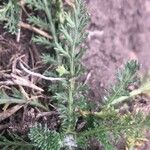
Achillea odorata
Cream-flowered sneezewort · Yarrow
Description
Source: leafsnapAchillea odorata, commonly known as sweet yarrow or sweet-scented yarrow, is a perennial herbaceous plant belonging to the Asteraceae family. Native to Europe and Asia, it has also become naturalized in North America. The plant can grow up to 60 cm tall and features a woody stem with feathery leaves finely divided into thread-like segments. The small flowers, which are either white or pinkish, are arranged in flat-topped clusters at the top of the stem. For centuries, Achillea odorata has been valued for its medicinal properties, especially its anti-inflammatory effects. It is often used as an herbal remedy for digestive issues such as bloating, gas, and indigestion. Beyond its medicinal applications, Achillea odorata is also cultivated for ornamental purposes due to its attractive flowers. The plant thrives in well-drained soil with full sun exposure but can tolerate partial shade. It can be propagated either by root division or seed sowing in the spring or fall. Overall, Achillea odorata is a versatile perennial herb that offers both medicinal benefits and ornamental appeal, making it a popular choice for gardeners worldwide.
Care Guide
💧 Water Every 7 days
The cream-flowered sneezewort thrives in environments with balanced moisture and does best with weekly watering. Native to regions that receive moderate rainfall, it benefits greatly from natural rain during the growing season. This not only enhances its resilience but also promotes lush foliage.
How should I water my Cream flowered sneezewort?
When watering the Cream flowered sneezewort, it is best to use filtered water at room temperature. Tap water may contain harmful particles, so filtered water is preferable. The plant is adapted to a warm environment, so avoid using cold water as it can shock the plant. Instead of overhead watering, apply filtered room temperature water directly to the soil until it is fully soaked. This helps the roots absorb nutrients and spread throughout the soil.
What should I do if I give too much or too little water to my Cream flowered sneezewort?
It's important to pay attention to the watering needs of your Cream flowered sneezewort. Overwatering is a common problem that can cause wilting, yellowing leaves, and even diseases like root rot, mold, and mildew. On the other hand, underwatering is less common for this plant but can still happen, resulting in brittle and brown leaves. It's crucial to catch signs of overwatering early and adjust your watering schedule accordingly. If the soil doesn't drain well, replace it with a loose, well-draining potting mix. If you notice signs of underwatering, simply increase your watering frequency.
How often do I need to water my Cream colored sneezewort flower?
If your Cream flowered sneezewort plant is in a pot, the best way to determine if it needs water is to stick your finger into the soil. If the top two to three inches of soil are dry, it's time to water. If you have the Cream flowered sneezewort planted outdoors, you can use a similar method to test the soil. Once the top few inches of soil have dried out, it's time to water. Typically, during spring and early fall, watering about once a week is sufficient. However, in extremely hot weather, you may need to increase watering to twice a week or more. It's important to note that mature and well-established Cream flowered sneezewort plants can tolerate drought well.
How much water does my Cream flowered sneezewort require?
When watering your Cream flowered sneezewort, don't be shy about how much water you give. Make sure the first two to three inches of soil are dry before watering. It's best to give a thorough watering, enough to soak the soil completely. You should see excess water flowing out of the drainage holes at the bottom of the pot. If there's no excess water, you've likely underwatered the plant. However, you should also avoid letting water accumulate in the soil, as it can be harmful to the plant. Poorly draining soils should also be avoided. If the plant is outside, 1 inch of rain per week is sufficient.
How do I water my Cream flowered sneezewort as it grows?
The water needs of the Cream flowered sneezewort can vary depending on its growth stages. In the first few years of the plant's life or when it has just been transplanted, it will require more water than usual. During these stages, the plant focuses its energy on developing new roots, which require extra moisture to support future growth. As the plant matures, its water needs decrease. However, during the bloom period, when the flowers are developing, the Cream flowered sneezewort may need more water again. This is because flower development requires a significant amount of moisture.
☀️ Light Full sun
Cream-flowered sneezewort is a sun-loving perennial herb native to open habitats, frequently thriving in meadows and grasslands. It favors full sun but can also tolerate partial sun.
What are the sunlight requirements for Cream flowered sneezewort?
Cream flowered sneezewort thrives in conditions ranging from full sun, which is above 6 hours of sunlight, to partial sun, about 3-6 hours of sunlight daily. The plant is a sun-loving perennial herb that does well in open habitats, such as meadows and grasslands. Keeping an eye on how sunlight moves through your garden will help you find the ideal location for your plants, ensuring a good balance of light and shade to keep them happy.
How can artificial lighting support Cream flowered sneezewort indoor growth?
When natural sunlight is insufficient, especially during winter or in less sunny spaces, artificial lighting can be a crucial aid for indoor Cream flowered sneezewort plants, promoting faster and healthier growth. Opt for LED lights as they can be tailored to provide specific light wavelengths needed by plants. Full sun plants require 30-50W/sq ft, partial sun plants need 20-30W/sq ft, and full shade plants should have 10-20W/sq ft of artificial light. The light source should be placed 12-36 inches above the plant, mimicking natural sunlight's distance, and kept on for 8-12 hours per day to imitate the natural daylight hours.
What are the symptoms of insufficient light in Cream flowered sneezewort?
Cream flowered sneezewort may exhibit several symptoms when exposed to inadequate lighting, such as smaller new leaves, leggy or sparse growth, faster leaf drop, slower or halted growth, paler new leaves, chlorosis (yellowing leaves due to chlorophyll breakdown), sunscald, leaf curling, wilting, and leaf scorching. These symptoms indicate the plant's struggle with poor light conditions, affecting its growth, color, and overall health.
What solutions can help Cream flowered sneezewort recover from insufficient sunlight?
To enhance light exposure for Cream flowered sneezewort, gradually move the plant to sunnier spots, ensuring at least 6 hours of direct sunlight daily. For indoor plants, use south-facing windows or artificial lights like desk lamps or professional grow lights for at least 8 hours daily. If the plant is outdoors, avoid sudden changes in sunlight exposure to prevent sunburn. For plants with low sunlight, identify and minimize obstructions, or consider transplanting smaller plants during their dormant period to sunnier locations with good drainage, to promote healthy new growth.
🌡️ Temperature 5–35°C
Cream flowered sneezewort can tolerate a wide range of temperatures, but its distribution may still be restricted by different combinations of moisture and heat. It does best in warm summer climates with sufficient rainfall or irrigation. Long stretches of cloudy, rainy weather or extended high temperatures can increase the chances of Cream flowered sneezewort dying. In winter, adequate protection from cold can boost the plant's survival rate.
What is the cream flowered sneezewort?
The cream flowered sneezewort, scientifically known as Achillea odorata, is a plant recognized by its distinctive cream-colored flowers. Unfortunately, there is no further information provided about its essentials or symptoms that may be associated with its presence or use.
💨 Humidity
🪴 Soil 6-7
🌱 Fertilizer
The best time to fertilize a Cream flowered sneezewort is in early spring, as it breaks dormancy and starts active growth. Fertilizing supplies essential nutrients needed for healthy development. Even though Cream flowered sneezewort has fairly low fertilizer requirements, feeding it once a year can improve its chances of survival and encourage better, longer-lasting blooms.
🪴 Pot & Repot
✂️ Pruning
Cream-flowered sneezewort showcases beautiful cream-colored blooms accompanied by fragrant foliage. To maintain its health and stimulate flowering, it's best to prune the plant from early to late spring before new growth begins. During pruning, remove any dead stems to improve airflow and encourage more blooms. Always use clean, sharp tools to reduce stress on the plant and minimize the risk of disease. This promotes consistent health and vigor for your cream-flowered sneezewort.
🌿 Propagating
🐛 Diseases & pets
☠️ Toxicity
Characteristics
- Plant Type
- Herb
- Life Cycle
- Perennial
- Genus
- Achillea
- Family
- Asteraceae
- Hardiness Zone
- 4-9
- Mature Height
- 20 cm to 40 cm
- Mature Spread
- 30 cm to 49 cm
- Leaf Color
- Green, Dark Green
- Leaf Type
- Semi-evergreen
- Flower Color
- White
- Flower Size
- 0.25 cm to 0.51 cm
- Bloom Time
- Late spring, Early summer, Mid summer
- Planting Time
- Spring, Summer, Autumn
- Harvest Time
- Mid summer, Late summer, Early fall
- Native Area
- Morocco, Spain, Algeria, France