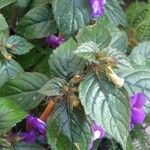
Achimenes grandiflora
Cupid's bower · Monkey-faced pansy · Hot-water plant · Magic Flower
Description
Source: leafsnapAchimenes grandiflora (Schltdl.) DC. is a plant species in the genus Achimenes, family Gesneriaceae. It is native to Mexico and Central America, growing in mountainous regions from Chihuahua to Nicaragua. It is cultivated as an ornamental in other places because of its showy purple flowers.
Care Guide
💧 Water
The hot water plant flourishes in humid, tropical environments, where it prefers evenly moist soil and can tolerate moderate droughts. For optimal health, water it weekly. When grown indoors as an ornamental plant, it benefits from high levels of ambient humidity. To maintain this humidity, you can mist the plant regularly or use a pebble tray.
How should I water my Hot water plant in the best way?
To properly care for the Hot water plant, it is recommended to use filtered water at room temperature. Tap water may contain harmful particles, so filtered water is preferred. Since the Hot water plant is native to warm environments, it is important to use water that is at room temperature or slightly warmer to avoid shocking the plant. Additionally, overhead watering should be avoided as it can cause issues with the plant's foliage. Instead, it is best to thoroughly soak the soil with the filtered room temperature water, as this helps the roots to spread and absorb the necessary nutrients.
What should I do if I give my Hot water plant too much water or too little water?
Taking proper care of your Hot water plant is essential to its health. It's important to avoid both overwatering and underwatering, but overwatering is a more common problem. Overwatering can cause wilting, yellowing leaves, and even diseases like root rot, mold, and mildew that can be fatal. Underwatering is less likely but can still occur, resulting in brittle, brown leaves. Identifying signs of overwatering early is crucial, as correcting certain diseases, like root rot, becomes challenging if left untreated. To prevent overwatering, reduce watering if you notice early signs and ensure the soil drains well by using a loose, well-draining potting mix. If you observe signs of underwatering, simply increase your watering frequency until the signs disappear.
How frequently should I water my Hot water plant?
If you have your Hot water plant in a pot, you can check if it needs water by putting your finger in the soil. If the top two to three inches of soil are dry, it needs water. If you have your Hot water plant in the ground outside, you can use the same method to test the soil. When the top few inches of soil are dry, it's time to water. In the spring and early fall, you'll likely need to water this plant about once a week. In very hot weather, you may need to water it twice a week or even more. However, mature, well-established Hot water plants can endure drought well.
How much water does my hot water plant require?
To properly water your Hot water plant, don't hold back on the amount of water you give. Wait until the top few inches of soil are dry, then give a generous and thorough watering. Make sure the water penetrates the soil completely, causing excess water to flow out of the drainage holes at the bottom of the pot. If you don't see any excess water draining, it means you haven't watered enough. However, be careful not to let the water sit in the soil, as this can harm the plant. On the other hand, if water doesn't drain properly from the pot, it may be due to poorly draining soil, which is not good for the plant's health. If the plant is outside, receiving about 1 inch of rain per week should be enough.
How should I water my Hot water plant when it is growing at different stages?
The water needs of the Hot water plant can vary based on its growth stages. In the early years or when transferring the plant to a new location, more water is required. This is because the plant is focused on developing new roots to support future growth, and these roots need extra moisture to perform well. As the plant matures, less water is needed. Additionally, during the bloom period, when the plant is producing flowers, it may require additional water as flower development requires a significant amount of moisture.
☀️ Light Partial sun
The hot water plant performs best in locations with plentiful, uninterrupted sunlight. While it can tolerate lower light levels, it thrives when exposed to full, unobstructed sun. In its natural habitat the plant orients itself toward the sun and grows most healthily under those conditions. Overcast skies or insufficient light can potentially impede its growth.
What are the sunlight requirements for a Hot Water Plant?
The Hot Water Plant, or Achimenes grandiflora, demands above 6 hours of sunlight daily to thrive optimally. It's essential to ensure that these plants receive a generous amount of unobstructed sunlight. Watch the sunlight's movement through your garden to choose spots that offer the perfect balance of light and shade, thereby guaranteeing the well-being of your plants. While it can tolerate lower light conditions, its growth is most pronounced when bathed in full, direct sunlight.
Are artificial lights beneficial for the Hot Water Plant?
Yes, artificial lighting can be extremely beneficial for the Hot Water Plant, especially when natural sunlight is insufficient. This is particularly useful during winter or in less sunny indoor spaces. Artificial lights, such as LEDs, can be customized to provide the specific wavelengths needed by the plants, ensuring faster and healthier growth. For optimal growth, full sun plants require 30-50W/sq ft, partial sun plants 20-30W/sq ft, and full shade plants 10-20W/sq ft of artificial light. The lights should be positioned 12-36 inches above the plant, mimicking natural sunlight as closely as possible, for 8-12 hours a day.
What are the symptoms of insufficient light in a Hot Water Plant?
When a Hot Water Plant does not receive adequate lighting, several symptoms can arise. These include smaller new leaves, leggy or sparse growth, faster leaf drop, slowed or halted growth, lighter-colored new leaves, chlorosis or yellowing of leaves, sunscald, leaf curling, wilting, and leaf scorching. These symptoms indicate a range of issues from insufficient sunlight to overexposure, each affecting the plant's ability to grow and thrive properly.
How can I address insufficient sunlight for my Hot Water Plant?
To combat insufficient sunlight, gradually move your Hot Water Plant to a sunnier spot, aiming for at least 6 hours of direct sunlight daily. For indoor plants, consider using a south-facing window or supplement with artificial lighting like desk or ceiling lamps for a minimum of 8 hours a day. Professional plant grow lights are also an excellent option. Outdoors, ensure a gradual transition to avoid sunburn. Observe and minimize any obstructions that might block sunlight. For smaller plants, you might need to transplant them during their dormant period to a location with better sunlight and drainage. Remember, parts of the plant that have suffered due to low sunlight might not recover, but new growth will be healthy with improved light conditions.
🌡️ Temperature 15–32.2°C
Hot water plant is native to temperature-regulated environments and grows best at temperatures of 59 to 90 °F (15 to 32 °C). Given these preferences, seasonal temperature adjustment may be required to reproduce its optimal conditions.
What is the optimal temperature range for the Hot water plant?
The Hot water plant, known botanically as Achimenes grandiflora, thrives in temperature-regulated environments. For optimal growth, it prefers conditions ranging from 59 to 90°F (15 to 32°C). These preferences indicate that the plant is adaptable to a wide range of temperatures, but seasonal adjustments might be necessary to maintain the ideal growing conditions.
Does the Hot water plant require special frost protection measures?
The Hot water plant has strong cold resistance, which typically eliminates the need for special frost protection measures during winter. However, if winter temperatures are expected to drop below -15°C, it becomes crucial to provide cold protection. This can involve covering the plant with insulating materials such as soil or straw. Additionally, watering the plant abundantly before the first freeze in autumn is recommended to ensure the soil remains moist. This measure helps in preventing drought and water scarcity for the plant during winter and early spring.
How does the Hot water plant react to temperatures below -15°C?
When the temperature falls below -15°C, the Hot water plant, despite its cold tolerance, may experience a reduction in sprouting, or in some cases, fail to sprout during springtime. There may not be noticeable changes during the winter, but the colder temperatures could impact the plant's ability to rejuvenate in warmer seasons.
What should be done if the Hot water plant is exposed to high temperatures?
In case the Hot water plant is exposed to temperatures above its optimal range, specifically if the temperature exceeds 35°C, several symptoms might appear. These include leaves becoming lighter in color, prone to curling, susceptibility to sunburn, and in severe cases, wilting and drying of the entire plant. To mitigate these effects, it's advised to trim away sunburned and dried parts, move the plant to a shaded location or use a shade cloth to protect it from midday and afternoon sun. Additionally, watering the plant during cooler times of the day, such as in the morning and evening, will help keep the soil moist and support the plant's wellbeing.
💨 Humidity
🪴 Soil 5-6
🌱 Fertilizer
The best time to fertilize a Hot water plant is in early spring, when it is coming out of dormancy and starting active growth. Fertilization supplies essential nutrients for healthy growth. Although the Hot water plant has relatively low fertilizer requirements, applying fertilizer annually can improve its survival and encourage better, longer-lasting flowers.
Why is it necessary to fertilize my Hot water plant?
Fertilization is important for the Hot water plant for various reasons. It provides essential nutrients for the plant's growth, both above and below ground. However, the Hot water plant doesn't require a lot of fertilization. In some cases, it can survive without it. Nevertheless, annual fertilization can greatly benefit the Hot water plant, keeping it alive and promoting the development of longer-lasting, more beautiful flowers. Therefore, those who want their Hot water plant to thrive should make sure to fertilize it annually.
When should I fertilize my Hot water plant?
The best time to fertilize a Hot water plant is in the late winter to early spring. This is when the plant is transitioning from dormancy to active growth. Fertilizing at this time promotes healthy growth and sets the plant up for a successful season. Fertilizing in the fall is also acceptable, but it is not recommended to feed the plant during the summer or winter.
When is it not a good idea to put fertilizer on my Hot water plant?
To properly care for your Hot water plant, it is important to note that fertilization should only occur during the late winter and early spring. This plant has low fertilization needs, so a single annual feeding is sufficient. Fertilizing during spring, summer, and fall can lead to overfertilization and its complications, with one exception: if you forgot to fertilize in spring, it is okay to feed the plant in the fall. Moreover, it is unnecessary to fertilize the Hot water plant during the winter. This plant goes through a dormant growth phase during that time, meaning it does not produce new growth. Therefore, it is not advisable to fertilize during most of the winter.
What kind of fertilizer does my Hot water plant require?
For a Hot water plant, any general-purpose fertilizer with a balanced amount of the three main plant nutrients will work well. However, there are specific nutrient blends that can be even more beneficial. Some gardeners believe that a higher amount of phosphorus leads to stronger roots and better flowers. Since the Hot water plant is a flowering plant, using a phosphorus-rich fertilizer may be the best approach. You can choose between granular or liquid fertilizers, as long as they have plenty of nutrients. Aside from manufactured fertilizers, compost, manure, and similar organic materials can greatly improve the soil for your Hot water plant. These organic means help create a healthy growing medium.
How should I add fertilizer to my Hot water plant?
To fertilize a Hot water plant, the most common method is to use granular or pellet fertilizer. It is important to apply the fertilizer as the plant transitions from its winter dormant phase to active growth. In early spring, wait for the plant to send shoots through the soil and then apply the fertilizer. Alternatively, some people may prefer using liquid fertilizer, which should be diluted with water before applying. Regardless of the type of fertilizer used, it is recommended to moisten the soil before, during, and after applying it.
🪴 Pot & Repot 2-3 years
When repotting Hot water plant, select a pot 1-2 inches (2.5–5.1 cm) larger that provides good drainage. Use a well-draining potting mix. Repot in spring or fall, making sure the root ball sits slightly below the rim of the flower pot. Water thoroughly after repotting and place the plant in a warm spot with indirect sunlight.
✂️ Pruning
The hot water plant showcases vibrant, trumpet-shaped flowers and lush foliage. To shape the plant and encourage growth, it's best to prune it from early to late spring. Be sure to remove any dead stems and spent flowers to promote new blooms. Additionally, clean your tools to prevent disease, which helps encourage denser foliage and abundant flowering while avoiding leggy growth.
🌿 Propagating
🐛 Diseases & pets
☠️ Toxicity
Characteristics
- Plant Type
- Herb
- Life Cycle
- Perennial
- Genus
- Achimenes
- Family
- Gesneriaceae
- Hardiness Zone
- 7-8
- Mature Height
- 30 cm to 46 cm
- Mature Spread
- 61 cm
- Leaf Color
- Forest Green, Dark Green
- Leaf Type
- Semi-evergreen
- Flower Color
- Purple, Red, White, Pink, Blue
- Flower Size
- 4.06 cm
- Bloom Time
- Summer, Early fall, Mid fall
- Planting Time
- Spring, Summer
- Harvest Time
- Fall
- Native Area
- Honduras, Mexico, Guatemala, El Salvador, Nicaragua, Costa Rica, Panama