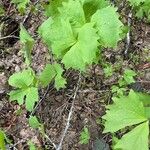
Achlys triphylla
Vanilla-leaf · Sweet after death · Deer-foot · Deervetch vanillaleaf · Sweet-after-death
Description
Source: leafsnapAchlys triphylla, common names sweet after death, deer-foot or vanilla-leaf, is a plant species native to the mountains of the West Coast of North America. It has been reported from the Cascades and from the Coast Ranges in British Columbia, Washington, Oregon and northern California, at elevations of up to 1500 m (5000 feet).Achlys triphylla is an herb up to 40 cm (16 inches) tall. It has trifoliate leaves and small white flowers.
🎭 Affection, Sexual desire, Psychic powers
Care Guide
💧 Water
Vanilla-leaf thrives in humid environments and prefers moist conditions, needing weekly watering to maintain optimal health. As a herbaceous perennial, it goes dormant during dry periods to conserve water until the growing season begins again.
How should I water my Vanilla-leaf plant in the best way?
When watering the Vanilla-leaf, it is important to use filtered water at room temperature. Tap water can have harmful particles that can affect the plant's health. The Vanilla-leaf is from a warm environment, so it is best to avoid using cold water, as it can shock the plant. Instead of overhead watering, it is better to apply the filtered room temperature water directly to the soil until it is completely saturated. This will benefit the plant by keeping the roots moist and helping them spread and absorb necessary nutrients.
If I give my Vanilla-leaf plant too much or too little water, what should I do?
Overwatering and underwatering can harm your Vanilla-leaf plant, but overwatering is more common. When the plant gets too much water, its stems and leaves may wilt and turn yellow. Overwatering for a long time can also cause diseases like root rot, mold, and mildew, which can kill the plant. Underwatering is less likely for Vanilla-leaf because it can handle drought to some extent. However, underwatering can still happen, and in those cases, the leaves may become brittle and brown. It's important to spot signs of overwatering early when caring for your plant because some of the resulting diseases cannot be fixed if you wait too long. If you notice early signs, reduce watering immediately and consider replacing poorly draining soil with a loose, well-draining potting mix. On the other hand, if your Vanilla-leaf shows signs of needing more water, simply water it more regularly until those signs go away.
How many times should I water my Vanilla-leaf plant?
If your Vanilla-leaf plant is in a pot, the most precise way to determine if it needs water is to stick your finger into the soil. If the top two to three inches of soil feel dry, then it is time to water the plant. If you are growing the Vanilla-leaf plant outdoors in the ground, you can use a similar method to test the soil. Once again, if the top few inches of soil have dried out, it is time to water. Typically, during the spring and early fall, you will need to water this plant about once a week using this method. However, in extremely hot weather, you may need to increase the watering frequency to twice a week or even more. It is important to note that mature, well-established Vanilla-leaf plants have a remarkable ability to tolerate dry conditions.
How much water does my Vanilla-leaf plant need?
When you water your Vanilla-leaf, don't hold back on the amount of water you give. Make sure the first two to three inches of soil are dry before watering. It's a good idea to thoroughly soak the soil, allowing the water to flow out of the drainage holes at the bottom of the pot. If you don't see excess water draining, you probably haven't watered enough. However, be careful not to let the water accumulate in the soil, as this can harm the plant. On the other hand, if water is not draining properly from the pot, it may mean that the soil doesn't drain well, which can also harm the plant. If the plant is outside, about 1 inch of rain per week should be enough.
How do I water my Vanilla-leaf plant as it grows?
The water needs of the Vanilla-leaf depend on its growth stages. When the plant is young or recently transplanted, it requires more water to support the growth of new roots. These roots need extra moisture to thrive. As the Vanilla-leaf matures, it will require less water. Another stage that may require more water is during blooming, as the flowers need a significant amount of moisture.
☀️ Light Full shade
Vanilla-leaf prospers with moderate sun exposure and prefers locations where sunlight is filtered through a canopy. It sprouts and grows under this filtered light. Too much intense sun or too little light can endanger healthy growth, reducing flowering and overall lushness.
What are the sunlight requirements for Vanilla-leaf?
Vanilla-leaf requires partial sun, which means about 3-6 hours of sunlight daily. It's crucial to watch how sunlight moves through your garden to choose spots with the right balance of light and shade, ensuring the plant's happiness. Vanilla-leaf thrives in moderate sun exposure, preferring environments where the sun is filtered through a canopy. This filtered light helps it sprout and develop. However, too much intense sunlight or insufficient light can negatively affect its growth, flowering, and lushness.
What should I do if natural sunlight is insufficient for my Vanilla-leaf?
When natural sunlight is insufficient, especially during winter or in less sunny spaces, artificial lighting can provide a solution for Vanilla-leaf's growth. Indoor plants require adequate lighting for optimal growth, with LED lights being a popular choice as they can be customized to provide specific wavelengths needed by plants. Full sun plants need 30-50W/sq ft of artificial light, partial sun plants need 20-30W/sq ft, and full shade plants need 10-20W/sq ft. The light source should be placed 12-36 inches above the plant, mimicking natural sunlight, and most plants need 8-12 hours of light per day.
What are the symptoms of insufficient or excessive sunlight in Vanilla-leaf?
Symptoms of insufficient light in Vanilla-leaf include smaller than average new leaves, leggy or sparse growth, faster leaf drop, slowed or stopped new growth, paler new leaves, and symptoms of excessive sunlight include chlorosis, sunscald, leaf curling, wilting, and leaf scorching. These symptoms range from changes in leaf color and size to physical damage to the plant's leaves and stems.
How can I address sunlight-related issues with my Vanilla-leaf?
To address sunlight-related issues with Vanilla-leaf, gradually increase its exposure to sunlight by moving it to sunnier spots each week until it gets 3-6 hours of direct sunlight daily. For large or immovable plants, consider using artificial lights such as desk or ceiling lamps for at least 8 hours a day, or invest in professional grow lights. If the plant is outdoors, move it gradually to avoid sunburn. Minimize obstructions like trees by pruning, and for small plants, consider transplanting during their dormant period to a location with ample sunlight and good drainage. Note that parts of the plant affected by insufficient sunlight may not recover, but new growth should be healthy with proper light exposure.
🌡️ Temperature 0–32.2°C
Vanilla-leaf comes from cool forest habitats and prefers temperatures of 32 to 32°F (0 to 32°C). In hot weather, conditions should be adjusted toward its preference for cooler temperatures. In winter, it tolerates freezing.
What are the essential care requirements for Vanilla-leaf?
Vanilla-leaf, botanically known as Achlys triphylla, thrives in cool forest habitats and prefers temperatures ranging from 0 to 32°C (32 to 32°F). It is highly tolerant to cold weather and does not require additional frost protection. However, to prepare for winter, it is advisable to water the plant generously before the first freeze in autumn to keep the soil moist. This care approach helps prevent drought and water scarcity for the plant during the winter and early spring seasons.
How does low temperature affect Vanilla-leaf, and what are the solutions?
Vanilla-leaf is extremely tolerant to cold temperatures. However, if winter temperatures drop below its growth threshold, there might not be noticeable changes during the winter, but there could be a decrease in sprouting or even no sprouting at all during springtime. The solution to this issue involves waiting until spring to remove any parts of the plant that have failed to sprout, which allows for healthier growth in the warmer season.
How does high temperature affect Vanilla-leaf, and what are the solutions?
Vanilla-leaf struggles with high temperatures. When the temperature surpasses its maximum suitable growth temperature, its growth halts, and the plant becomes more susceptible to rot. To protect the plant in such conditions, trim away sunburned and dried-up parts of the plant. Move it to a shaded location, especially away from the midday and afternoon sun, or use a shade cloth. Additionally, ensure the soil remains moist by watering the plant in the morning and evening.
💨 Humidity
🪴 Soil 6-7
🌱 Fertilizer
For Vanilla-leaf, the main time to fertilize is in early spring when flowers are forming. The right fertilizer promotes better blooms and helps Vanilla-leaf produce attractive flowers. Fertilizing in early spring ensures excellent flowers during the season and provides energy for dormant growth phases.
Why should I put fertilizer on my Vanilla-leaf plant?
Fertilization is important for the Vanilla-leaf and other plants because it provides essential nutrients for growth. Although Vanilla-leaf has relatively low fertilization needs and can survive without it, annual fertilization is beneficial. It helps keep the plant alive and improves flower quality and longevity. To maintain the best appearance of your Vanilla-leaf, regular annual fertilization is recommended.
When should I fertilize my Vanilla-leaf plant?
The best time to fertilize a Vanilla-leaf is in late winter to early spring when it is coming out of its dormant phase and starting to grow. Fertilizing at this time helps ensure healthy growth and a good start to the season. While it's generally best to fertilize during spring, it is also okay to fertilize in the fall. However, it's not advisable to feed a Vanilla-leaf during summer or winter.
When is it not a good time to fertilize my Vanilla-leaf plant?
To avoid overfertilization and its complications, it is recommended to only fertilize your Vanilla-leaf plant during late winter and early spring. One annual feeding during this time is sufficient. However, if you forgot to fertilize in spring, it is permissible to fertilize in the fall. It is important to refrain from fertilizing throughout the rest of the growing season, including winter when the plant is in a dormant phase and not actively growing.
What kind of fertilizer does my Vanilla-leaf plant need?
To fertilize your Vanilla-leaf plant, almost any general-purpose fertilizer with a balanced amount of the main plant nutrients will do the job well. However, there are particular nutrient blends that can offer even more benefits. For example, many gardeners believe that higher levels of phosphorus help strengthen the roots and improve flower production. Since Vanilla-leaf is a flowering plant, using a fertilizer rich in phosphorous may be the best choice. Whether it's in granular or liquid form, as long as the fertilizer contains sufficient nutrients, it will work. In addition to manufactured fertilizers, you can also improve the soil for your Vanilla-leaf plant using organic methods. Compost, manure, and similar materials can greatly contribute to creating a healthy growing environment for your plant.
How can I make my Vanilla-leaf plant grow better?
To fertilize a Vanilla-leaf plant, the most common method is to use granular or pellet fertilizer applied to the soil surrounding the plant. It's important to fertilize when the plant is transitioning from its dormant phase to active growth, typically in early spring when shoots emerge from the ground. If you prefer liquid fertilizer, dilute it with water before applying. Remember to moisten the soil before, during, and after fertilizing, regardless of the type of fertilizer you choose.
🪴 Pot & Repot
✂️ Pruning
Prune vanilla-leaf from early to late spring, specifically targeting dead or damaged stems. Lightly thin the plant to maintain its shape, which promotes healthy growth, improves airflow, and reduces the risk of disease. Avoid heavy cutting to prevent stress and to enhance the plant's ornamental appeal and overall vigor.
🌿 Propagating
🐛 Diseases & pets
☠️ Toxicity
Characteristics
- Plant Type
- Herb
- Life Cycle
- Perennial
- Genus
- Achlys
- Family
- Berberidaceae
- Hardiness Zone
- 3-7
- Mature Height
- 20 cm to 40 cm
- Mature Spread
- 1.52 m
- Leaf Color
- Green, Dark Green
- Leaf Type
- Semi-evergreen
- Flower Color
- White
- Flower Size
- 2.03 cm to 5.08 cm
- Bloom Time
- Mid spring, Late spring
- Planting Time
- Spring, Summer, Autumn
- Harvest Time
- Early summer, Mid summer