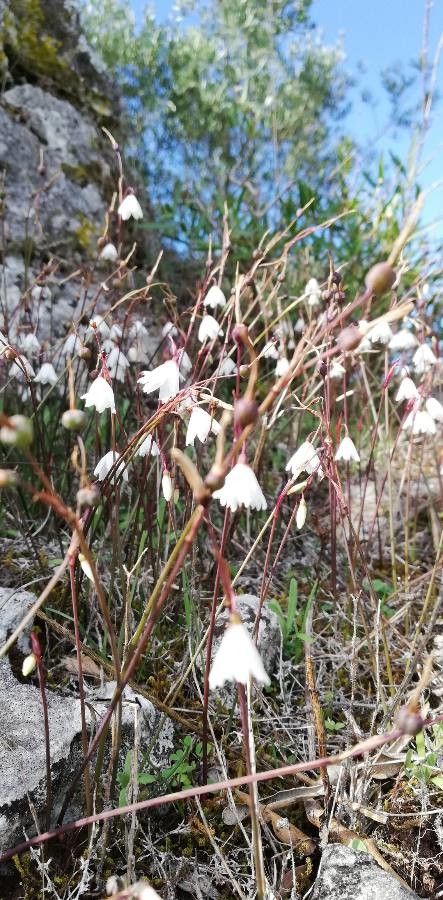
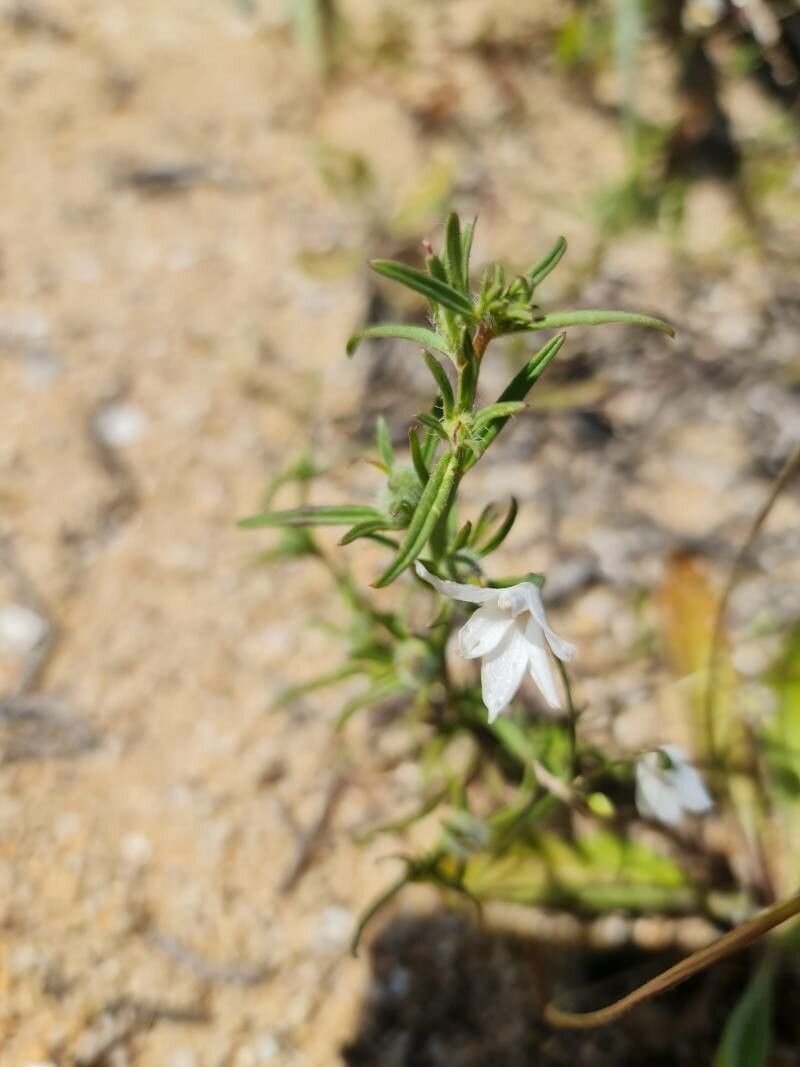
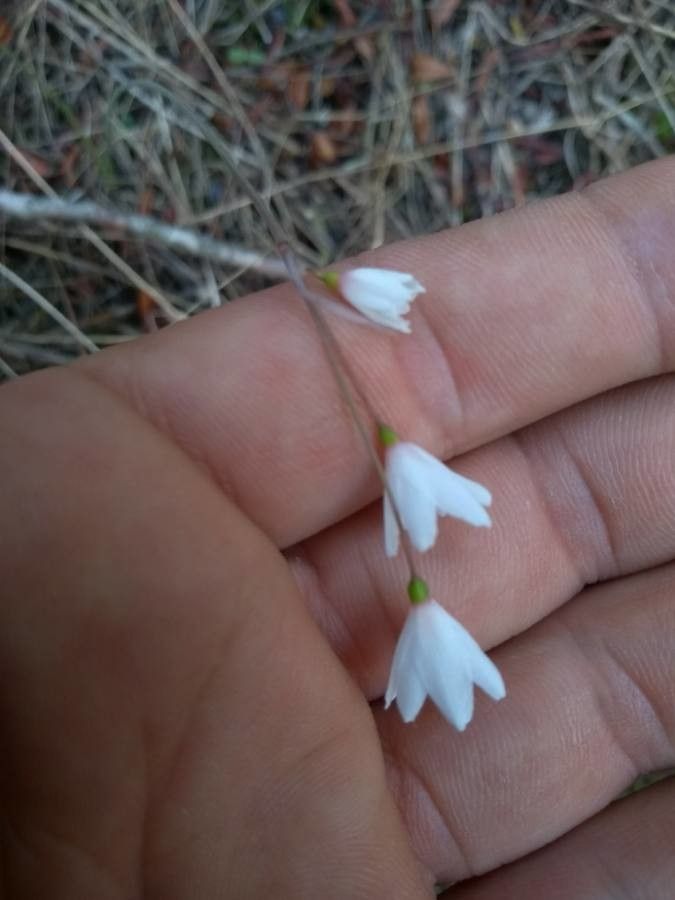
Acis autumnalis, commonly known as the autumn snowflake, is a bulbous perennial plant in the Amaryllidaceae family. Native to southern Europe and western Asia, it thrives in meadows, woodlands, and rocky areas.
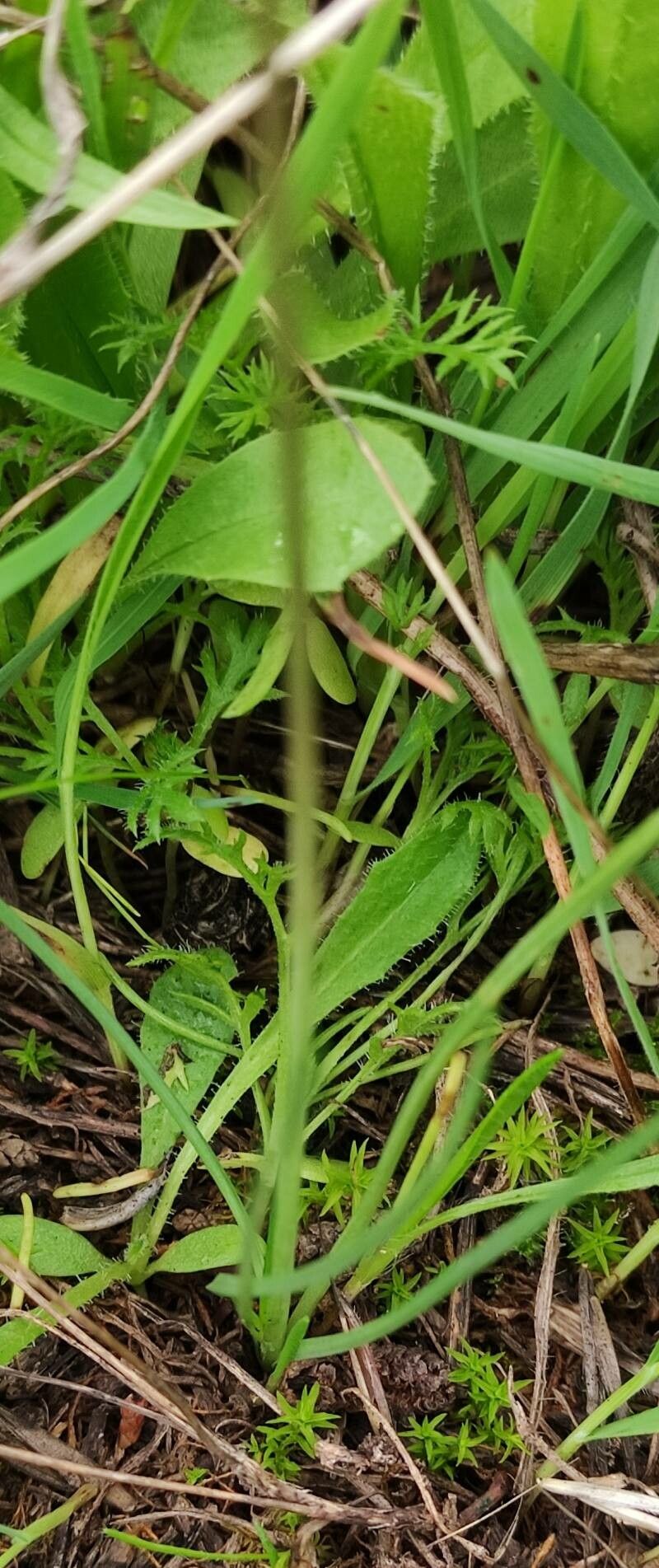
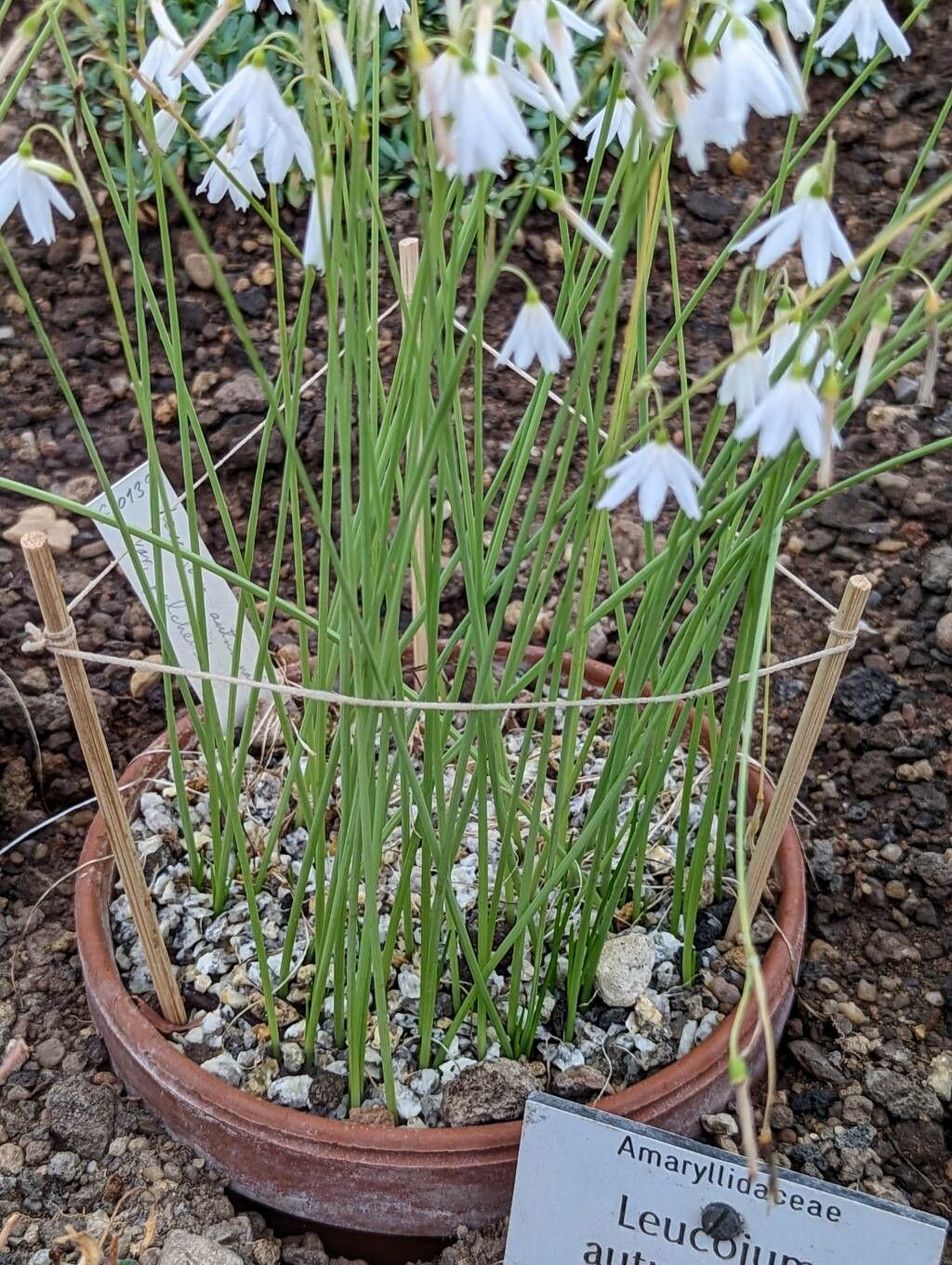
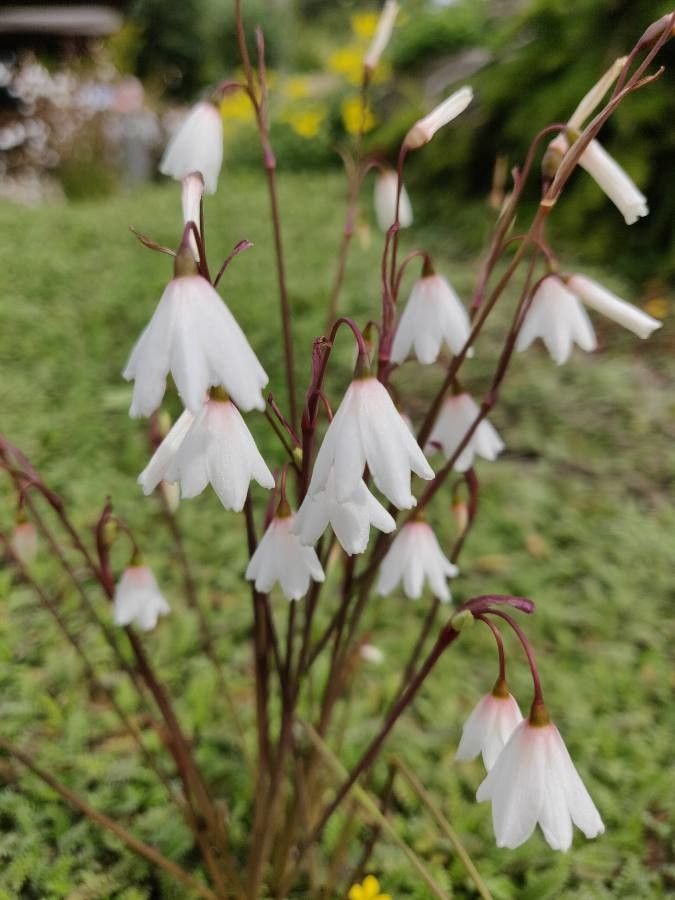
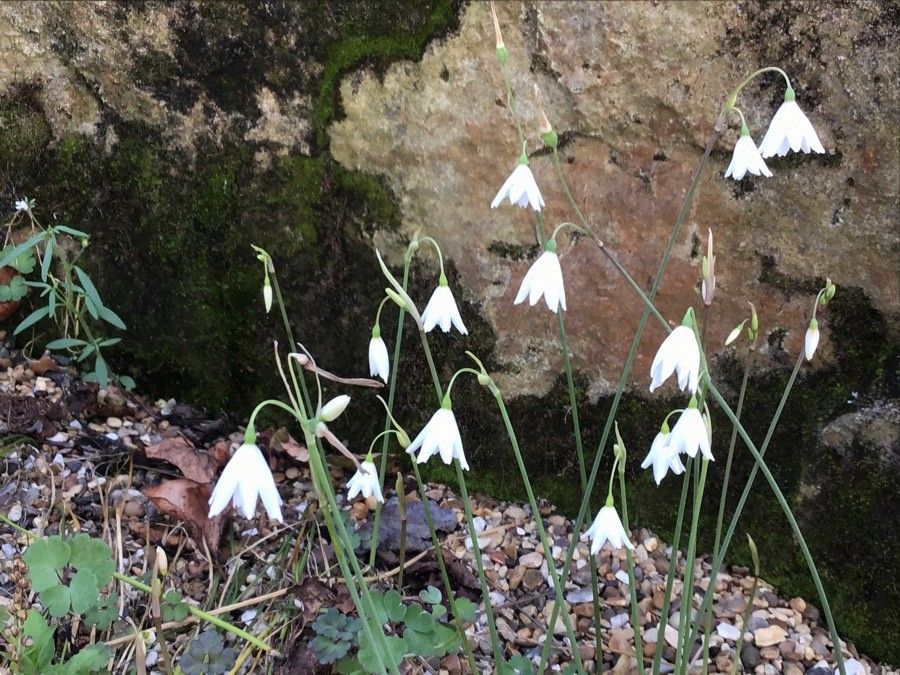
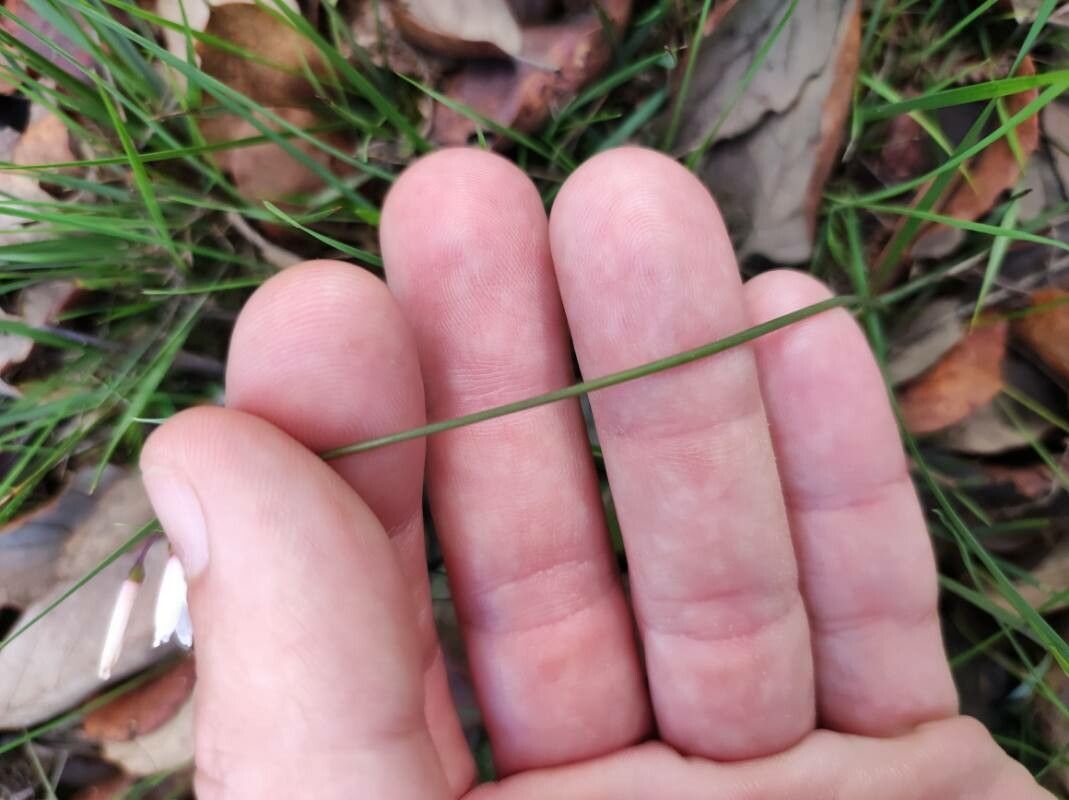
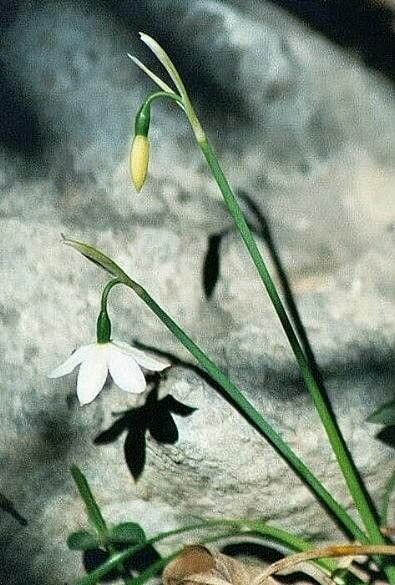
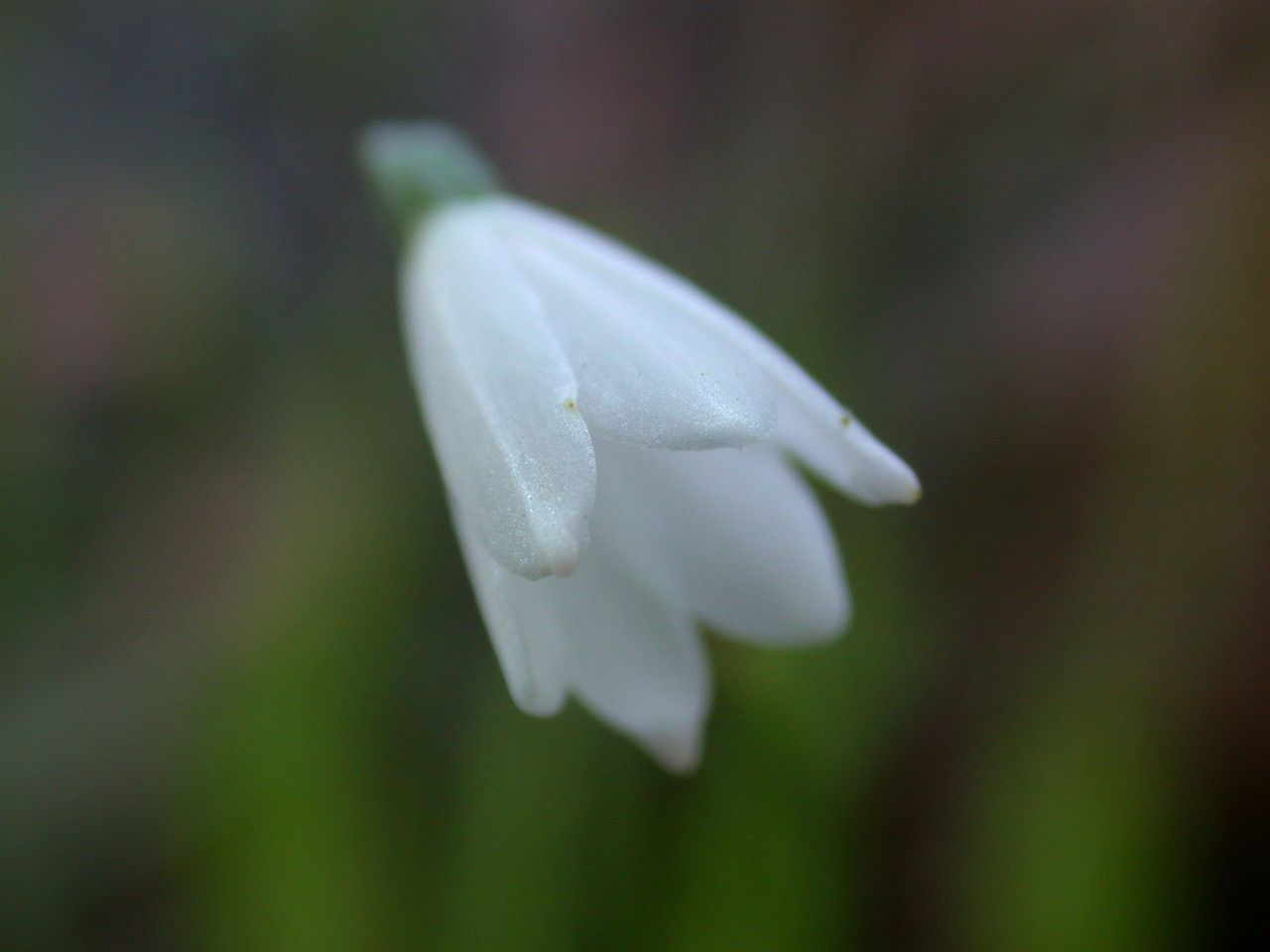
The plant features narrow green leaves that can reach up to 20 cm in length. In late summer or early autumn, it blooms with delicate white flowers that have six petals tinged with green on the outside. These flowers appear on slender stems that can grow up to 30 cm tall.
Acis autumnalis prefers well-drained soil and partial shade but can also tolerate full sun as long as the soil stays moist. It is a hardy plant that requires minimal maintenance once established.
The bulbs of Acis autumnalis have been used in traditional medicine for their diuretic properties. However, they contain toxic alkaloids and should not be consumed without medical supervision.
Overall, Acis autumnalis is a beautiful ornamental plant with delicate white flowers that add charm to any garden or landscape setting.
Autumn snowflake possesses good disease resistance and is generally not prone to diseases. However, it can be susceptible to pests and diseases present in its surroundings; these infections are typically not severe. Regarding care, this plant requires moderate maintenance. It should be pruned regularly to maintain a neat appearance and healthy growth. Fertilizing can also help encourage flowering. Autumn snowflake is suitable for anyone with an outdoor space, such as a garden or patio, and does not require extensive care experience. It may need more attention if grown indoors.
How to keep Acis Autumnalis.
Light
Autumn snowflake performs best in full daylight yet can tolerate spots with less intense illumination. It comes from habitats where open, unobstructed light is common, which promotes its growth. If that light exposure falls too low or rises too high, it can harm the plant’s overall health and development.
Water
Originating from the Mediterranean region, the autumn snowflake is a plant that thrives in environments with dry summers and wet winters. Although it is drought-tolerant, it still requires weekly watering to maintain soil moisture without becoming over-saturated. Typically grown outdoors, the autumn snowflake begins its growth cycle with the autumn rains, during which it showcases its delicate blooms.
Temperature
Autumn snowflake is typically found in regions with temperatures between 59 and 95°F (15 to 35 °C). To replicate its natural habitat, keep temperatures within that range. Seasonal adjustments may be necessary to avoid exposing it to extreme cold or heat.
Fertilizer
For Autumn snowflake, the primary time to fertilize is in early spring when the flowers are developing. The appropriate fertilizer promotes better blooms and helps Autumn snowflake produce attractive flowers. Fertilizing in early spring ensures excellent blooms during the season and provides energy for dormant growth phases.
Pruning
To help your autumn snowflake thrive, perform simple pruning, ideally in early to late spring after it has bloomed. Trim away dead foliage and spent flowers to encourage healthy growth and a second bloom. Be sure to use clean tools to prevent disease, and to enhance air circulation and the plant's overall vitality.
Botanical profile.
- Plant Type
- Herb
- Life Cycle
- Perennial
- Genus
- Acis
- Family
- Amaryllidaceae
- Hardiness Zone
- 7-9
- Mature Height
- 15 cm
- Mature Spread
- 10 cm
- Leaf Color
- Green
- Leaf Type
- Deciduous
- Flower Color
- White
- Flower Size
- 1.02 cm to 1.52 cm
- Bloom Time
- Late summer, Early fall, Mid fall
- Planting Time
- Spring
- Harvest Time
- Mid fall, Late fall, Early winter
- Native Area
- Tunisia, Italy, Spain, Algeria, Morocco, Portugal
Other names.