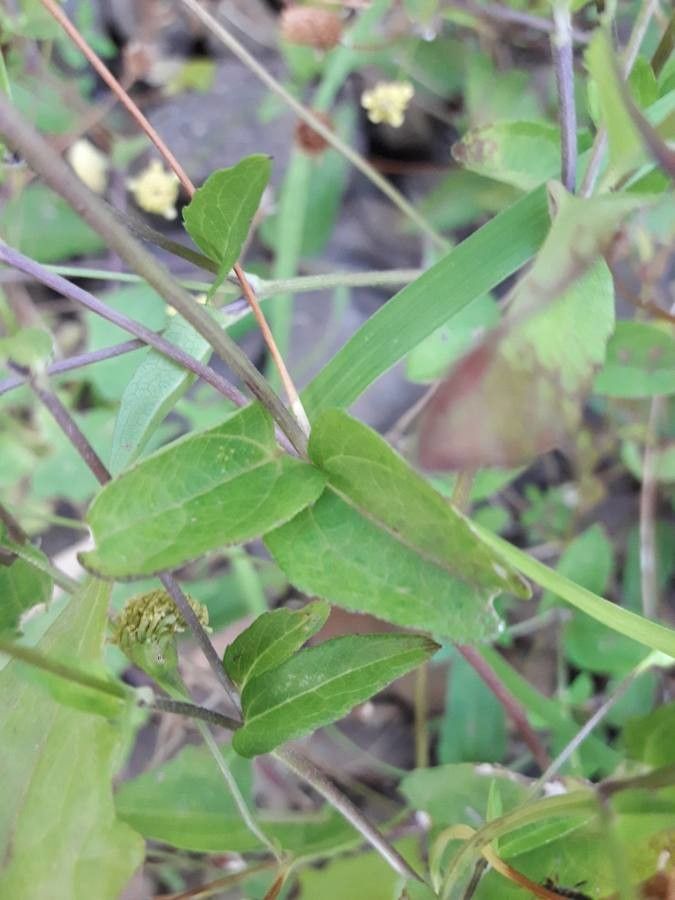
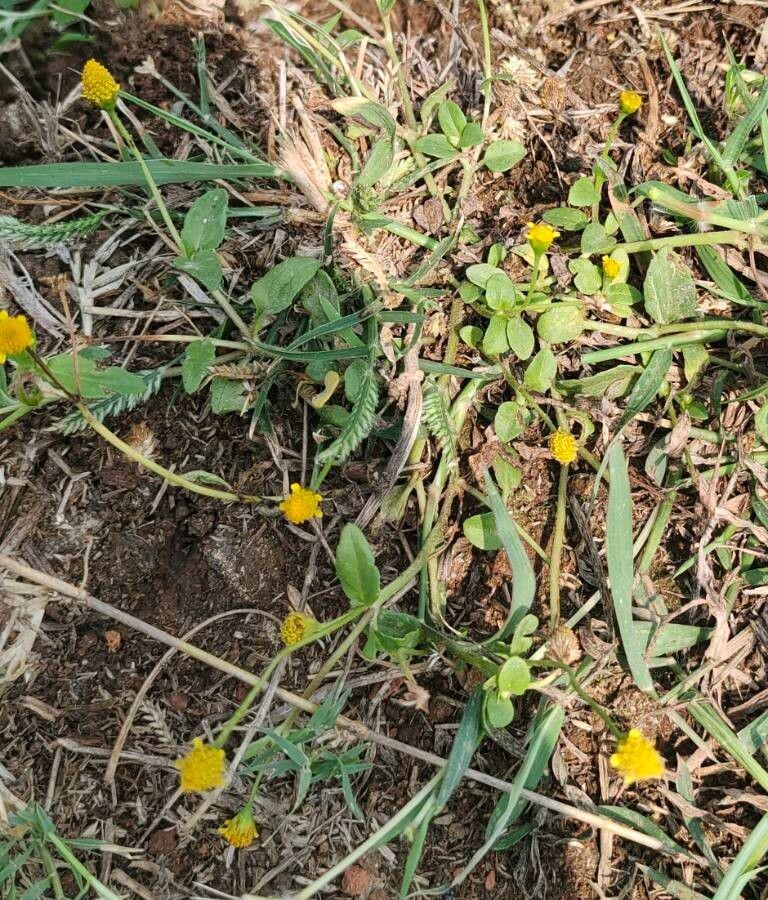
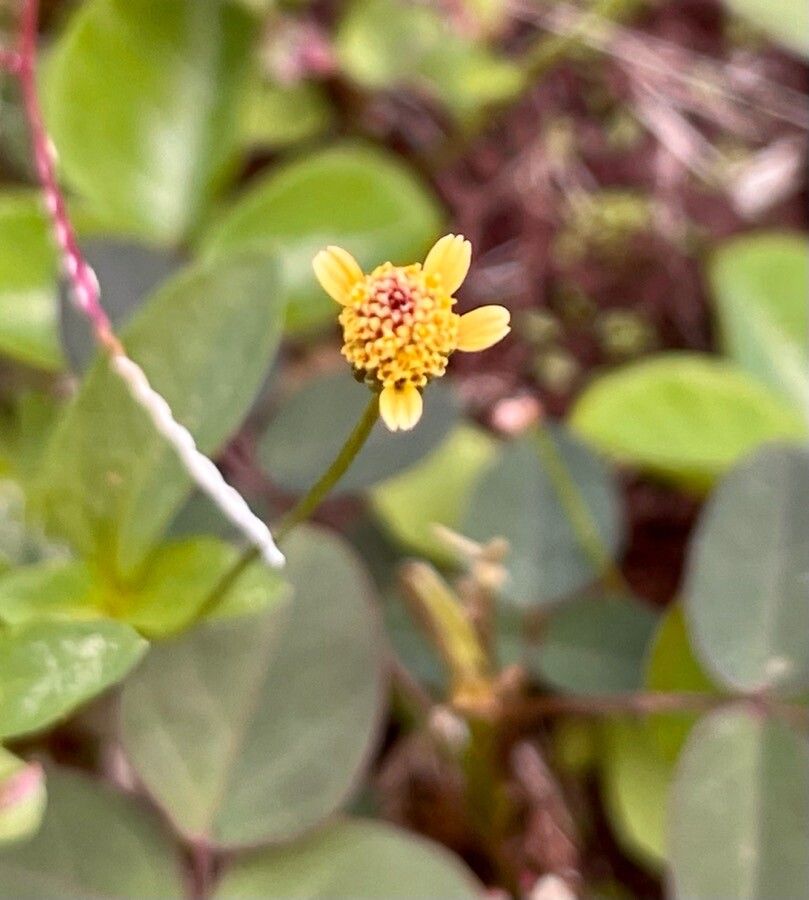
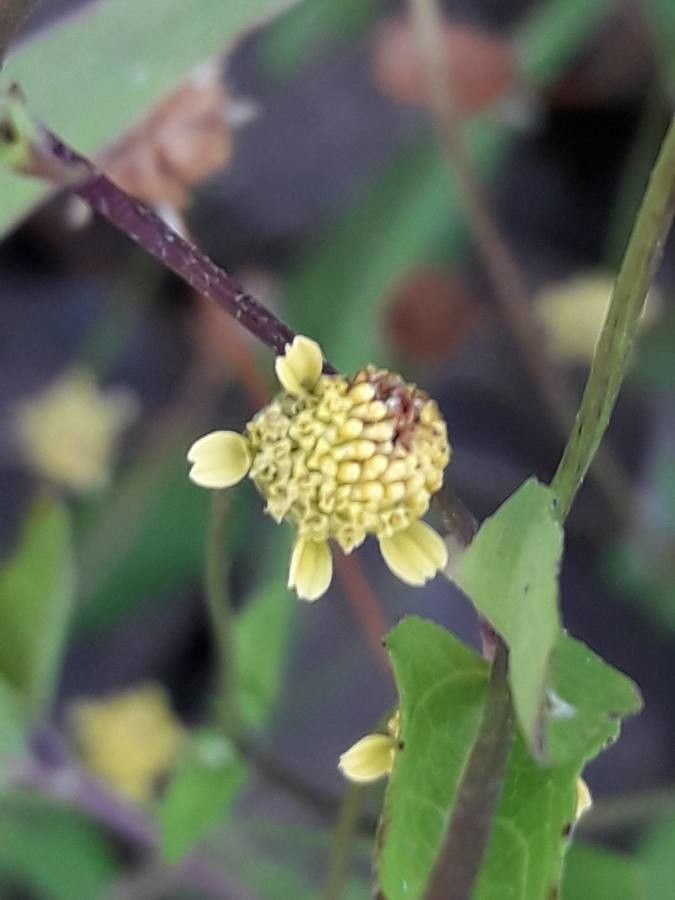
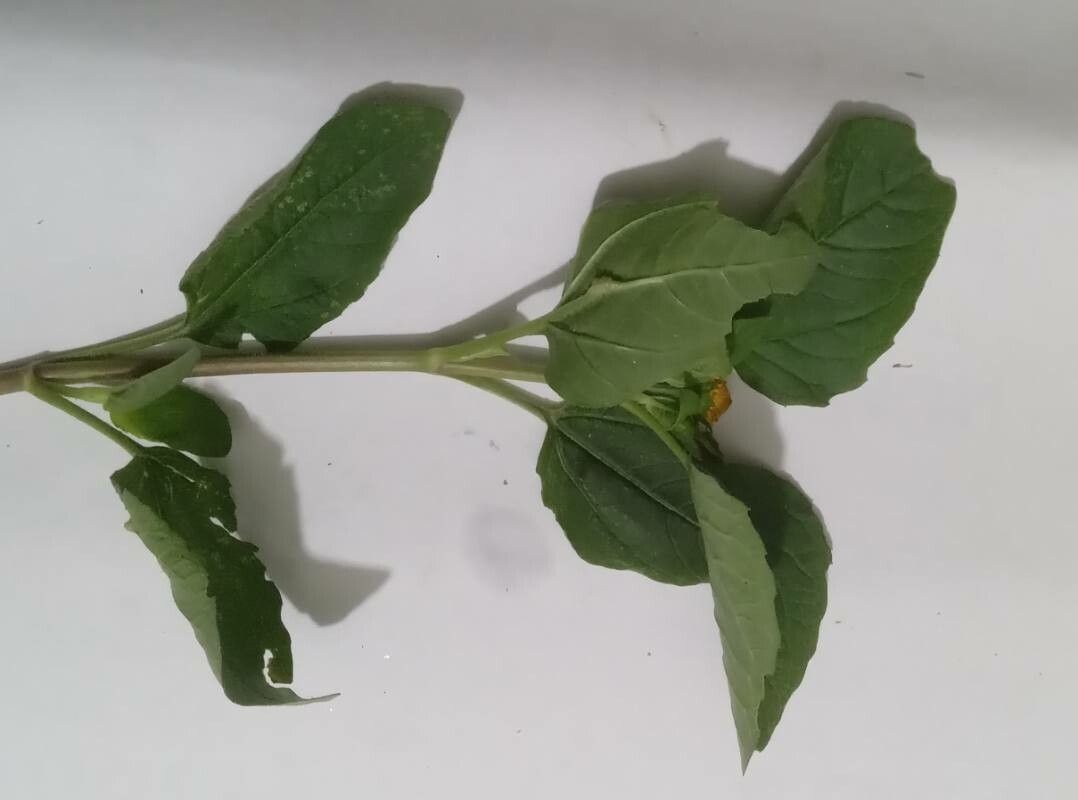
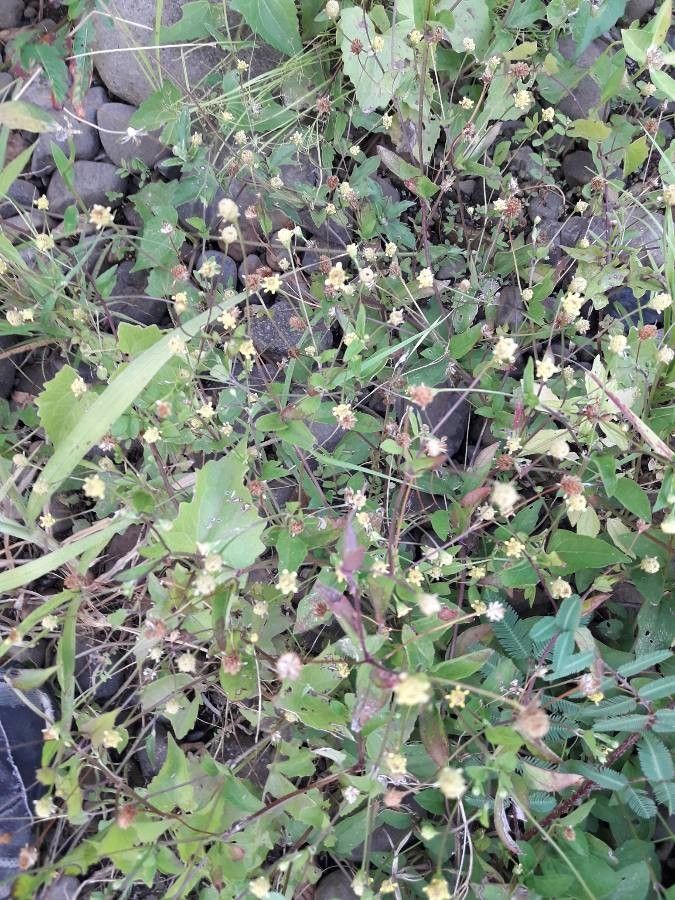
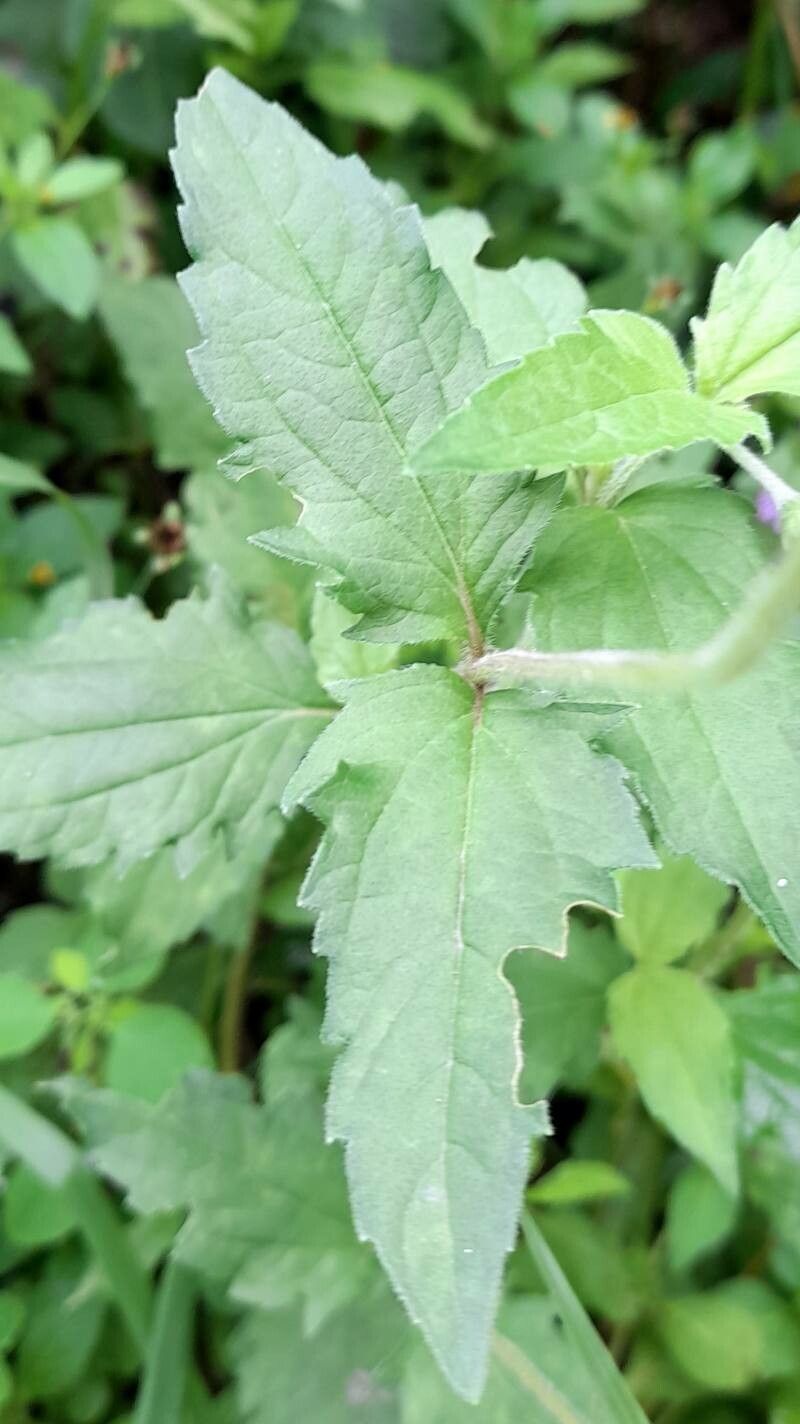
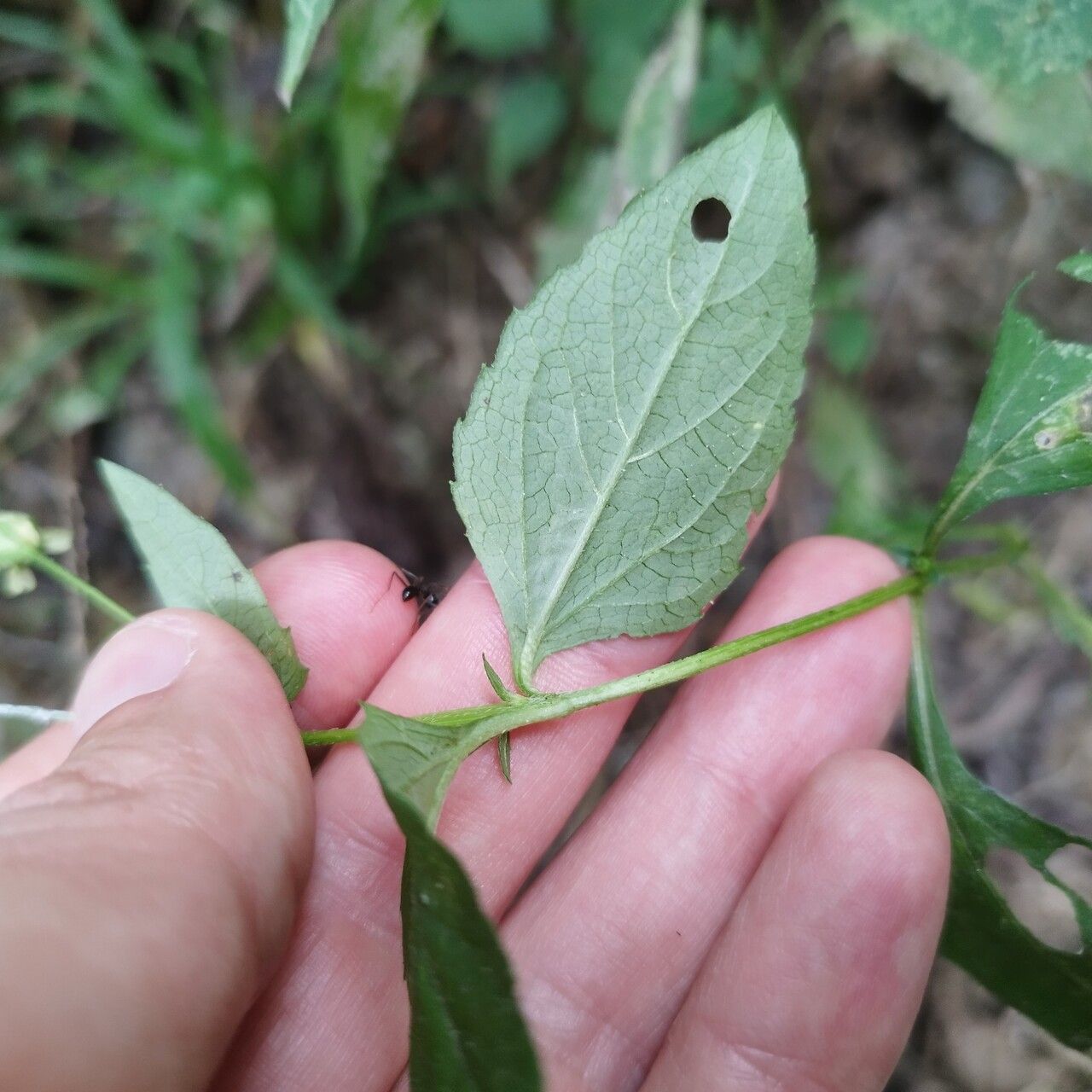
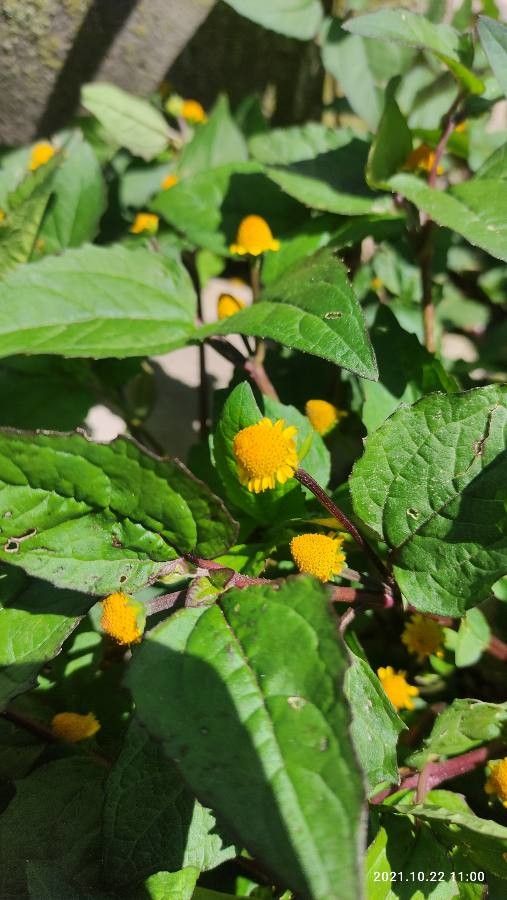
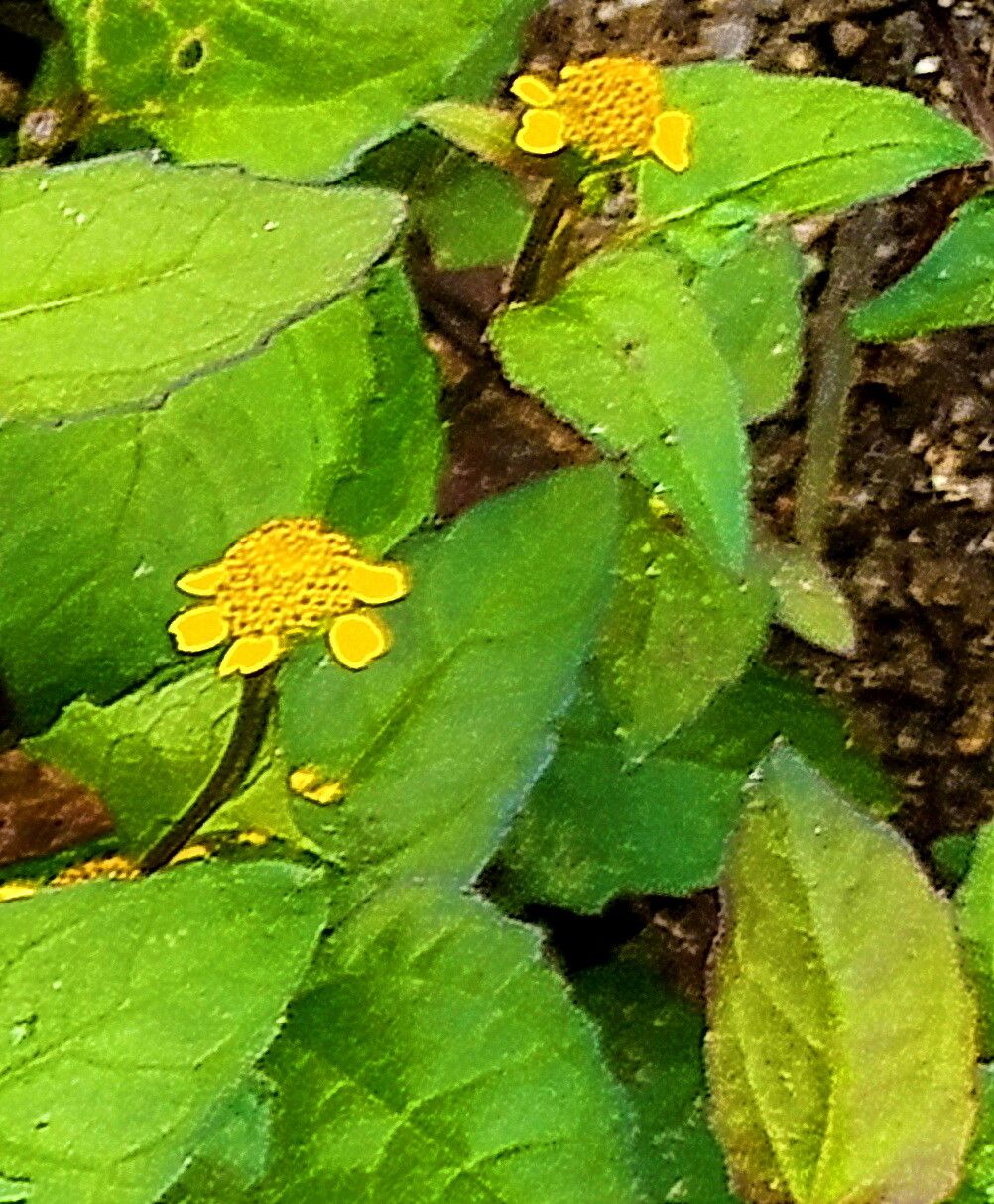
Acmella uliginosa, the marsh para cress, is a species of flowering herb in the family Asteraceae. The plant is native to South America (Brazil, Bolivia, Venezuela, etc.) and is naturalized in parts of Asia (China, Philippines, India, etc.) and Africa.
Marsh para cress has moderate resistance to disease but can be prone to problems like leaf spot. Its sensitivity to insect pests varies by variety, although most varieties are relatively less resistant to pests. For care, Marsh para cress requires regular watering and fertilization, and yellow leaves should be pruned frequently. It is important to address pests and diseases when they appear and to harvest the plant promptly. Marsh para cress is suitable for people who can dedicate some time and effort to regular care.
How to keep Acmella Uliginosa.
Light
Marsh para cress performs best with plentiful sunlight but can tolerate moderate light levels. It is native to sunlit marshes, which supports its vigorous growth and maturation. Too much or too little sun can impede its development, resulting in a weak structure and stunted growth.
Water
Marsh para cress thrives in moist environments and requires consistent watering, ideally following a weekly schedule. It grows best outdoors in damp soil, making it an excellent choice for rain gardens where water tends to accumulate.
Temperature
Marsh para cress prefers moderate temperatures, similar to what people generally find comfortable. It does best in conditions that are neither excessively hot nor too cold. The main problem with high temperatures is the chance of sunburn, so providing some shade in summer is recommended to avoid excessive heat. When temperatures fall, marsh para cress goes dormant. If continuous growth is wanted, warmer conditions must be maintained through the winter. Frost can damage the plant and should be avoided.
Fertilizer
To achieve the highest yield, Marsh para cress does best with frequent applications of a balanced fertilizer, particularly formulations rich in nitrogen. Apply fertilizer prior to planting, at the time of planting, and again when seedlings are about 2 inches tall. Incorporating compost or manure also gives a steady supply of nutrients. Poor soil fertility causes underdeveloped leaves and stems, weaker flavor, thin stems, and can lead to a bitter taste.
Pruning
Marsh para cress is a colorful, low-growing herb with yellow flowers that offers medicinal benefits. To keep your garden healthy, prune the plants in early spring. This will help remove dead stems and improve airflow. Regular pruning encourages both growth and blooming. Make sure to use sterilized tools to prevent the spread of disease and maintain a vibrant garden display.
Botanical profile.
- Plant Type
- Herb
- Life Cycle
- Perennial
- Genus
- Acmella
- Family
- Asteraceae
- Hardiness Zone
- 10
- Mature Height
- 30 cm to 91 cm
- Mature Spread
- 30 cm to 49 cm
- Leaf Color
- Green
- Leaf Type
- Semi-evergreen
- Flower Color
- Yellow
- Flower Size
- 2.54 cm
- Bloom Time
- Summer, Fall
- Planting Time
- Spring, Summer, Autumn
- Harvest Time
- Late summer, Fall, Early winter
- Native Area
- Nepal, Sri Lanka, Malaysia, Honduras, Philippines, Dominican Republic, Guinea, Trinidad and Tobago, Kenya, Central African Republic, Jamaica, Tanzania, Benin, Panama, Colombia, Sierra Leone, Indonesia, Haiti, Cameroon, Liberia, Bolivia, Venezuela, Myanmar, Brazil, Papua New Guinea, Ghana, Guyana, Senegal, Suriname, Thailand, Congo
Other names.