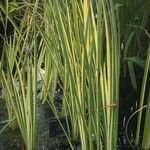
Acorus calamus
Sweet-flag · Calamus · Flagroot · Sweet calamus · Sweetroot
Description
Source: leafsnapAcorus calamus, commonly known as sweet flag or simply calamus, is a perennial herbaceous plant from the Acoraceae family. Native to Asia and Europe, it has been widely cultivated for its medicinal benefits. The plant features long, narrow, sword-shaped leaves that can grow up to 1 meter in height. When crushed, these aromatic leaves emit a sweet fragrance. The rhizomes of Acorus calamus have been used for centuries in traditional medicine to treat various ailments, including digestive disorders, respiratory problems, fever, and headaches. Additionally, it is believed to have sedative properties that can help alleviate anxiety. Beyond its medicinal uses, Acorus calamus is also valued in the perfume and cosmetics industries for its pleasant scent. The rhizomes are further utilized in the production of bitters, such as vermouth. This plant thrives in wetlands or marshy areas with moist soil but can also adapt to other soil types, including sandy soils with good drainage. While it prefers full sun exposure, it can tolerate partial shade. Overall, Acorus calamus is a significant herbaceous perennial plant renowned for its medicinal properties, making it an important element in traditional medicine practices around the world today.
🌳 The tall, clumping grasses of the sweet flag are perfect for adding beauty to garden borders or the edges of water features, especially when planted in large groups. Their need for wet soil makes them ideal for rain gardens and water gardens. When used as an accent or specimen plant, their foliage adds striking visual interest throughout much of the year.
Care Guide
💧 Water Every 7 days
Sweet flag flourishes in wet environments near water bodies, necessitating frequent watering, ideally on a daily basis. As a deciduous plant, its water requirements decrease during its dormant period. However, it still benefits from consistently moist soil throughout the year.
☀️ Light Full sun
Sweet flag does best when it receives uninterrupted sunlight during the daytime. While partial shade will not prevent the plant from developing healthily, continuous exposure to the sun yields optimal growth. Its natural habitat is accustomed to abundant sunlight. Both too little and too much light can hinder its normal growth.
What are the sunlight requirements for Sweet flag?
Sweet flag requires continuous exposure to sunlight throughout the day to thrive optimally, though it can also grow healthily with partial shade. The plant is accustomed to its native habitat, which is abundant in sunlight. Insufficient or excessive light can impede its normal growth. There are two main categories for sun exposure: full sun, which is above 6 hours of sunlight, and partial sun, about 3-6 hours of sunlight. It's essential to watch how sunlight moves through your garden, selecting spots that offer a balance of light and shade to ensure your plants' happiness.
How does artificial lighting support Sweet flag's growth indoors?
When natural sunlight is not enough, especially during winter or in less sunny spaces, artificial lighting becomes crucial for Sweet flag's growth indoors. It promotes faster, healthier growth by providing the necessary light spectrum. LED lights are recommended for indoor plant lighting because they can be customized to supply specific wavelengths needed by the plants. Full sun plants need 30-50W/sq ft of artificial light, partial sun plants require 20-30W/sq ft, and full shade plants need 10-20W/sq ft. The artificial light source should be placed 12-36 inches above the plant, mimicking natural sunlight, and it should be kept on for 8-12 hours per day to simulate the length of natural daylight hours.
What are common symptoms of insufficient light in Sweet flag?
When Sweet flag is placed in indoor settings with insufficient light, it may exhibit subtle symptoms such as small leaves, leggy or sparse growth, faster leaf drop, slower or no new growth, and lighter-colored new leaves. The spaces between leaves or stems may become longer, causing the plant to look sparse and weak. New leaves may grow smaller than the previous ones once they have matured. The plant might also shed older leaves early to conserve resources and enter a survival mode, halting leaf production.
How does excessive sunlight affect Sweet flag?
Excessive sunlight can lead to symptoms such as chlorosis, sunscald, leaf curling, wilting, and leaf scorching in Sweet flag. Chlorosis is the condition where leaves lose their green color, turning yellow due to the breakdown of chlorophyll, affecting the plant's ability to photosynthesize. Sunscald appears as pale, bleached, or necrotic areas on the plant tissue, while leaf curling is a defense mechanism to reduce water loss. Wilting occurs when the plant can't maintain hydration, and leaf scorching results from brown, dry edges on leaves due to excessive sunlight.
What are the solutions for Sweet flag struggling with the wrong light conditions?
To ensure optimal growth for Sweet flag, gradually introducing plants to more sunlight is key. For indoor plants, moving them to a sunnier spot each week until they receive at least 6 hours of direct sunlight daily is advised. Utilizing a south-facing window or keeping a desk or ceiling lamp on for about 8 hours daily can help. For outdoor plants, it's essential to adjust them to sunlight gradually to prevent sunburn. If needed, pruning trees or moving smaller plants to sunnier areas with better drainage might be required. However, parts of the plant affected by insufficient sunlight may not recover, but new growth should be healthy following these adjustments.
🌡️ Temperature 5–37.8°C
Sweet flag is indigenous to temperate environments where temperatures range from 41 to 100.4 °F (5 to 38 ℃). It does best within this span, and extra care is required during both colder winters and extreme summers.
What is the native temperature range for Sweet Flag to thrive?
Sweet flag is native to temperate environments, thriving best in temperatures ranging from 41 to 100.4 °F (5 to 38 °C). It has strong cold resistance and generally does not require special frost protection measures during winter. However, special care should be taken during both colder winters and extreme summers to ensure the plant remains healthy.
How should Sweet Flag be protected during extremely cold winters?
During winters where temperatures are expected to drop below its growth limit, Sweet Flag requires cold protection. This can be done by covering the plant with materials like soil or straw. Additionally, watering the plant abundantly before the first freeze in autumn helps to keep the soil moist, which prevents drought and water scarcity for the plant during the winter months and into early spring.
What are the symptoms and solutions for Sweet Flag in low temperature conditions?
Sweet Flag is naturally cold-tolerant and performs best when temperatures remain above its minimum suitable growth temperature. If the temperature falls below its growth limit, there may not be noticeable changes during winter, but come spring, there could be decreased sprouting or even no sprouting at all. The solution for plants affected by low temperatures in spring is to remove any parts that failed to sprout, allowing for new growth.
What are the symptoms and solutions for Sweet Flag in high temperature conditions?
During summer, it's vital to ensure Sweet Flag's temperature remains below its maximum suitable growth range. Exceeding its tolerable growing temperature can lead to lighter colored leaves, susceptibility to curling and sunburn, and in severe cases, wilting and drying of the entire plant. To mitigate these issues, trim away sunburned and dried-up parts, move the plant to a shaded area or use a shade cloth to protect it from intense sun. Furthermore, watering in the morning and evening helps maintain soil moisture.
💨 Humidity
🪴 Soil
🌱 Fertilizer
🪴 Pot & Repot
✂️ Pruning
Sweet flag is known for its aromatic, sword-shaped leaves and requires minimal pruning. The best time to prune is in early spring, which helps remove dead foliage and manage its shape. Pruning not only promotes the plant's vitality but also prevents overcrowding. It's essential to use sharp, clean tools to maintain the ornamental health of sweet flag in the garden.
🌿 Propagating
🐛 Diseases & pets
☠️ Toxicity
Characteristics
- Plant Type
- Herb
- Life Cycle
- Perennial
- Genus
- Acorus
- Family
- Acoraceae
- Hardiness Zone
- 4-11
- Mature Height
- 2.13 m
- Mature Spread
- 46 cm to 61 cm
- Leaf Color
- Green, Blue, White, Variegated
- Leaf Type
- Deciduous
- Flower Color
- Green, Yellow, White
- Flower Size
- 0.25 cm to 0.51 cm
- Bloom Time
- Late spring, Early summer, Mid summer
- Planting Time
- Spring, Autumn
- Harvest Time
- Late summer, Early fall, Mid fall
- Native Area
- Nepal, Sri Lanka, India, Philippines, Bangladesh, Pakistan, Laos, China, Uzbekistan, Russia, Kyrgyzstan, Indonesia, Kazakhstan, Cambodia, Vietnam, Myanmar, Mongolia, Japan, Koppen, Bhutan, South Korea, Thailand