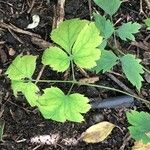
Actaea pachypoda
White baneberry · Doll's-eyes · White cohosh · Baneberry · Doll's Eye
Description
Source: leafsnapActaea pachypoda, the white baneberry or doll's-eyes, is a species of flowering plant in the genus Actaea, of the family Ranunculaceae. The plant is native to eastern North America, in eastern Canada, and the Midwestern and Eastern United States. It prefers clay to coarse loamy upland soils, and is found in hardwood and mixed forest stands.
🌳 White baneberry is sometimes cultivated in shade and forest gardens for its appeal as a specimen plant. This spreading shrub is deer-resistant and adds year-round interest to gardens. In the spring, it produces clusters of blossoms, which are also popular as cut flowers. By summer, the plant bears berries that persist through winter.
Care Guide
💧 Water
White baneberry thrives in environments that resemble its native deciduous woodlands, which are characterized by damp soil and high humidity. For optimal growth, water the plant twice a week, increasing the frequency during its active growth phases. Although it is typically grown outdoors, white baneberry benefits from natural rainfall and protection provided by larger plants.
How should I water my White baneberry plant?
To properly water the White baneberry, it is recommended to use filtered water at room temperature. Tap water can contain harmful particles, making filtered water a better choice. The plant thrives in warm environments, so it is important to avoid using cold water, which could shock the plant. In addition, overhead watering should be avoided as it may cause foliage complications. Instead, water the plant by applying filtered room temperature water directly to the soil until it is completely soaked. This method benefits the plant by moistening the roots and helping them spread and gather necessary nutrients in the soil.
What should I do if I give my White baneberry too much or too little water?
Overwatering and underwatering both harm your White baneberry, but overwatering is more common. If your plant gets too much water, its stems and leaves may wilt and turn yellow. Overwatering for a long time can also cause diseases like root rot, mold, and mildew, which can kill your plant. Underwatering is less common for the White baneberry because it can handle drought. However, underwatering is still possible, and you'll notice brittle, brown leaves if it happens. It's important to notice overwatering signs early. Some diseases caused by overwatering, like root rot, can't be fixed if you wait too long. Reduce your watering if you see signs of overwatering and consider changing the soil if it doesn't drain well. If you see signs of underwatering, simply water more until the signs go away.
How often do I need to water my White baneberry plant?
If your White baneberry plant is in a pot, you can determine if it needs water by checking the soil. Simply stick your finger into the soil and if the top two to three inches are dry, it's time to water. If you have your White baneberry planted outdoors in the ground, you can use the same method. When the first few inches of soil have dried out, it's time to water. Typically, during the spring and early fall, watering once a week is sufficient. However, during very hot weather, you may need to increase watering to twice or more per week. It's worth noting that mature, well-established White baneberry plants have a good tolerance for drought.
How much water does my White baneberry plant need?
When watering your White baneberry, don't be afraid to give it a good amount of water. Make sure the top two to three inches of soil are dry before watering and then water thoroughly until the soil is completely soaked. You should add enough water to see some excess water flowing out of the drainage holes at the bottom of the pot. If you don't see any excess water, you probably didn't give enough water. However, be careful not to let water collect inside the soil, as this can harm the plant. On the other hand, if water isn't draining through the pot, it might be a sign of poorly draining soil, which is bad for the plant's health. If the plant is outside, one inch of rain per week should be enough.
How do I water my White baneberry as it grows?
The water needs of the White baneberry can change depending on its growth stages. In the first few years or after transplanting to a new location, more water than usual is required. During these stages, the plant focuses on developing new roots for future growth, which thrive with a bit more moisture. As the plant matures over a few seasons, it will require less water. Additionally, during the bloom period, the White baneberry may need more water due to the significant amount of moisture used for flower development.
☀️ Light Partial sun
White baneberry grows best with moderate sunlight, similar to the dappled light of its native woodlands. It tolerates lower light levels, enabling it to persist beneath a tree canopy. Excessive sun can harm the plant's health, while too little light may limit its growth and ability to flower.
What are the sunlight requirements for White Baneberry?
White Baneberry thrives best in moderate sunlight environments, ideal for an ambiance that resembles dappled light, similar to its native woodland settings. It's adaptable to lower light conditions, allowing it to flourish even under the dense canopy of trees. This plant requires partial sun exposure of about 3-6 hours of sunlight per day, but it can also manage in full shade conditions where it gets less than 3 hours of sunlight. It's crucial to observe the movement of sunlight through your garden to find the perfect balance of light and shade, ensuring the plant’s health and happiness.
How can artificial lighting benefit White Baneberry indoors?
When natural sunlight is lacking, especially during winter or in spaces that do not get ample sun, artificial lighting can be a lifesaver for White Baneberry plants indoor. Choosing the right type of light is paramount; LED lights are recommended due to their ability to provide specific wavelengths needed for the plant’s growth. The intensity of artificial light should be adjusted based on the plant's natural sunlight needs: 30-50W/sq ft for full sun plants, 20-30W/sq ft for partial sun, and 10-20W/sq ft for full shade plants. Placement is also key, with the light source being 12-36 inches from the plant to mimic natural sunlight, and duration should replicate natural daylight hours, generally 8-12 hours per day.
What are the signs of insufficient light for White Baneberry, and how can we address them?
White Baneberry may exhibit several symptoms signaling insufficient light exposure, such as smaller new leaves, leggy or sparse growth, early leaf drop, slowed or halted growth, paler new leaves, chlorosis, sunscald, leaf curling, wilting, and leaf scorching. To combat these issues, gradually acclimate the plant to brighter conditions by shifting it to sunnier spots each week until it receives the desirable amount of sunlight. In the case of large or immovable plants, supplemental artificial lighting, such as desk, ceiling, or professional grow lights, can be used to provide the necessary light levels. If outdoor plants suffer, moving them to sunnier locations incrementally can prevent sunburn, and the avoidance of sudden drastic changes in light exposure is crucial. Additionally, for plants grounded outdoors, reducing obstructions like overhanging branches or relocating the plants during their dormant phase to sunnier spots with good drainage can greatly benefit their growth.
🌡️ Temperature 5–35°C
White baneberry favors temperatures ranging from 41 to 95 ℉ (5 to 35 ℃) and thrives in its native temperate habitat. In summer it requires moderately moist soil and is sensitive to excessive heat. In winter it should be kept indoors or mulched with leaf litter to prevent frost damage.
What is the preferred temperature range for White Baneberry?
White baneberry thrives in temperatures ranging from 41 to 95°F (5 to 35°C), preferring temperate regions for growth. It's essential to maintain moderately moist soil for the plant during the summer months while being cautious of excessive heat exposure. In terms of cold resistance, White baneberry is quite robust, often not requiring special frost protection measures in the winter. However, for extremely low winter temperatures expected to drop below the plant's growth limit, precautions such as covering the plant with soil or straw are advised to prevent cold damage. Additionally, watering the plant abundantly before the first autumn freeze is recommended to keep the soil moist and prevent drought stress.
How does White Baneberry react to temperature changes, and what are the recommended solutions?
White baneberry is cold-tolerant, flourishing best when temperatures remain above its minimum growth threshold. During colder winter months, keeping the plant above the tolerable growing temperature minimum is essential. If temperatures fall below the growth limit, there might not be immediate visible changes, but there could be a decrease in spring sprouting, or in some cases, no sprouting at all. The recommended solution for such a scenario is to remove any parts of the plant that fail to sprout in spring. During the summer, it's vital to ensure that the plant's exposure to temperatures stays below its maximum suitable growth temperature. Exceeding the tolerable growing temperature maximum can cause leaves to lighten in color, curl, become susceptible to sunburn, and in severe cases, lead to wilting and drying of the plant. To counteract high temperature stress, sunburned and dried parts should be trimmed away. It's also beneficial to move the plant to a shaded location during the midday and afternoon sun or use a shade cloth. Additionally, watering the plant during the cooler morning and evening hours helps keep the soil moist and the plant healthy.
💨 Humidity normal (40-60%)
This plant will thrive in moderate humidity, which is probably the level in your home. However, misting it a few times a week can be very beneficial. Make sure the room has good ventilation.
🪴 Soil 5-7
🌱 Fertilizer
Generally, a single fertilizer application in spring is adequate for White baneberry, though repeated feedings can maximize growth. Apply fertilizer every month to a month and a half. Fertilizing improves leaf appearance and function, helping maintain consistent color and a healthy texture. It also promotes root growth and nutrient uptake for the plant’s long-term health.
Why should I put fertilizer on my White baneberry?
The White baneberry relies on its leaves for structure. Fertilization is crucial for maintaining the appearance and function of these leaves. It helps the White baneberry sustain consistent color and a healthy texture. Additionally, fertilizer benefits the plant beneath the soil's surface by promoting the growth of new roots and preserving existing ones. This ensures the plant's present and future nutrient absorption abilities, making it healthier overall.
When should I fertilize my White baneberry plant?
If you cultivate your White baneberry in an outdoor garden, it will produce new growth in early spring. When the leaves start to emerge, it is a sign to start fertilizing for the year. Generally, a single application of fertilizer in spring is sufficient for the White baneberry to thrive. However, if you want to maximize its growth, you can fertilize it multiple times during spring and early summer. In this case, you can feed your White baneberry approximately once every month to a month and a half.
When is the best time to not fertilize my White baneberry plant?
During the late fall and winter, your White baneberry will go through a dormant phase and stop growing. It's best to avoid fertilizing it during this time. If you do choose to fertilize in the spring and summer, start reducing the amount as summer approaches because the growth rate will slow down. It's not a good idea to fertilize your White baneberry when it's extremely hot or the soil is very dry. This can stress the plant and cause it to die prematurely.
Which fertilizer should I use for my White baneberry?
Choosing the best fertilizer for a White baneberry is straightforward. These plants thrive on a general-purpose garden fertilizer with equal amounts of nitrogen, phosphorus, and potassium, such as a 10-10-10 ratio. Avoid fertilizers high in nitrogen if unsure. The most effective fertilizers for White baneberry come in granular form, are slow-release, and easy to apply to the soil. Feeding with organic soil amendments like compost can also be beneficial.
How can I make my White baneberry plant healthier?
To ensure the healthy growth of your White baneberry, wait until its first leaves emerge in early spring. Once you notice this, apply a granular slow-release fertilizer with a balanced formula to the soil around the base of the plant. If desired, you can repeat this process later in the season. When reapplying fertilizer, remember to focus on the soil, not the plant itself. It may be necessary to move some leaves aside to access the soil above the roots. Additionally, it is beneficial to water your White baneberry before and after fertilizing.
🪴 Pot & Repot 2-3 years
When repotting White baneberry, select a pot 1–2 inches (2.5–5.1 cm) larger with ample drainage. Use a well-draining potting mix. Repot in spring or fall, making sure the root ball sits slightly lower than the rim of the flower pot. Water thoroughly after repotting and place in a warm spot with indirect sunlight.
✂️ Pruning
White baneberry is known for its attractive foliage and distinctive white berries. To promote healthy growth, prune the plant in early spring. Remove any dead stems and thin out crowded areas to improve air circulation. Be cautious not to over-prune, as this can reduce flowering. Always use clean, sharp tools to ensure effective pruning and minimize damage to the plant.
🌿 Propagating
🐛 Diseases & pets
☠️ Toxicity
Characteristics
- Plant Type
- Herb
- Life Cycle
- Perennial
- Genus
- Actaea
- Family
- Ranunculaceae
- Hardiness Zone
- 4-9
- Mature Height
- 30 cm to 91 cm
- Mature Spread
- 61 cm to 91 cm
- Leaf Color
- Green
- Leaf Type
- Deciduous
- Flower Color
- White
- Flower Size
- 2.54 cm
- Bloom Time
- Mid spring, Late spring
- Planting Time
- Spring
- Harvest Time
- Early summer, Mid summer
- Native Area
- North America