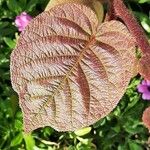
Actinidia chinensis
Kiwi · Golden kiwifruit · Gold kiwifruit · Chinese soft-hair kiwi · Kiwi fruit
Description
Source: leafsnapActinidia chinensis, commonly known as kiwifruit or Chinese gooseberry, is a woody vine native to China. It belongs to the Actinidiaceae family and is widely cultivated for its edible fruit. The plant can grow up to 10 meters in length and has large, heart-shaped, dark green leaves. The fruit of Actinidia chinensis is oval-shaped with brown, fuzzy skin and bright green flesh that contains small, black seeds. It has a sweet-tart flavor with hints of strawberry, banana, and pineapple. Kiwifruit is rich in vitamin C, vitamin K, potassium, fiber, and antioxidants. Actinidia chinensis thrives in well-drained soil with plenty of organic matter. The plant prefers full sun exposure but can tolerate partial shade. It requires regular watering during the growing season but should be allowed to dry out slightly between waterings. The plant can be propagated through seeds or cuttings taken from mature plants during the dormant season. It requires support structures such as trellises or wires for the vines to climb on. In addition to being grown commercially for its fruit production—most notably in New Zealand, where it was first cultivated on a large scale—Actinidia chinensis also has ornamental value due to its attractive foliage, making it an ideal choice for landscaping purposes.
🌳 Aside from its tasty flavor, kiwi is acknowledged in the beauty industry for its skin-revitalizing qualities. Extracts from the fruit are included in various cosmetic and skincare products because of their high vitamin C levels and antioxidant content, which are known to improve skin texture and elasticity.
Care Guide
💧 Water Every 7 days
Kiwi plants flourish in woodland environments. They prefer consistent moisture but can tolerate moderate drought once they are well-established, as long as they are not waterlogged. To mimic their natural growth cycles, it's best to water them weekly. Kiwi is typically grown outdoors and requires well-draining soil. This helps support their vigorous growth during the active season while ensuring they remain adequately hydrated.
What is the best way to water my Kiwi?
To ensure excellent root development, it's recommended to place a garden hose at the base of the plant. Avoid spraying the leaves directly, especially if the plant is outdoors and exposed to direct sunlight, as they will require more watering. You can use bubblers or soaker hoses to moisten the roots of each plant, or use soaker hoses to cover the entire garden or bed when adding or removing plants for deep root penetration. Make sure to drain any excess water and wait for the soil to dry before watering again. Watering at ground level is advised to prevent diseases. On sunny days, it may be beneficial to spray the entire bush with water. Whether in pots or in the ground, keep in mind that Kiwi plants prefer deep watering rather than light sprinkling.
What should I do if I give Kiwi too much or too little water?
If a Kiwi plant is overwatered, it can exhibit yellowing, dropping, and wilting leaves. The plant may also look unhealthy with mushy stems. If these signs appear, it's best to adjust your watering schedule if possible. Wilting can also be a sign of underwatering, characterized by crispy and dry leaves. In such cases, checking the dryness of the soil is crucial, and giving the plant a thorough watering may be necessary. However, even with enough water, the damaged root system may still cause the plant to appear dry with yellow leaves for a few days. Once the plant recovers, the yellowing of the leaves will cease. When growing Kiwi indoors, it's important to regularly check the moisture levels and refrain from overwatering. If there are black spots present, allow the soil to dry out for a few days. Overwatering can lead to root rot, so if discolored and slimy roots are observed, transferring the plant to a different pot may be necessary. Always avoid excessive moisture in the soil to prevent root rot. When planting Kiwi outdoors, ensure the soil is adequately watered if it feels too dry upon checking. Adequate watering is necessary for the plant's recovery.
How often should I give water to my Kiwi plant?
The Kiwi plant prefers deep and infrequent watering. When planted in pots, it's important to soak them in a gallon of water each time since the water storage in flower pots is limited and the soil dries out quickly. In cold regions, watering is needed every 3 to 5 days. It's best to water in the morning when the soil is dry, whether indoors or outdoors. To check if watering is needed, simply examine the soil inside the pot. If the top 2-3 inches of soil are dry, it's time for a full watering. On hot days, check the moisture daily as the soil in the pot can dry out quickly due to the heat. If you have a garden, irrigation of the soil is also necessary. In hot climates, water once a week, but only when you notice the top 2 to 3 inches of outdoor or indoor soil becoming too dry. Be mindful of rainwater on the plant and avoid adding more water to prevent root rot. Additional watering may not be necessary if there is sufficient rainfall. Kiwi plants generally grow during spring and fall. Outdoors, it's useful to add 3 to 4 inches of mulch to conserve water. Sandy soil requires more frequent watering due to its fast drainage, while clay soil requires less frequent watering to avoid root rot (2-3 days of drying the plant). To keep track of watering, mark the date on the calendar and pay attention to drooping leaves, which can indicate a watering delay.
How much water should I give my Kiwi?
The Kiwi plant needs about a gallon of water on a regular basis. For potted plants, water them deeply until you see water dripping from the bottom of the pot. Wait for the soil to dry before watering again. You can use a water calculator or moisture meter to track how much water you've given your plant in a week. During the flowering period, provide plenty of water but let the moisture evaporate to avoid root rot. If the Kiwi plant is planted outdoors and it's getting enough rainfall, it may not need additional watering. However, when the Kiwi plant is young or newly planted, make sure it receives 1-2 inches of rain per week. As the Kiwi plant matures, it can rely solely on rainfall. Only during very hot weather or extended periods without rainfall, consider giving the Kiwi plant a thorough watering during the cooler part of the day to prevent heat damage. Additional watering will be necessary during prolonged dry spells.
Should I change how often I water my Kiwi plant based on the time of year or the weather conditions?
The Kiwi plant needs to be outdoors, but only when it's raining or when the weather is persistently dry and it needs watering. In the spring and fall, the soil should be kept moist but not soggy, with alternating dry and moist conditions being beneficial for growth. During hot summer weather, water can evaporate quickly, so extra watering may be required if there is a lack of rainfall. Generally, less water is needed during the winter when the plant goes dormant. Using well-draining soil like terracotta can help water evaporate quicker during this time. Once the plant starts leafing out in the spring, watering can be skipped since the fall and winter rains can sustain it during dormancy. Avoid ponding or drought when the plant is flowering and ensure good drainage at all times, especially in winter. If the plant is in a pot, it has limited root growth and should be well-watered, particularly in the summer. Deep soak the entire root system once or twice a week, depending on the weather, and avoid sprinkling water on the leaves. Don't let the plant dry out completely in the fall or winter, even during dormancy. Avoid overwatering to prevent the roots from sitting in water for too long, as this can lead to plant death in winter. Adding mulch can help reduce stress, conserve water, and promote healthy blooms.
☀️ Light Full sun
Kiwi prospers in locations that receive a large amount of sunlight each day, so sunlight is crucial for its growth. Areas with reduced sunlight can still support its development, but to a lesser degree. The plant's native environment offers abundant sun exposure, which promotes vigorous growth and good health. Too much or too little light can result in disease and diminished growth.
What are the sunlight requirements for growing Kiwi plants?
Kiwi plants thrive best in areas that receive a significant amount of daily sunshine. They need full sun, defined as above 6 hours of direct sunlight, for optimal growth. However, they can also grow in partial sun, which means about 3-6 hours of sunlight a day. It's essential to observe your garden's sunlight patterns and choose locations that offer a good balance of light and shade, ensuring your Kiwi plants can grow healthily and effectively.
Is artificial lighting beneficial for Kiwi plants?
Yes, artificial lighting can be highly beneficial for Kiwi plants, especially when natural sunlight is insufficient, such as during winter or in less sunny spaces. Indoor Kiwi plants require adequate lighting to grow optimally. Choosing the right type of artificial light, like LED lights, is crucial as they can provide specific wavelengths needed by the plants. Full sun plants need 30-50W/sq ft, partial sun plants require 20-30W/sq ft, and full shade plants need 10-20W/sq ft of artificial light. The light source should be placed 12-36 inches above the plant, mimicking natural sunlight as much as possible, and most plants will need 8-12 hours of light per day to thrive.
What are some common symptoms of poor lighting conditions in Kiwi plants?
Kiwi plants can exhibit various symptoms when they're not getting enough light, including smaller new leaves, leggy or sparse growth, faster leaf drop, slower or halted new growth, paler new leaves, and symptoms of chlorosis. Conversely, symptoms of excessive light exposure include sunscald, leaf curling, wilting, and leaf scorching. These symptoms indicate the plant's struggle with either too much or too little light, which affects their growth, health, and overall ability to photosynthesize effectively.
How can I improve the lighting conditions for my Kiwi plant?
Improving lighting conditions for your Kiwi plant involves a few strategic steps. Indoors, you can gradually move your plant to a sunnier location, aiming for at least 6 hours of direct sunlight daily, and consider using artificial light for additional support. Use a south-facing window and keep curtains open during the day. Outdoors, gradually acclimate your plants to sunnier spots to avoid sunburn. If your plants are in the ground and sunlight is blocked by obstructions like trees, consider pruning to allow more light through or transplanting smaller plants to a sunnier location with ample sunlight and good drainage. Providing the right amount and intensity of light will encourage healthy new growth.
🌡️ Temperature 15–35°C
Kiwi shows good temperature adaptability, able to endure higher heat and wide temperature fluctuations. When temperatures are high, attention should be paid to watering and suitable shading should be provided to avoid sunburn. However, Kiwi is relatively intolerant of low temperatures; while it can tolerate some cold, overly cold conditions can cause frost damage.
What is the botanical name of Kiwi?
The botanical name of Kiwi is Actinidia chinensis. This name helps differentiate it from other species within the Actinidia genus and provides a universal way of referring to this fruit across different languages and regions.
💨 Humidity normal (40-60%)
This plant will thrive in moderate humidity, which is probably the level in your home. However, misting it a few times a week can be very beneficial. Make sure the room has good ventilation.
🪴 Soil 5-7
🌱 Fertilizer
The kiwi plant needs adequate nutrients to produce fruit optimally. Apply fertilizer in early spring to promote new growth and flower development. Regular feeding keeps the plant healthy, results in more delicious fruit, and prevents nutrient deficiency problems like yellowing leaves and poor fruit production.
Why should I put fertilizer on my Kiwi plant?
Regular fertilization is important for the health and growth of plants, especially fast-growing ones like Kiwi. Without sufficient nutrients, plants may experience problems such as yellow leaves, reddish color, shape deformities, withered tips, or dieback. Bark disorders, slow growth, poor shoot development, and a lack of fruit production can also result from nutrient deficiency. Therefore, providing Kiwi plants with extra nutrients through fertilization not only keeps them healthy but also promotes the growth of delicious fruit.
When should I fertilize my Kiwi plant?
Fertilizing your Kiwi vines in early spring, before the buds appear, is recommended. During this time, the Kiwi plant utilizes the stored winter reserves to initiate new growth. To support bloom development, it is crucial to provide sufficient energy. Hence, fertilizing about 2 to 4 weeks before the expected bloom time allows the nutrients to permeate the soil and be absorbed by the plant. It is possible to continue feeding the Kiwi plant throughout spring, but it is advisable to avoid fertilizing in autumn. Late foliage growth during this time can lead to vulnerability to winter damage.
When should I not give fertilizer to my Kiwi plant?
Here are some tips to follow when fertilizing Kiwi plants: - In the first year of growth, avoid fertilizing Kiwi altogether. Only provide fertilizer if it is absolutely necessary. - If you pruned 20% or more of the plant the previous year, do not fertilize. - Do not fertilize plants that are diseased or damaged, as it can do more harm than good. Instead, address the root cause of the issue. - Avoid fertilizing after the peak of summer, as this can cause excessive growth just before winter. - During hot and dry times of year, refrain from fertilizing Kiwi. Dry soil does not effectively deliver fertilizer and can stimulate growth that requires more water. - It is best to apply fertilizer earlier in the season when temperatures are cooler. - Be cautious of nearby plants or lawns that may absorb the Kiwi fertilizer, as they may receive a double dose.
What kind of plant food does my Kiwi plant need?
Using fertilizer that contains a balance of nitrogen, phosphorus, and potassium can bring many benefits to plants. Nitrogen is important for leaf growth and chlorophyll production. Phosphorus helps support the root system and promotes the development of blossoms, fruits, and seeds. Potassium plays a role in photosynthesis and the movement of water and nutrients throughout the plant. When choosing a fertilizer, you can opt for a commercial one that is specifically designed for a particular type of tree. Alternatively, you can use organic sources of nitrogen such as manure, feather meal, or blood meal. To ensure you apply fertilizer accurately, conducting a soil test can give you a better understanding of the condition of your soil. For commercial fertilizers, if your soil lacks sufficient phosphorus and potassium according to the soil test, you can use a balanced granular fertilizer with a ratio of 10-10-10 or similar. In most cases, nitrogen in the soil is continuously depleted with rainfall. If your soil already has enough phosphorus and potassium, it would be more appropriate to use a high-nitrogen fertilizer with a ratio of 6-2-1 or 10-2-2.
How should I help my Kiwi plant grow better?
When using fertilizer for your Kiwi plant, it's important to follow specific directions and do some research. Over-fertilizing can be harmful, so it's crucial to determine the correct amount to use, especially for fruit trees. A general guideline is to use one-tenth of a pound of fertilizer per year or per inch of trunk, with a maximum of one pound. Remember not to fertilize a young Kiwi plant for the first few years. Granular and organic fertilizers, like blood meal, should be sprinkled around the base of the tree, extending to the drip line, without touching the trunk. These fertilizers gradually break down over time and are absorbed by the roots. After fertilizing, apply a one-inch layer of compost around the base of the tree and thoroughly water it.
🪴 Pot & Repot
✂️ Pruning
🌿 Propagating
🐛 Diseases & pets
☠️ Toxicity
Characteristics
- Plant Type
- Vine
- Life Cycle
- Perennial
- Genus
- Actinidia
- Family
- Actinidiaceae
- Hardiness Zone
- 8-10
- Mature Height
- 4.57 m to 7.62 m
- Mature Spread
- 4.57 m to 7.62 m
- Leaf Color
- Green
- Leaf Type
- Deciduous
- Flower Color
- White
- Flower Size
- 1.78 cm to 3.56 cm
- Bloom Time
- Late spring, Early summer
- Planting Time
- Spring, Autumn
- Harvest Time
- Mid summer, Late summer
- Native Area
- Vietnam, China