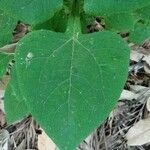
Adenocaulon bicolor
Trailplant · American trailplant · Pathfinder
Description
Source: leafsnapAdenocaulon bicolor, commonly known as trail plant or pathfinder, is a perennial herbaceous plant in the sunflower family. Native to western North America, it thrives in diverse habitats, including meadows, forests, and rocky slopes. This plant typically reaches a height of 1 to 2 meters and features a single stem with deeply lobed, alternate leaves. Its small flowers are white or pinkish with yellow centers and are arranged in clusters at the top of the stem. The fruit of Adenocaulon bicolor is an achene, which contains a single seed. Indigenous peoples have long valued the trail plant for its medicinal properties, notably its anti-inflammatory effects. Additionally, some tribes utilized it as a food source, consuming its young leaves either raw or cooked. The trail plant is crucial for maintaining ecological balance, offering food and habitat for various insects, including bees, butterflies, moths, and beetles. Overall, Adenocaulon bicolor is an essential native species that significantly contributes to biodiversity. It holds cultural importance due to its traditional medicinal uses among indigenous communities.
Care Guide
💧 Water Every 7 days
The American trail plant thrives in moist, well-drained soil and benefits from weekly watering to stay hydrated. It does exceptionally well in humid environments, making it an ideal choice for indoor settings such as terrariums or bathrooms. As an understory plant, it can tolerate moderate drought, but it grows best with consistent moisture.
What is the most effective way to water my American trail plant?
To properly water the American trail plant, it is important to follow a few guidelines. Firstly, it is recommended to use filtered water at room temperature. This is because tap water can potentially contain harmful particles that may affect the plant's health. Additionally, the water should be at room temperature or slightly warmer. This is because the American trail plant is accustomed to warm environments, and cold water can be a shock to its system. It is also advisable to avoid overhead watering, as it can cause complications with the plant's foliage. Instead, it is best to directly apply the filtered room temperature water to the soil until it becomes completely soaked. This method is highly beneficial for the plant, as it helps moisten the roots and promote their spreading, allowing them to collect essential nutrients from the soil.
What should I do if I give my American trail plant too much or too little water?
Both overwatering and underwatering can harm your American trail plant, but overwatering is more common. When the plant is overwatered, its stems and leaves may wilt and turn yellow. Overwatering for a long time can also cause diseases like root rot, mold, and mildew, which can be fatal for the plant. Underwatering is less likely because the American trail plant can tolerate drought well, but it is still a possibility. In such cases, the leaves may become brittle and brown. It is important to identify signs of overwatering early to prevent irreversible damage. If you notice these signs, reduce watering immediately and assess the soil's ability to drain properly. If the soil drains poorly, replace it with a loose, well-draining potting mix. Conversely, if signs of underwatering are present, increase watering until the symptoms disappear.
How frequently should I water my American trail plant?
If your American trail plant is in a pot, the most precise way to determine if it needs water is by checking the moisture of the soil. Simply stick your finger into the soil and if the top two to three inches are dry, it's time to water it. If you have the American trail plant growing outdoors in the ground, you can use a similar method to test the soil. Again, if the top few inches of soil have dried out, it's time to give it some water. Typically, during the spring and early fall, watering this plant once a week should suffice. However, in extremely hot weather, you may need to increase the frequency to twice or more per week. On the bright side, mature and well-established American trail plants are quite resilient when it comes to drought and can withstand it effectively.
How much water does my American trail plant require?
When watering your American trail plant, don't hesitate to give it a generous amount of water. Wait until the top two to three inches of soil are dry, then thoroughly water the plant until the soil is completely soaked. Make sure to add enough water that excess water flows out through the drainage holes at the bottom of the pot. If you don't see any excess water draining, it's likely that you haven't watered enough. However, be careful not to let water accumulate in the soil, as this can be harmful to the plant. On the other hand, if water doesn't drain properly from the pot, it could mean that the soil doesn't drain well, which is not good for the plant's health. If the plant is outdoors, one inch of rainfall per week should be enough.
How much water does my American trail plant need at different growth stages?
The water needs of the American trail plant can vary depending on its growth stages. In the first few years of its life or after being transplanted, more water than usual is required. During these stages, the plant focuses on growing new roots to support future growth, which necessitates slightly more moisture. After a few seasons, the plant requires less water. Additionally, during the bloom period, when the plant is producing flowers, it may need additional water due to the higher moisture demands of flower development.
☀️ Light Partial sun
The American trail plant grows best in places with filtered sunlight, such as beneath a leafy canopy or in twilight conditions. However, it can adapt to lower-light settings and tolerate areas that are not exposed to constant sun. Excess unfiltered sunlight is harmful to it, causing leaf burn and browning.
What are the sunlight requirements for an American trail plant?
The American trail plant, or Adenocaulon bicolor, thrives in environments where its exposure to sunlight is carefully balanced. This plant prefers locations with filtered sunlight, similar to that found beneath a leafy canopy or in areas with early morning or late afternoon sun. Though adaptable to less sunny spots, the American trail plant can suffer from prolonged exposure to intense, unfiltered sun, which may lead to leaf burn and browning. The plant's light requirements can be categorized into two main types: partial sun, needing about 3-6 hours of sunlight, and full shade, where it requires less than 3 hours of sunlight a day. Observing how sunlight interacts with your garden space and selecting locations that offer an ideal mix of light and shade will help ensure the health and happiness of your plant.
What are the essential care tips for growing American trail plants indoors?
For healthy growth of American trail plants indoors, especially in conditions where natural sunlight is scarce, such as during winter or in less sunny rooms, artificial lighting becomes crucial. When choosing artificial lights, LEDs are recommended due to their ability to provide specific wavelengths needed for plant growth. The intensity and duration of light exposure should be tailored to mimic the plant's natural environment: full sun plants require 30-50W/sq ft, partial sun plants 20-30W/sq ft, and full shade plants 10-20W/sq ft of artificial light. Positioning the light source 12-36 inches above the plant for 8-12 hours per day can emulate the optimal conditions for growth, aiding in the development of a healthier plant.
What symptoms indicate an American trail plant is receiving insufficient light?
When an American trail plant doesn't get enough light, several symptoms can manifest, indicating distress. These include the development of smaller leaves compared to older, mature ones, leading to an overall leggy or sparse appearance as the spaces between leaves or stems elongate. The plant may also experience premature leaf drop as a means to conserve resources, which are then redirected to new leaf growth until its energy reserves are depleted, resulting in slower or halted growth. Pale or irregularly colored new leaves, chlorosis (yellowing of leaves), and physical damage from sunscald are signs the plant is struggling with light conditions. In extreme cases, leaves may curl or twist, which is a defense mechanism to reduce exposure to excessive sunlight, and the plant may show signs of wilting or leaf scorching due to increased water loss and insufficient hydration.
How can you remedy light-related issues in American trail plants?
Addressing light-related issues in American trail plants involves strategic relocation and the use of artificial lighting when necessary. For indoor plants that are large or difficult to move, providing additional light through desk or ceiling lamps for at least 8 hours a day or investing in professional grow lights can be beneficial. Outdoors, gradually transitioning your plants to sunnier spots by moving them weekly can help them adapt without the risk of sunburn. If natural light is obstructed, consider pruning or removing the obstruction to allow more sunlight through. For small plants, transplanting during their dormant period (late winter or early spring) to a location with better sunlight and drainage can improve their health. Although parts of the plant damaged by insufficient light may not recover, new growth should be healthier following these adjustments.
🌡️ Temperature 5–32.2°C
The American trail plant can tolerate a wide range of temperatures, though its distribution can still be restricted by different combinations of moisture and heat. It grows best in warm summer climates with sufficient rainfall or regular watering. Extended periods of cloudy, rainy weather or prolonged high temperatures can raise the chance of the American trail plant dying. In winter, adequate protection from cold can increase the plant's survival rate.
💨 Humidity
🪴 Soil 5-6
🌱 Fertilizer
A single fertilizer application in spring is typically enough for the American trail plant, though multiple feedings can maximize growth. Feed once every month to a month and a half. Fertilizing improves the leaves' appearance and function, promoting even color and a healthy texture. It also encourages root growth and nutrient uptake, supporting long-term plant health.
🪴 Pot & Repot
✂️ Pruning
The American trail plant is known for its distinctive bi-colored leaves and flourishes in moist, shaded environments. To maintain its health and appearance, prune the plant from early to late spring. Focus on removing dead foliage and thinning out crowded areas to encourage better growth and enhance its aesthetics. Be sure to use clean, sharp tools to prevent disease and ensure the plant remains vibrant and robust.
🌿 Propagating
🐛 Diseases & pets
☠️ Toxicity
Characteristics
- Plant Type
- Herb
- Life Cycle
- Perennial
- Genus
- Adenocaulon
- Family
- Asteraceae
- Hardiness Zone
- 5-8
- Mature Height
- 0.08 m to 1.07 m
- Mature Spread
- 20 cm to 40 cm
- Leaf Color
- Dark Green, Green
- Leaf Type
- Deciduous
- Flower Color
- White
- Flower Size
- 2.54 cm
- Bloom Time
- Early summer, Mid summer
- Planting Time
- Spring, Summer, Autumn
- Harvest Time
- Late summer, Early fall