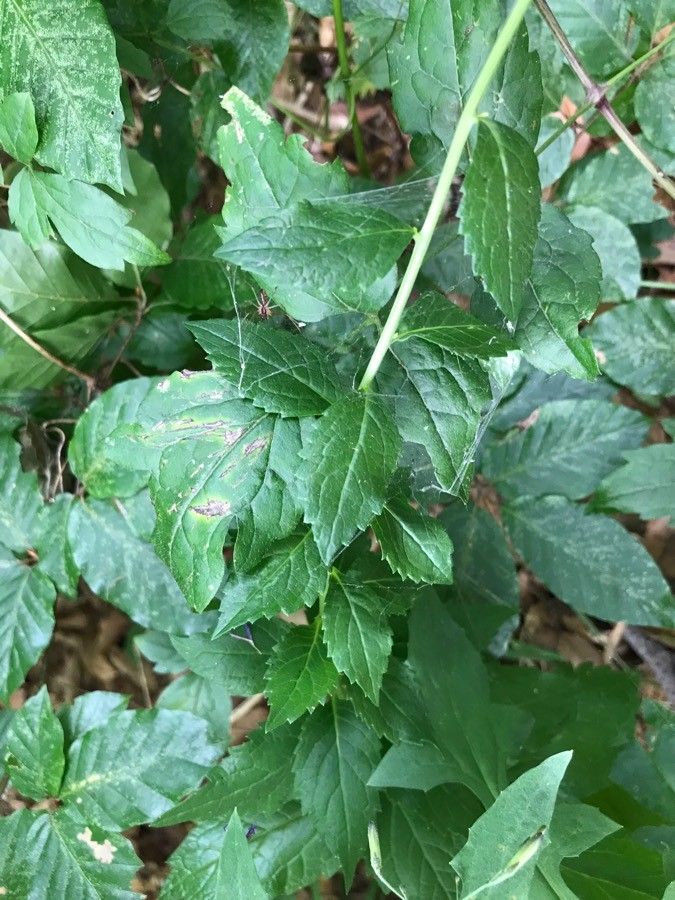
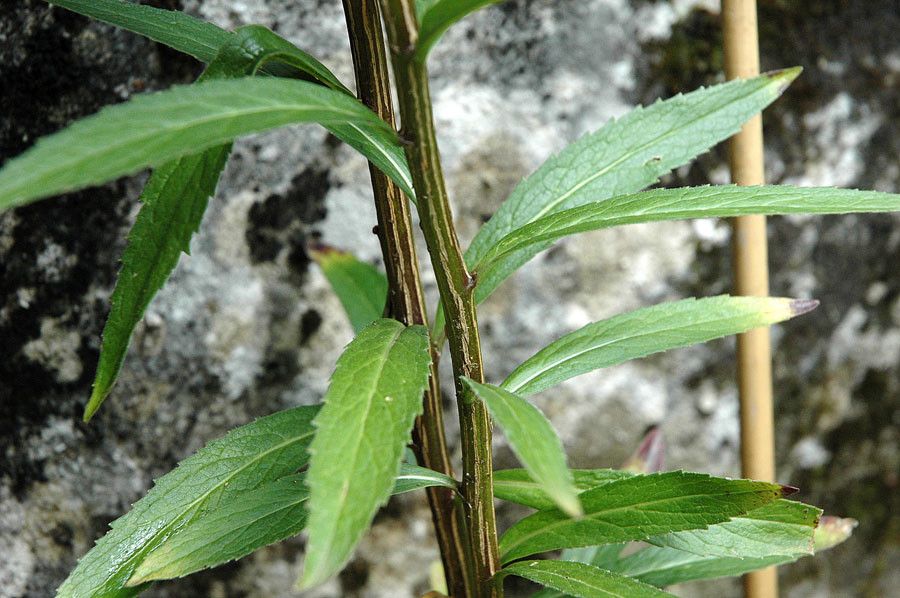
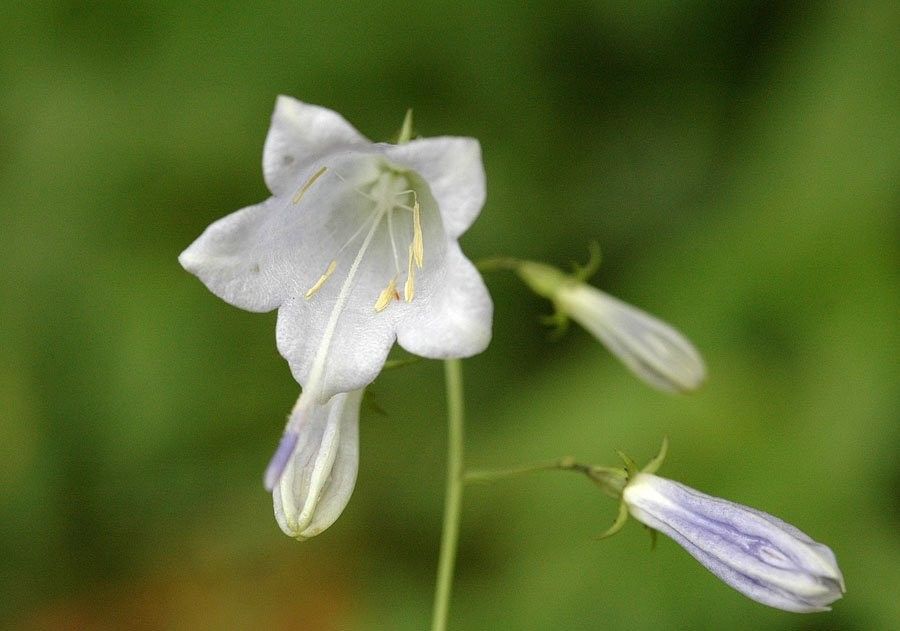
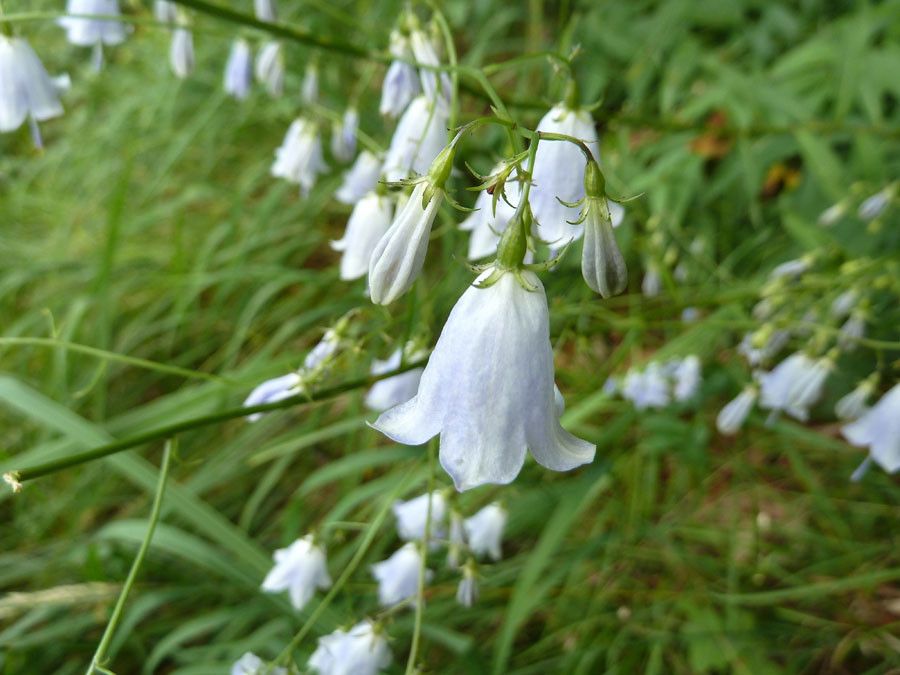
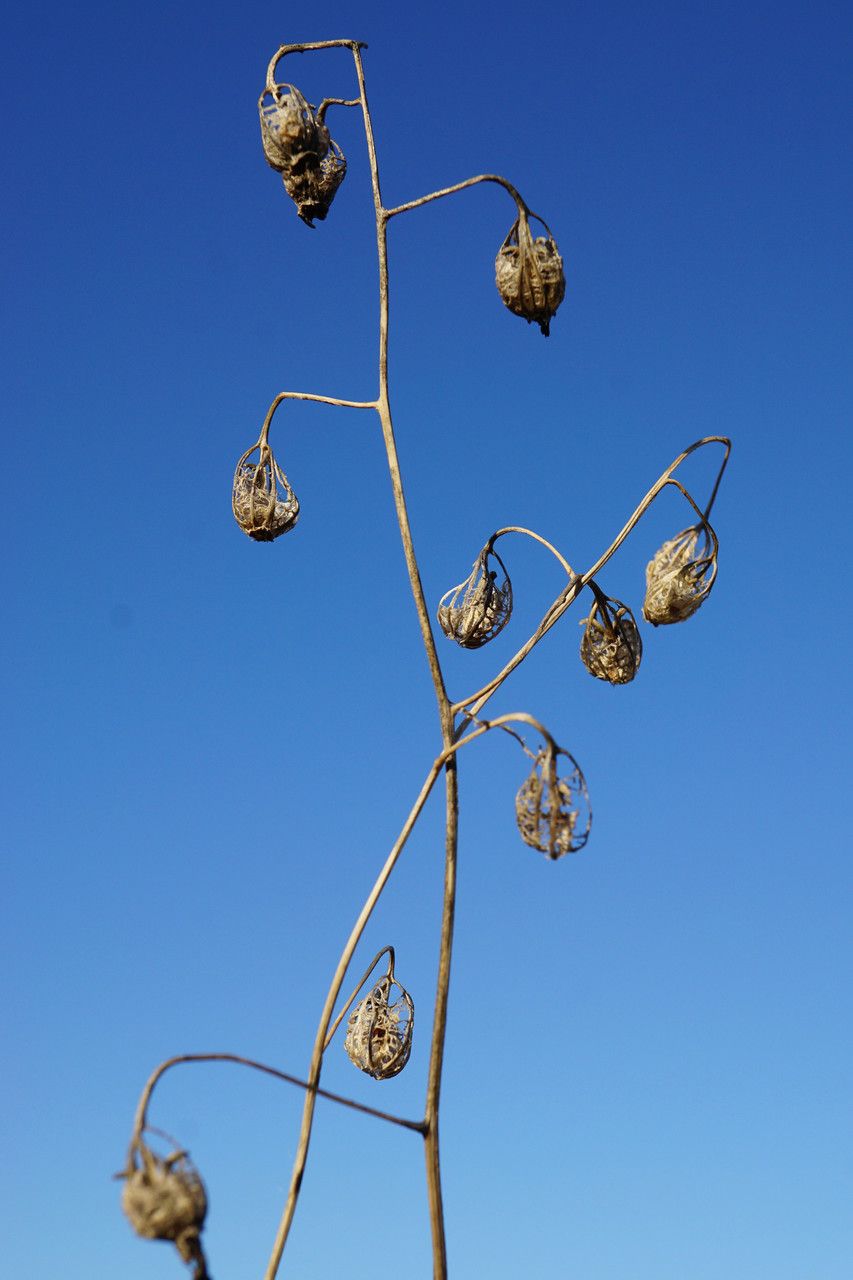
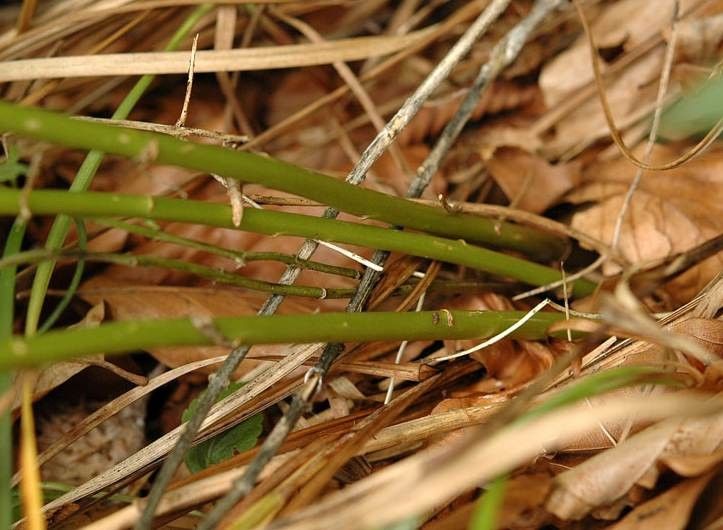
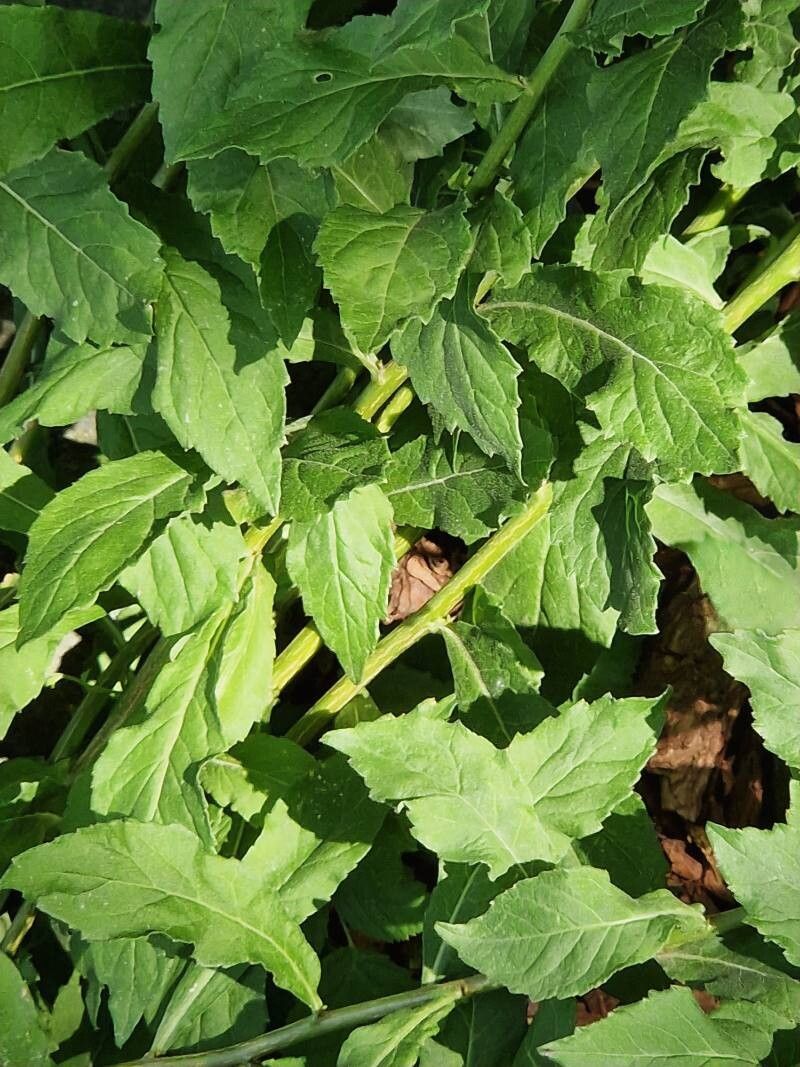
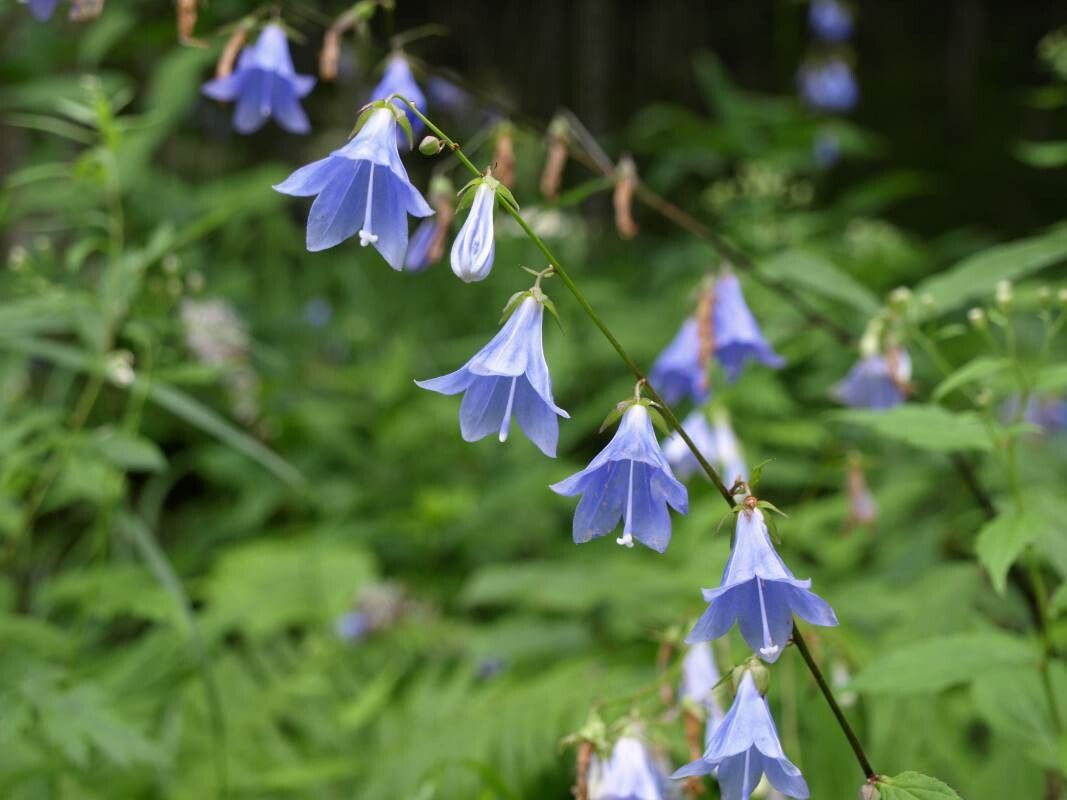
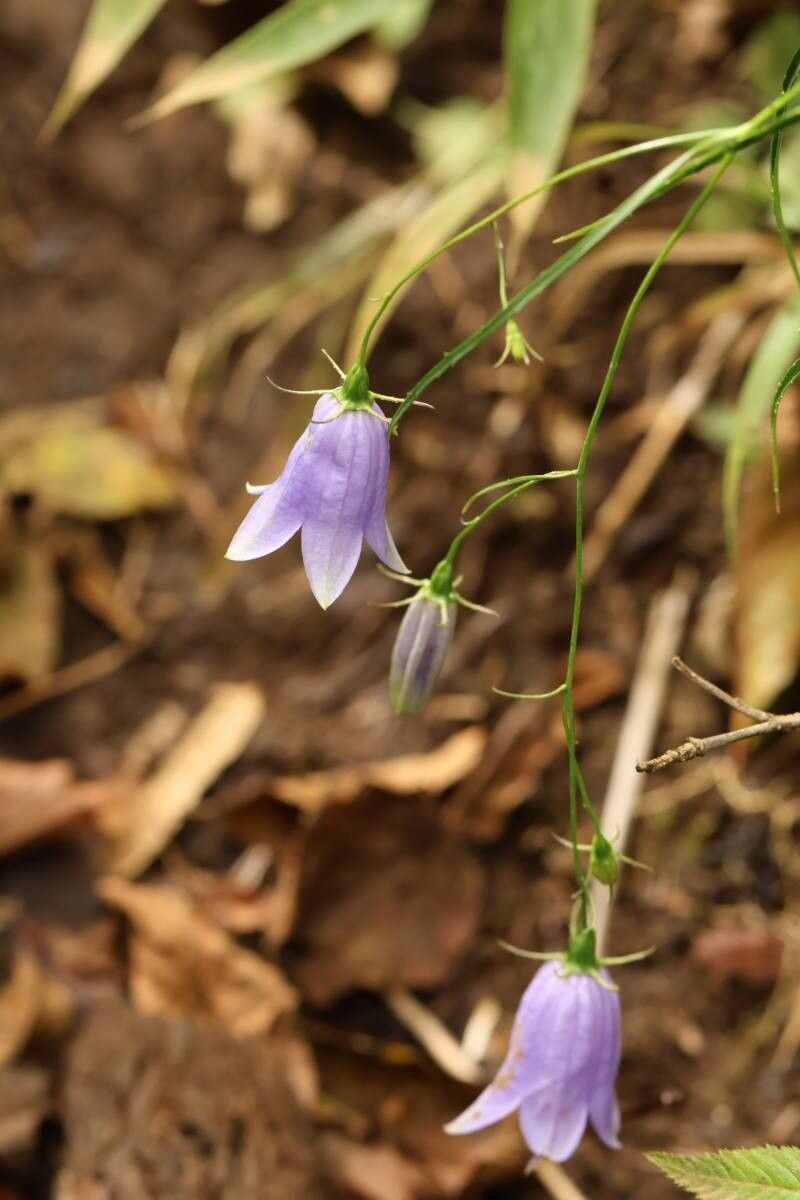
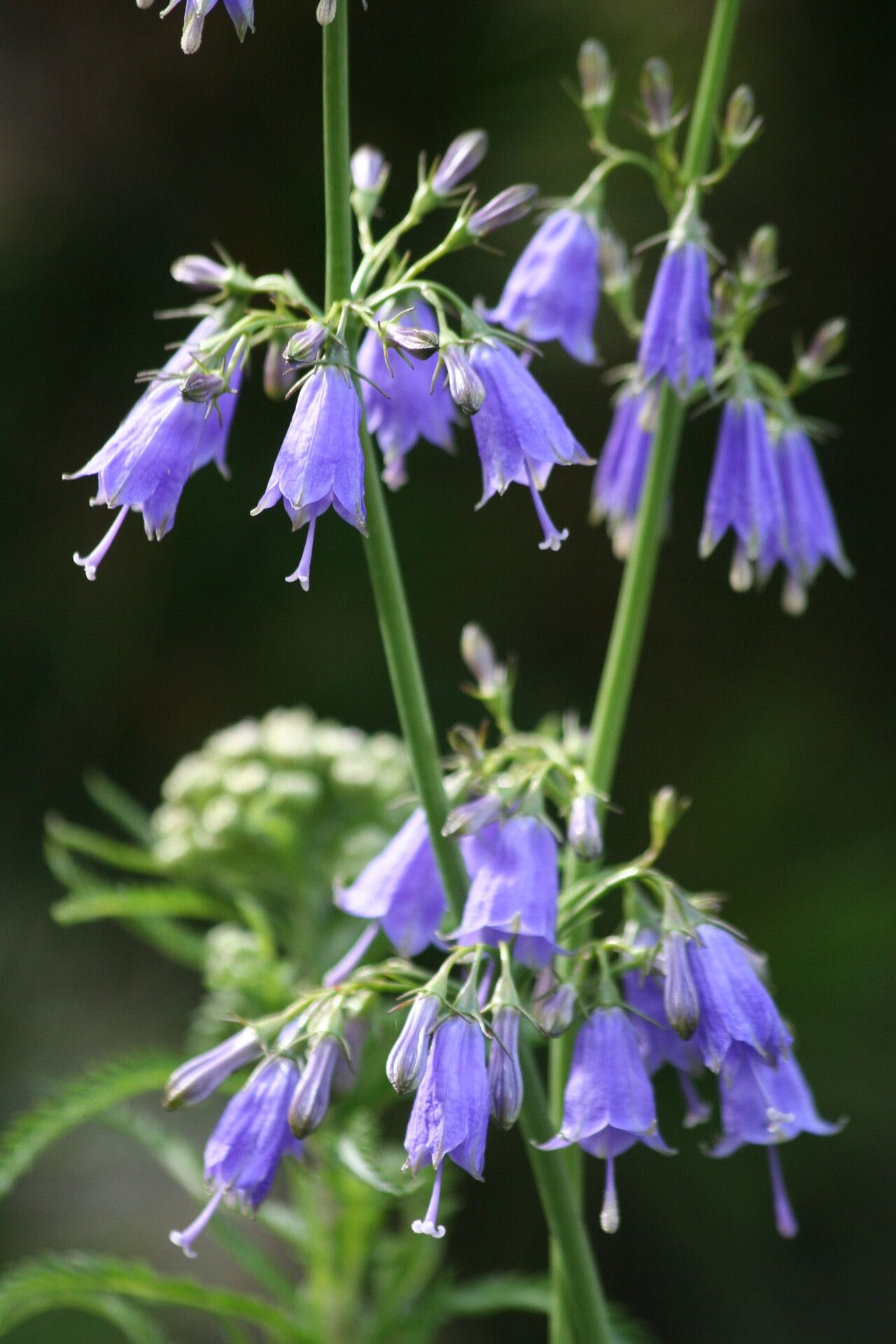
Adenophora liliifolia is a species of plants belonging to the family Campanulaceae.It is native to Europe and Northern America.Synonyms:
Adenophora lilifolia (L.) Ledeb. ex A.DC.
Lilyleaf ladybells has strong resistance to disease and is typically not prone to illnesses. Still, it can be vulnerable to pests and diseases found in its environment. Such infections are generally mild. Care-wise, this plant needs medium maintenance. It should be pruned on a regular basis to preserve an attractive appearance and healthy growth. Fertilizing can also encourage flowering. Lilyleaf ladybells is appropriate for anyone with outdoor space, like a garden or patio, and does not demand extensive gardening experience. It may need extra attention if grown indoors.
How to keep Adenophora Liliifolia.
Light
Lilyleaf ladybells is native to habitats like forest understories and rocky areas, where it grows in natural shade. It prefers partial sun but can tolerate both full sun and full shade, showing its adaptable and hardy character.
Water
Lilyleaf ladybells come from temperate regions and thrive best in moderately moist soil with consistent hydration. They require weekly watering and have a moderate tolerance to drought. Typically grown outdoors, lilyleaf ladybells benefit from seasonal rainfall, which supports their health and enhances their flowering potential.
Temperature
Lilyleaf ladybells can adapt to a wide range of temperature conditions, although its distribution may still be constrained by different combinations of water and heat. It performs best in warm summer climates with sufficient rainfall or watering. Extended periods of cloudy, rainy weather, as well as prolonged high temperatures, can raise the likelihood of Lilyleaf ladybells dying. In winter, proper protection from cold can improve the plant’s survival rate.
Fertilizer
The best time to fertilize a Lilyleaf ladybells is in early spring, when it is coming out of dormancy and beginning active growth. Fertilization supplies essential nutrients needed for healthy growth. Although Lilyleaf ladybells has relatively low fertilizer requirements, applying fertilizer annually can improve its survival and encourage better, longer-lasting flowers.
Pruning
Lilyleaf ladybells are known for their bell-shaped flowers and delicate foliage. To promote healthy growth and blooming, prune them between early and late spring. During pruning, remove any dead stems; this not only encourages new growth but also helps prevent disease and improves air circulation. To prolong the blooming period, make sure to regularly deadhead the plants. When deadheading, use clean, sharp tools to minimize stress on the plants and reduce the risk of disease.
Botanical profile.
- Plant Type
- Herb
- Life Cycle
- Perennial
- Genus
- Adenophora
- Family
- Campanulaceae
- Hardiness Zone
- 4-8
- Mature Height
- 46 cm to 61 cm
- Mature Spread
- 49 cm
- Leaf Color
- Green, Dark Green
- Leaf Type
- Deciduous
- Flower Size
- 1.02 cm to 2.03 cm
- Bloom Time
- Early summer, Mid summer
- Planting Time
- Spring, Summer
- Harvest Time
- Late summer, Early fall
- Native Area
- Austria, Czech Republic, Slovakia, Romania, Montenegro, Poland, Croatia, Slovenia, Belarus, Ukraine, China, Russia, Serbia, Hungary, Germany, Kyrgyzstan, Kazakhstan, Italy, Switzerland, Mongolia, Koppen, South Korea
Other names.