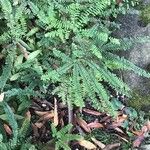
Adiantum pedatum
Northern maidenhair · Pointerweed · Five-finger fern · Maidenfern · Maidenhair
Description
Source: leafsnapAdiantum pedatum, commonly known as the maidenhair fern, is a delicate and graceful fern species native to North America. This deciduous perennial plant typically grows to a height of 1-2 feet and spreads 2-3 feet in width. It features slender black stems adorned with delicate green fronds that are fan-shaped and divided into numerous small leaflets. The maidenhair fern thrives in moist soil with good drainage and prefers partial shade or filtered sunlight. It can be cultivated both indoors and outdoors, in gardens or containers. While the plant requires regular watering, it is crucial to avoid overwatering as it can lead to root rot. Adiantum pedatum possesses several medicinal properties, including uses for treating respiratory ailments such as coughs, colds, and bronchitis. Additionally, it aids in improving digestion by stimulating the production of digestive enzymes. Overall, Adiantum pedatum is an attractive ornamental plant that adds beauty and elegance to any garden or indoor space. Its health benefits make it an excellent addition for gardeners and nature enthusiasts alike!
🌳 Although not widely used commercially, the northern Maidenhair fern is valued in horticulture for its delicate, fan-like fronds and its ability to prosper in shady gardens. This makes the northern Maidenhair fern a popular selection for gardeners seeking to create calm, enchanting woodland-style landscapes. Its ornamental qualities lend a hint of wild elegance to shade gardens and terrariums, adding aesthetic variety to cultivated spaces. The northern Maidenhair fern may not produce essential oils or spices, but its role in garden ecology demonstrates the union of usefulness and beauty.
🎭 Prudence
Care Guide
💧 Water Every 7 days
The Northern Maidenhair Fern thrives in humid temperate forests and prefers environments with high humidity and evenly moist soil. While it can tolerate moderate drought, it’s best to water the plant about twice a week. If you’re growing it indoors, regularly mist the fern to keep its fronds lush throughout the year.
What do I need to do if I give my Northern Maidenhair Fern too much water or not enough water?
The Northern Maidenhair Fern can be overwatered if it is left in standing water or planted in a pot without drainage holes. Too much moisture can prevent the roots from getting nutrients and can lead to fungal or bacterial diseases. The signs of overwatering include wilted and yellow leaves, drooping or mushy stems. However, it is important to check for other causes of these symptoms as well. On the other hand, if the fern is underwatered, it can quickly turn brown and crispy. In extreme cases, it may appear completely dried up, but there might still be a chance to save it if the roots are healthy. In this case, pruning the dead stems and watering thoroughly can help the plant recover. It might take some time for the fern to grow back to its original size, but with proper care, it is possible.
How should I give my Northern Maidenhair Fern the right amount of water?
To keep your Northern Maidenhair Fern thriving, it is important to maintain consistently moist soil similar to its natural environment. This may require watering every one or two days, as this plant should never be allowed to dry out. Once you notice the top layer of soil becoming slightly dry, it is time to water again. It is crucial not to skimp on watering - thoroughly soak the soil until water drains from the bottom of the pot. After drainage, remove any excess water to prevent the pot from sitting in a puddle. Following this method will effectively prevent the soil from becoming too dry.
What do I need to think about when watering my Northern Maidenhair Fern?
The watering needs of your Northern Maidenhair Fern depend on the humidity in the air. Higher humidity means less frequent watering. To prevent your fern from drying out quickly, avoid placing it near heating or cooling vents. These ferns thrive in dappled and indirect sunlight, and temperatures between 55-80 degrees Fahrenheit (13-27 degrees Celsius). Be cautious about placing them on a warm and sunny windowsill as they may become dehydrated. While rainwater or distilled water is ideal, tap water is generally suitable, although certain minerals and chemicals can cause brown leaf tips. It is best to use pots that provide ample space for these ferns, as small pots dry out faster due to their limited potting medium. Using a self-watering planter is a good option for Northern Maidenhair Ferns. This type of pot ensures a consistently moist soil by using a wicking system and a central reservoir. It eliminates the need for frequent watering and provides a constant water supply for the roots, which is beneficial compared to alternating dry and wet conditions.
☀️ Light Full shade
For healthy growth, the northern Maidenhair Fern needs dappled light and can tolerate dim conditions. Native to wooded areas, it is accustomed to the changing, forest-filtered light. Too much direct sun can cause sunburn, while too little light may leave the fronds limp and unhealthy.
What are the sunlight requirements for Northern Maidenhair Fern?
Northern Maidenhair Fern requires scattered light for healthy growth and can withstand low-light conditions, thriving under the filtered light similar to its natural wooded environments. It is important to provide the right balance of light and shade, with specific requirements entailing partial sun (about 3-6 hours of sunlight) and full shade (less than 3 hours of sunlight) to prevent conditions such as sunburn from overexposure or weakened, lethargic fronds from inadequate light. Observing how sunlight moves through your garden can help in placing your plants optimally.
How can artificial lighting support Northern Maidenhair Fern growth?
Artificial lighting plays a crucial role in the growth of indoor Northern Maidenhair Ferns, especially when natural sunlight is insufficient during winter or in less sunny spaces. It's suggested to use LED lights customized to supply specific wavelengths needed for plant growth, with recommended wattages varying based on plant light requirements: 30-50W/sq ft for full sun plants, 20-30W/sq ft for partial sun plants, and 10-20W/sq ft for full shade plants. The light source should be placed 12-36 inches above the plant, mimicking natural sunlight conditions, and kept on for 8-12 hours daily to encourage healthy growth.
What are the signs of inadequate light exposure in Northern Maidenhair Fern?
Signs of inadequate light for Northern Maidenhair Fern include small leaves, leggy or sparse growth, faster leaf drop, slower or no new growth, and lighter-colored or irregularly patterned new leaves. These symptoms indicate that the fern is not receiving enough light, leading it into survival mode, prioritizing new leaf growth over maintaining old leaves. It's crucial to ensure the plant receives adequate light to prevent these issues and promote optimal health and growth.
How can I address light-related issues for my Northern Maidenhair Fern?
To optimize light exposure for Northern Maidenhair Fern, gradually increase sunlight by moving the plant to brighter spots weekly until reaching 3-6 hours of direct sunlight daily. For large or immovable plants, consider using artificial light sources like desk or ceiling lamps for at least 8 hours daily or invest in professional grow lights. For outdoor plants, avoid sudden light intensity changes to prevent sunburn. Prune surrounding trees or move smaller plants during their dormant period to areas with better sunlight and drainage, ensuring a smoother transition to healthier growth.
🌡️ Temperature 5–35°C
The Northern Maidenhair Fern is native to habitats that experience moderate temperature fluctuations. It does best in temperatures of 41 to 95 °F (5 to 35 ℃). When seasons bring extreme heat or cold, providing a controlled indoor environment can help maintain its growth.
What are the ideal temperature conditions for the Northern Maidenhair Fern?
The Northern Maidenhair Fern, botanically known as Adiantum pedatum, is native to environments experiencing moderate temperatural fluctuations, ideally thriving in temperatures ranging from 41 to 95 °F (5 to 35 °C). It has a strong resistance to cold and generally doesn't require special frost protection measures in winter, as long as temperatures stay above -30°C. For optimal growth, particularly during seasons of excessive heat or cold, maintaining a controlled indoor environment for the plant can be beneficial. Before the onset of winter, it is advisable to water the plant abundantly to ensure the soil remains moist and enters a frozen state, thus preventing drought and water scarcity during the colder months.
How does the Northern Maidenhair Fern react to low temperatures?
The Northern Maidenhair Fern is cold-tolerant, performing best when the temperature remains above 5°C (41°F). During the winter season, ensuring that the temperature stays above -25°C is crucial for the plant’s survival. While it can withstand temperatures down to -30°C without showing noticeable changes, dropping below this threshold may result in a decreased ability to sprout or a failure to sprout at all come spring. If parts of the plant fail to sprout in the spring, these should be removed to encourage new growth.
What should I do if the Northern Maidenhair Fern experiences high temperatures?
During the summer, it's essential to keep the Northern Maidenhair Fern’s environment below 35°C (95°F) to avoid heat stress. When the temperature climbs above 38°C (100°F), the plant’s leaves may start showing signs of distress such as lightening in color, curling, and becoming more susceptible to sunburn. To mitigate these effects, trim away any sunburned or dried parts of the plant, and move it to a shaded location, especially during the midday and afternoon sun. Using a shade cloth can also help create a cooler environment. Additionally, watering the plant in the morning and evening can help maintain soil moisture, further assisting in its recovery from high temperature stress.
💨 Humidity
🪴 Soil 5-6
🌱 Fertilizer
For northern Maidenhair Fern, fertilize once a month with a diluted high-nitrogen liquid fertilizer during the growing season. In the winter, switch to fertilizing every other month. Keep an eye on the condition of the fronds to prevent over-fertilization. Begin with a smaller amount of fertilizer and increase it only if necessary to ensure the fern maintains vibrant foliage and retains its ornamental appeal.
Why should I put fertilizer on my Northern Maidenhair Fern?
Fertilizing Northern Maidenhair Fern is important for a few reasons. Firstly, it provides your plant with the necessary nutrients for healthy new growth. Secondly, these additional nutrients also help in maintaining the overall health of the fern and can aid in protecting it against diseases and pests.
When should I apply fertilizer to my Northern Maidenhair Fern for the best results?
The feeding schedule for Northern Maidenhair Fern depends on where it is growing. This plant doesn't need a lot of food, but it does require some extra nutrients. For outdoor plants, fertilizing once in the spring is sufficient. However, for indoor specimens, they need to be fed monthly from spring to summer.
When is the best time to not fertilize my Northern Maidenhair Fern?
To ensure healthy growth, avoid fertilizing Northern Maidenhair Ferns in the late autumn and during hot and dry periods. Fertilizing during these times can lead to excessive growth right before winter and when the soil is dry, the effectiveness of the fertilizer is reduced. Moreover, stimulating growth during hot and dry periods requires more water, which may not be readily available. It is preferable to apply fertilizer earlier in the season when temperatures are cooler. Additionally, be mindful that Northern Maidenhair Ferns can absorb fertilizer from neighboring plants or lawns, so take care to avoid accidentally giving them too much fertilizer.
What fertilizer should I use for my Northern Maidenhair Fern?
When choosing a fertilizer for Northern Maidenhair Fern, your options will vary based on whether the plant is growing indoors or in the garden. Outdoor plants will benefit from mulch or compost, while indoor plants require an ideal fertilizer with an N-P-K ratio of 3-1-2. Alternatively, a general-purpose fertilizer with a balanced nutrient blend may also suffice, as long as the ratio number for each nutrient is 3 or lower.
How should I add fertilizer to my Northern Maidenhair Fern?
Fertilizing Northern Maidenhair Fern is simple, but it varies based on the plant's location. For outdoor garden plants, adding a layer of mulch or compost to the soil, placed around the base of the plant, works best. Conversely, indoor plants are usually healthier with a diluted liquid fertilizer applied before watering. It should be done monthly during the spring and summer seasons.
🪴 Pot & Repot 2-3 years
Repot the Northern Maidenhair Fern every 2-3 years, ideally in the spring, using a shallow, wide pot for optimal growth. After repotting, maintain high humidity and provide indirect light to support healthy root expansion and promote lush growth.
✂️ Pruning
The Northern Maidenhair Fern benefits from light pruning to boost its health and appearance. For optimal growth and improved airflow, trim any damaged fronds in early spring. This helps minimize the risk of disease. Additionally, regularly check for discolored fronds to maintain the fern's lush look.
🌿 Propagating
🐛 Diseases & pets
☠️ Toxicity
The Five Fingered Fern is non-toxic to both people and pets, making it a lovely addition to any garden or home.
Characteristics
- Plant Type
- Fern
- Life Cycle
- Perennial
- Genus
- Adiantum
- Family
- Pteridaceae
- Hardiness Zone
- 4-9
- Mature Height
- 49 cm
- Mature Spread
- 49 cm
- Leaf Color
- Green
- Leaf Type
- Deciduous
- Bloom Time
- Spring, Summer
- Planting Time
- Spring, Summer, Autumn
- Native Area
- 10-11