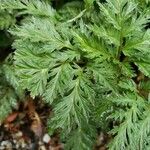
Adonis amurensis
Amur adonis · Far East Amur adonis
Description
Source: leafsnapAdonis amurensis, commonly known as Amur adonis and pheasant's eye, is a perennial plant with a golden yellow flower belonging to the Ranunculales order, and native to China (Heilongjiang, Jilin, Liaoning), Japan (Hokkaido), Korea, and Russian Far East (Primorye, Amur, Sakhalin). The Japanese name Fukujusō means fortune-longevity-plant.
Care Guide
💧 Water 1 to 2 times a week
The Amur adonis flourishes in moderate water conditions, balancing between dry and wet environments. As a native of temperate regions, it can withstand dry spells and generally prefers to be watered once a week. This deciduous plant is resilient to fluctuating water levels, making it an excellent choice for outdoor gardening.
How should I water my Amur adonis plant to make sure it stays healthy?
To properly water the Amur adonis, it is best to use filtered water at room temperature. Tap water may contain harmful particles, so filtered water is preferred. The water should be at room temperature or slightly warmer because the plant is accustomed to a warm environment and cold water can be detrimental. It is also advised to avoid overhead watering as it can cause problems with the foliage. Instead, you should apply the filtered room temperature water directly to the soil until the soil is completely saturated. This will benefit the plant by providing moisture to the roots and allowing them to spread and gather necessary nutrients.
What should I do if I give too much or too little water to my Amur adonis plant?
Overwatering is a common issue that can harm your Amur adonis. When this plant gets too much water, its stems and leaves may wilt and turn yellow. Over time, overwatering can also cause diseases like root rot, mold, and mildew, which can kill the plant. On the other hand, underwatering is less common because the Amur adonis can handle drought. Still, it's possible and can cause the leaves to become brittle and brown. It's important to recognize the signs of overwatering early, as some diseases like root rot may not be fixable if you wait too long. If you see these signs, reduce watering immediately and check the soil's drainage. If it drains poorly, replace it with a loose, well-draining potting mix. If you notice signs of underwatering, simply water more regularly until the signs go away.
How much should I water my Amur adonis plant?
If your Amur adonis plant is in a pot, the most precise way to determine if it needs water is to check the moisture level of the soil. Simply plunge your finger into the soil, and if you find that the first two to three inches are dry, it's time to water it. If you are growing your Amur adonis outdoors in the ground, you can use a similar method to test the soil. Again, check the first few inches of soil and if they have dried out, it's a sign that you need to water the plant. Typically, during the spring and early fall, watering once a week using this method is sufficient. However, in extremely hot weather, you may need to increase the frequency to about twice or more per week. It's worth noting that mature and well-established Amur adonis plants have a remarkable ability to withstand drought.
How much water does my Amur adonis require?
To water your Amur adonis effectively, make sure the first two to three inches of soil are dry before watering. Give the plant a thorough watering, making sure to soak the soil entirely. The water should be enough to flow through the drainage holes at the bottom of the pot. If you don't see excess water draining, you may have underwatered the plant. However, be cautious not to let the water accumulate inside the soil. On the other hand, if water doesn't drain through the pot, it could mean poorly draining soils, which is harmful to the plant. If the plant is outside, 1 inch of rain per week is sufficient.
How should I water my Amur adonis plant as it grows?
The water needs of the Amur adonis change depending on its growth stages. When the adonis is in its first few years or has just been transplanted, it requires more water than usual. During these stages, the adonis focuses on growing new roots to support future growth, which requires more moisture. However, after a few seasons, the adonis will require less water. Additionally, during the bloom period, when the adonis is developing flowers, it may need more water to support this process.
☀️ Light Full sun
Amur adonis is a sun-loving, perennial herbaceous plant native to open habitats and commonly found in meadows and grasslands. It prefers full sun but can also tolerate partial sun conditions.
What are the sunlight requirements for Amur adonis?
Amur adonis is a perennial herbaceous plant that loves the sun and originates from open habitats like meadows and grasslands. It prefers full sunlight, which means it requires more than 6 hours of sunlight daily, but it can also tolerate partial sun conditions, around 3-6 hours of sunlight. When planning where to place your plants, it's important to observe the movement of sunlight through your garden to ensure that your plants receive the perfect balance of light and shade for optimal growth.
How can artificial lighting be used for Amur adonis indoors?
When natural sunlight is insufficient, especially during winter or in less sunny spaces, artificial lighting can be a vital solution for Amur adonis. For indoor plants, LED lights are recommended because they can be customized to provide specific wavelengths of light needed by plants. Full sun plants need 30-50W/sq ft of artificial light, partial sun plants require 20-30W/sq ft, and full shade plants need 10-20W/sq ft. The light should be placed 12-36 inches above the plant to mimic natural sunlight, and most plants need 8-12 hours of light per day to mimic natural daylight hours effectively.
What are the symptoms of light deficiencies in Amur adonis?
When Amur adonis does not receive adequate lighting, several symptoms can manifest, including smaller new leaves, leggy or sparse growth, faster leaf drop, slower or halted growth, and irregularly colored or paler new leaves. Conditions like chlorosis, sunscald, leaf curling, wilting, and leaf scorching can also occur, indicating either too little or too much light exposure. These symptoms highlight the plant's struggle to photosynthesize effectively under suboptimal lighting conditions.
What are the solutions for Amur adonis experiencing light deficiency?
To address light deficiency in Amur adonis, gradually moving the plant to a location with at least 6 hours of direct sunlight is vital. For indoor plants, using a south-facing window or artificial grow lights for at least 8 hours daily can help. For outdoor plants, it's essential to move them gradually to avoid shock from sudden light intensity changes. Reducing obstructions and transplanting smaller plants during their dormant period to sunnier locations with good drainage are also effective strategies. It's important to note that parts of the plant that suffered from insufficient light may not recover, but new growth should be healthy once appropriate light levels are maintained.
🌡️ Temperature 0–32.2°C
Amur adonis can tolerate a wide range of temperatures, but its distribution may still be restricted by specific combinations of moisture and heat. It performs best in warm summer conditions with sufficient rainfall or watering. Extended periods of cloudy, rainy weather or prolonged high temperatures can increase the chances of Amur adonis dying. In winter, adequate protection from cold can improve the plant's survival.
What is Amur adonis?
Amur adonis, botanically known as Adonis amurensis, is a plant species recognized for its distinctive features and properties. There isn't provided specific information regarding its essentials, content, or symptoms associated with it.
💨 Humidity
🪴 Soil 6-7
🌱 Fertilizer
The best time to fertilize an Amur adonis is in early spring, when it is coming out of dormancy and beginning active growth. Fertilization supplies essential nutrients needed for healthy growth. Although Amur adonis has relatively low fertilizer requirements, applying fertilizer annually can improve its survival and produce better, longer-lasting flowers.
Why should I put fertilizer on my Amur adonis plant?
Fertilization plays a crucial role in supporting the growth of the Amur adonis and other plants. It provides essential nutrients for both the above-ground and below-ground parts of the plant. Although the Amur adonis has relatively low fertilization needs and can survive without it, annual fertilization can greatly benefit the plant. It not only ensures its survival but also promotes the development of beautiful, longer-lasting flowers. To help your Amur adonis thrive, it is recommended to maintain a regular schedule of annual fertilization.
What is the ideal time to fertilize my Amur adonis plant?
The best time to fertilize an Amur adonis is in late winter to early spring when it is coming out of its dormant phase and starting to grow actively. Fertilizing at this time promotes healthy growth for the season. Although early spring is generally the best time, fertilizing in the fall is also acceptable. However, it is not recommended to fertilize the Amur adonis during summer or winter.
When is the best time to not fertilize my Amur adonis plant?
To ensure the proper growth of your Amur adonis, it is recommended to fertilize it only in late winter and early spring. This plant has low fertilization needs, so one feeding per year is enough. Overfertilizing during spring, summer, and fall should be avoided as it can cause complications. However, if you missed fertilizing in spring, it is acceptable to feed the plant in fall. Furthermore, there is no need to fertilize the plant during winter because it goes into a dormant phase and does not produce new growth. Therefore, fertilization during most of the winter is not recommended.
What kind of fertilizer does my Amur adonis plant require?
For an Amur adonis, any general-purpose fertilizer with a balanced amount of the three main plant nutrients will work well. However, there are specific nutrient blends that can be even more beneficial. Many gardeners believe that higher levels of phosphorus lead to stronger roots and better flowers. Since the Amur adonis is a flowering plant, using a phosphorus-rich fertilizer may be the best approach. You can choose between granular or liquid fertilizers as long as they contain plenty of nutrients. Additionally, organic methods like compost and manure can greatly improve the soil for your Amur adonis.
How can I fertilize my Amur adonis plant?
To fertilize an Amur adonis plant, the most common method is to use a granular or pellet fertilizer applied to the soil around the plant. It is important to remember that the best time to fertilize is when the plant is transitioning from its winter dormant phase to active growth. In early spring, when the plant starts to send shoots through the soil, you can apply the fertilizer. If you prefer, you can use a liquid fertilizer instead, but make sure to dilute it with water before applying. Regardless of the type of fertilizer you choose, it is always recommended to moisten the soil before, during, and after applying the fertilizer.
🪴 Pot & Repot
✂️ Pruning
The Amur adonis benefits from early spring pruning, which helps remove damaged stems and encourages new growth. After blooming, light pruning can enhance the plant's shape and overall health. It's important to avoid heavy pruning, as the plant is quite sensitive. Regularly removing spent flowers improves its appearance and supports its vigor and aesthetic appeal throughout the season.
🌿 Propagating
🐛 Diseases & pets
☠️ Toxicity
Characteristics
- Plant Type
- Herb
- Life Cycle
- Perennial
- Genus
- Adonis
- Family
- Ranunculaceae
- Hardiness Zone
- 3-7
- Mature Height
- 30 cm to 46 cm
- Mature Spread
- 15 cm to 30 cm
- Leaf Color
- Light Green, Forest Green
- Leaf Type
- Deciduous
- Flower Color
- Yellow
- Flower Size
- 2.54 cm to 5.08 cm
- Bloom Time
- Late winter, Early spring
- Planting Time
- Spring, Autumn
- Harvest Time
- Mid spring, Late spring
- Native Area
- Russia, Japan, Koppen, South Korea, China