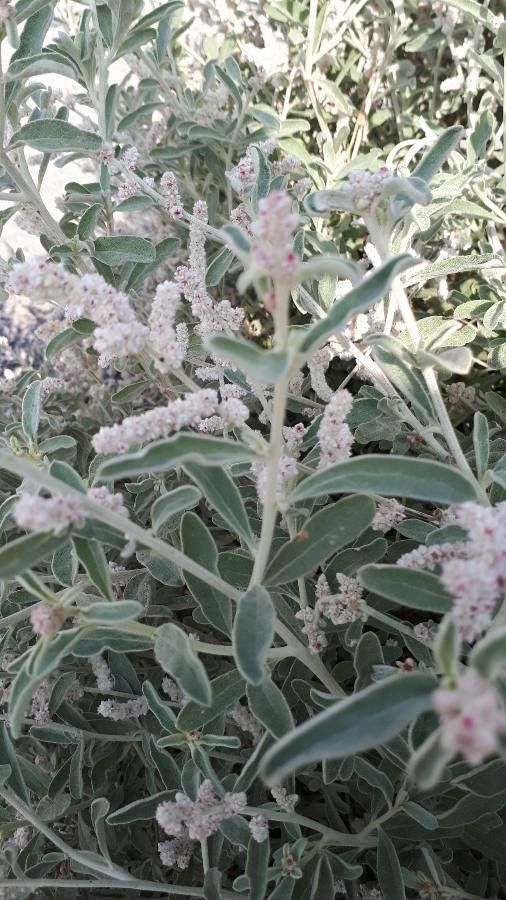
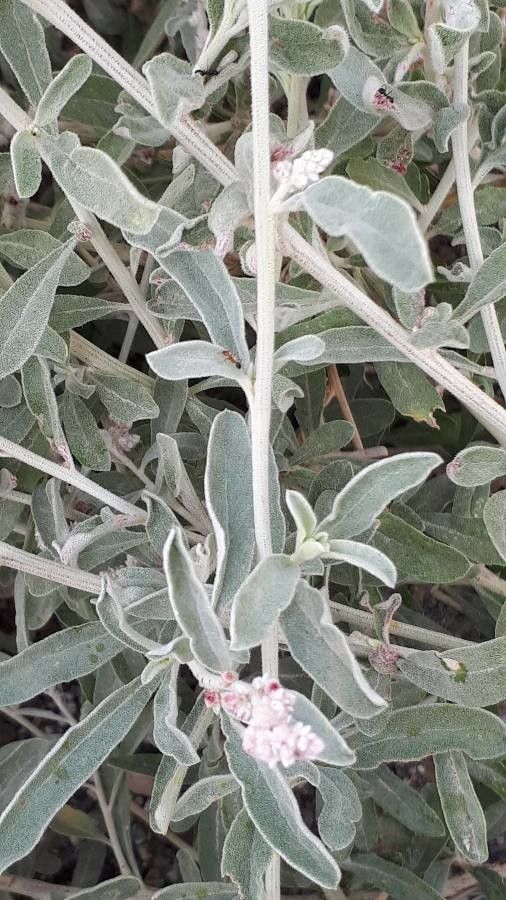
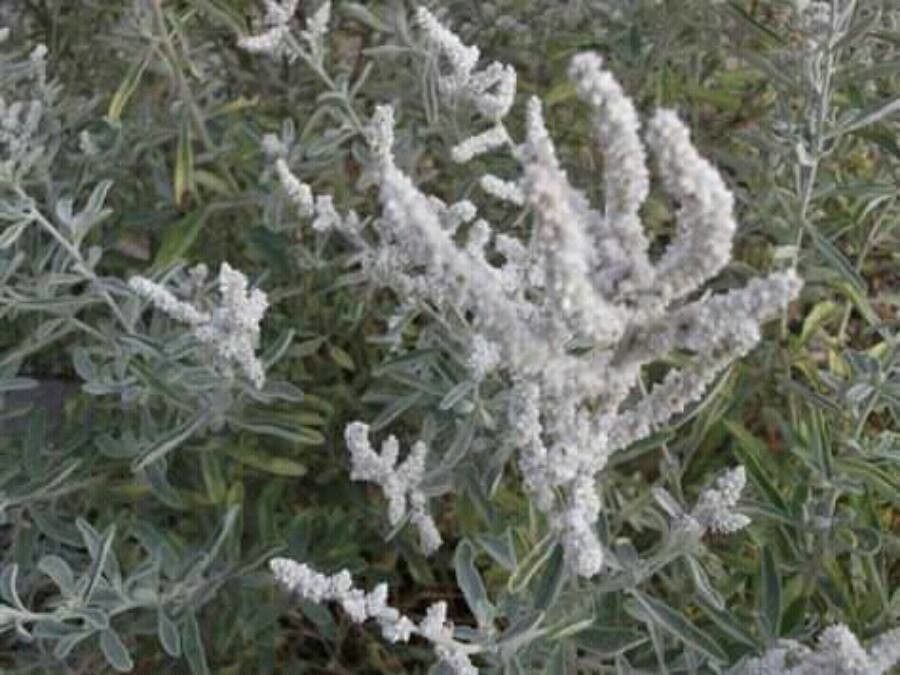
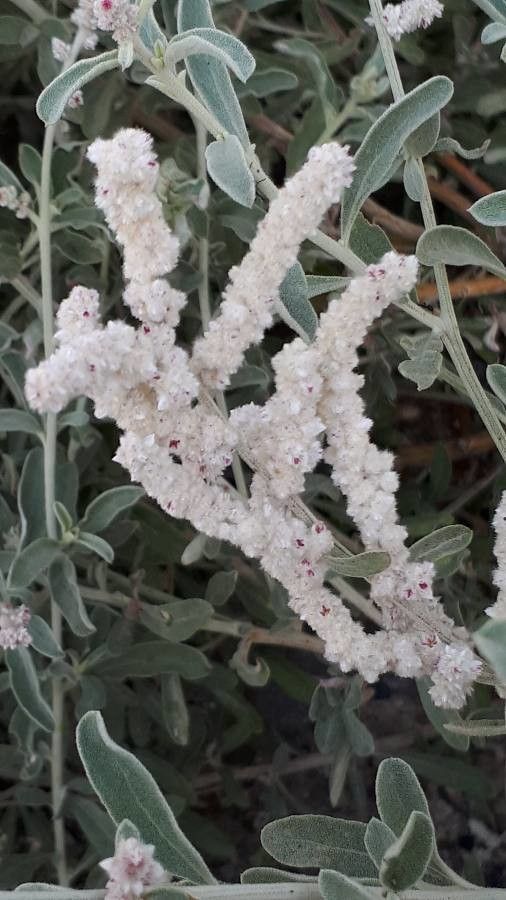
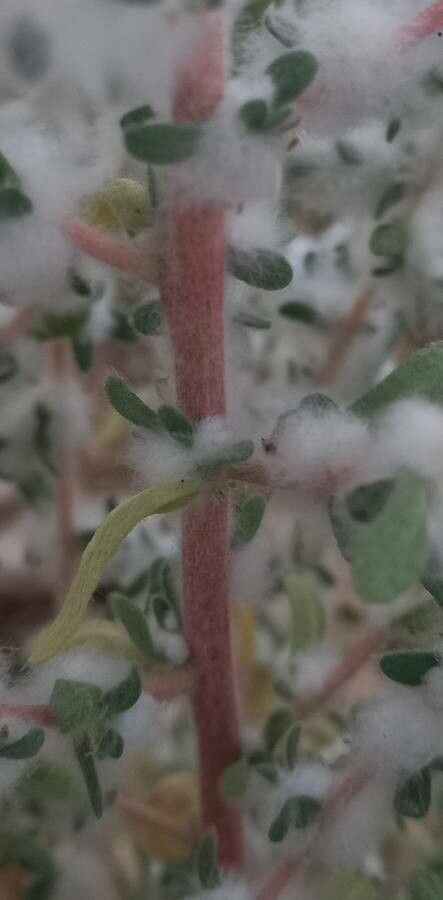
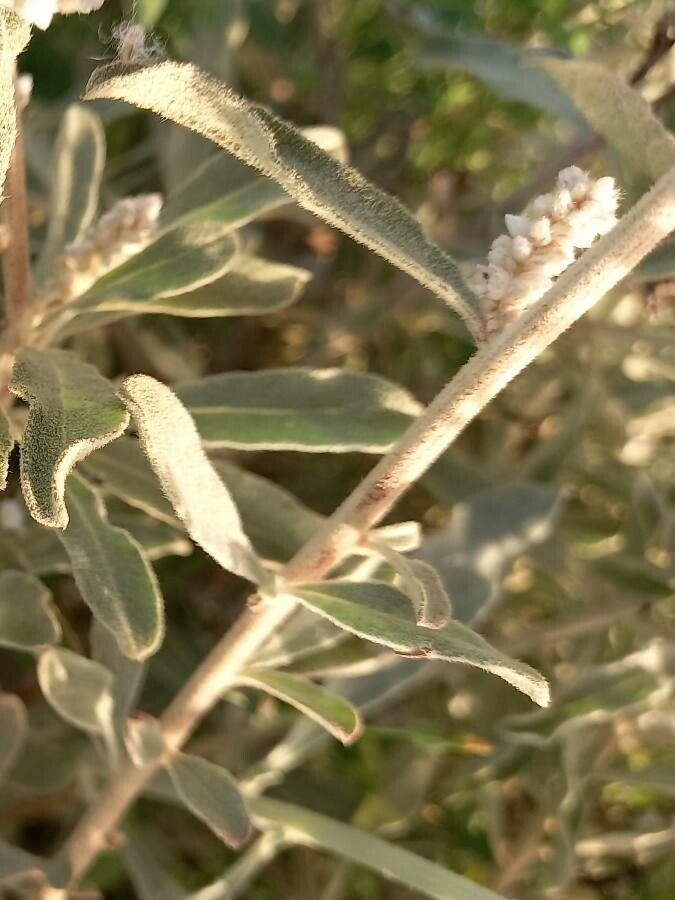
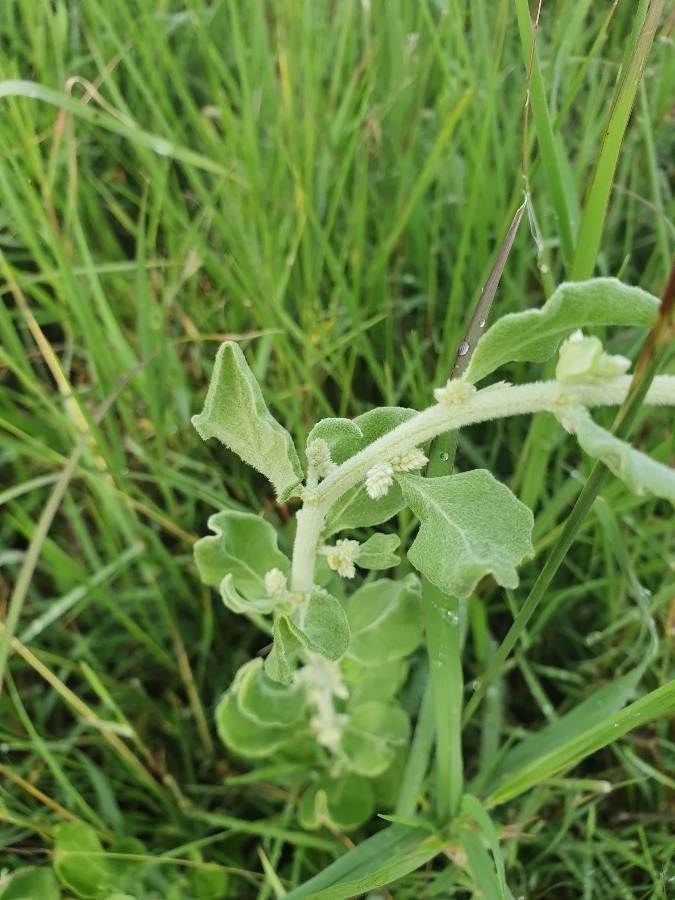
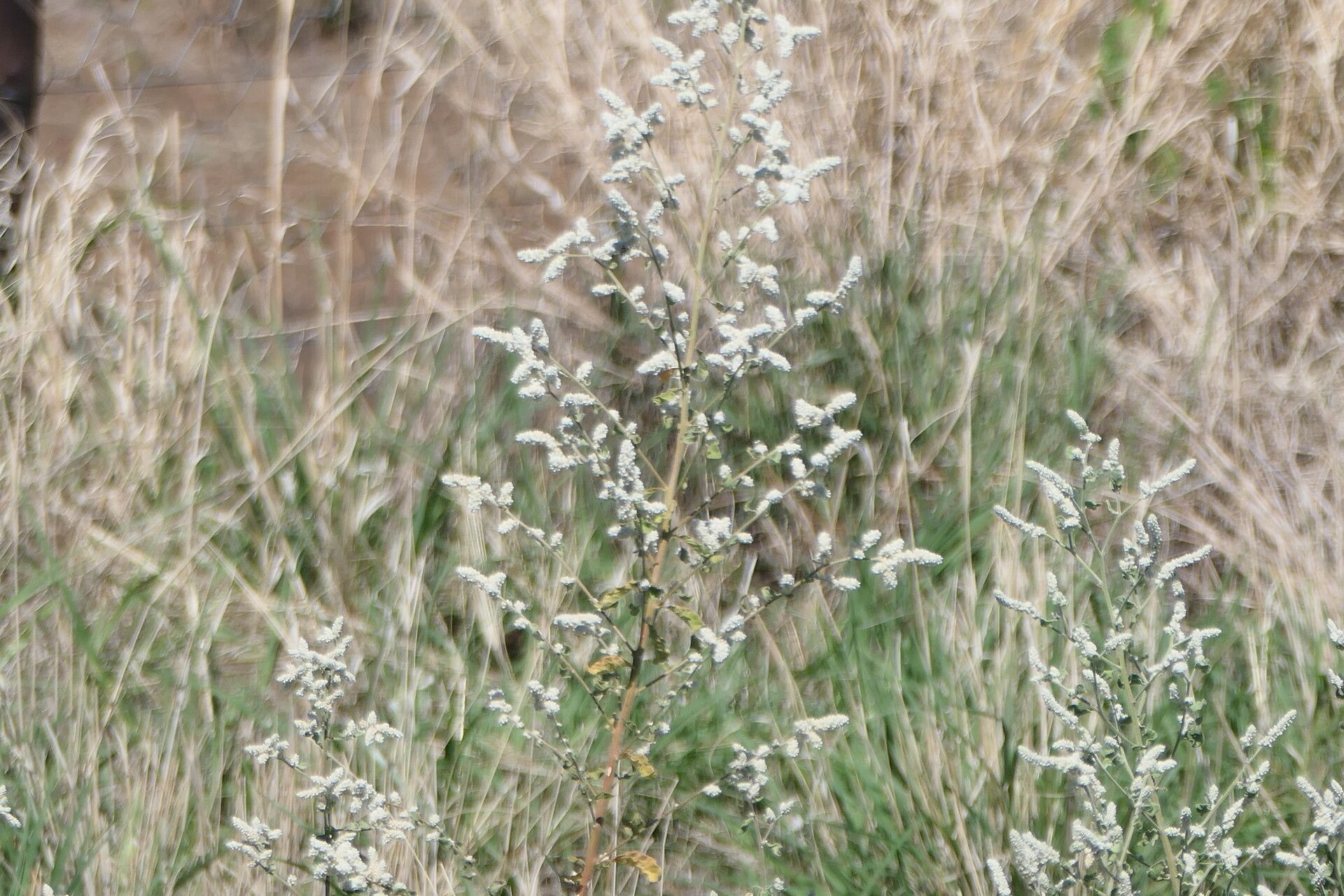
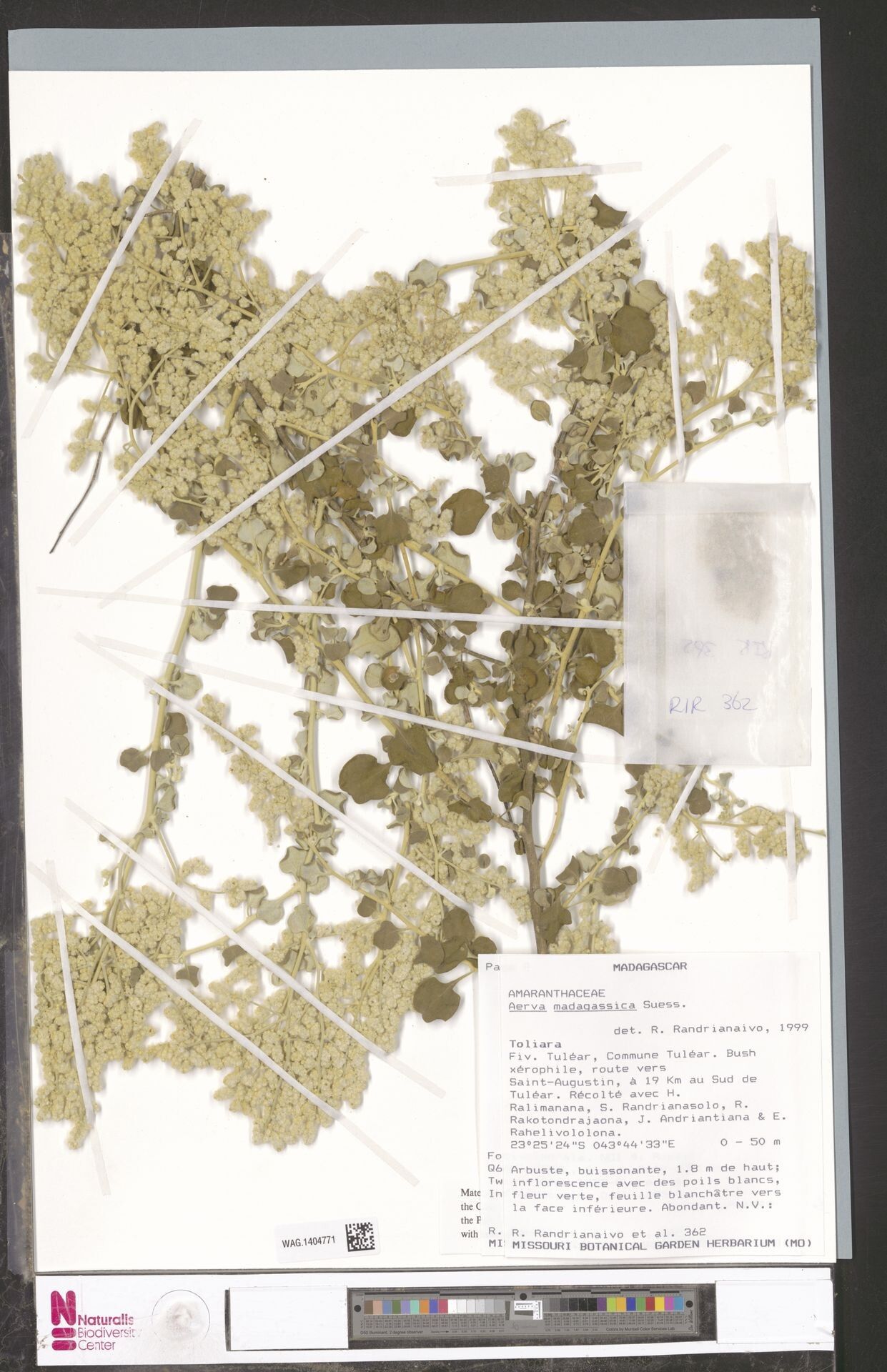
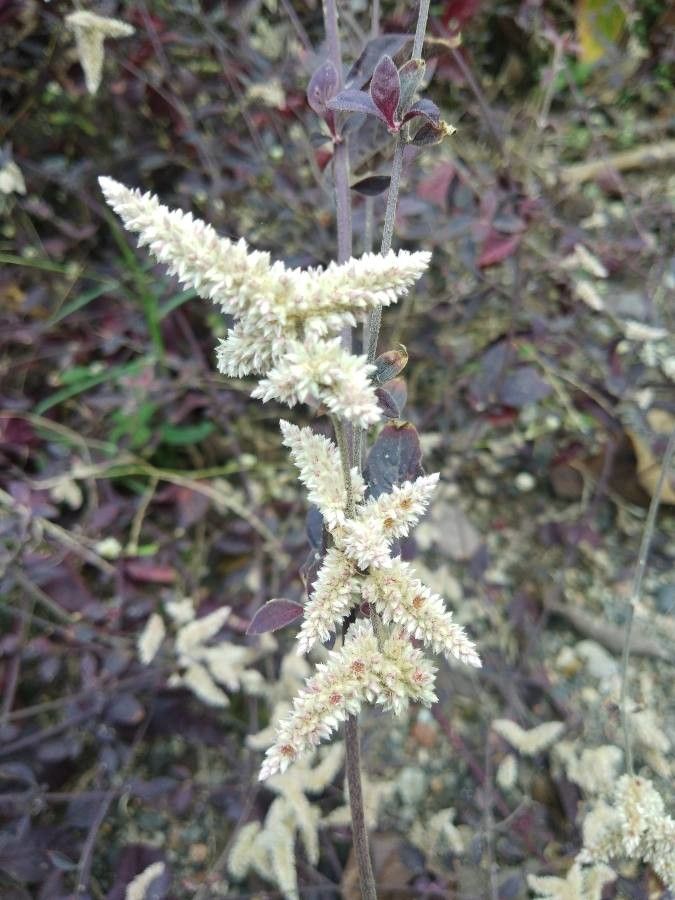
Aerva javanica, the kapok bush or desert cotton, is a species of plant in the family Amaranthaceae. It has a native distribution incorporating much of Africa (including Madagascar), and the south-west and south of Asia, and it has become adventitious in northern Australia.
The kapok bush is fairly disease-resistant and usually not prone to illnesses. However, it can be affected by pests and diseases present in its environment. Such infections are typically mild. Regarding care, this plant needs a moderate amount of attention. It should be pruned regularly to maintain a neat appearance and support healthy growth. Applying fertilizer can also help encourage flowering. The kapok bush is well suited to people with outdoor areas like a garden or patio and does not demand extensive care experience. It may need more attention if kept indoors.
How to keep Aerva Javanica.
Light
The kapok bush grows best in places with plentiful sunlight, so clear, unobstructed exposure to solar rays benefits its development. It comes from habitats where the sun is unrelenting. However, too much or too little light can harm its health, possibly restricting growth or causing desiccation.
Water
The Kapok bush, native to arid regions, is highly drought-tolerant and requires minimal watering—typically just once a week—to stay healthy. It thrives in well-draining soil, highlighting its low-maintenance characteristics and minimal water requirements, which make it ideal for outdoor cultivation.
Temperature
The kapok bush is native to regions where temperatures typically range from 68 to 100 °F (20 to 38 °C). It prospers under these conditions, and during colder winter months it may need extra warmth.
Fertilizer
Kapok bush benefits from regular, light applications of fertilizer to encourage healthy leaf development. Fertilize the Kapok bush about once a month during the summer. Nitrogen is important for foliage, and providing nitrogen-rich fertilizers helps the Kapok bush thrive.
Pruning
Pruning a kapok bush helps to create denser foliage and encourages robust growth. The key techniques involve removing dead branches and thinning the plant to improve air circulation. These tasks are best done between early and late spring. Proper pruning not only promotes healthier growth but also prevents pests and can enhance flowering. For more detailed guidance, consult reliable sources.
Botanical profile.
- Plant Type
- Herb
- Life Cycle
- Annual
- Genus
- Aerva
- Family
- Amaranthaceae
- Hardiness Zone
- 10-11
- Mature Height
- 0.49 m to 1.52 m
- Mature Spread
- 52 cm
- Leaf Color
- Green, Gray
- Leaf Type
- Evergreen
- Flower Color
- White
- Flower Size
- 1.02 cm
- Bloom Time
- Summer, Early fall, Mid fall
- Planting Time
- Spring, Summer, Autumn
- Harvest Time
- Late summer, Fall, Early winter
- Native Area
- Sri Lanka, Libya, Somalia, Egypt, India, Djibouti, Burkina Faso, United Arab Emirates, Madagascar, Eritrea, Pakistan, Nigeria, Morocco, Yemen, Kenya, Uganda, Niger, Tanzania, Mali, Iraq, Cameroon, Mozambique, Oman, Ethiopia, Qatar, Botswana, Saudi Arabia, Malawi, Sudan, Mauritania, Chad, Afghanistan, Myanmar, Israel, Senegal, Iran, Algeria, Kuwait
Other names.
Reader questions.
How should I water my Kapok bush?
To water a Kapok bush, you have various options such as a garden hose with a spray nozzle or a watering can. The good news is that Kapok bushes are not very particular about the type of water they receive, so rainwater, tap water, or filtered water will all work fine. However, it is advisable to avoid watering this plant from overhead as it can harm the leaves and flowers and potentially cause diseases. Instead, setting up a drip irrigation system is often the best way to water a Kapok bush. This system ensures that water is evenly distributed and applied directly to the soil. If you have a Kapok bush in a container, you can follow a similar watering approach but use tools like a cup, watering can, or your tap to water the plant directly at the soil level.
What are the sunlight requirements for a Kapok Bush?
The Kapok Bush requires more than 6 hours of sunlight daily to thrive, highlighting the importance of providing unobstructed exposure to solar rays for its growth. Originating from environments with relentless sunshine, it's crucial to watch how sunlight moves through your garden and select spots that offer a perfect balance of light and shade, ensuring your plant's happiness. Remember, too much or too little light can have adverse effects, potentially hindering growth or leading to desiccation.
What is the ideal temperature range for growing Kapok bush?
Kapok bush, or Aerva javanica, thrives in a temperature range from 68 to 100°F (20 to 38°C). These conditions are essential for its growth, especially considering its heat-loving nature. To ensure the plant's well-being during the colder winter months, it's advisable to maintain temperatures above 20°C. Temperatures approaching or dropping below 5°C can be detrimental and may harm the plant. Therefore, during autumn, when temperatures start to fall, it is recommended to bring outdoor-grown Kapok bushes indoors to protect them from the cold. A bright window serves as an excellent spot indoors, but the plant should be positioned at a safe distance from heat sources to avoid damage.
If I water my Kapok bush too much or too little, what should I do?
To prevent underwatering your Kapok bush, simply water it regularly when you notice it lacks moisture. However, the issue of overwatering can be more serious if not caught early. Overwatering can lead to diseases and the decline and death of the plant. To avoid this, choose a growing location with plenty of sunlight to dry the soil and good drainage to prevent water from pooling. If your Kapok bush is in a pot and you have overwatered it, consider changing to a pot with better drainage. When repotting, use loose soils and an efficiently draining pot.
How can artificial lighting benefit indoor plants, and what are the recommendations?
Indoor plants, including the Kapok Bush, require adequate lighting for optimal growth, especially when natural sunlight is insufficient, such as during winter or in less sunny spaces. Artificial lights, with LED being a popular choice, can be customized to provide specific wavelengths needed by the plants, promoting faster, healthier growth. For full sun plants, 30-50W/sq ft of artificial light is recommended, partial sun plants need 20-30W/sq ft, and full shade plants require 10-20W/sq ft. The light source should be placed 12-36 inches above the plant to mimic natural sunlight, and most plants need 8-12 hours of light per day.
How should you care for a Kapok bush in low temperature conditions?
Kapok bush prefers warm environments and struggles in low temperatures, thriving best when the temperature remains above 20°C. To manage the adverse effects of cold weather, especially during winter when it is crucial to keep the temperature above 5°C, the following steps should be taken: trim off any frost-damaged parts of the plant to prevent further damage and immediately move the plant to a warm indoor environment for its protection. Placing the plant near a south-facing window ensures it receives ample sunlight. However, it's important to avoid placing it too close to heaters or air conditioning vents, as the dry air can further harm the plant.
How often should I water my Kapok plant?
The Kapok bush requires regular watering throughout the growing season. In the spring, it is recommended to water the plant once a week. As the season progresses and temperatures rise, the watering frequency may need to be increased to two to three times per week. However, it is important not to exceed this rate as it can harm the plant. Regardless of the watering frequency, it is crucial to keep the soil moist but not excessively wet. When it comes to a potted Kapok bush, the watering needs are slightly different. Generally, the soil in a pot tends to heat up and dry out faster than ground soil. Therefore, watering a container-grown Kapok bush should be done a few times per week, compared to just once per week for an in-ground plant.
What are the common symptoms of light deficiency in Kapok Bush?
When grown indoors with inadequate light, the Kapok Bush may exhibit symptoms such as smaller new leaves, leggy or sparse growth, faster leaf drop, slower or no new growth, lighter-colored new leaves, and conditions like chlorosis and sunscald. Chlorosis leads to leaves losing their green color, turning yellow due to chlorophyll breakdown. Sunscald damages the leaves or stems with intense sunlight exposure, while leaf curling, wilting, and leaf scorching are defense mechanisms or damage responses to excessive sunlight.
What measures should be taken when a Kapok bush experiences high temperatures?
During the hotter summer days, it's important to ensure the Kapok bush is exposed to temperatures below 38°C to prevent heat stress. Exposure to temperatures above 43°C can lead to symptoms such as the lightening of leaf color and increased susceptibility to sunburn. To mitigate these effects, prune the sunburned or dried parts of the plant. Relocating the plant to a shaded area, particularly to protect it from the harsh midday and afternoon sun, can help avoid further damage. Additionally, watering the plant in the morning and evening can help in keeping the soil sufficiently moist, which is crucial for its health under high temperature conditions.
How much water does my Kapok bush have to have?
There are a few different ways to determine how much water to give to your Kapok bush. Some gardeners choose to feel the soil for moisture and water until the first six inches are moist. Alternatively, you can use a set measurement of about two gallons per week, adjusted based on temperature and soil dryness. However, following strict guidelines can lead to overwatering. When growing in a container, you should moisten all dry soil layers and check for moisture by sticking your finger in the soil or observing water drainage from the pot.
What solutions can be applied to address the Kapok Bush's light deficiencies?
To address light deficiencies indoors, gradually move plants to a sunnier location each week until they receive at least 6 hours of direct sunlight daily, using a south-facing window for maximum exposure. If the plant is large or not easily movable, consider using artificial light, keeping a lamp on for at least 8 hours daily or investing in professional plant grow lights. Outdoors, adapt plants gradually to sunlight to avoid sunburn. Reduce obstructions by pruning trees or moving plants to sunnier locations. Transplanting smaller plants during their dormant period to a location with ample sunlight and good drainage can also help. Remember, parts of the plant affected by insufficient light may not recover, but new growth will be healthy after increasing light exposure.
How can I know if I'm giving enough water to my Kapok bush?
Avoiding overwatering your Kapok bush can be a bit challenging due to conflicting factors. On one hand, the plant's deep roots necessitate weekly soil moisture. However, Kapok bushes are highly vulnerable to root rot and excessive watering can also lead to browning. Underwatering is less common as Kapok bushes can survive without extra watering for some time. However, if the plant goes too long without water, it may wilt and exhibit dry leaves.