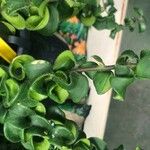
Aeschynanthus radicans
Lipstickplant · Rastalpant
Description
Source: leafsnapAeschynanthus radicans, commonly known as the lipstick plant, is a tropical evergreen vine from the Gesneriaceae family. Native to Southeast Asia, it is found in countries such as Malaysia, Indonesia, and Thailand. The plant features glossy, oval-shaped green leaves that can grow up to 10 cm in length. Its flowers are tubular with bright red or orange petals, reminiscent of a lipstick tube. The lipstick plant is a popular houseplant, prized for its attractive foliage and vibrant flowers. It can be grown indoors or outdoors in warm climates with partial shade or filtered sunlight. The plant thrives in well-draining soil and requires regular watering; however, overwatering should be avoided to prevent root rot. Propagation of Aeschynanthus radicans is typically done through stem cuttings, best taken during the growing season. Once established, the plant requires minimal care but may benefit from occasional fertilization during its growth period. Beyond its ornamental appeal, Aeschynanthus radicans has been used in traditional medicine by indigenous communities in Southeast Asia to treat various ailments, such as fever and coughs, due to its anti-inflammatory properties. In summary, Aeschynanthus radicans is an attractive tropical vine that enhances any space with its colorful presence while also offering potential medicinal benefits.
🌳 Aside from its decorative appeal, the lipstick plant can be a source of natural dyes because of its bright, vivid flowers. By extracting the pigments from its blooms, those colors can be made into non-toxic dyes for fabrics, art supplies, and even cosmetics. Using the lipstick plant for dye production provides an eco-friendly alternative to synthetic dyes, which are often harmful to the environment.
Care Guide
💧 Water Every 7 days
The lipstick plant flourishes in humid environments and needs regular watering, typically once a week, along with consistent humidity to thrive. As an epiphytic plant, it does well indoors, but it's essential to manage watering carefully to avoid root rot. Its tropical origins mean it prefers higher humidity levels, making bright bathrooms with frequent water vapor an ideal setting for this plant.
How should I water my Lipstick plant?
To promote excellent root development, it is recommended to place a garden hose at the base of the plant. Avoid spraying the leaves directly, as this can be harmful. If the plant is outdoors and exposed to direct sunlight, the leaves will require more watering. One option to moisten the roots is to use bubblers that can be attached to each plant. Soaker hoses that cover the entire garden or bed can also be used to ensure deep root growth when adding or removing plants. After watering, drain any excess water and allow the soil to dry before watering again. To prevent diseases, water the plants at ground level rather than spraying from above. On sunny days, it is beneficial to spray the entire bush with water. Whether the plant is potted or in the ground, it is important to remember that the Lipstick plant prefers deep watering rather than light sprinkling.
What should I do if I give my Lipstick plant too much or too little water?
If an overwatered Lipstick plant starts to show yellowing, dropping leaves and wilting, it may also look dull with mushy stems. Adjusting your watering schedule is best when these signs first appear. Wilting can also indicate under watering, which is characterized by crispy, dry leaves. In contrast, overwatered leaves will be soft and wilted. Check the soil for dryness and provide a thorough watering if necessary. However, even with enough water, the plant may still have dry, yellow leaves due to a damaged root system. Once the plant returns to normal, the yellowing leaves will stop. Indoors, always check the moisture levels of the pot and avoid overwatering. Look out for black spots, which may indicate the need to let the soil dry out for a few days. Overwatering can lead to root rot, which should be addressed by transferring the plant to a different pot if discolored and slimy roots are present. Preventing root rot and avoiding overly soggy soil is important. When planting Lipstick plants outdoors, ensure the soil is adequately watered if it feels too dry when checking with your fingers.
How much water should I give my Lipstick plant?
The Lipstick plant has specific watering needs. For potted plants, water them deeply until you see water dripping from the bottom of the pot. Allow the soil to dry before watering again. To determine the amount of water given in a week, you can use a water calculator or moisture meter. During the flowering period, provide plenty of water but allow it to evaporate afterwards to prevent root rot. If the Lipstick plant is planted outdoors and receives adequate rainfall, additional watering may not be necessary. However, when the plant is young or newly planted, make sure it gets 1-2 inches of rain per week. As the plant matures, it can rely on rainfall alone. Only in hot weather or when there is no rainfall for 2-3 weeks should you consider giving the plant a full watering during cooler parts of the day to protect it from heat damage. Additional watering will be needed during extended periods of dry weather.
Should I water my Lipstick plant more or less depending on the time of year or the weather?
The Lipstick plant thrives outdoors in rainy conditions, but only needs to be watered during persistent dry weather. In the spring and fall, it is important to keep the soil moist but not soggy, alternating between dry and moist soil conditions. In the summer, hot weather can cause water to evaporate quickly, so you may need to water more often to keep the plant moist if there is a lack of rainfall. In winter, the Lipstick plant requires less water as it goes dormant. When planted in pots, it is important to provide good drainage to prevent the roots from getting cold and wet. Watering the entire root system deeply once or twice a week is recommended, avoiding shallow sprinkling that can encourage fungal growth and not reach the roots. During fall and winter, it is important to prevent the plants from drying out completely, even if they are in dormancy. Adequate drainage is also important to avoid waterlogged soil, which can be detrimental to the plant. Applying mulch can help reduce stress, conserve water, and promote healthy blooms.
What do I need to watch out for when watering my Lipstick plant in different seasons, climates, or during different growing times?
To successfully care for Lipstick plants, it is important to consider their watering needs in different situations. When planted in the ground, these plants primarily rely on rain. However, if there is no rainfall for 2-3 weeks, it is advisable to provide them with a deep watering. During summer, it is recommended to water them in the morning to prevent stress on the roots from a large temperature difference between the water and the roots. Additionally, avoid watering the plants when it is too hot outside. Adding mulch to the ground during spring, when the temperature is not too cold, can be beneficial. It is crucial to note that the age of the plants is a factor to consider. Newly planted Lipstick plants often fail to grow due to lack of water, so it is important to ensure they are adequately watered. However, once the plants are established, the watering schedule should be adjusted accordingly, reducing watering during fall and winter, especially if the soil retains water. Windy seasons, such as winter, summer, and fall, require more frequent watering, as dry winds can dehydrate the plants. Plants in pots tend to dry out faster, so they need more frequent watering. If the plants show signs of blooming less and the leaves start to dry up, this may indicate the need for more water. Watering potted plants can be a bit more complex, as the frequency fluctuates. It is important to prevent the plant from sitting in excess water by avoiding containers with saucers, bowls, or trays. Overwatering in the fall can cause the foliage to appear mottled or yellowish, so it is essential to avoid overwatering at all times, regardless of the climate or season. When the Lipstick plants begin to flower, the watering frequency can be increased, but once they are fully grown, give them a rest. Watering should be done every 3 to 5 days, but it is important not to establish a rigid schedule. To determine if watering is needed, check the moisture level of the soil by inserting your finger into the pot or using a moisture meter. Overwatering or underwatering can lead to root rot and plant death, so it is crucial to exercise caution and find the right balance, regardless of the local climate or season.
☀️ Light Partial sun
The lipstick plant does best with moderate to plentiful light, similar to its native habitat that is brightly lit but not overexposed to the sun. This helps the plant produce its vivid foliage. Too little light can slow its growth, while too much can scorch the leaves.
What are the sunlight requirements for a Lipstick plant?
A Lipstick plant thrives in moderate to abundant light exposure but should be shielded from overly harsh sunlight. It prefers environments that mimic its native habitat, with generous but not excessive sun exposure. Insufficient light can impede its growth, whereas too much sun can cause leaf scorch. When deciding on a location for your plant, observe how sunlight moves through the area to choose a spot with the right balance of light and shade. The Lipstick plant can handle full sunlight in cooler conditions but generally prefers partial sun, which amounts to about 3-6 hours of sunlight a day.
How can artificial lighting be used for indoor plants?
Indoor plants, including the Lipstick plant, may require artificial lighting to ensure optimal growth, especially in conditions where natural sunlight is not sufficient. LED lights are an excellent choice for indoor plant lighting as they can be customized to provide the specific wavelengths of light that plants need. For plants requiring full sun, aim for 30-50W/sq ft of artificial light, 20-30W/sq ft for partial sun plants, and 10-20W/sq ft for full shade plants. The light source should be placed 12-36 inches above the plant to mimic natural sunlight, and it is recommended to provide 8-12 hours of light per day.
What are the symptoms of insufficient light in Lipstick plants?
When Lipstick plants do not receive adequate light, they may exhibit several symptoms indicating light deficiency. These symptoms include smaller new leaves, leggy or sparse growth, faster leaf drop, slowed or halted growth, lighter-colored new leaves, chlorosis (yellowing of leaves), sunscald, leaf curling, wilting, and leaf scorching. These signs suggest that the plant is struggling with its light conditions, either receiving too little light or being exposed to excessively intense light.
What solutions can help Lipstick plants with light problems?
To address light problems in Lipstick plants, gradual adaptation to ideal light conditions is key. For indoor plants, move them progressively to sunnier spots each week until they achieve 3-6 hours of direct sunlight daily. If the plant is large or immovable, consider using a desk or ceiling lamp for at least 8 hours daily, or invest in professional plant grow lights. For outdoor plants, similarly, gradually move them to sunnier locations to prevent sunburn. Minimize obstructions by pruning or moving plants to brighter spots. Transplanting smaller plants during their dormant period to a location with better sunlight and drainage can also be beneficial. It's important to note that parts of the plant affected by poor light may not recover, but new growth should be healthy with improved light exposure.
🌡️ Temperature 20–37.8°C
The lipstick plant originates in the warm, humid conditions of tropical rainforests and flourishes at temperatures between 68 to 100 °F (20 to 38 ℃). When grown indoors, it's advisable to reproduce that climate. In cooler months, avoid placing the lipstick plant in locations where temperatures fall below 68 °F (20 ℃).
What is the native environment of the Lipstick plant?
The Lipstick plant, scientifically known as Aeschynanthus radicans, is native to the warm, moist environment of tropical rainforests. In these regions, it thrives in temperatures ranging from 68 to 100 °F (20 to 38 °C), which suggests the plant's preference for warm and humid conditions, akin to its natural habitat.
How should I care for a Lipstick plant indoors to mimic its natural habitat?
When cultivating a Lipstick plant indoors, it's crucial to emulate its native, tropical rainforest environment as closely as possible. This means maintaining indoor temperatures between 68 to 100 °F (20 to 38 °C), especially during the cooler months when you should avoid exposing the plant to temperatures below 68 °F (20 °C). To ensure its health during the autumn and winter months, it's recommended to bring outdoor-grown Lipstick plants indoors, placing them near a bright window while keeping a safe distance from heaters to avoid excessive dryness, and ensuring the temperature stays above 20°C.
What symptoms indicate the Lipstick plant is experiencing low temperature stress, and how can I address them?
When exposed to low temperatures, a Lipstick plant will show signs like a lightening of leaf color when the temperature falls below 1°C, eventually turning brown or black after frost damage, accompanied by wilting and drooping. To address frost damage, trim off the affected parts and move the plant to a warm indoors spot. Positioning it near a south-facing window while avoiding proximity to heaters or air conditioners helps with cold protection and ensures sufficient sunlight, maintaining an optimal environment above 20°C and above 5°C during winter to prevent cold stress.
How does high temperature affect the Lipstick plant, and what are the solutions?
During summer, it's important to keep the Lipstick plant in temperatures below 38°C to prevent stress. Exposing the plant to temperatures above 43°C can result in leaves lightening in color and an increased risk of sunburn. To mitigate high temperature stress and sunburn, trim away the damaged parts and relocate the plant to a shadier spot, away from the midday and afternoon sun. Ensuring the soil remains moist by watering in the morning and evening can also help alleviate the effects of high temperatures.
💨 Humidity normal (40-60%)
This plant will thrive in moderate humidity, which is probably the level in your home. However, misting it a few times a week can be very beneficial. Make sure the room has good ventilation.
🪴 Soil 5-6
🌱 Fertilizer
The best time to fertilize a Lipstick plant is in early spring, when it comes out of dormancy. This encourages overall growth and flower development. Fertilization improves the foliage, stems, and branches, and supports flowers that are larger, more vibrant, and longer-lasting. It also helps move nutrients from the roots to the flowers and boosts the plant's health and resistance to disease.
🪴 Pot & Repot 2-3 years
Repot the Lipstick plant in early spring, selecting a pot only slightly larger than the current one with proper drainage. Use a well-draining potting mix and position the root ball at the same level as before. Gently loosen any root-bound roots. After repotting, water generously and place the plant in a warm, shady location. Regular pruning helps maintain its size and encourages new growth.
✂️ Pruning
To help your lipstick plant thrive, consider pruning it in early spring. This not only encourages growth and more blooms but also helps shape the plant. Start by removing any dead stems and overgrown sections to promote a bushier appearance. Clean cuts will improve air circulation around the plant, reducing the risk of fungal infections. Regular pruning also increases the plant's vigor and longevity.
🌿 Propagating
🐛 Diseases & pets
☠️ Toxicity
Characteristics
- Plant Type
- Vine
- Life Cycle
- Perennial
- Genus
- Aeschynanthus
- Family
- Gesneriaceae
- Hardiness Zone
- 10-11
- Mature Height
- 20 cm to 30 cm
- Mature Spread
- 30 cm to 91 cm
- Leaf Color
- Green
- Leaf Type
- Evergreen
- Flower Color
- Red
- Flower Size
- 2.54 cm to 7.62 cm
- Bloom Time
- All year round
- Planting Time
- Spring, Summer
- Harvest Time
- All year round
- Native Area
- Indonesia, Singapore, Malaysia, Thailand