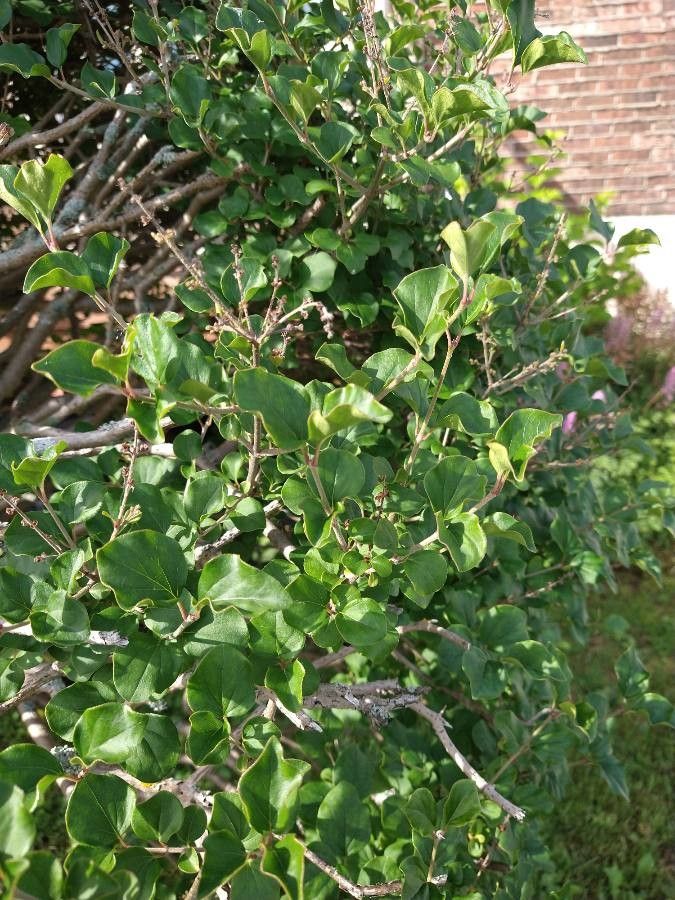
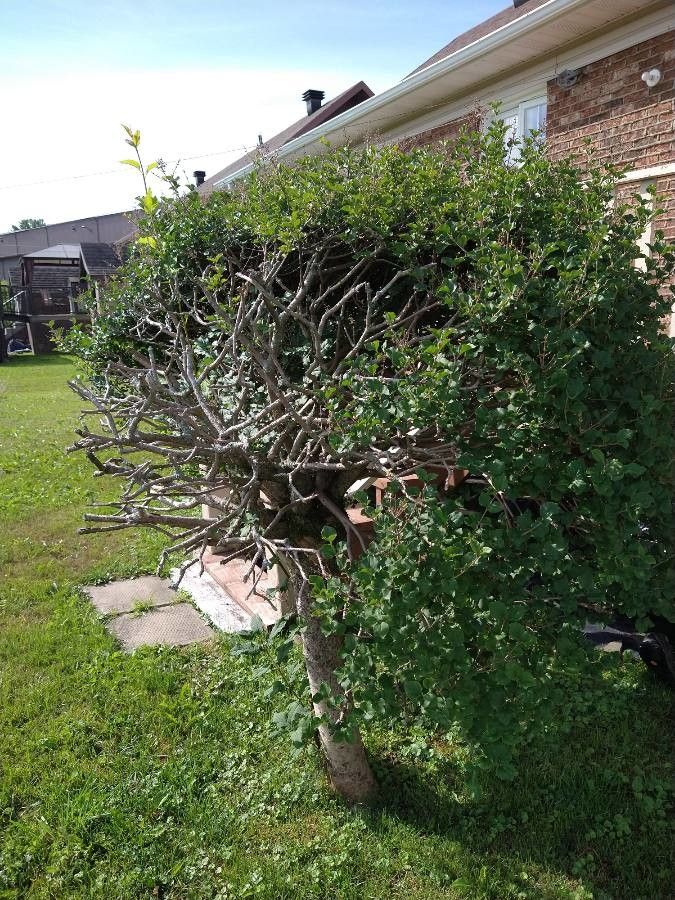
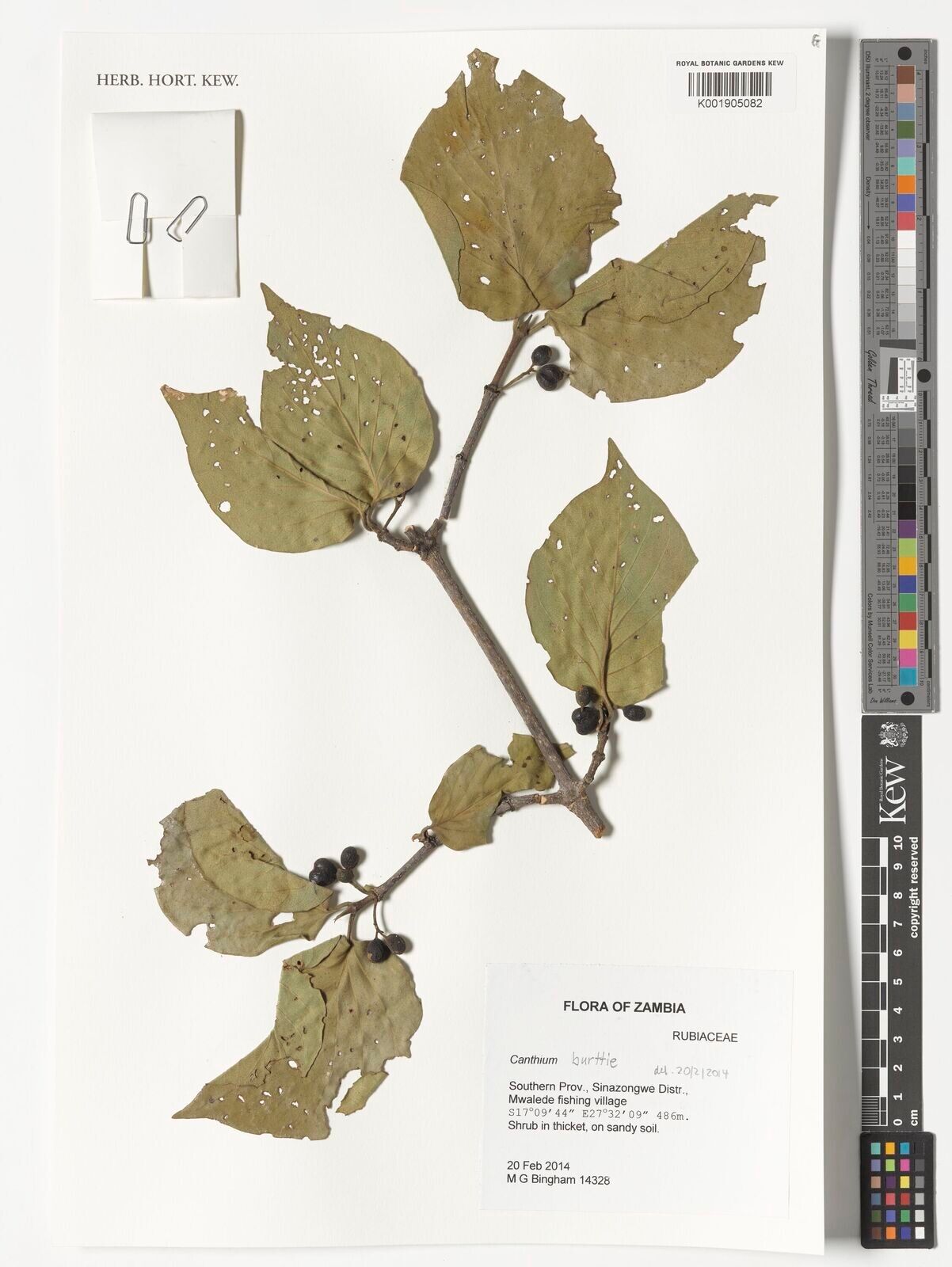
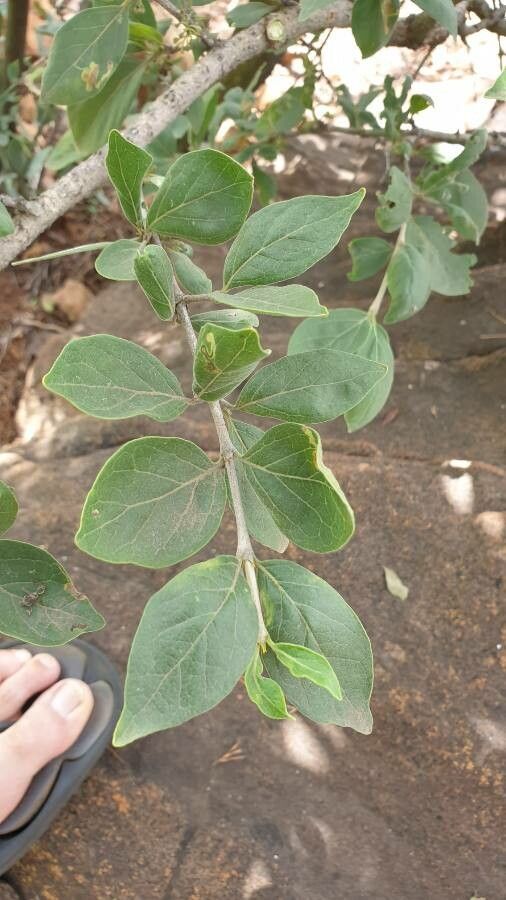
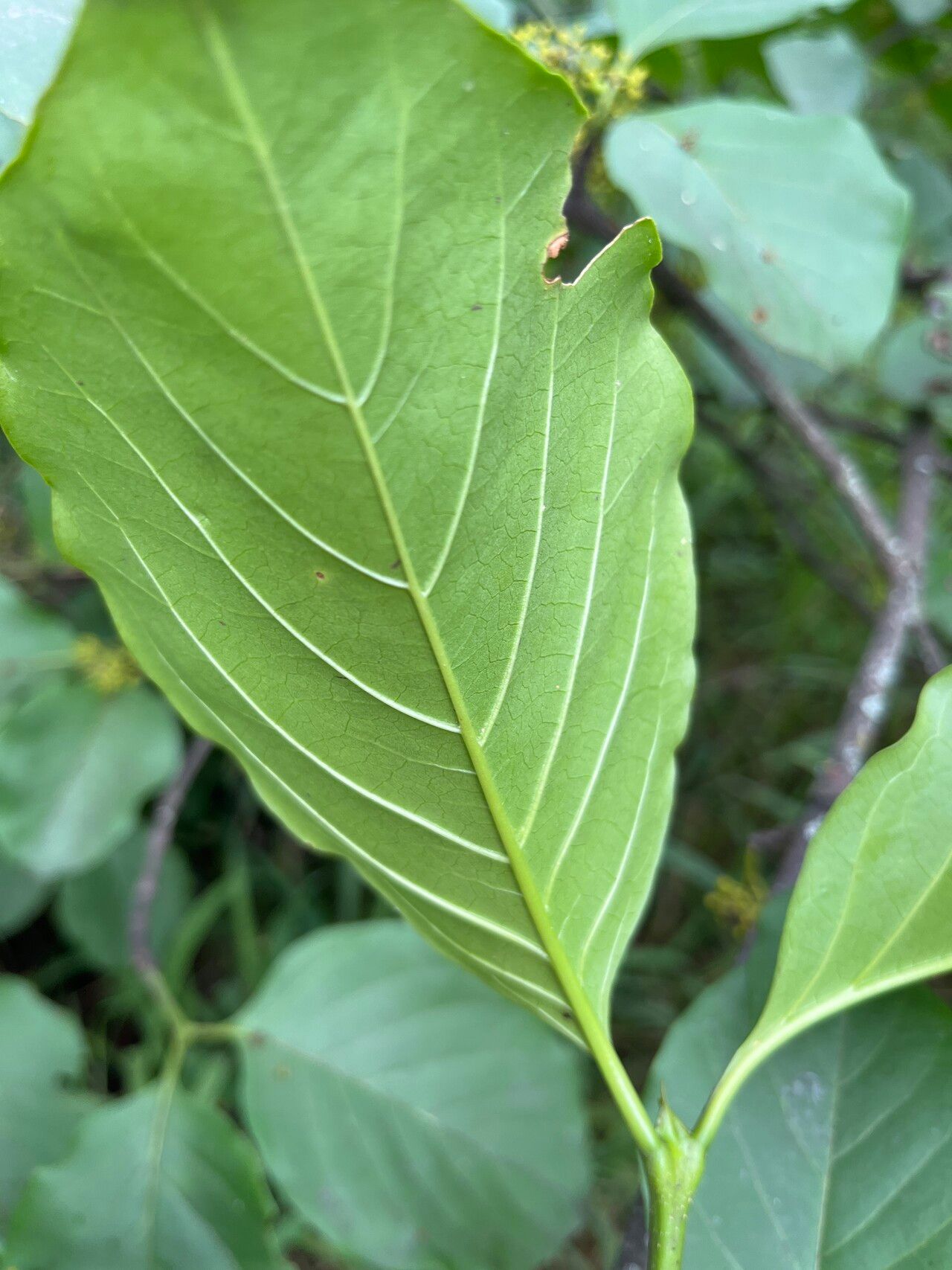
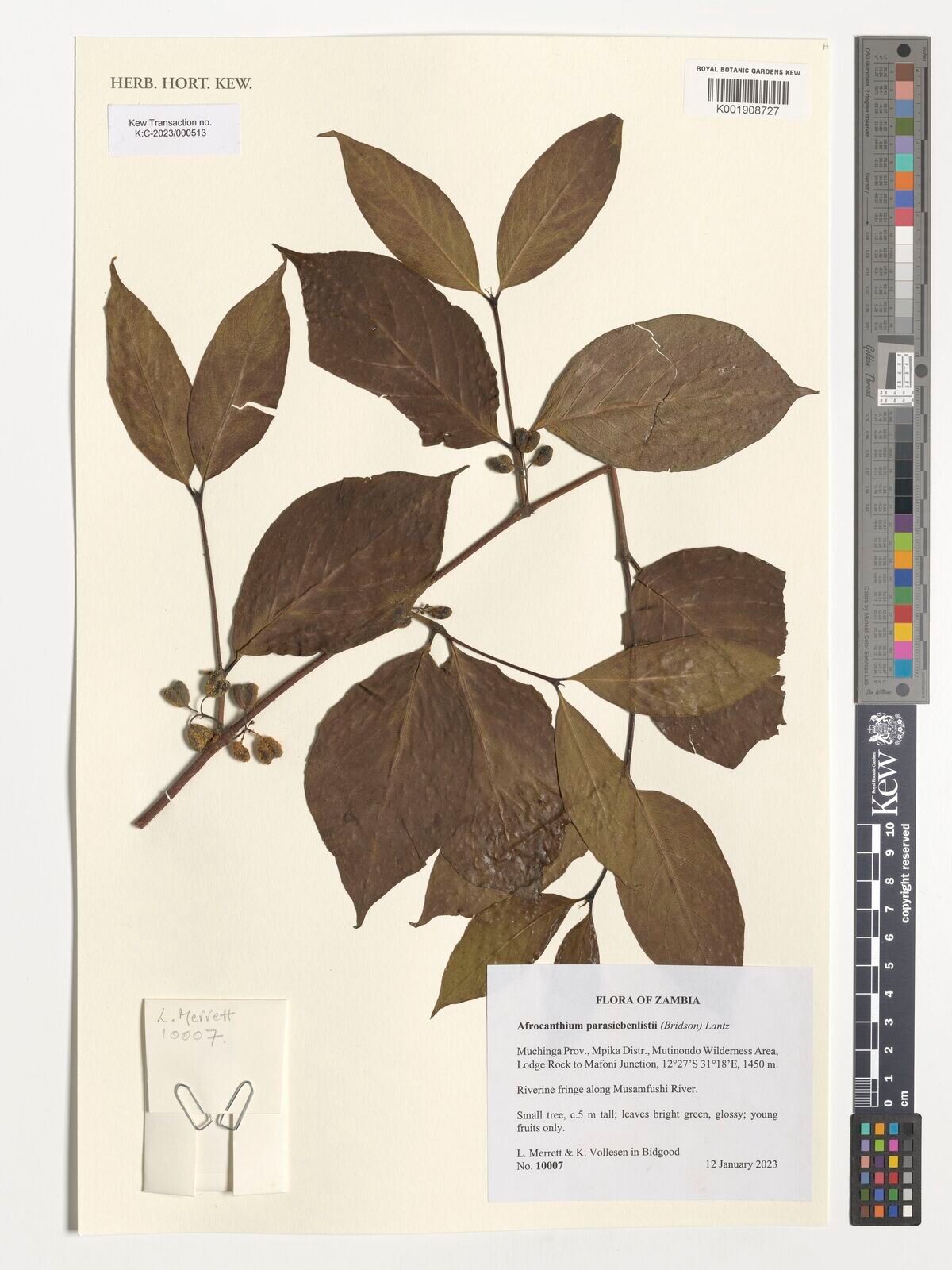
Afrocanthium mundianum is a small to medium-sized evergreen tree belonging to the Rubiaceae family. It is commonly found in the tropical and subtropical regions of Africa, particularly in South Africa, Zimbabwe, and Mozambique. This tree can grow up to 10 meters tall and has a dense crown of dark green leaves that are glossy on top and pale underneath.
The bark of Afrocanthium mundianum is smooth and greyish-brown when young, but it becomes rougher with age. The tree produces small white flowers arranged in clusters at the ends of branches from September to November. These flowers are followed by small red or black berries that ripen from December through February.
The leaves, bark, roots, and fruits of Afrocanthium mundianum have been used for medicinal purposes by traditional healers for centuries. They contain various bioactive compounds such as alkaloids, flavonoids, and tannins, which have been shown to possess anti-inflammatory properties.
Besides its medicinal uses for treating ailments such as arthritis and rheumatism, Afrocanthium mundianum holds cultural significance among some African communities. It is often used during traditional ceremonies like weddings and funerals.
Overall, Afrocanthium mundianum is an important plant species due to its cultural significance and its potential medicinal properties, which could be further explored through scientific research.
Rock alder has good disease resistance and is generally not susceptible to disease. Regarding care, this plant is fairly low-maintenance. When planted outdoors it needs little watering, and larger specimens typically do not require pruning. Smaller plants, however, should be pruned after they have finished blooming. Rock alder is suitable for anyone with outdoor space, such as a garden or deck, and does not require much care experience.
How to keep Afrocanthium Mundianum.
Temperature
Rock alder comes from tropical areas, where the climate is usually warm and humid. Consequently, it is suited to high temperatures and humidity. It does not tolerate abrupt temperature changes and prefers a steady temperature, so avoiding indoor temperature fluctuations is important. It typically cannot withstand cold and needs relatively high temperatures to grow. If the ambient temperature falls too low, the plant may stop growing or even die.
Fertilizer
Fertilization is essential for Rock alder care. Regular feeding during the growing season maintains the energy for its showy leaves and promotes overall growth. Neglecting fertilization can lead to unhealthy leaves, reduced ornamental appeal, and stunted or weak growth that is more prone to breakage.
Botanical profile.
- Plant Type
- Tree
- Life Cycle
- Perennial
- Genus
- Afrocanthium
- Family
- Rubiaceae
- Native Area
- South Africa, Eswatini, Mozambique, Zimbabwe
Other names.