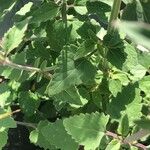
Agastache mexicana
Mexican Lemon Hyssop · Mexican giant hyssop · Mexican hyssop · Toronjil
Description
Source: leafsnapAgastache mexicana is a species of flowering plant in the mint family known by the common name Mexican giant hyssop. It is native to southern North America and can grow up to 100 cm tall. The leaves are lanceolate or oval-lanceolate. The plant is perennial and self-fertile. Its young lemon scented leaves are used in herbal teas and the leaves are also often used in flavoring foods.
Care Guide
💧 Water Every week
Mexican giant hyssop thrives in moist environments and requires regular watering to achieve optimal growth. It is typically grown outdoors and plays a crucial role in attracting pollinators during its flowering phase, underscoring the need for a consistent water supply.
How should I water my Mexican giant hyssop properly?
To best care for the Mexican giant hyssop, it is recommended to use filtered water at room temperature. Tap water may contain harmful particles, so filtered water is preferred. The plant prefers warm environments, so using cold water may be stressful for it. Additionally, overhead watering can lead to problems with the foliage, so it is best to water the plant by applying filtered room temperature water directly to the soil until it is fully saturated. This helps to ensure that the roots are properly hydrated and can continue to grow and gather nutrients from the soil.
What do I do if I give too much or too little water to my Mexican giant hyssop?
Overwatering is a common issue that can harm your Mexican giant hyssop. It causes wilting, yellowing of stems and leaves, and may lead to diseases like root rot, mold, and mildew. Underwatering is less common but can make the leaves brittle and brown. It's important to notice signs of overwatering early to prevent irreversible damage. Reduce watering if you see these signs and check the soil's drainage. If it's poor, replace it with well-draining potting mix. If the plant is not getting enough water, increase watering until signs of dryness disappear.
How often do I need to water my Mexican giant hyssop plant?
If your Mexican giant hyssop is in a pot, you can use a simple method to determine if it needs watering - stick your finger into the soil. If the top two to three inches of soil feels dry, then it's time to give it some water. For those who have planted their Mexican giant hyssop outdoors in the ground, the same method can be used. If the top few inches of soil is dry, it's time to water. Typically, in spring and early fall, watering once a week is sufficient. However, during extremely hot weather, you may need to water the plant twice or more per week. It's worth noting that mature Mexican giant hyssop plants have the impressive ability to withstand drought.
How much water does my Mexican giant hyssop plant need?
When watering your Mexican giant hyssop, do not hesitate to give it plenty of water. Make sure the top two to three inches of soil are dry before watering, and then give it a good, thorough watering so that the entire soil is soaked. The water should be enough to cause excess water to flow out through the drainage holes at the bottom of the pot. If you don't see any excess water draining, then you likely haven't watered it enough. However, be careful not to let the water accumulate in the soil, as this can be very harmful to the plant. On the other hand, if water is not draining properly from the pot, it could mean that the soil doesn't drain well, which is not good for the plant's health. If the plant is outside, it will typically only need about 1 inch of rain per week.
How do I water my Mexican giant hyssop as it grows?
The water requirements of the Mexican giant hyssop can vary depending on its growth stages. In the first few years or after transplanting, it will need more water than usual. This is because during these stages, the plant puts a lot of energy into developing new roots for future growth, which requires a bit more moisture. However, once it has established itself after a few seasons, it will need less water. Another growth stage that may require more water is during the bloom period, as flower development utilizes a significant amount of moisture.
☀️ Light Full sun
Mexican giant hyssop prefers being soaked in direct sunlight, reflecting its native habitat where unfiltered sun is plentiful. It flourishes in those conditions, but too little light can stunt its growth. At the same time, excessive sun may scorch the leaves, so some caution is necessary.
What are the sunlight requirements for Mexican giant hyssop?
Mexican giant hyssop thrives best when it receives more than 6 hours of sunlight daily. This requirement mimics its natural habitat, which is abundant in unfiltered sunlight. While full sun exposure is ideal for its growth, too much sunlight can lead to leaf scorching. Therefore, it's essential to watch how sunlight moves through your garden to select spots that offer a perfect balance of light and shade, ensuring the plant's well-being. Additionally, for indoor plants where natural sunlight is insufficient, especially during winter or in less sunny spaces, artificial lighting becomes crucial. Proper lighting, including the use of LED lights, can help promote healthier plant growth by providing the necessary light intensity tailored to your plant's needs.
What symptoms indicate Mexican giant hyssop is getting too much or too little sunlight?
Mexican giant hyssop displays various symptoms when exposed to inappropriate lighting. Symptoms of light deficiency include smaller new leaves, leggy or sparse growth, faster leaf drop, slower or halted growth, and lighter-colored new leaves. On the other hand, excessive sunlight exposure can cause chlorosis (leaves turning yellow due to the breakdown of chlorophyll), sunscald (damage from intense sunlight exposure), leaf curling (a defense mechanism against excess sunlight), wilting (loss of turgor pressure due to overexposure to sunlight), and leaf scorching (brown, dry, and crispy leaf edges or patches). These symptoms serve as indicators to adjust the plant's exposure to light either by increasing or reducing it.
How can I adjust lighting conditions for my Mexican giant hyssop?
To optimize the growth of Mexican giant hyssop, it's crucial to gradually adapt it to the ideal lighting conditions. For indoor plants, gradually move them each week to a location with at least 6 hours of direct sunlight daily, utilizing a south-facing window for maximum sunlight exposure. If the plant is large or not easily movable, using artificial lighting such as desk or ceiling lamps for at least 8 hours daily, or investing in professional plant grow lights can provide ample light. For outdoor plants, avoid sudden changes in light intensity and move them gradually to sunnier spots. It might be necessary to reduce obstructions like tree branches that block sunlight or even transplant smaller plants during their dormant period for better light access. Keep in mind that while parts of the plant affected by insufficient light may not recover, new growth should be healthy with improved light exposure.
🌡️ Temperature 5–35°C
Mexican giant hyssop is fairly adaptable to temperature, tolerating high heat and wide temperature fluctuations. In hot weather, attention should be paid to proper watering and providing suitable shade to avoid sunburn. Conversely, it is relatively sensitive to cold. While it can cope with some chill, very low temperatures can cause frost damage.
💨 Humidity dry (<40%)
This plant prefers dry conditions, so don't mist it. However, watering it less often can also thrive in higher humidity.
🪴 Soil 6-7
🌱 Fertilizer
The best time to fertilize a Mexican giant hyssop is in early spring, as it emerges from dormancy and starts active growth. Fertilization supplies essential nutrients for healthy growth. Although Mexican giant hyssop has relatively low fertilizer needs, applying fertilizer annually can improve its survival and encourage better, longer-lasting flowers.
Why should I add fertilizer to my Mexican giant hyssop?
Fertilization is important for the Mexican giant hyssop as it provides essential nutrients for its growth, both above and below ground. While the fertilization needs of this plant are relatively low, annual fertilization can be highly beneficial. It not only helps to keep the plant alive, but also promotes the development of better and longer-lasting flowers. Therefore, those who want their Mexican giant hyssop to thrive should consider regular fertilization.
When should I put fertilizer on my Mexican giant hyssop?
The best time to fertilize a Mexican giant hyssop is in late winter to early spring when it is coming out of dormancy and starting to grow actively. Fertilizing at this time will promote healthy growth and set the plant up for a successful season. While it is generally recommended to fertilize in early spring, it is also okay to fertilize in the fall. However, it is not advisable to fertilize during summer or winter.
When is it not a good idea to fertilize my Mexican giant hyssop?
To properly nourish your Mexican giant hyssop, it is best to fertilize it only in late winter or early spring. This plant requires minimal fertilization, so one annual feeding is sufficient. Overfertilizing during the rest of the year, including spring, summer, and fall, can cause problems. However, if you missed fertilizing in spring, it is acceptable to feed the plant in the fall. Additionally, there is no need to fertilize during winter when the plant is in a dormant phase and not actively growing.
What kind of fertilizer does my Mexican giant hyssop need?
To ensure the health and growth of your Mexican giant hyssop, any general-purpose fertilizer containing the essential plant nutrients will suffice. However, there are specific nutrient blends that may be even more advantageous. Many gardeners believe that higher levels of phosphorus promote stronger roots and better flowers. Considering Mexican giant hyssop is a flowering plant, using a phosphorus-rich fertilizer may yield the best results. Granular or liquid, as long as the fertilizer is nutrient-rich, it will work. Additionally, besides manufactured fertilizers, organic methods such as compost and manure can greatly improve the soil and create an ideal environment for your Mexican giant hyssop's growth.
How can I provide nutrients to my Mexican giant hyssop plant?
The most common way to fertilize a Mexican giant hyssop is to apply a granular or pellet fertilizer to the soil around your plant. It's important to remember that the best time to fertilize is when the plant is awakening from its winter dormant phase and entering a phase of active growth. In early spring, wait until the plant starts pushing shoots through the soil, then apply the fertilizer. Some people prefer to use a liquid fertilizer instead of granular, but if you choose this option, make sure to dilute it with water before applying. Regardless of the type of fertilizer you use, it's always a good idea to moisten the soil before, during, and after applying the fertilizer.
🪴 Pot & Repot
✂️ Pruning
Mexican giant hyssop is a tall plant with aromatic flowers. It thrives when pruned from early to late spring. By trimming old stems, you can encourage robust growth and prevent the plant from becoming leggy. Regularly deadheading the flowers will promote more blooms. Always use clean tools to avoid spreading diseases, and consult reliable sources for more detailed care tips.
🌿 Propagating
🐛 Diseases & pets
☠️ Toxicity
Characteristics
- Plant Type
- Herb
- Life Cycle
- Perennial
- Genus
- Agastache
- Family
- Lamiaceae
- Hardiness Zone
- 5-10
- Mature Height
- 46 cm to 61 cm
- Mature Spread
- 30 cm
- Leaf Color
- Green
- Leaf Type
- Semi-evergreen
- Flower Color
- Purple, Red, Pink, Orange
- Flower Size
- 1.02 cm to 2.03 cm
- Bloom Time
- Summer, Fall
- Planting Time
- Spring, Summer, Autumn
- Harvest Time
- Late summer, Fall, Early winter