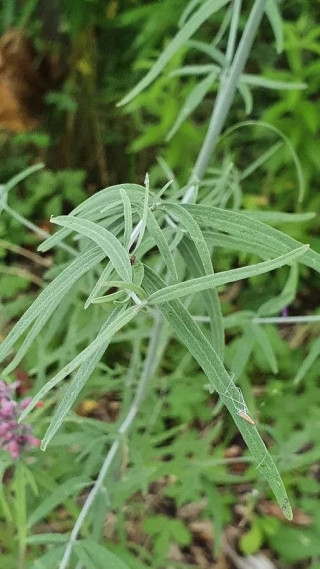
Agastache rupestris
Threadleaf giant hyssop · Licorice mint
Description
Source: leafsnapAgastache rupestris, known as the threadleaf giant hyssop, Mexican Hyssop, or licorice mint, is a wildflower of the mint family (Lamiaceae) native to the mountains of Arizona, New Mexico, and Chihuahua, Mexico. Popular in xeriscaping because of its heat tolerance and ability to thrive in dry, nutrient-poor soil, it is often planted in containers or as a border flower and used to attract hummingbirds. Displaying gray-green stems and leaves while dormant, its orange flowers with purple buds bloom from mid-summer until fall; if crushed the petals exude a pleasant scent.
Care Guide
💧 Water Every 2 days
Threadleaf giant hyssop is well-suited for arid environments due to its strong drought tolerance. This plant is native to rocky slopes and canyons. For optimal health, it should be watered weekly. As an evergreen, it retains its leaves throughout the year, helping to conserve water during dry spells.
☀️ Light Full sun
Threadleaf giant hyssop is a perennial, herbaceous plant that favors sunny sites and originates from open habitats, commonly occurring in meadows and grasslands. It prefers full sun but can withstand partial sun as well.
🌡️ Temperature 5–35°C
Threadleaf giant hyssop can tolerate a broad range of temperature conditions, but its occurrence may still be restricted by particular combinations of water and heat. It grows best in warm summer climates with sufficient rainfall or watering. Extended periods of cloudy, rainy weather and prolonged high temperatures can raise the chance of Threadleaf giant hyssop dying. In winter, adequate protection from cold improves the plant's survival rate.
💨 Humidity
🪴 Soil 6-8
🌱 Fertilizer
The best time to fertilize a Threadleaf giant hyssop is in early spring, as it is coming out of dormancy and beginning active growth. Fertilization supplies essential nutrients for healthy growth. Although Threadleaf giant hyssop has relatively low fertilizer requirements, an annual feeding can improve its survival and encourage better, longer-lasting flowers.
🪴 Pot & Repot
✂️ Pruning
Threadleaf giant hyssop has aromatic leaves and vibrant flowers. To keep the plant healthy and looking its best, prune it in early spring to remove any dead stems. After the first bloom, trim it again in late spring to encourage a second blooming. This proper pruning helps maintain a compact shape, improve airflow, and reduce the risk of disease while respecting the plant's natural growth cycle.
🌿 Propagating
🐛 Diseases & pets
☠️ Toxicity
Characteristics
- Plant Type
- Herb, Shrub
- Life Cycle
- Perennial
- Genus
- Agastache
- Family
- Lamiaceae
- Hardiness Zone
- 5-9
- Mature Height
- 46 cm to 61 cm
- Mature Spread
- 30 cm to 46 cm
- Leaf Color
- Green, Gray, Silver
- Leaf Type
- Semi-evergreen
- Flower Color
- Orange, Pink
- Flower Size
- 2.54 cm
- Bloom Time
- Summer, Fall
- Planting Time
- Spring, Summer, Autumn
- Harvest Time
- Late summer, Fall, Early winter, Mid winter