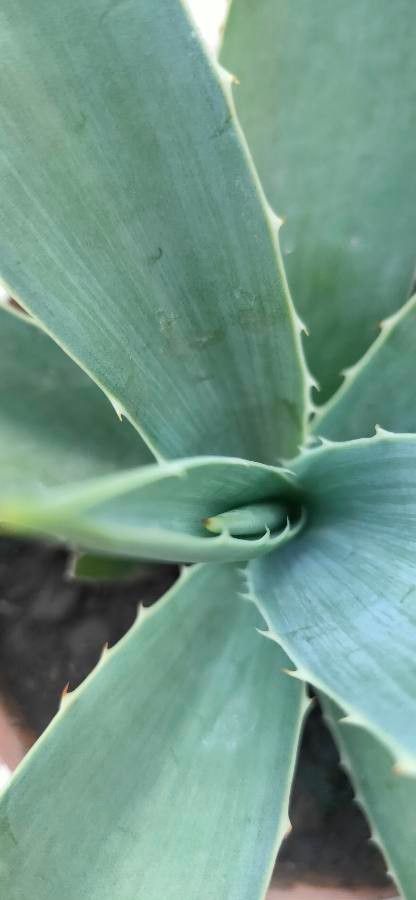
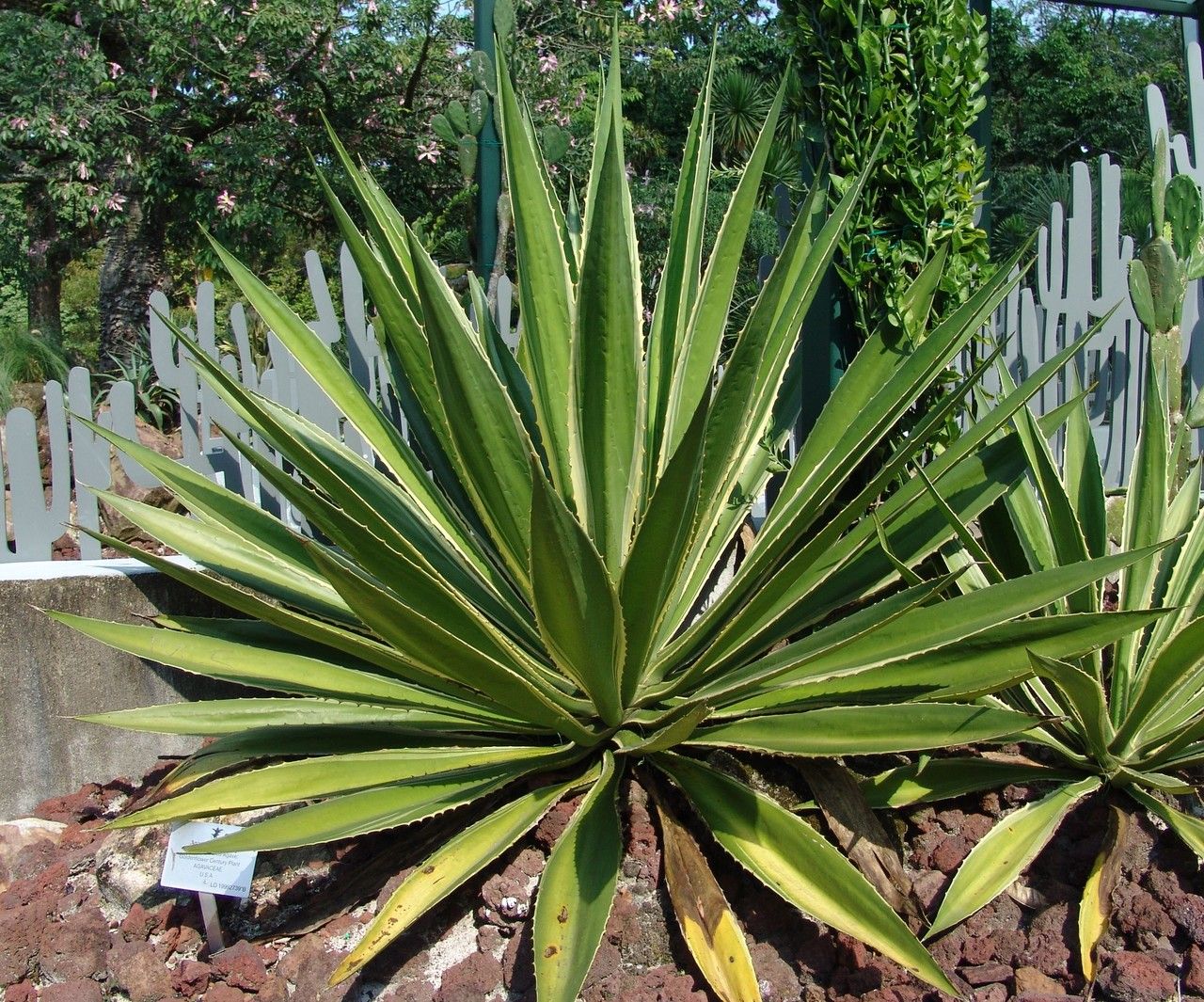
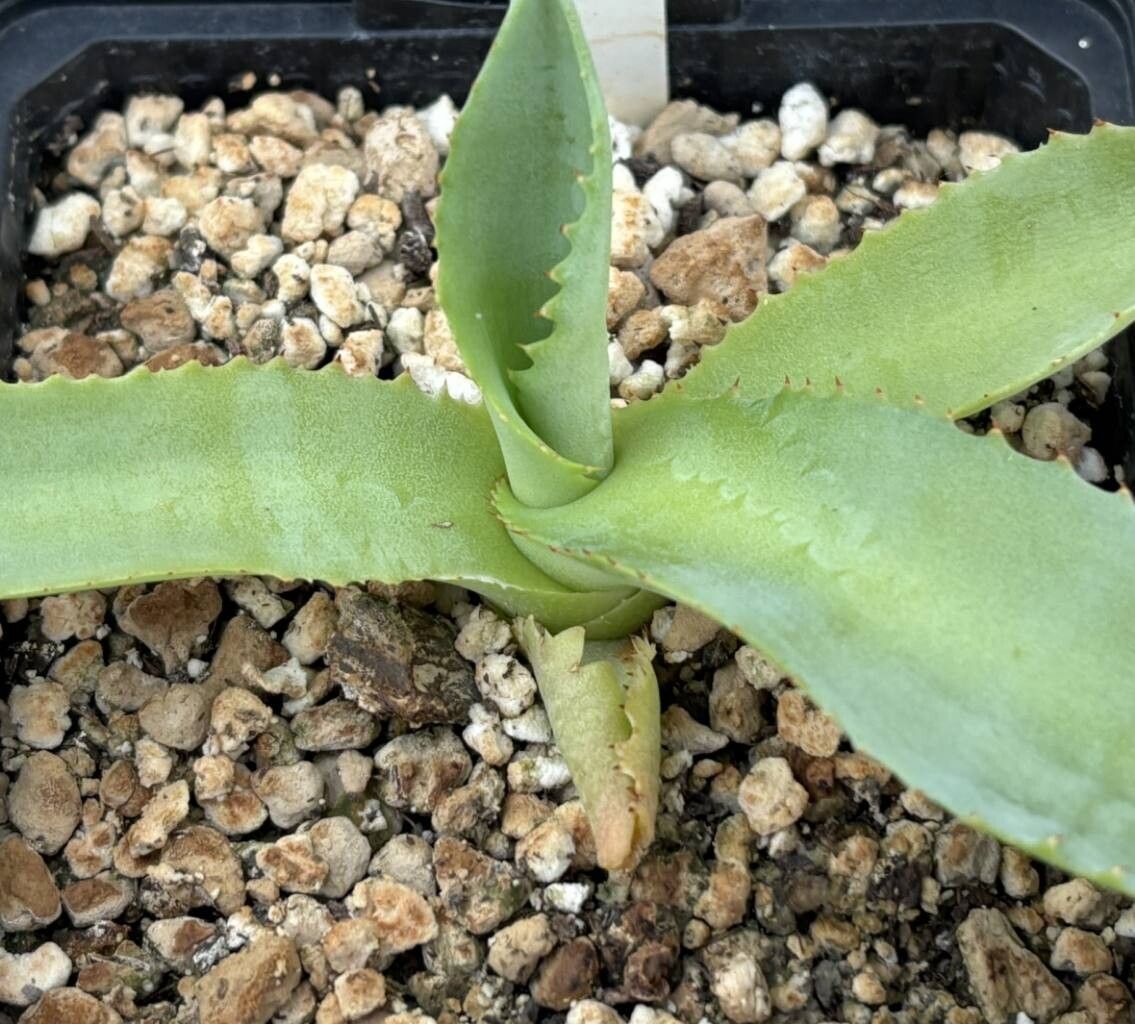
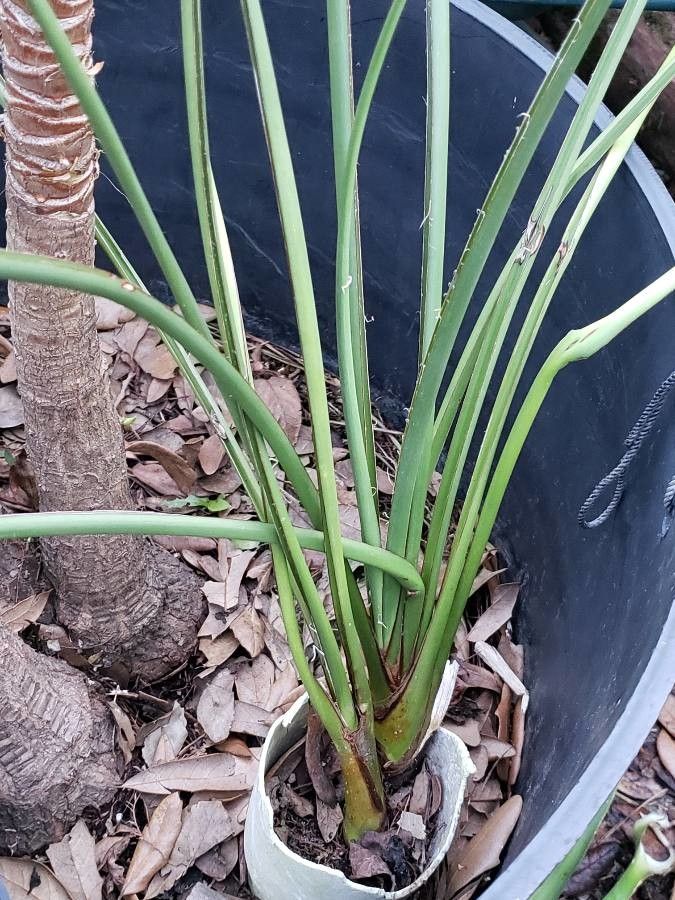
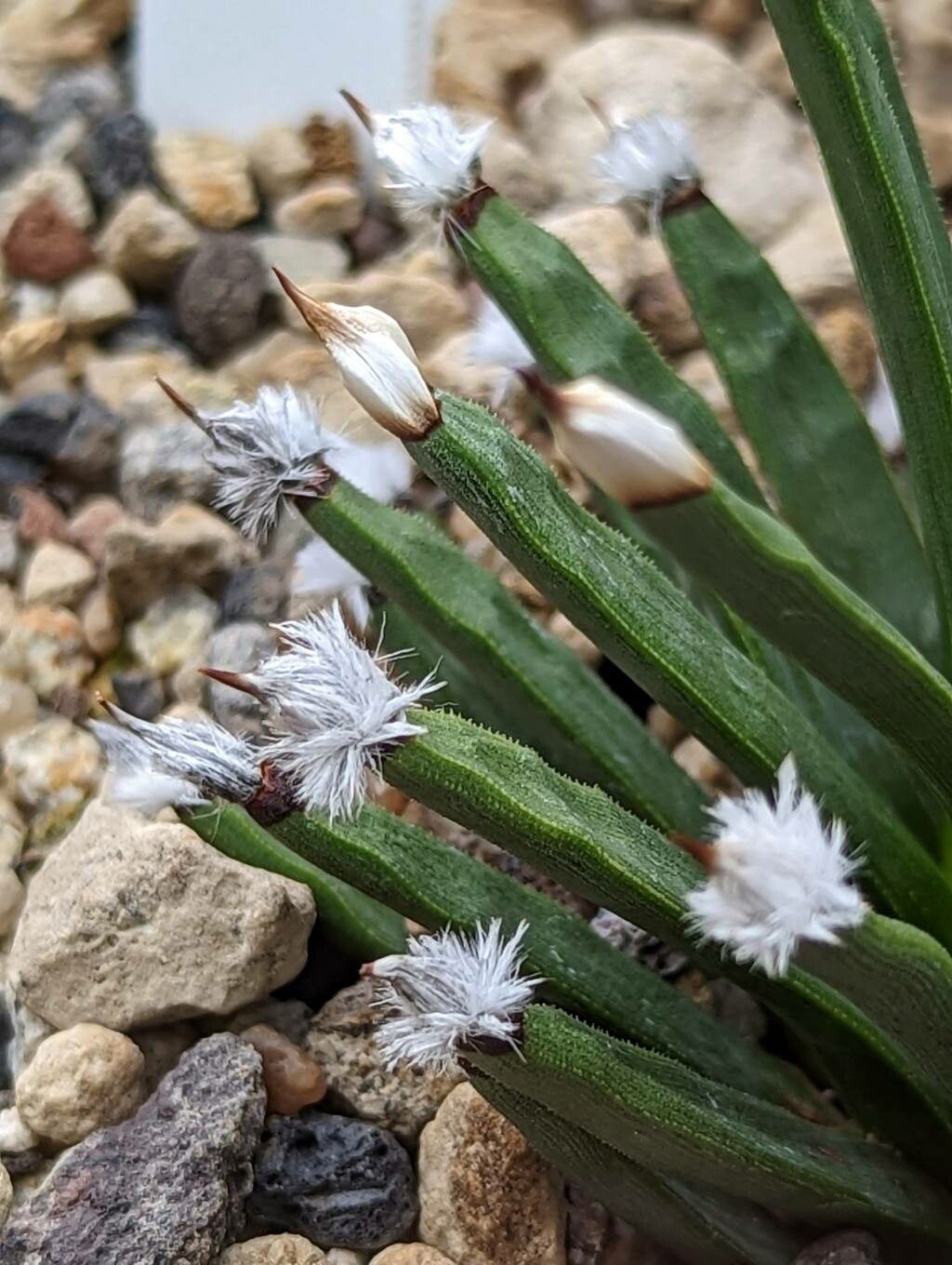
Agave chrysantha, commonly known as the golden flowered agave, is a succulent plant native to the southwestern United States and northern Mexico. This member of the Agavaceae family is distinguished by its rosette of thick, fleshy leaves that can grow up to 2 feet long and 6 inches wide. The leaves are greenish-gray and edged with sharp spines.
The plant typically blooms in late spring or early summer, producing tall stalks that can reach heights of up to 15 feet. The flowers, which are yellow or golden, grow on branched inflorescences.
Agave chrysantha thrives in well-draining soil and full sun, though it can tolerate some shade. It is drought-tolerant but benefits from occasional watering during dry periods.
Indigenous peoples have found various uses for this plant, including as a source of food, medicine, and fiber for weaving baskets and mats. Its sap, known as aguamiel, has been used in soap-making, among other applications.
Overall, Agave chrysantha is an excellent addition to any garden, thanks to its unique appearance and low maintenance requirements.
How to keep Agave Chrysantha.
Water
The goldenflower century plant is well-suited for arid climates, as it adapts to water scarcity by storing moisture in its thick leaves. It requires minimal watering, about once every three weeks, and thrives in outdoor settings such as xeriscapes and rock gardens. This plant displays excellent drought tolerance, enduring prolonged dry spells with ease.
Fertilizer
To promote healthy growth in the goldenflower century plant, fertilize it once a month during the growing season, which spans from spring to summer. Use a fertilizer with a balanced ratio of 3:3:2 for nitrogen, phosphate, and potassium. Opt for low-concentration liquid or compound fertilizers. Refrain from fertilizing in late fall and early winter, as the plant's growth slows and it may enter dormancy during these times.
Pruning
The Goldenflower century plant is known for its striking rosettes of fleshy leaves and vibrant golden flowers. It requires minimal pruning, typically done in early spring to remove old flower stalks and damaged leaves. This practice encourages healthy growth and helps reduce the risk of disease. Be sure to sterilize your tools to prevent infections.
Botanical profile.
- Plant Type
- Succulent
- Genus
- Agave
- Family
- Asparagaceae
- Mature Height
- 90 cm
- Mature Spread
- 1.5 m
Other names.
Reader questions.
What are the sunlight requirements for the Goldenflower century plant?
The Goldenflower century plant, known botanically as Agave chrysantha, thrives under specific sunlight conditions. For optimal growth, this plant requires full sun, which means it should receive above 6 hours of direct sunlight each day. However, it can also adapt to partial sun conditions, requiring about 3-6 hours of sunlight daily. It's important to watch how sunlight moves through your garden, choosing spots that offer a perfect balance of light and shade. This careful placement ensures the happiness and health of your Goldenflower century plant.
What is the Goldenflower century plant?
The Goldenflower century plant, known botanically as Agave chrysantha, does not have additional detailed descriptions provided regarding its essentials or symptoms. This plant is categorized under the Agave genus, which is known for its striking appearance and resilience in arid environments. The specific epithet 'chrysantha' suggests it may produce golden or yellow flowers, aligning with the common naming convention indicating flower color or a notable characteristic within the species.