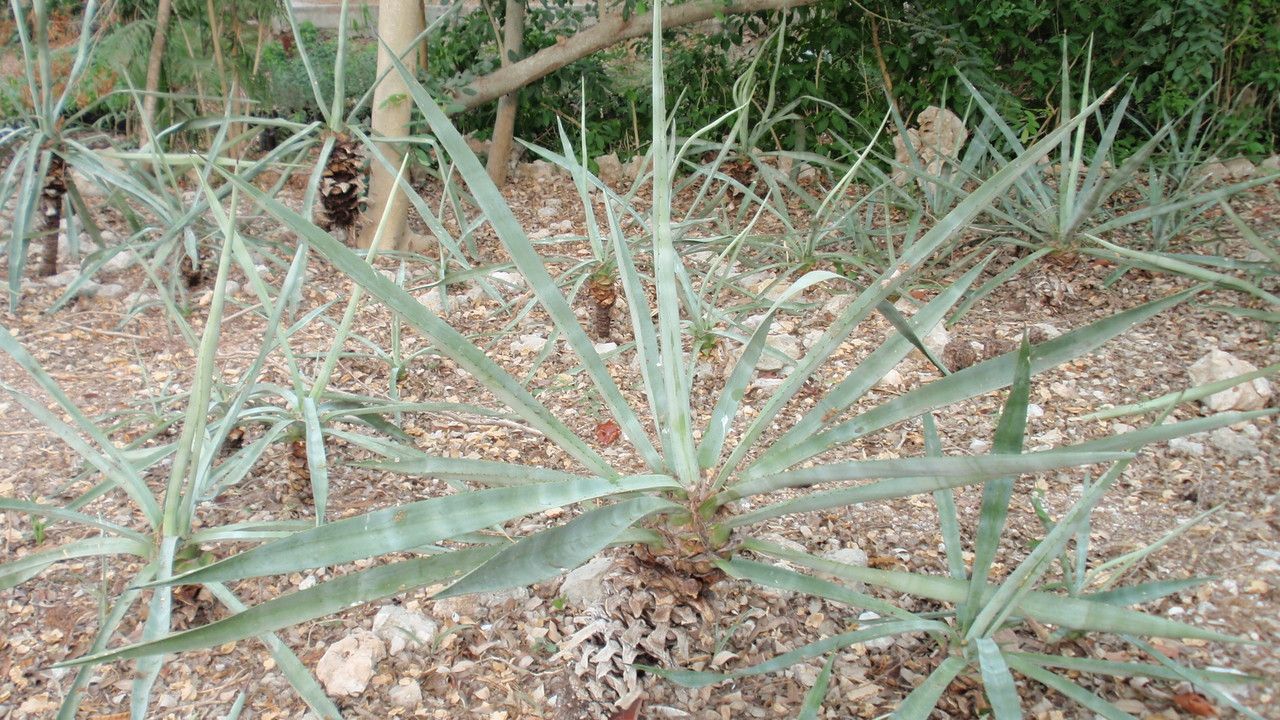
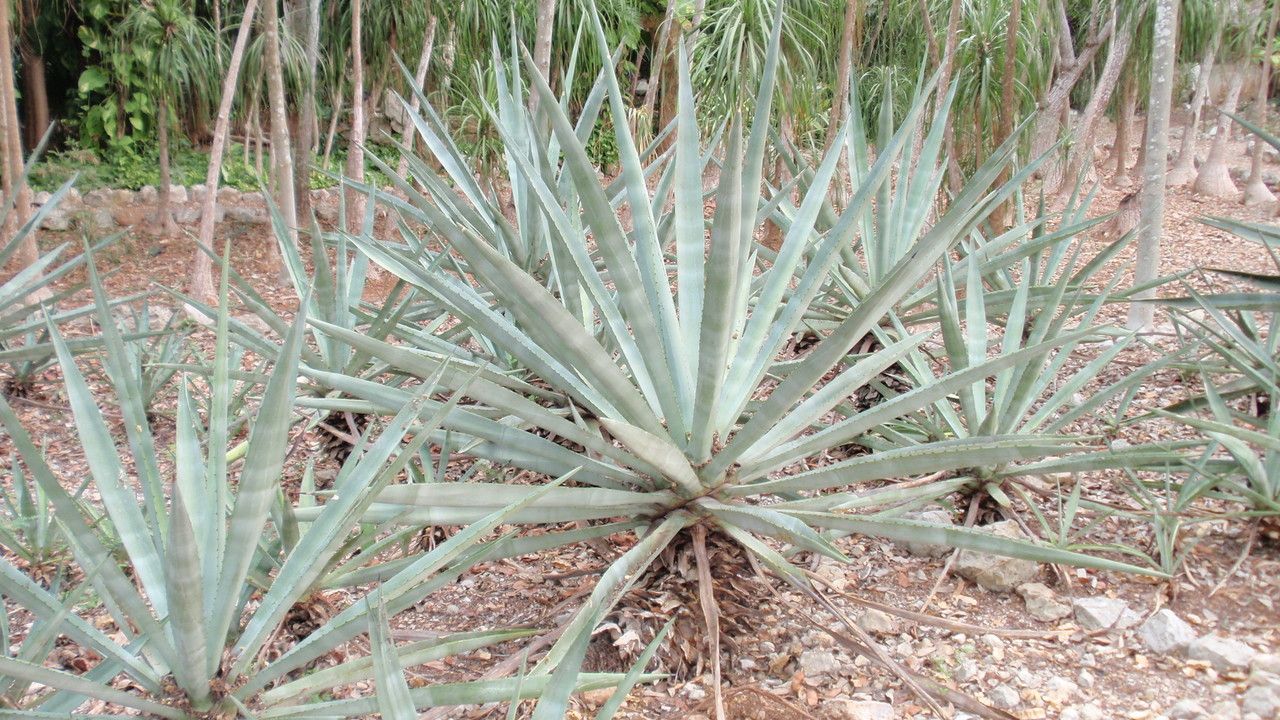
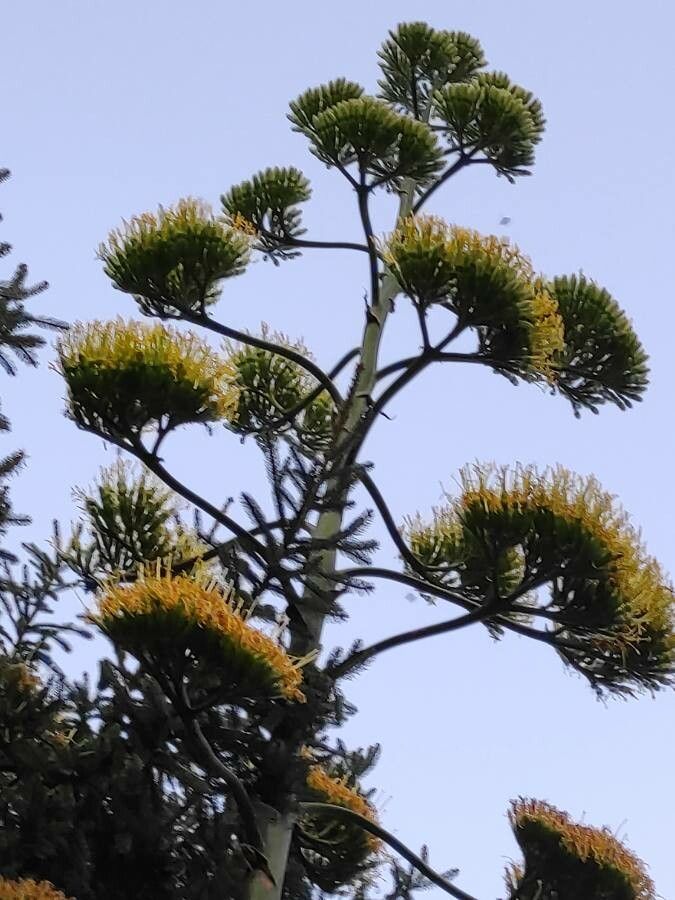
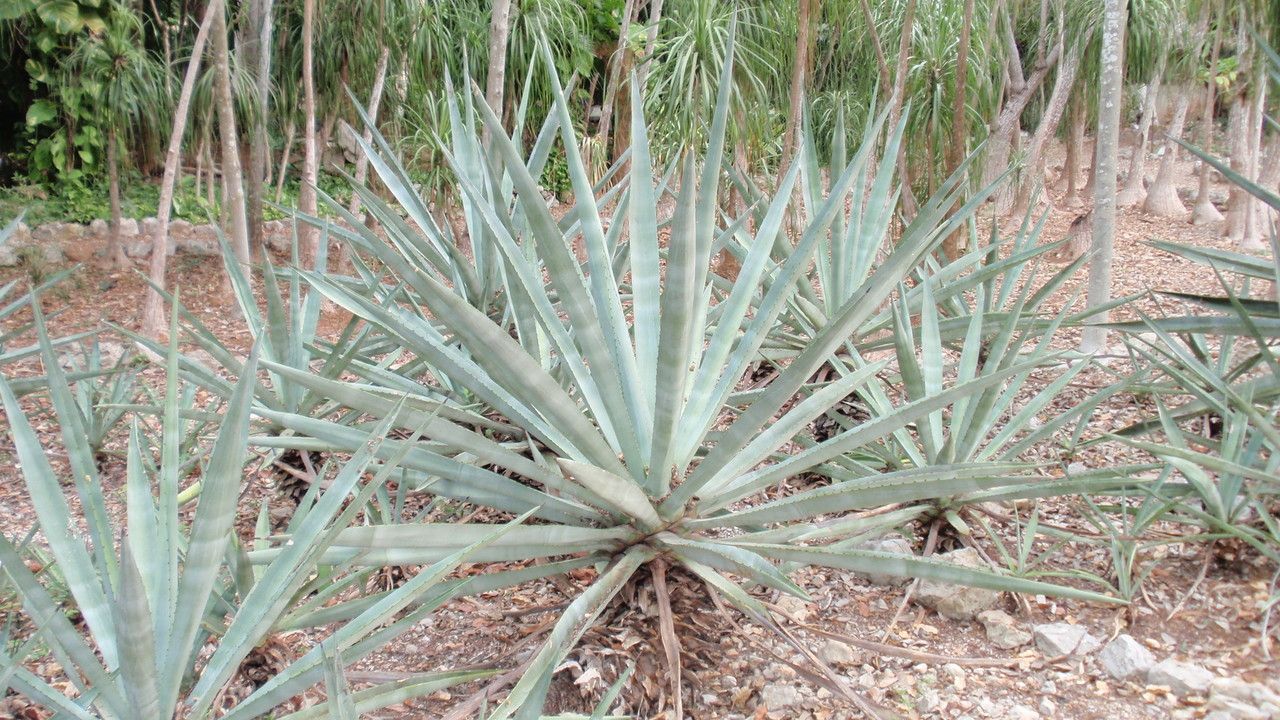
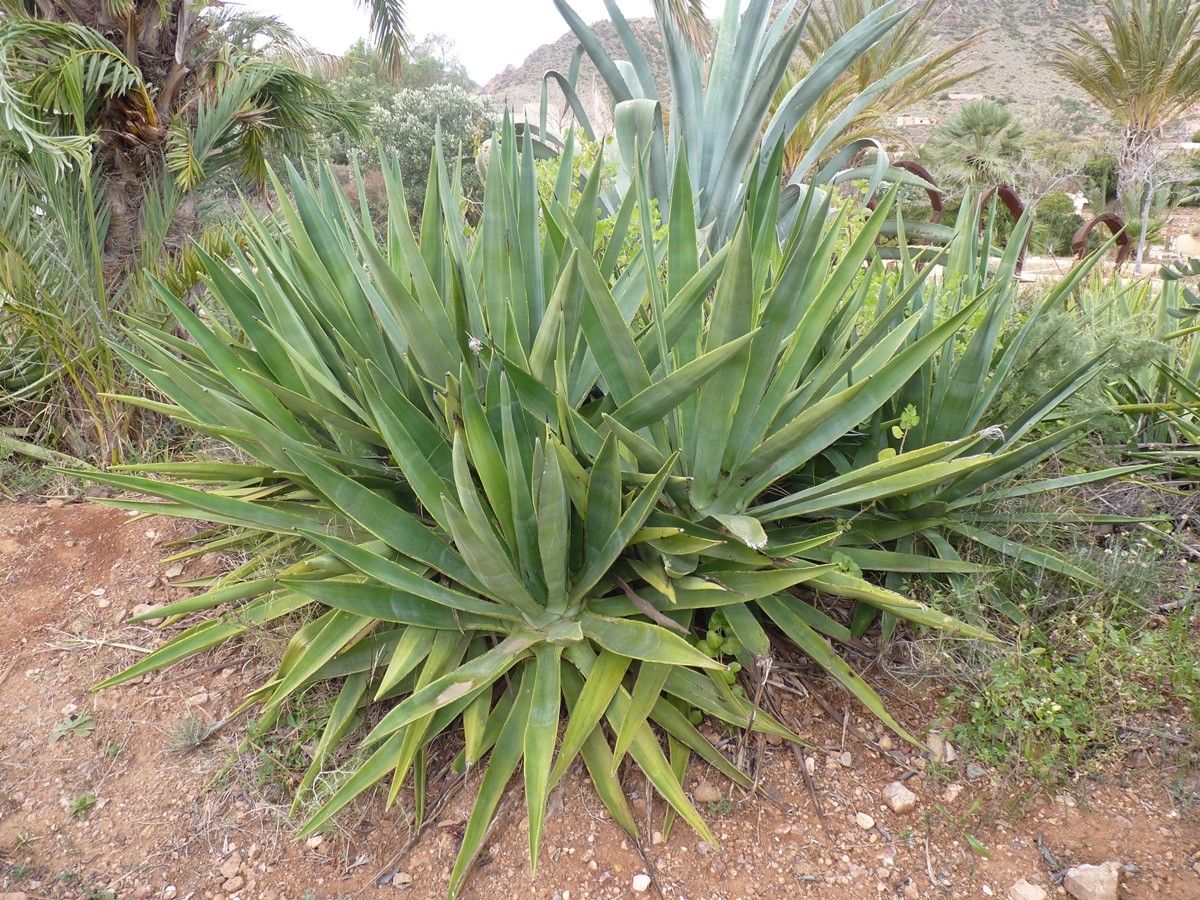
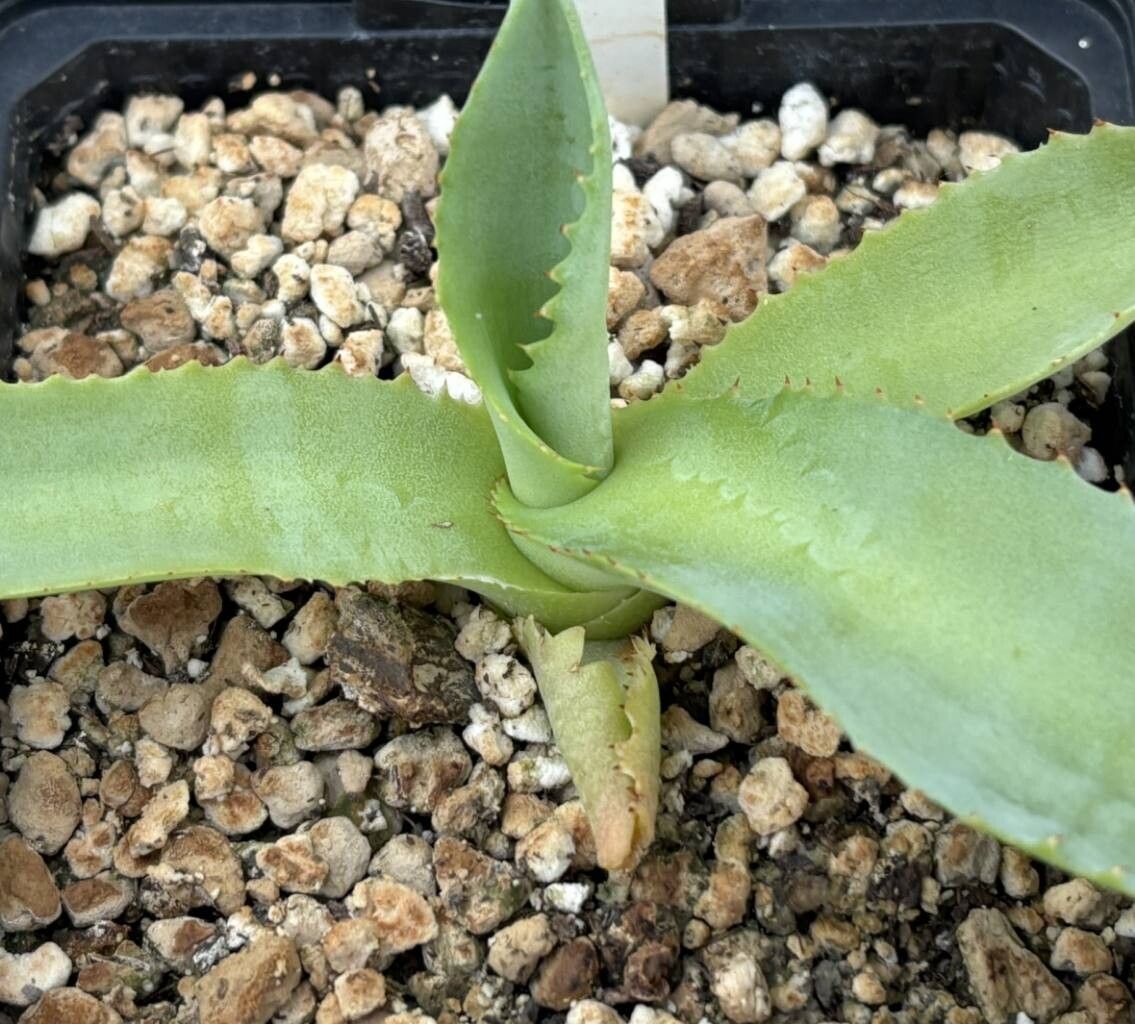
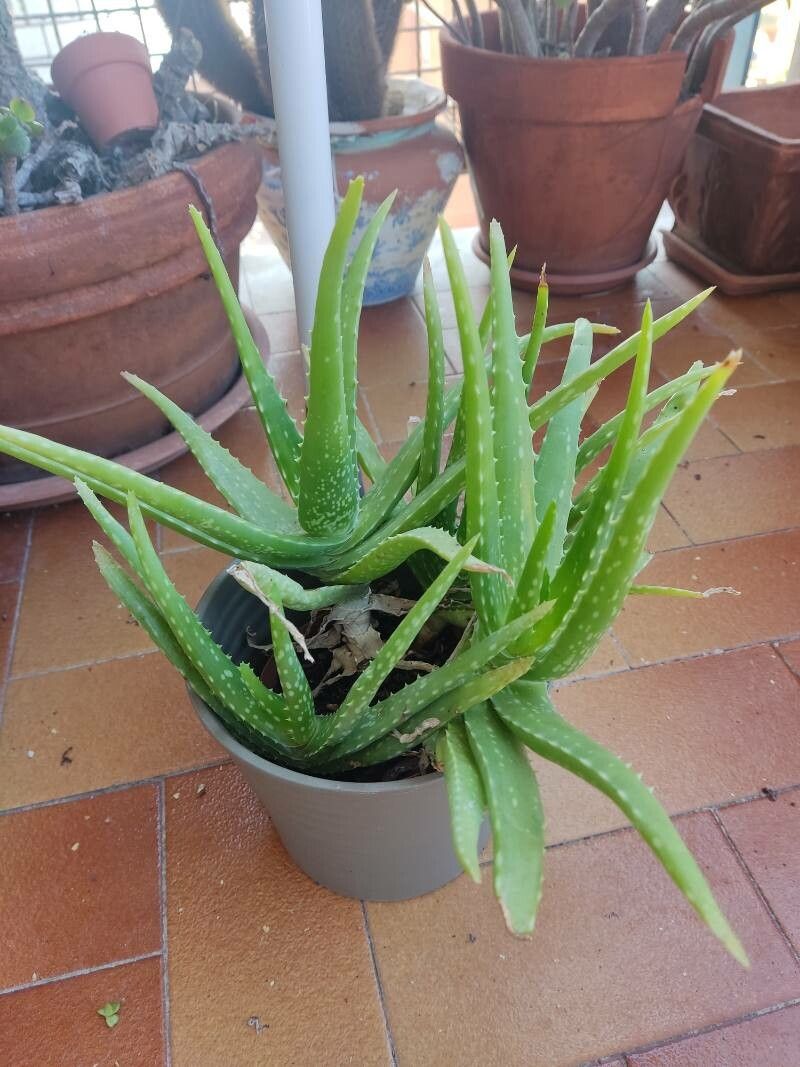
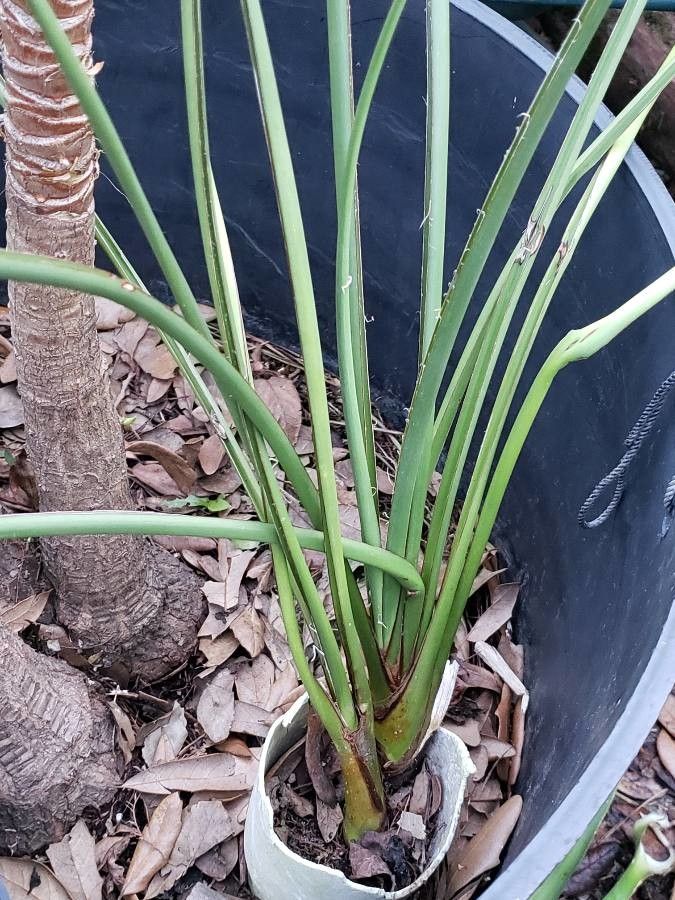
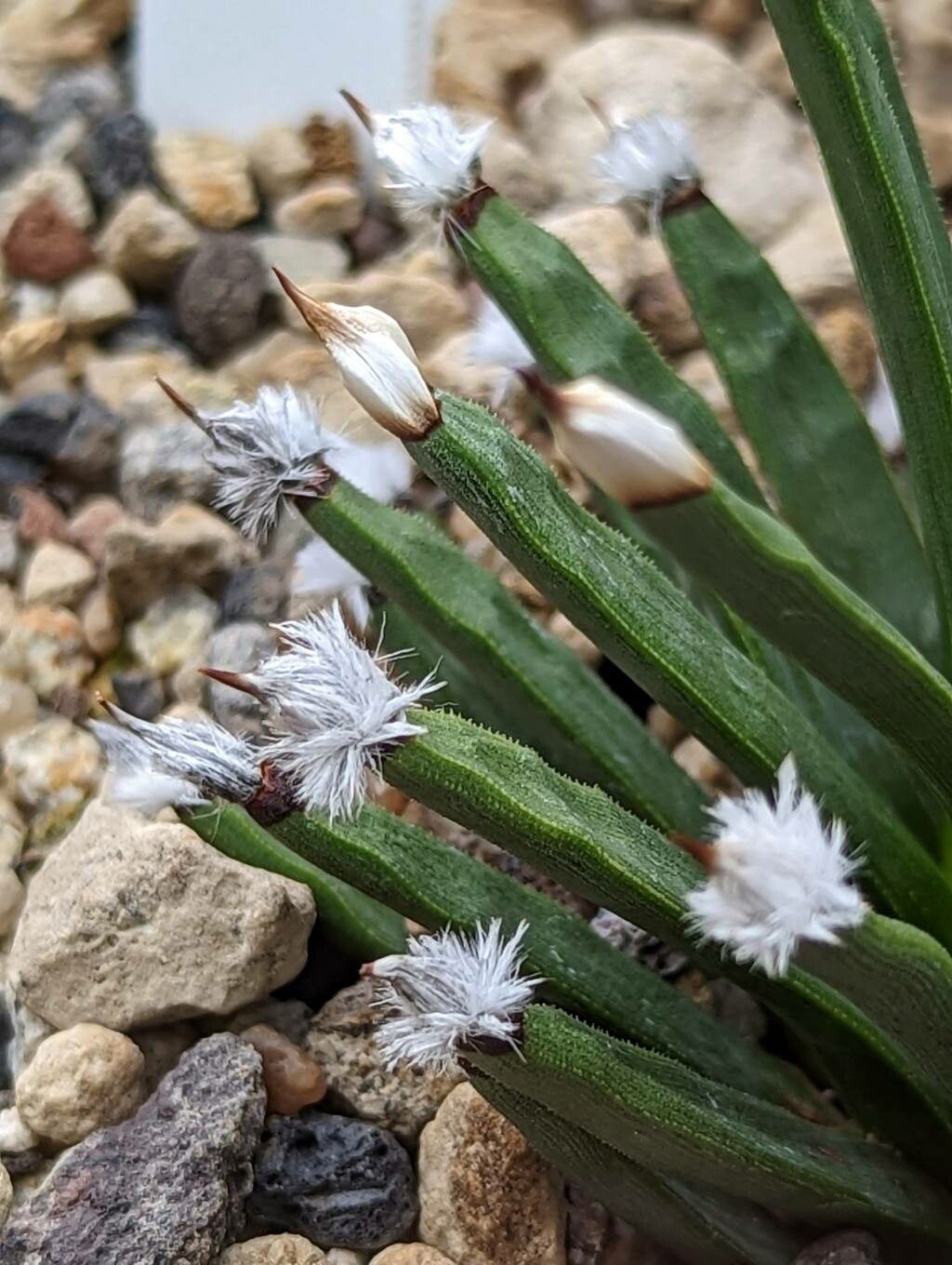
Henequen (Agave fourcroydes) is a species of flowering plant in the family Asparagaceae, native to southern Mexico and Guatemala. It is reportedly naturalized in Italy, the Canary Islands, Costa Rica, Cuba, Hispaniola, the Cayman Islands and the Lesser Antilles.
Henequen has moderate disease resistance and is more sensitive to humidity and overwatering. It is also more prone to disease when it lacks light and is overwatered. Regarding care, Henequen is drought-tolerant and can withstand long periods without watering. It does not require much fertilizer and only needs occasional pruning. This makes it suitable for people of all experience levels, especially those who prefer to spend less time on plant care and who may occasionally be away from home for extended periods. It is a good option for people who do not want to invest a lot of time in plant care but still want an easy-to-maintain plant.
How to keep Agave Fourcroydes.
Light
Originating from dry regions, Henequen prospers in full sun; its native habitat featured intense sunlight and little shade. It can also tolerate partial sun, giving it some flexibility in growth.
Water
Henequen plants do well in dry conditions. Water them only when the soil is slightly moist, and watch for signs of dehydration. In the summer, increase watering slightly, but reduce it in the fall. During the winter, when the plant is dormant and temperatures are around 10°C (50°F), stop watering and keep the plant warm. Begin watering again in the spring when temperatures rise above 20°C (68°F).
Temperature
Henequen grows best in warm climates and needs relatively high temperatures during the growing season to stimulate growth and metabolic processes. It prefers abundant sunlight, suitable moisture levels, and good air circulation. However, it is vulnerable to harm from very low temperatures and from overwatering. It is also important to maintain balance and avoid excessively high heat and overly dry conditions.
Fertilizer
Henequen requires only light fertilizer applications once or twice a year during the growing season. Avoid fertilizing in winter and summer when it is dormant. Cut back on fertilizer for repotted plants and wait a couple of months after repotting before applying any. Fertilizing promotes healthy growth and encourages blooms.
Pruning
Henequen, known for its sturdy, fibrous leaves, benefits from pruning in early spring to boost its growth. Important techniques involve removing dead leaves to increase air circulation and prevent pest infestations. Regular pruning encourages healthy growth, and it's essential to use clean, sharp tools to minimize the risk of disease.
Botanical profile.
- Plant Type
- Succulent
- Life Cycle
- Perennial
- Genus
- Agave
- Family
- Asparagaceae
- Hardiness Zone
- 9-11
- Mature Height
- 1.52 m to 2.13 m
- Mature Spread
- 2.13 m to 3.05 m
- Leaf Color
- Light Green, Pale Green
- Leaf Type
- Evergreen
- Flower Color
- Yellow
- Flower Size
- 5.08 cm to 6.35 cm
- Bloom Time
- Early summer, Mid summer
- Planting Time
- Summer, Autumn
- Harvest Time
- Late summer, Early fall, Mid fall
- Native Area
- Mexico, Guatemala
Other names.
Reader questions.
What are the sunlight requirements for Henequen (Agave fourcroydes)?
Henequen (Agave fourcroydes) has specific sunlight requirements to thrive. For full sun exposure, Henequen needs above 6 hours of sunlight. If the plant is to be placed in partial sun, it should receive about 3-6 hours of sunlight. It's important to observe the movement of sunlight throughout your garden to ensure that you select locations which provide an ideal balance of light and shade. This careful placement ensures the plants receive the appropriate amount of sunlight for their health and happiness.
What is Henequen?
Henequen, scientifically known as Agave fourcroydes, is a species of agave native to the Yucatan region of Mexico. It is primarily cultivated for its strong fibers, which are used in making ropes, twines, and other products. While there were no specific essentials or symptoms provided in the data, Henequen is renowned for its industrial and agricultural importance.