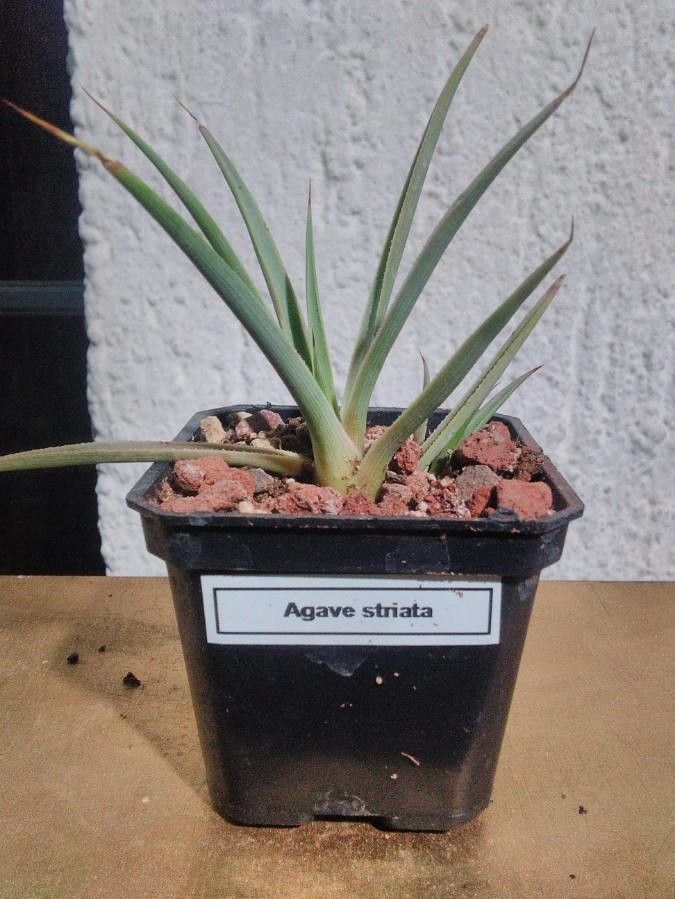
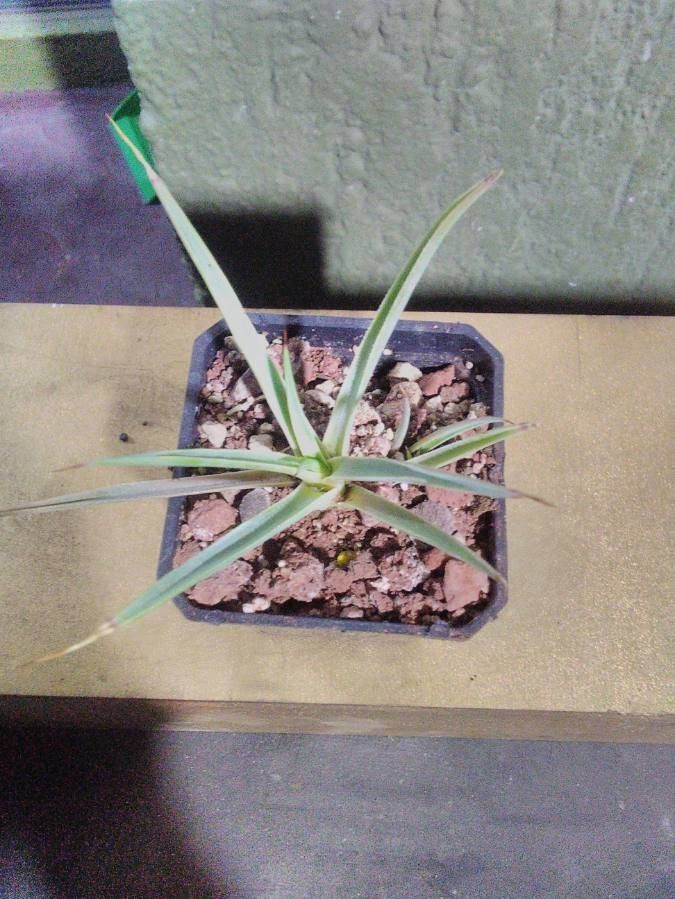
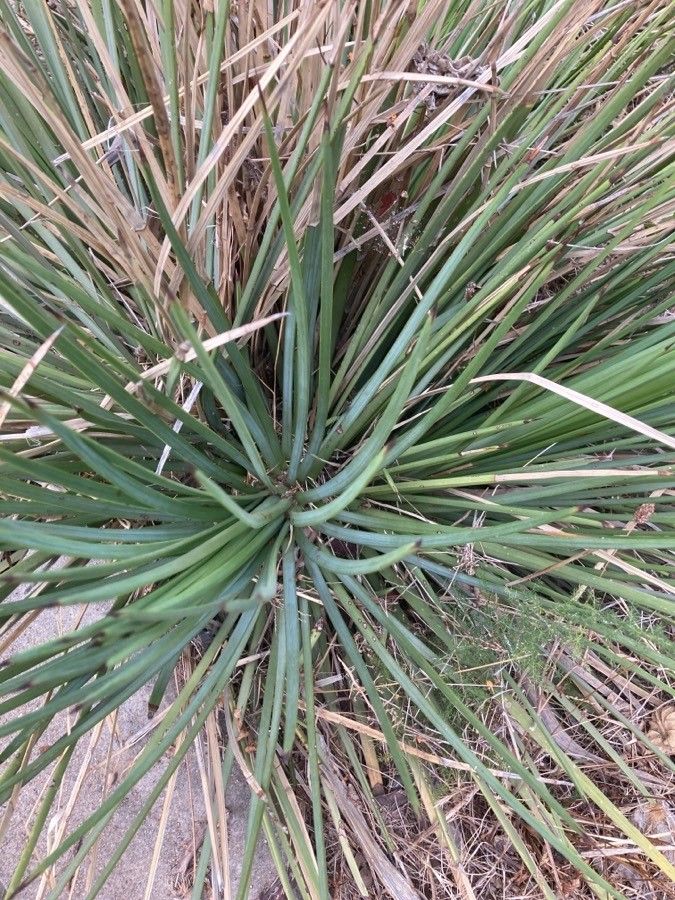
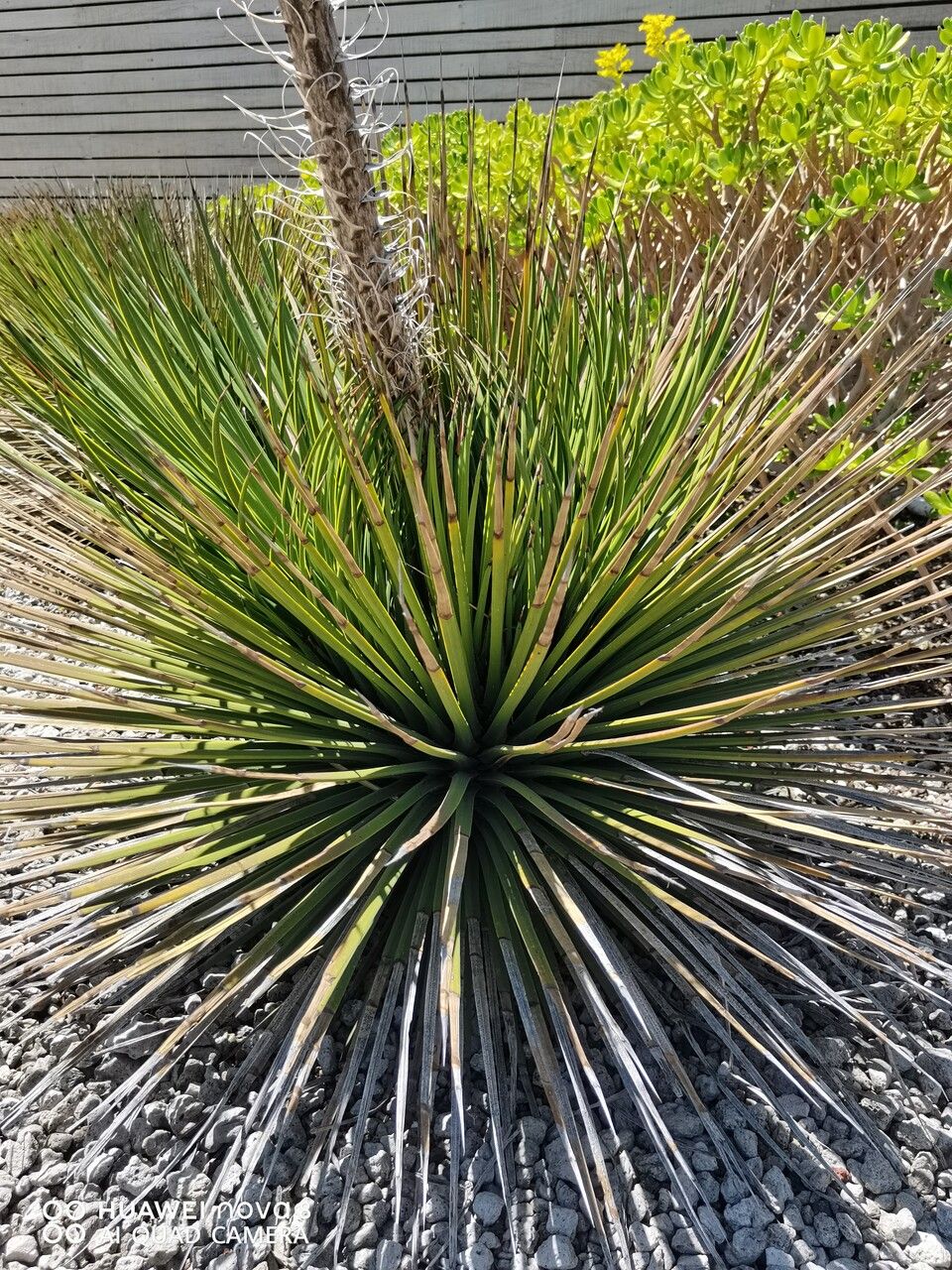
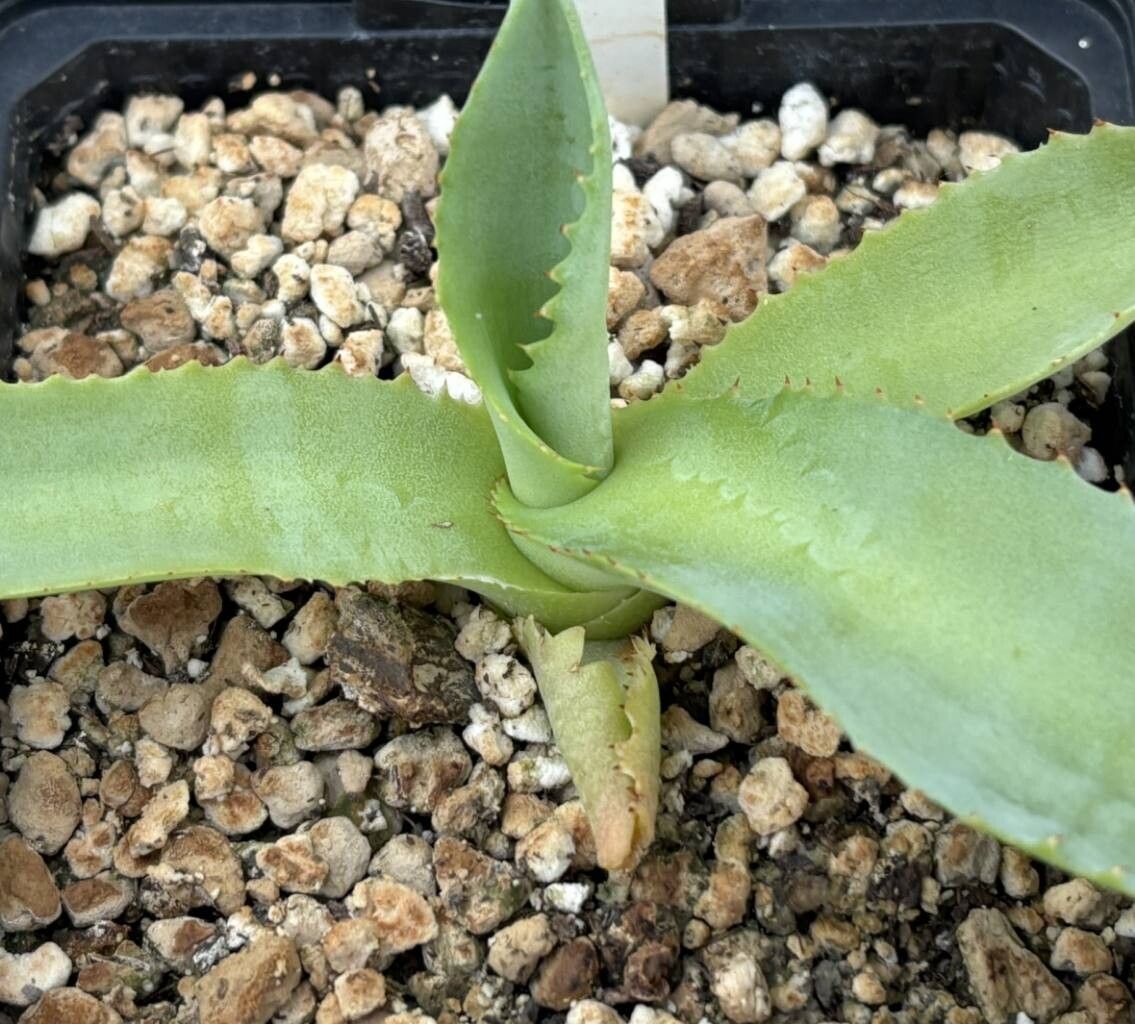
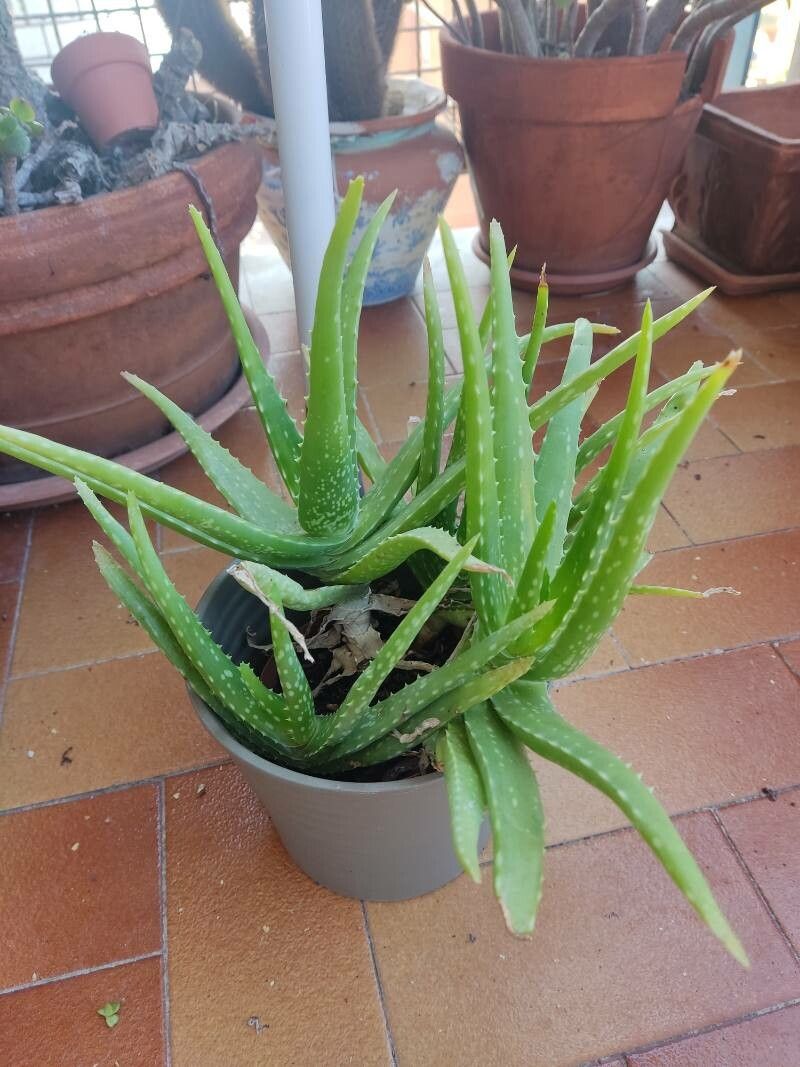
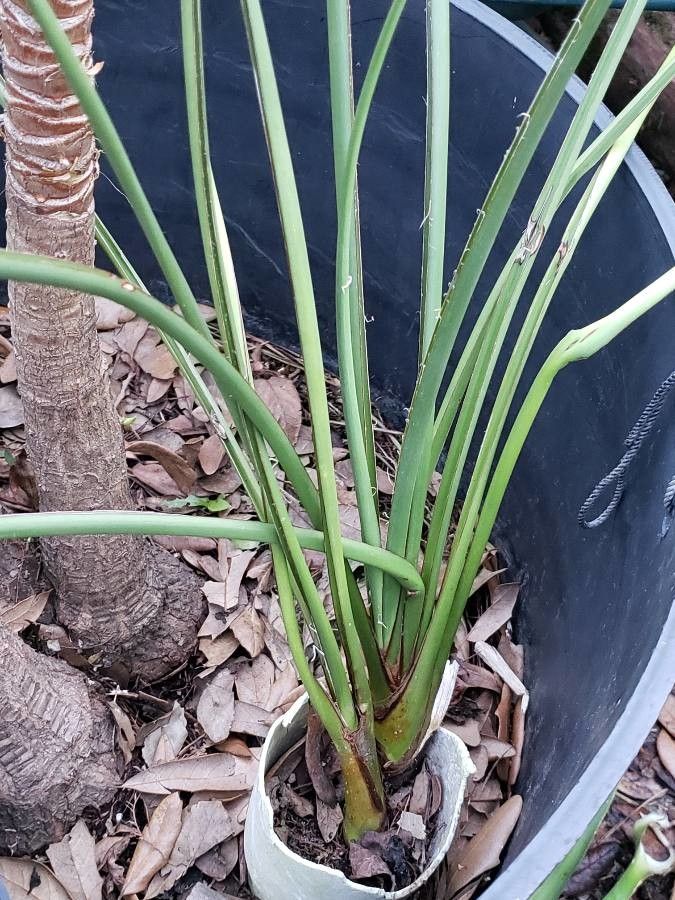
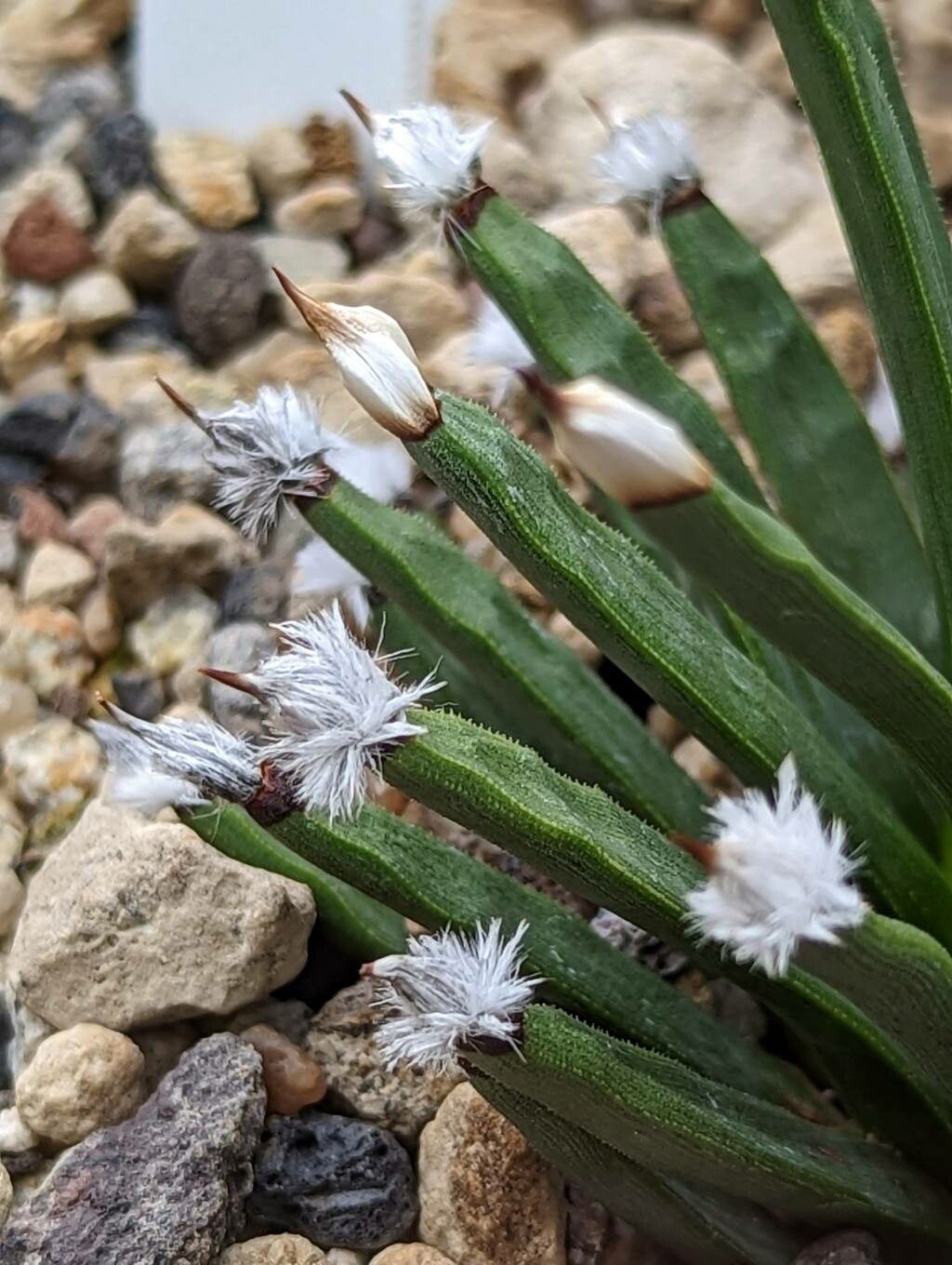
Agave striata is a plant species native to Northeastern Mexico. Because the species is widespread and does not appear to be under any significant threats, it is not considered by the IUCN to be threatened.
Agave striata displays moderate disease resistance but is relatively sensitive to humidity and excessive watering. It becomes more prone to disease if it receives insufficient light and is overwatered. Regarding care, Agave striata is drought-tolerant and can endure long periods without water. It needs little fertilizer and only occasional pruning. That makes it suitable for people at any experience level, especially those who prefer to spend less time on plant care or who may be away from home for extended periods. It’s a good option for anyone who doesn't want to dedicate much time to upkeep but still wants an easy-to-maintain plant.
How to keep Agave Striata.
Light
Agave striata, native to arid areas, grows best in full sun; its natural habitat features strong sunlight and very little shade. It can also tolerate partial sun, which gives it some flexibility in growth.
Water
Agave striata is well-suited to arid climates, demonstrating excellent drought tolerance by storing moisture in its dense leaves. Water it only every three weeks, ensuring the soil dries out completely in between. This plant thrives outdoors and is ideal for xeriscaping. It prefers rocky soils, which provide efficient drainage and help prevent root rot.
Temperature
Agave striata does best in warm conditions and needs elevated temperatures during the growing season to support growth and metabolic processes. It prefers abundant sunlight, proper moisture, and good air circulation. However, it is vulnerable to harm from very low temperatures and from excessive watering. It is also important to maintain balance and avoid temperatures that are too high as well as overly dry conditions.
Fertilizer
Agave striata only needs light fertilizer applications once or twice a year during the growing season. Do not fertilize in winter or in summer, when the plant is dormant. Reduce the amount of fertilizer for plants that have been repotted, and wait a couple of months after repotting before feeding. Fertilizing supports healthy growth and encourages blooming.
Pruning
As agave striata grows new leaves, the older ones will turn yellow and dry out. Removing these older leaves promptly improves the plant's appearance. Additionally, trim any infected leaves to prevent pests and diseases from spreading to healthy foliage.
Botanical profile.
- Plant Type
- Succulent
- Life Cycle
- Perennial
- Genus
- Agave
- Family
- Asparagaceae
- Hardiness Zone
- 9-11
- Mature Height
- 61 cm to 91 cm
- Mature Spread
- 61 cm to 91 cm
- Leaf Color
- Gray, Light Gray
- Leaf Type
- Semi-evergreen
- Flower Color
- Yellow
- Flower Size
- 1.02 cm to 2.03 cm
- Bloom Time
- Late spring, Early summer
- Planting Time
- Summer, Autumn
- Harvest Time
- Mid summer, Late summer, Early fall
Other names.