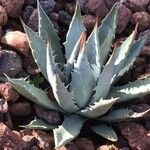
Agave utahensis
Utah agave · Yant
Description
Source: leafsnapAgave utahensis, commonly known as Utah agave, is a succulent species native to the southwestern United States. This slow-growing plant can reach up to 3 feet in height and 4 feet in width. Its thick, fleshy leaves have sharp spines along the edges and exhibit a bluish-green color. Utah agave produces tall flower stalks that can grow up to 15 feet, with yellow-green flowers blooming at the top. Adapted to arid environments, Utah agave requires well-draining soil and minimal water once established. Due to its unique appearance and low maintenance needs, it is often used as an ornamental plant in xeriscaping or rock gardens. However, caution is advised when handling the plant during planting or maintenance, as the sharp spines on its leaves can be dangerous.
Care Guide
💧 Water Every 14 days
Yant is well-suited for arid desert environments, thriving with minimal moisture due to its exceptional drought tolerance. It only needs watering once every three weeks, making it perfect for xeriscaping or rock gardens, as it efficiently utilizes seasonal rainfall.
How should I water my Yant to make it grow the best?
To properly water the Yant plant, it is recommended to use filtered water at room temperature. Tap water should be avoided as it may contain harmful particles. The Yant plant prefers warm water to mimic its natural environment, so cold water should be avoided. It is best to avoid overhead watering to prevent issues with the foliage. Instead, pour the filtered room temperature water onto the soil until it is fully saturated. This will provide benefits to the plant by moisturizing the roots and aiding in the uptake of nutrients.
What do I need to do if I give my Yant too much water or too little water?
Both overwatering and underwatering can harm your Yant plant, but overwatering is more common. Too much water can cause wilting, yellowing of the stems and leaves, and can lead to diseases like root rot and mold, which can be fatal. Underwatering is less common since Yant plants can handle drought to some extent. However, it is still possible and can result in brittle, brown leaves. It's crucial to recognize signs of overwatering early to prevent irreparable damage. If you notice these signs, reduce your watering schedule and check the soil's drainage. Replace poorly draining soil with a loose, well-draining potting mix. If you suspect your Yant is underwatered, increase watering until the signs improve.
How frequently do I need to water my Yant plant?
If your plant is in a pot, the best way to determine if it needs water is to check the soil using your finger. If the top two to three inches of soil are dry, then it's time to water the plant. The same method can be used if your Yant is grown outdoors in the ground. Once again, if the top few inches of soil are dry, it's time to water. Usually, during spring and early fall, you may need to water this plant once a week. However, in extremely hot weather, you might need to water it twice a week or even more. It's worth mentioning that mature, well-established Yant plants can tolerate drought very well.
How much water does my Yant require?
When watering your Yant plant, be generous with the amount of water you provide. Make sure the top two to three inches of soil are dry before watering. Give the plant a thorough watering so that the soil is completely soaked. You should add enough water that it flows out of the drainage holes at the bottom of the pot. If you don't see excess water draining, it means you haven't watered enough. However, be careful not to let the water accumulate in the soil, as that can be harmful to the plant. On the other hand, if water doesn't drain properly from the pot, it could mean the soil isn't draining well, which is not good for the plant's health. If the plant is outdoors, it usually needs about 1 inch of rain per week.
How do I water my Yant as it grows?
The water needs of the Yant change depending on its growth stages. In the first few years or after transplanting, you will need to provide more water than usual. During these stages, the Yant focuses on developing new roots to support future growth, so it requires extra moisture. As the Yant matures, it will require less water. Additionally, during the bloom period, the Yant may need more water as flower development uses up a significant amount of moisture.
☀️ Light Full sun
Yant prefers locations with strong sunlight for most of the day to support vigorous growth. At minimum, it tolerates moderate sun exposure. Because it originates from sun-rich habitats, it can handle a range of light conditions. Excessive light does not harm the plant, but insufficient light can suppress its growth.
What are the sunlight requirements for Yant?
Yant, scientifically known as Agave utahensis, thrives in environments that provide significant exposure to sunlight throughout the day for vigorous growth. Ideally, it should receive above 6 hours of sunlight daily (full sun), but it can also tolerate about 3-6 hours of sunlight (partial sun). It's essential to observe how sunlight moves through your garden to choose the best spots, ensuring the plants receive an optimal balance of light and shade.
How does insufficient light affect Yant's growth?
When the Yant is placed in areas with inadequate lighting, it might show various symptoms indicating light deficiency. These include smaller new leaves, leggy or sparse growth, faster leaf drop, slower or halted growth, lighter-colored or yellowing leaves (chlorosis), sunscald, leaf curling, wilting, and leaf scorching. These signs suggest that the plant's growth and health are compromised due to insufficient sunlight.
What solutions can support Yant's growth in low light conditions?
To support Yant's growth in low light conditions, gradually moving the plant to a sunnier location each week until it receives at least 6 hours of direct sunlight daily is recommended. For indoor plants, consider providing additional light using a desk or ceiling lamp for at least 8 hours daily, or invest in professional plant grow lights. Outdoor plants should also be moved gradually to avoid shock. For both indoor and outdoor plants, reducing obstructions that block sunlight and considering transplanting to a better-lit location are effective strategies.
How is artificial lighting beneficial for Yant grown indoors?
For Yant plants grown indoors, adequate lighting is crucial, especially when natural sunlight is insufficient. Artificial lights, such as LED lights, can offer a vital solution by promoting faster, healthier growth. LED lights are preferred because they can be customized to provide specific wavelengths of light needed by the plant. The amount of artificial light needed varies by plant type; full sun plants require 30-50W/sq ft, partial sun plants need 20-30W/sq ft, and full shade plants require 10-20W/sq ft. Proper placement (12-36 inches above the plant) and duration (mimicking natural daylight hours, typically 8-12 hours per day) of these lights are essential for optimal growth.
🌡️ Temperature 10–35°C
Yant is native to areas where temperatures usually fall between 50 and 95 °F (10 to 35 °C). This sturdy plant does best within that warm temperature span. During colder months, its environment should be adjusted to maintain its preferred temperatures.
What is the ideal temperature range for growing Yant?
Yant, also known by its botanical name Agave utahensis, thrives in warm climates with temperatures ideally between 50 to 95°F (10 to 35°C). It's important to adjust the plant's environment during colder seasons to ensure it stays within this preferred temperature range. Yant possesses strong cold resistance, so special frost protection measures are generally not necessary. However, if winter temperatures are expected to drop below -25°C, it's crucial to provide cold protection by covering the plant with materials such as soil or straw and watering it abundantly before the first freeze, to ensure the soil remains moist and enters a frozen state, helping to prevent drought and water scarcity during winter and early spring.
How does Yant respond to low temperatures?
Yant is cold-tolerant, performing best when temperatures are above 10°C and should be kept above -15°C during winter. Despite its tolerance, exposure to temperatures below -25°C might not show immediate changes, but can lead to a decrease in sprouting or a complete absence of sprouting come springtime. In response to such conditions, it's recommended to remove any parts of the plant that have failed to sprout in spring.
What should I do if Yant is exposed to high temperatures?
During summer, it's crucial to keep Yant's temperature below 35°C. Exposing the plant to temperatures exceeding 41°C can cause the leaves to lighten in color, become prone to curling, be susceptible to sunburn, and in severe cases, lead to the entire plant wilting and drying out. To mitigate these issues, trim away any sunburned and dried-up parts of the plant. Moving the plant to a shady location or using a shade cloth to protect it from the midday and afternoon sun can help. Additionally, watering the plant in the morning and evening can keep the soil moist and further protect the plant from heat stress.
💨 Humidity
🪴 Soil 6-7
🌱 Fertilizer
For Yant, light fertilizer applications once or twice a year during the growing season are sufficient. Avoid fertilizing in winter or summer when it is dormant. Reduce fertilizer for repotted plants and wait a couple of months after repotting before applying fertilizer. Fertilizing supports healthy growth and encourages blooms.
Why do I have to put fertilizer on my plant?
The Yant plant's leaves are essential to its structure, so fertilization is crucial for ensuring the leaves' appearance and function. By properly fertilizing, you can maintain consistent color and a healthy texture in the leaves. Fertilization also benefits the Yant below the soil's surface by promoting new root growth and maintaining the existing root system. This not only keeps the plant healthy presently but also enhances its ability to absorb soil nutrients in the long run.
When should I fertilize my Yant?
If you grow your Yant outdoors, it will send new growth in early spring. This is when you should start fertilizing. A single application of fertilizer is usually enough, but if you want maximum growth, you can do it multiple times throughout spring and early summer. In this case, feed your Yant approximately once a month to a month and a half.
When is it best to not put fertilizer on my Yant?
During the late fall and winter, your Yant will go into a dormant phase and stop growing. It's best to avoid fertilizing your Yant during this time. If you do choose to fertilize in the spring and summer, gradually decrease the amount of fertilizer as summer approaches, since the growth rate of your Yant will also slow down. In general, it's not a good idea to fertilize your Yant when the weather is unseasonably hot or when the soil is extremely dry. Doing so can stress your Yant and make it die earlier.
What kind of fertilizer should I use for my plant Yant?
Choosing the best fertilizer for a Yant is actually quite simple. You just need a general-purpose garden fertilizer that has equal amounts of nitrogen, phosphorus, and potassium, like a 10-10-10 ratio or something similar. Just be careful with fertilizers that have high nitrogen levels. For the most part, granular fertilizers that are slow-release are the best option for a Yant. They are easy to apply to the soil. Additionally, using organic soil amendments like compost can also be beneficial for feeding your Yant.
How do I give plant food to my Yant?
To ensure healthy growth, it is important to wait until your Yant just starts poking its first leaves through the soil in early spring. Once you see this sign, apply a balanced slow-release fertilizer to the soil surrounding the base of your Yant. You can repeat this process later in the season if desired. Remember to apply the fertilizer to the soil and not directly onto the plant. Sometimes, you may need to move some leaves aside to access the soil above the roots. Additionally, it is beneficial to water your Yant before and after fertilizing.
🪴 Pot & Repot Every 12 months
✂️ Pruning
Yant is well-suited to arid environments and features thick, pointed leaves. To encourage growth and prevent disease, prune dead or damaged leaves in early spring with clean tools. This practice improves the plant's shape, vitality, and overall health, ensuring it remains vibrant and long-lasting.
🌿 Propagating
🐛 Diseases & pets
☠️ Toxicity
Characteristics
- Plant Type
- Herb
- Life Cycle
- Perennial
- Genus
- Agave
- Family
- Asparagaceae
- Hardiness Zone
- 6-10
- Mature Height
- 15 cm to 61 cm
- Mature Spread
- 30 cm to 91 cm
- Leaf Color
- Green, Gray, Silver
- Leaf Type
- Evergreen
- Flower Color
- Yellow
- Flower Size
- 5.08 cm to 7.62 cm
- Bloom Time
- Early summer, Mid summer
- Planting Time
- Winter, Spring
- Harvest Time
- Late summer, Early fall, Mid fall