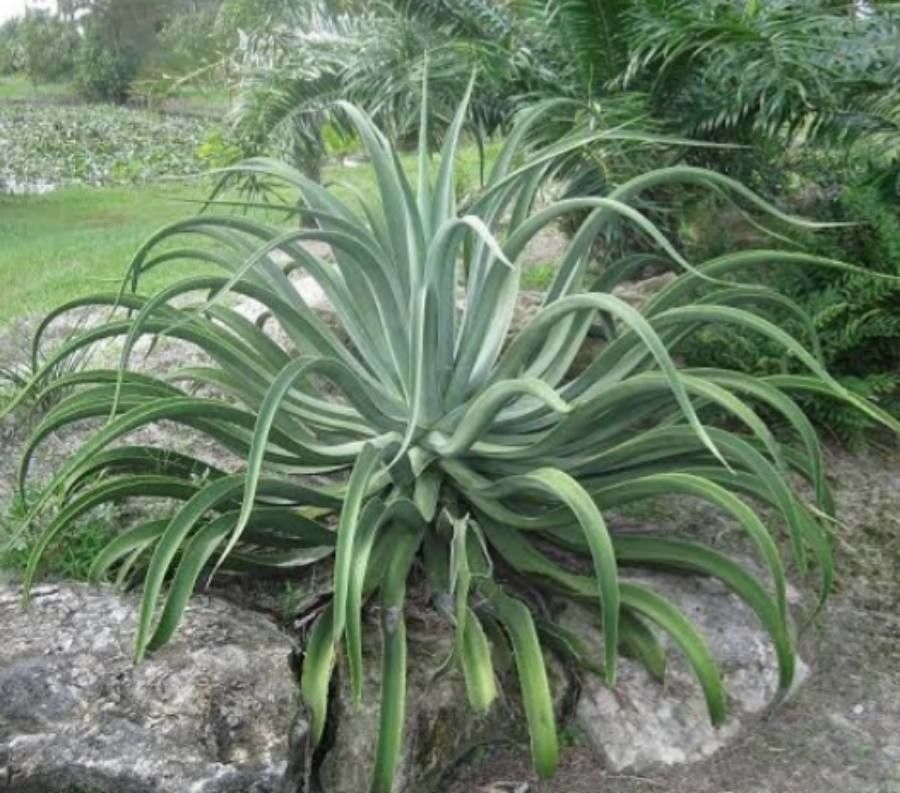
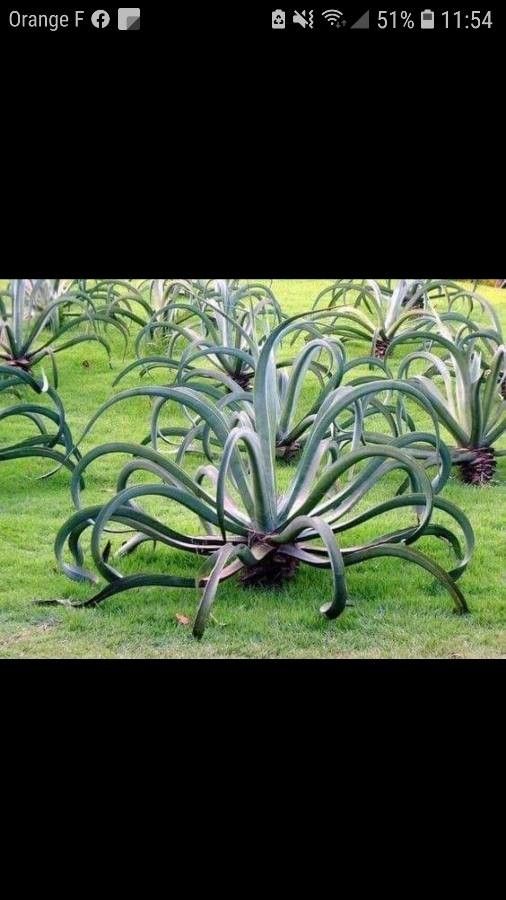
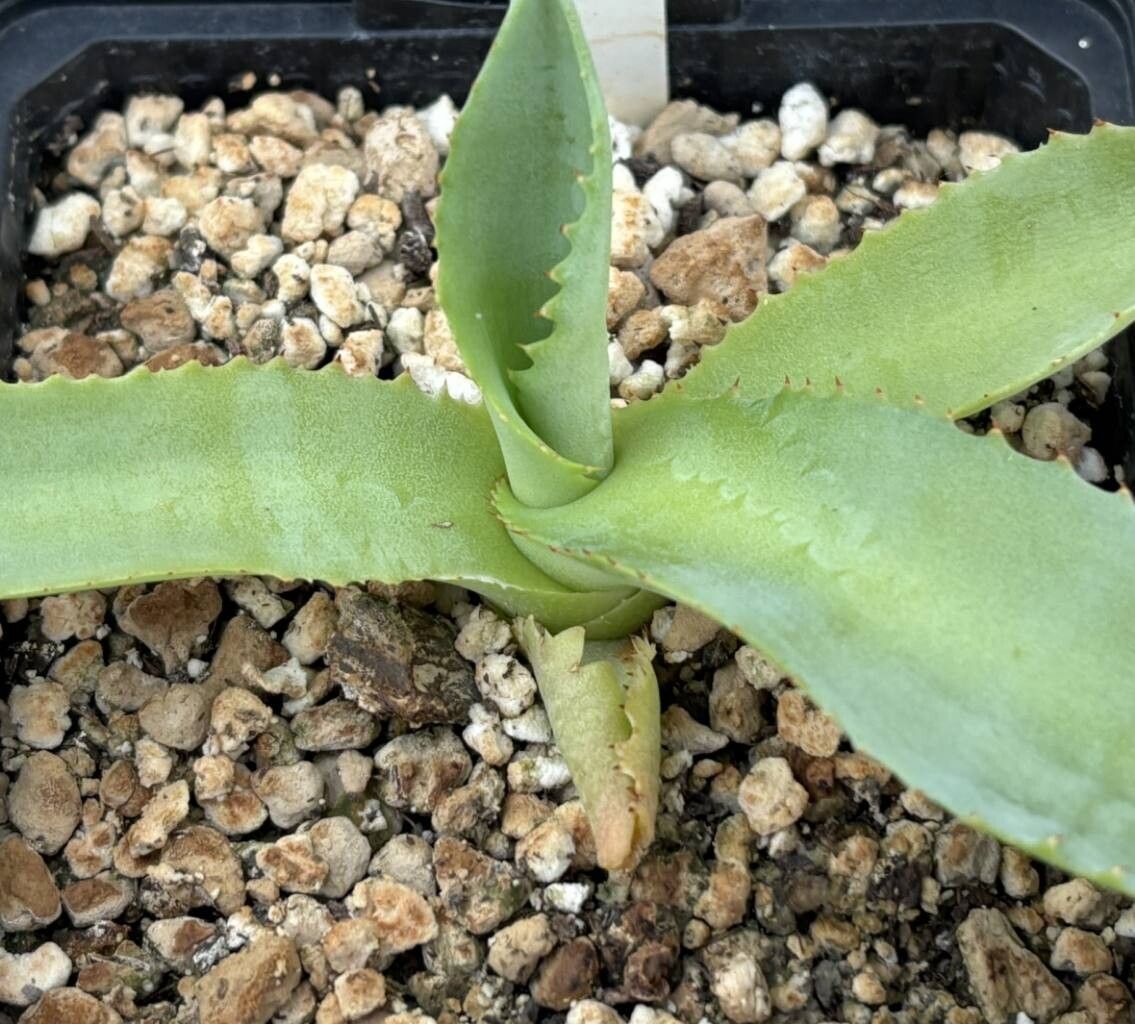
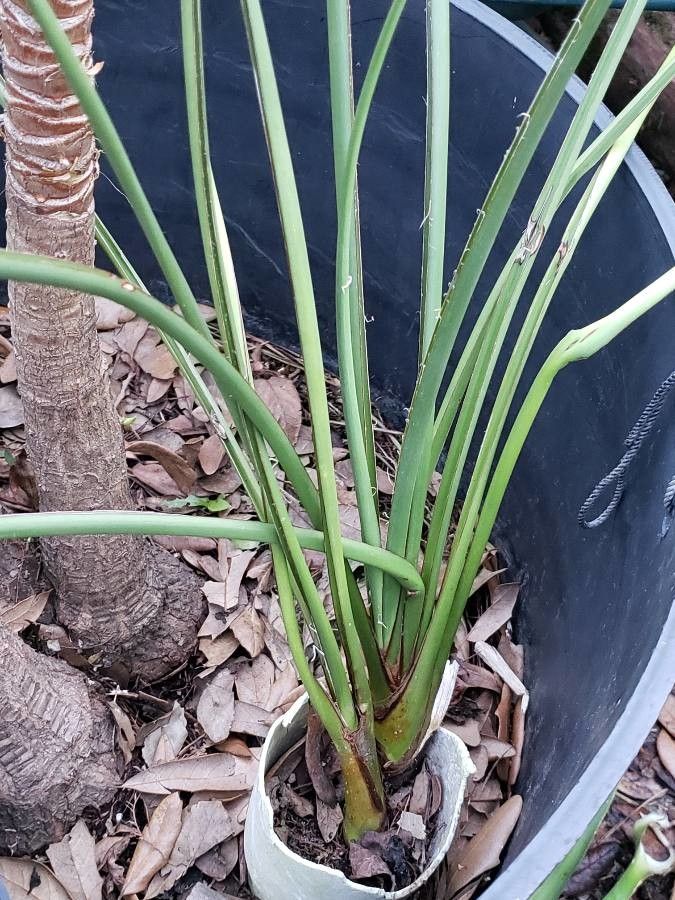
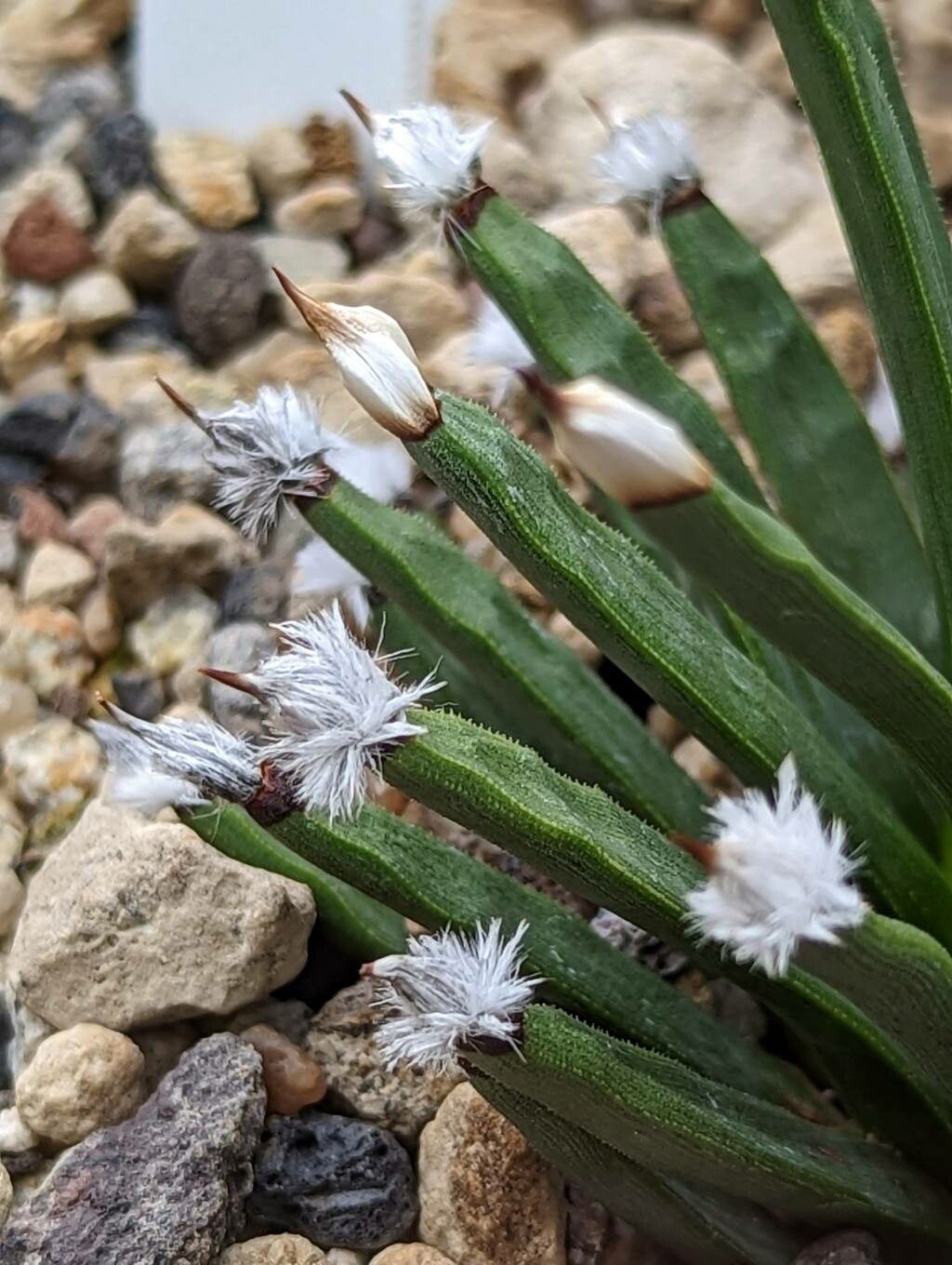
Agave vilmoriniana, sometimes misspelled vilmoriana, and popularly known as Octopus agave, is a species of agave endemic to Mexico. It is known for its untoothed arching and twisting leaves.
Octopus agave has moderate resistance to disease but is more sensitive to humidity and excessive watering. It also becomes more prone to illness when it lacks sufficient light and is overwatered. Regarding care, Octopus agave is drought-tolerant and can go long periods without water. It requires little fertilizer and only occasional pruning. This makes it appropriate for people with any level of experience, particularly those who prefer to spend less time on plant care and who may sometimes be away from home for extended periods. It’s a good option for anyone who does not want to invest a lot of time in maintenance yet still wants an easy-to-care-for plant.
How to keep Agave Vilmoriniana.
Light
Native to arid regions, Octopus agave prospers in full sun; its natural habitat is marked by intense sunlight and little shade. It can also tolerate partial sun, providing some flexibility in its growth.
Water
The Octopus Agave thrives in dry conditions and requires only infrequent watering. During the summer, you can slightly increase the amount of water it receives. In the fall, reduce watering as its growth begins to slow. In the winter, when temperatures drop to around 10℃ (50°F), stop watering altogether. You can resume watering in the spring once temperatures rise above 20℃ (68°F) to help the plant recover.
Humidity
This plant prefers dry conditions, so don't mist it. However, watering it less often can also thrive in higher humidity.
Temperature
Octopus agave does best in warm conditions and needs relatively high temperatures during the growing season to encourage growth and metabolic activity. It prefers plenty of sunlight, suitable moisture, and good air circulation. However, it can be damaged by very low temperatures and by overwatering. It's important to maintain a balance and to avoid both excessively high temperatures and overly dry conditions.
Fertilizer
Octopus agave only needs light applications of fertilizer once or twice a year during its growing season. Do not fertilize in winter or summer when the plant is dormant. Use less fertilizer on repotted plants, and wait a couple of months after repotting before feeding. Fertilizing helps maintain healthy growth and encourages flowering.
Pruning
The Octopus Agave has long, curling leaves and needs very little pruning. To improve airflow and reduce pest problems, remove any dead or damaged leaves in early spring. Make sure to protect the central rosette to ensure optimal regeneration and maintain the plant's overall health.
Pot & Repot
Repot the octopus agave every 2-3 years in the spring, selecting a pot that is 2 inches larger than the current one. Use well-draining soil and water sparingly after repotting to prevent root rot. Ensure the plant receives full sun exposure for optimal growth. With proper care, this low-maintenance succulent will thrive.
Botanical profile.
- Plant Type
- Succulent
- Life Cycle
- Perennial
- Genus
- Agave
- Family
- Asparagaceae
- Hardiness Zone
- 9-11
- Mature Height
- 0.91 m to 1.52 m
- Mature Spread
- 1.22 m to 1.83 m
- Leaf Color
- Green
- Leaf Type
- Evergreen
- Flower Color
- Yellow
- Flower Size
- 2.03 cm to 3.05 cm
- Bloom Time
- Early summer, Mid summer
- Planting Time
- Spring, Summer, Autumn
- Harvest Time
- Late summer, Early fall
- Native Area
- Mexico
Other names.
Reader questions.
What are the sunlight requirements for Octopus Agave?
Octopus agave, or Agave vilmoriniana, thrives in different sunlight conditions depending on the specific needs. For full sun, it requires above 6 hours of sunlight daily, which is ideal for its growth and health. Alternatively, it can grow in partial sun, needing about 3-6 hours of sunlight each day. It's important to observe the way sunlight moves through your garden, to find the perfect spot for your Octopus agave. Ensuring it receives the right balance of light and shade will contribute significantly to its wellbeing.
What is the octopus agave?
The Octopus Agave, known botanically as Agave vilmoriniana, is a unique species of agave. It does not have specific essential characteristics, symptoms, or additional details noted in the provided information. The lack of detailed description suggests it might be recognized for its distinctive appearance or growth habits which are not covered in the data provided.