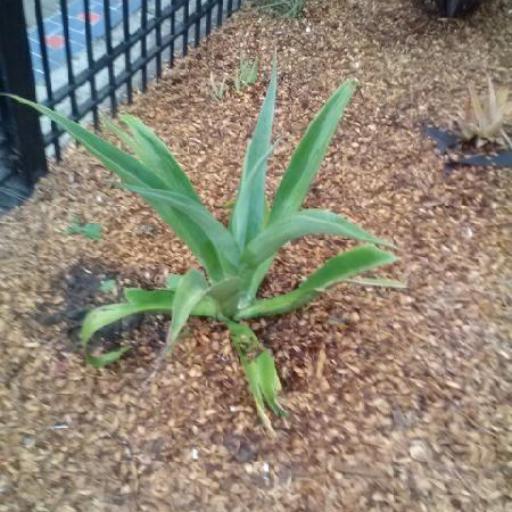
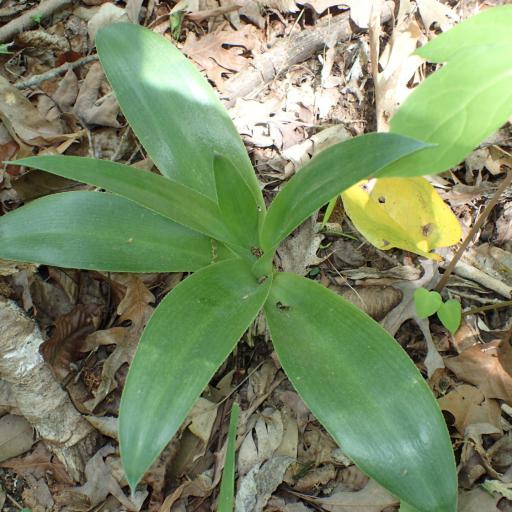
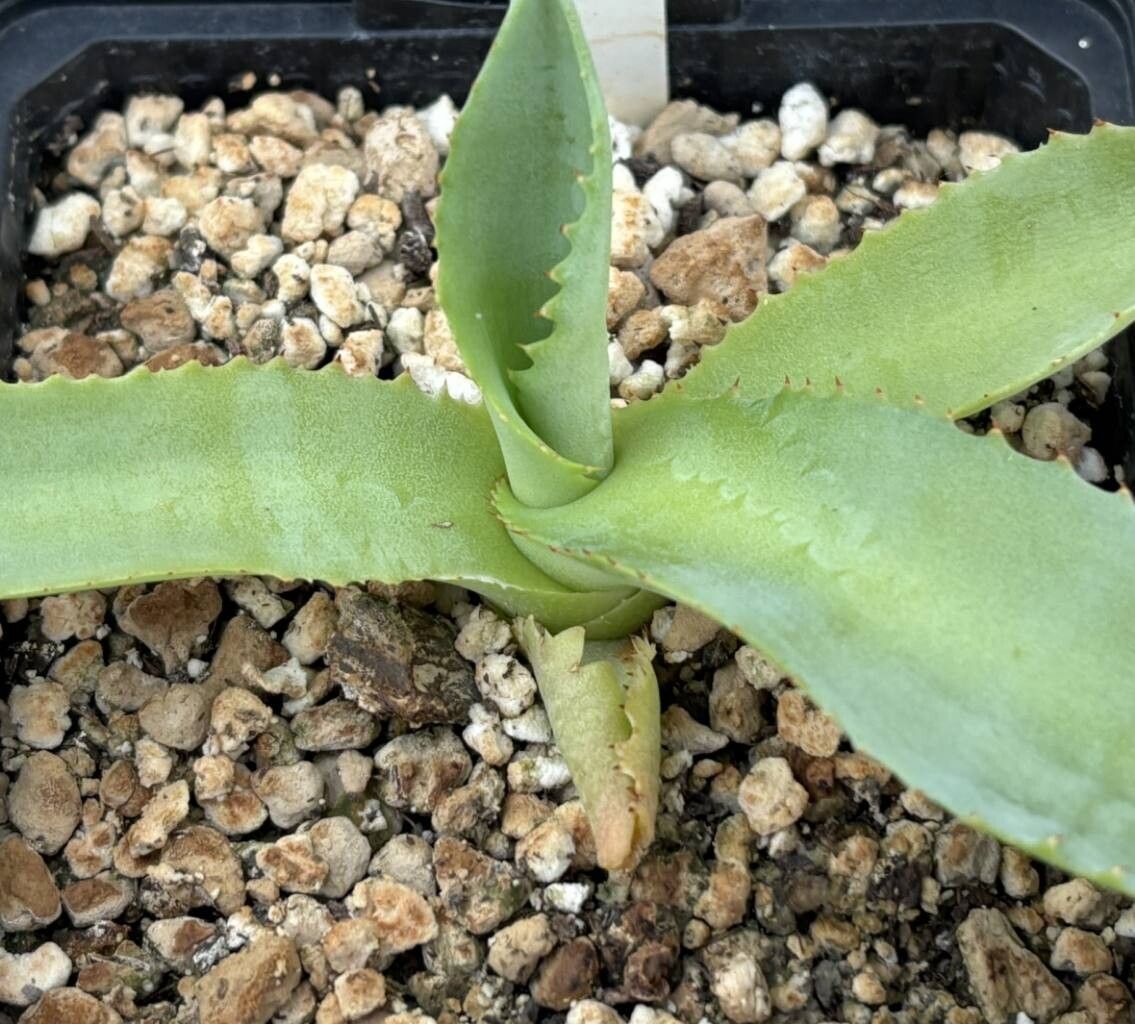
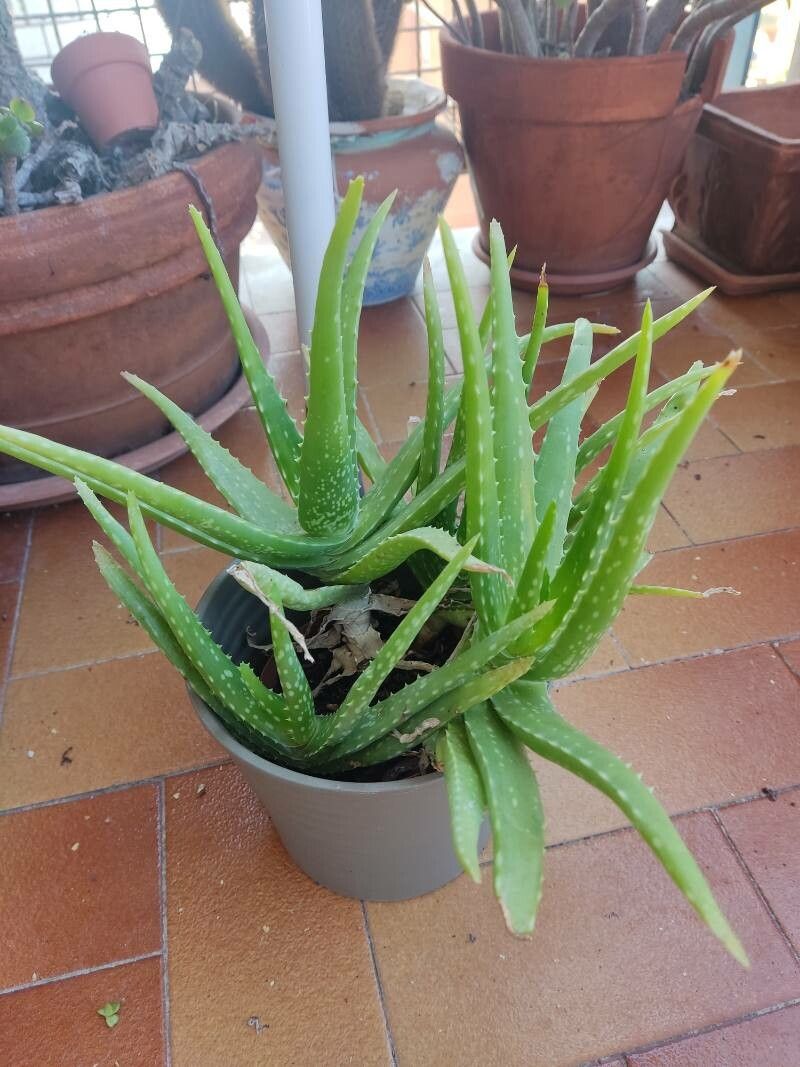
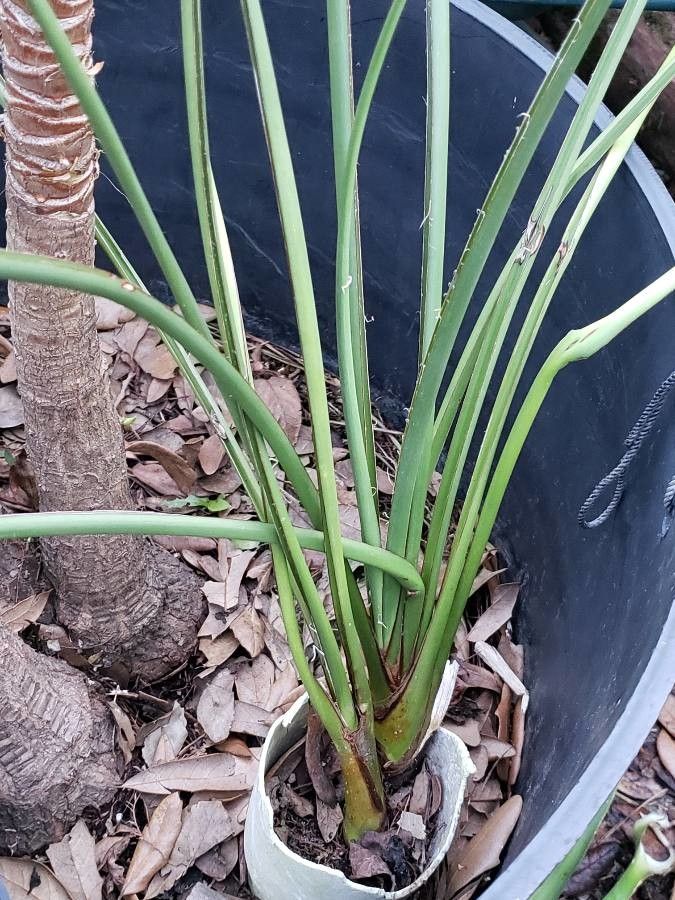
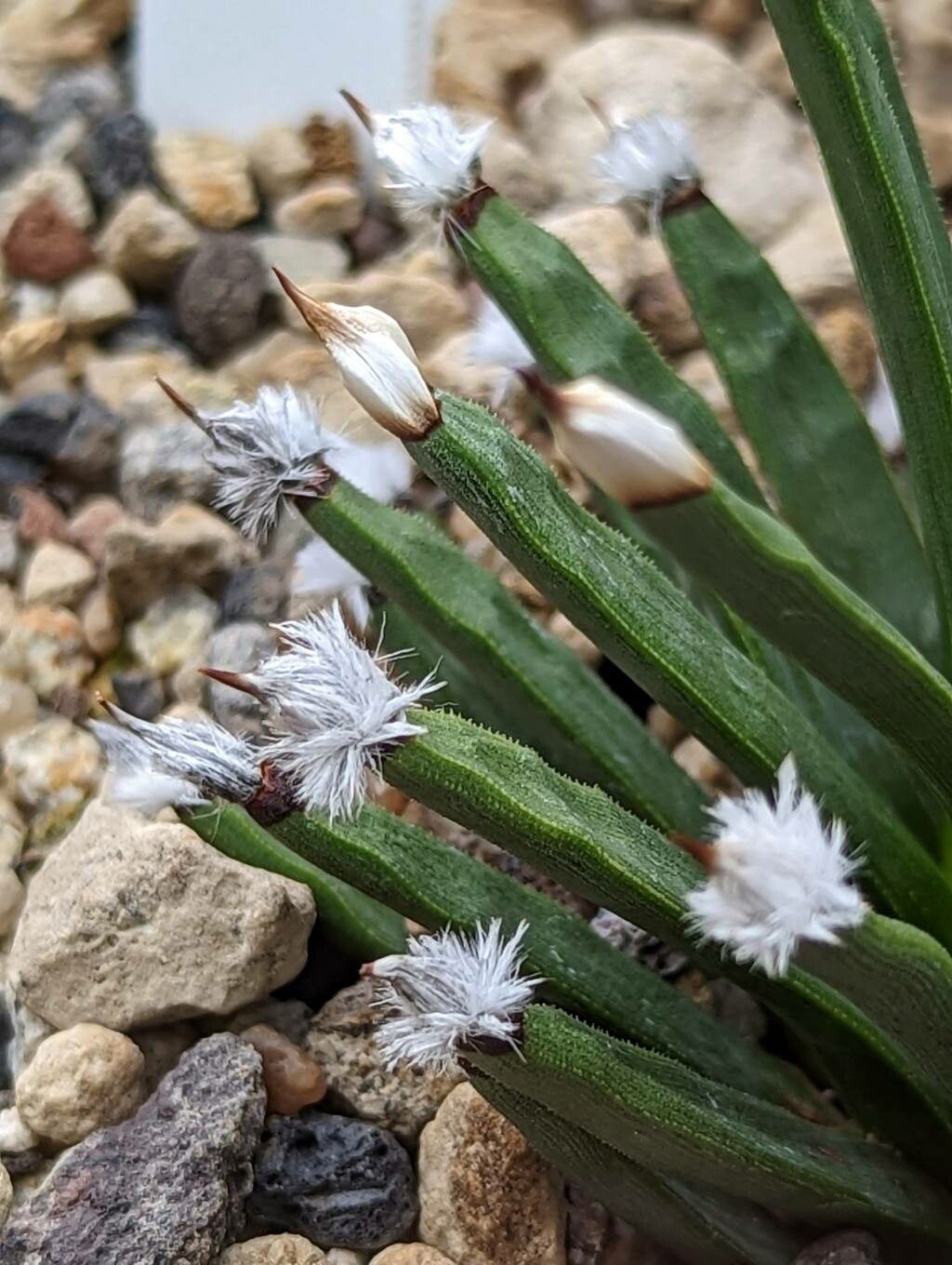
Agave virginica, synonym Manfreda virginica, commonly known as the false aloe, rattlesnake master, American aloe, and Virginia agave, is a species of agave. It is native to an area stretching from North Carolina west to Texas in the United States and south to Nuevo León and Tamaulipas in Mexico.
False aloe: The common name "false aloe" refers to the plant's basal leaves, which resemble those of the Aloe family.
False aloe has moderate disease resistance but is relatively more sensitive to humidity and overwatering. It is also more prone to disease when it receives insufficient light and is overwatered. In terms of care, False aloe is drought tolerant and can endure long stretches without watering. It requires little fertilizer and only occasional pruning. These characteristics make it suitable for people at any experience level, especially those who prefer to spend less time on plant care or who may be away from home for extended periods. It is a good option for people who do not want to devote much time to maintenance yet still want an easy-to-care-for plant.
How to keep Agave Virginica.
Light
False aloe requires ample light to grow well, though it can also persist in moderately lit conditions. Native to sun-rich habitats, these plants may experience discoloration and poor growth if light is too scarce, while too much exposure can result in leaf burn.
Water
False aloe is well-suited for arid environments due to its impressive drought tolerance. To prevent overwatering, it should be watered every three weeks. Commonly grown outdoors, this evergreen plant can withstand a range of temperatures, making it an excellent choice for xeric landscapes.
Temperature
The false aloe is indigenous to warmer temperate zones and favors temperatures of 59 to 100 ℉ (15 to 38 ℃). In winter, keep the plant above 50 ℉ (10 ℃) and protect it from frost.
Fertilizer
For False aloe, light applications of fertilizer once or twice a year during the growing season are enough. Do not fertilize in winter or summer when it is dormant. Use less fertilizer for recently repotted plants and wait a couple of months after repotting before applying any. Fertilizing helps maintain healthy growth and encourages flowering.
Pruning
As new leaves develop on false aloe plants, the older ones may turn yellow and dry out. To keep the plant looking its best, it's a good idea to remove these older leaves promptly. Additionally, if you notice any leaves affected by pests or diseases, trim them off to safeguard the healthy foliage.
Pot & Repot
When repotting False aloe, choose a pot slightly larger than the current one that provides good drainage. Use a gritty, well-draining succulent or cactus mix. Carefully lift the plant out of its old pot, brush off excess soil, and plant it at the same depth. Wait a few days before watering to allow any root damage to heal. Repot in spring or fall and place the plant in a brightly lit location.
Botanical profile.
- Plant Type
- Succulent, Herb
- Life Cycle
- Perennial
- Genus
- Agave
- Family
- Asparagaceae
- Hardiness Zone
- 8-11
- Mature Height
- 0.91 m to 1.83 m
- Mature Spread
- 0.91 m to 1.22 m
- Leaf Color
- Green
- Leaf Type
- Evergreen
- Flower Color
- White
- Flower Size
- 2.54 cm
- Bloom Time
- Early summer, Mid summer
- Planting Time
- Spring, Summer, Autumn
- Harvest Time
- Late summer, Early fall, Mid fall
Other names.