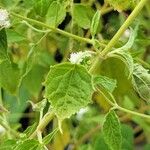
Ageratina aromatica
Lesser snakeroot · Snakeroot · Aromatic Ageratina
Description
Source: leafsnapAgeratina aromatica, commonly known as lesser snakeroot or fragrant snakeroot, is a perennial herbaceous plant belonging to the Asteraceae family. Native to North America, it thrives in diverse habitats such as woodlands, meadows, and prairies. This plant typically grows to a height of 1 to 3 feet and features a woody stem with numerous branches. Its dark green leaves have serrated edges and emit a pleasant fragrance when crushed. From late summer through fall, Ageratina aromatica produces small white or pinkish clusters of flowers. Historically, Native Americans have utilized this plant for its medicinal properties. It contains compounds like sesquiterpene lactones, which possess anti-inflammatory properties beneficial in alleviating pain caused by arthritis and other inflammatory conditions. In addition to its medicinal uses, Ageratina aromatica attracts pollinators such as bees and butterflies, aiding in the pollination of nearby plants. However, it is important to note that the plant contains toxic compounds called tremetol. If ingested by livestock, tremetol can cause tremors. In summary, Ageratina aromatica is an attractive perennial herb with notable medicinal benefits, though it should be handled with caution due to its potential toxicity to animals if consumed.
Care Guide
💧 Water Every 7 days
Lesser snakeroot thrives with consistent moisture and benefits from weekly watering to maintain optimal health. Although it can tolerate moderate drought, regular hydration is ideal for its growth. To prevent waterlogging, especially in outdoor settings with fluctuating rainfall, well-draining soil is essential.
☀️ Light Full sun
Lesser snakeroot is a sun-loving, perennial herbaceous plant native to open habitats and often thriving in meadows and grasslands. It prefers full sun but can also tolerate partial sun.
🌡️ Temperature 5–35°C
Lesser snakeroot can tolerate a wide range of temperatures, but its distribution may still be limited by particular combinations of moisture and heat. It does best in warm summer climates with sufficient rainfall or regular watering. Extended periods of cloudy, rainy weather or prolonged high temperatures can raise the likelihood of Lesser snakeroot dying. In winter, adequate protection from cold can enhance the plant’s survival rate.
💨 Humidity
🪴 Soil 6-7
🌱 Fertilizer
Early spring, when Lesser snakeroot is coming out of dormancy and beginning active growth, is the best time to fertilize. Fertilizing supplies essential nutrients for healthy growth. Although Lesser snakeroot has relatively low fertilizer requirements, an annual application can improve its survival and encourage better, longer-lasting flowers.
🪴 Pot & Repot
✂️ Pruning
Prune lesser snakeroot between early and late spring. Remove any dead stems and trim about one-third of the plant to encourage bushier growth. This process improves air circulation, reduces the risk of disease, and promotes overall plant health. Make sure to use sharp, sterile tools to prevent infections.
🌿 Propagating
🐛 Diseases & pets
☠️ Toxicity
Characteristics
- Plant Type
- Herb
- Life Cycle
- Perennial
- Genus
- Ageratina
- Family
- Asteraceae
- Hardiness Zone
- 5-9
- Mature Height
- 0.61 m to 1.22 m
- Mature Spread
- 46 cm to 61 cm
- Leaf Color
- Green, Dark Green
- Leaf Type
- Semi-evergreen
- Flower Color
- White
- Flower Size
- 0.51 cm to 1.27 cm
- Bloom Time
- Late summer, Early fall, Mid fall
- Planting Time
- Spring, Summer
- Harvest Time
- Mid fall, Late fall, Early winter