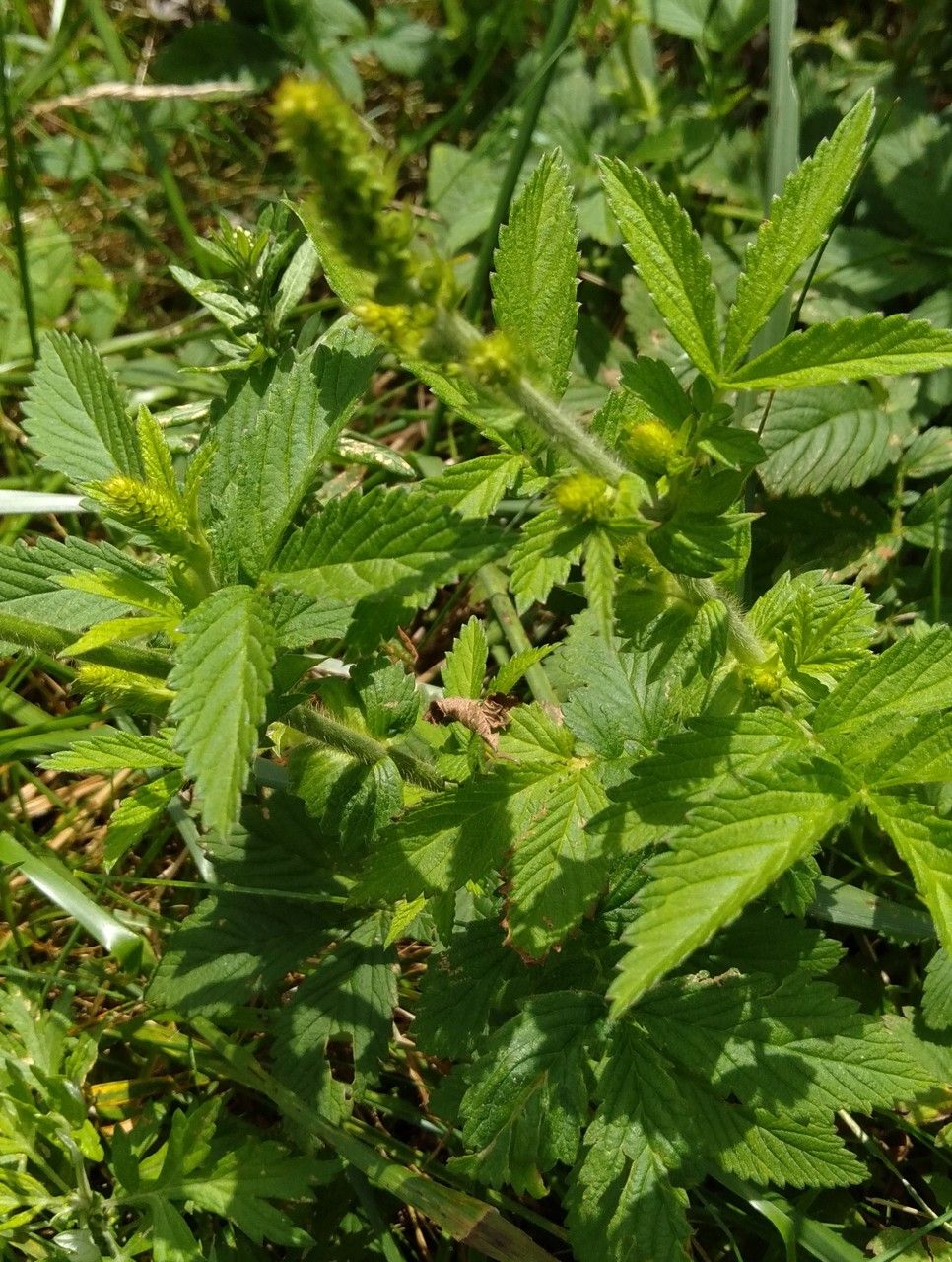
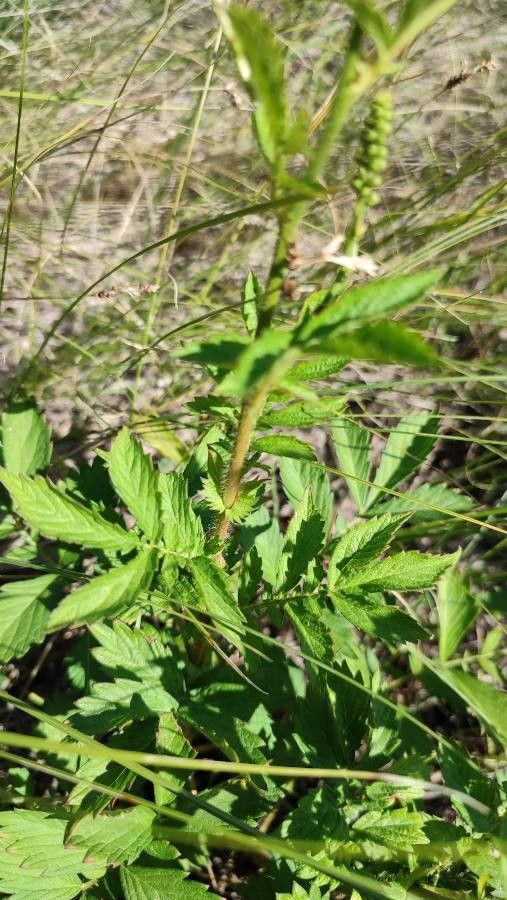
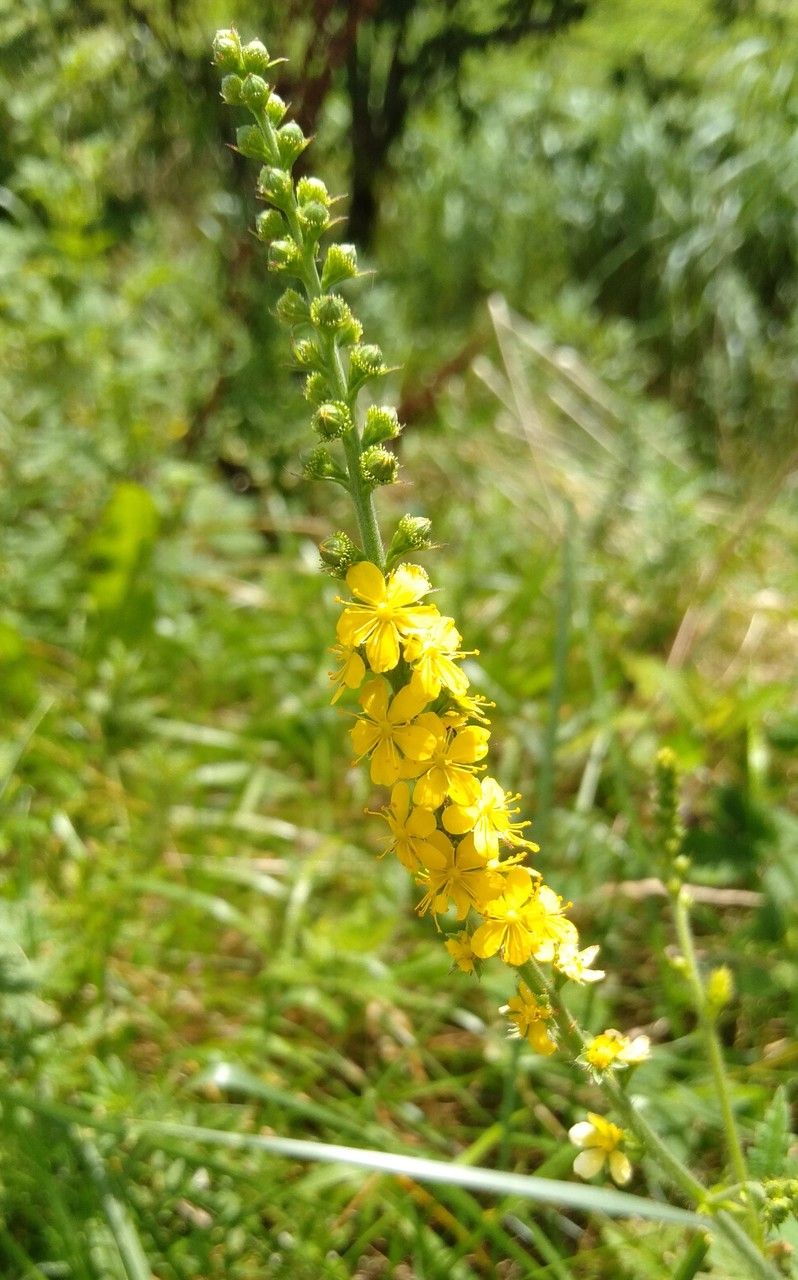
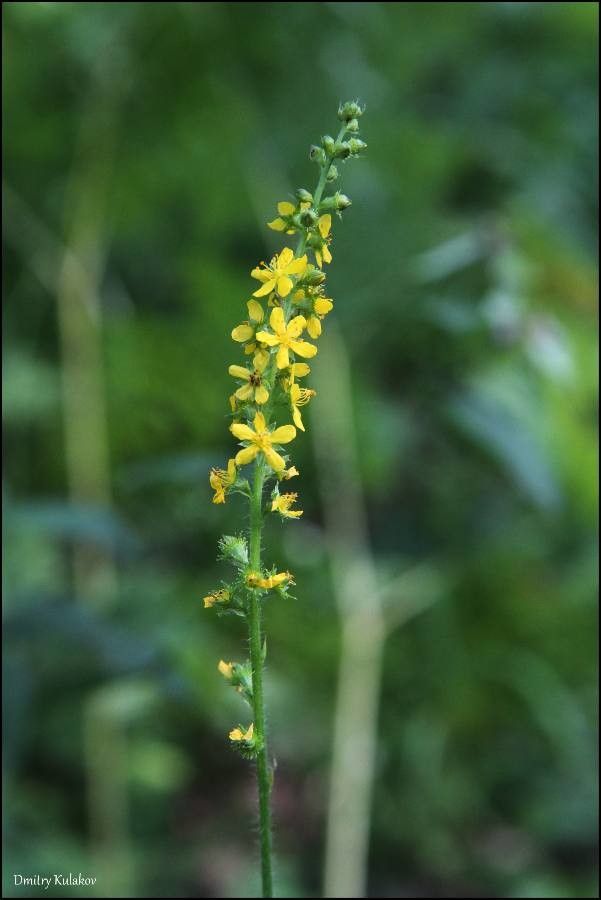
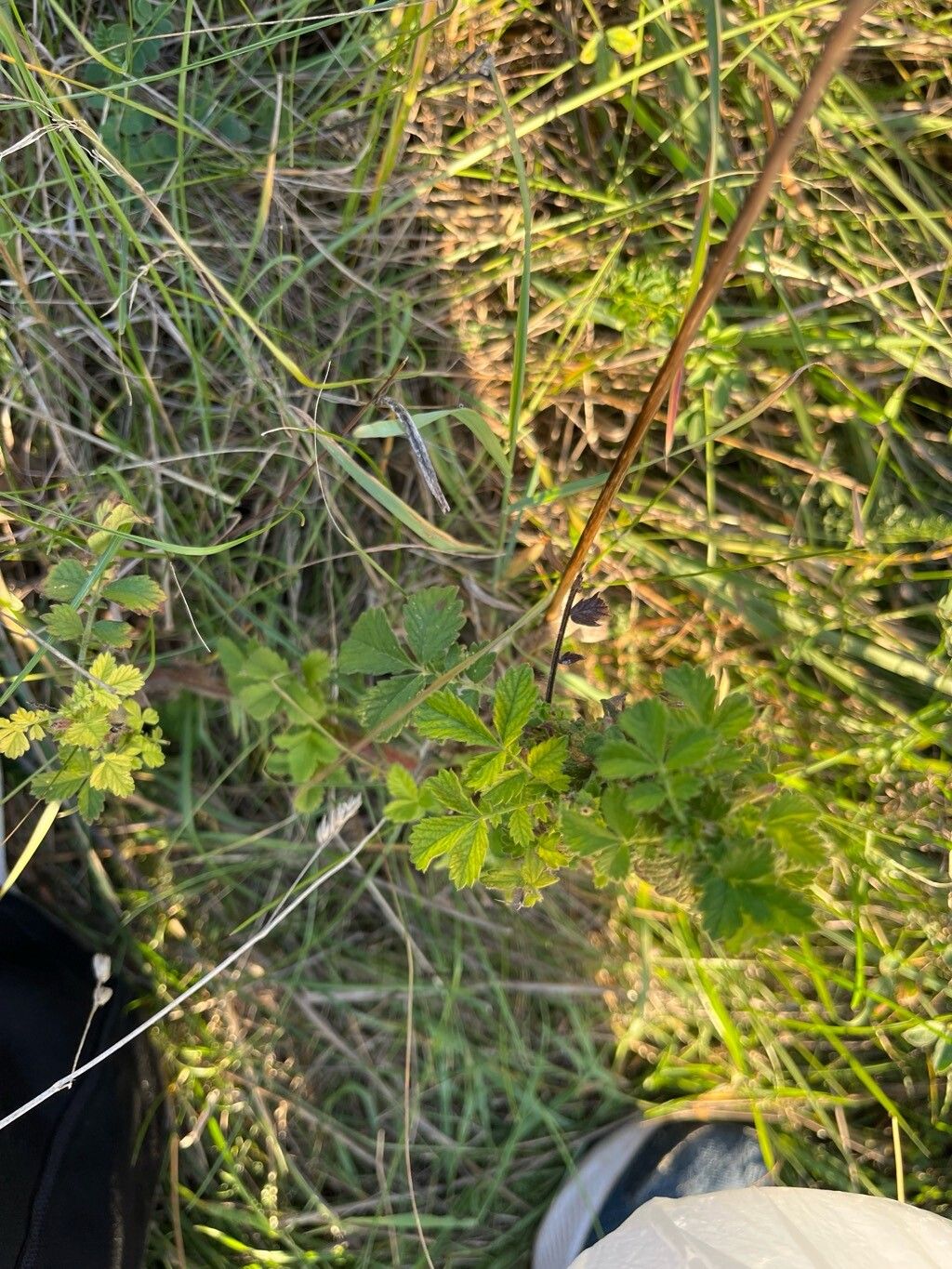
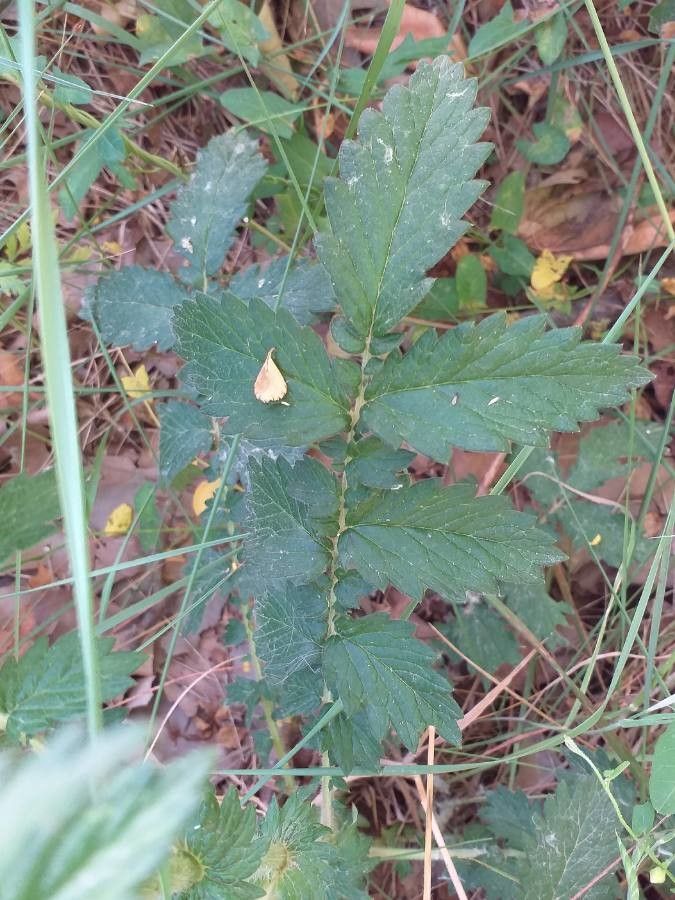
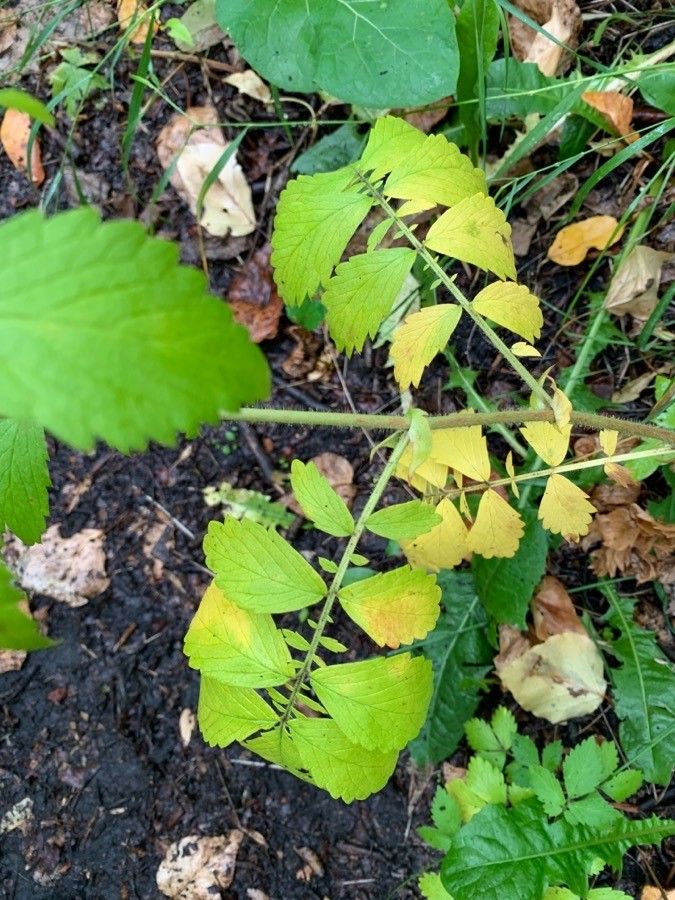
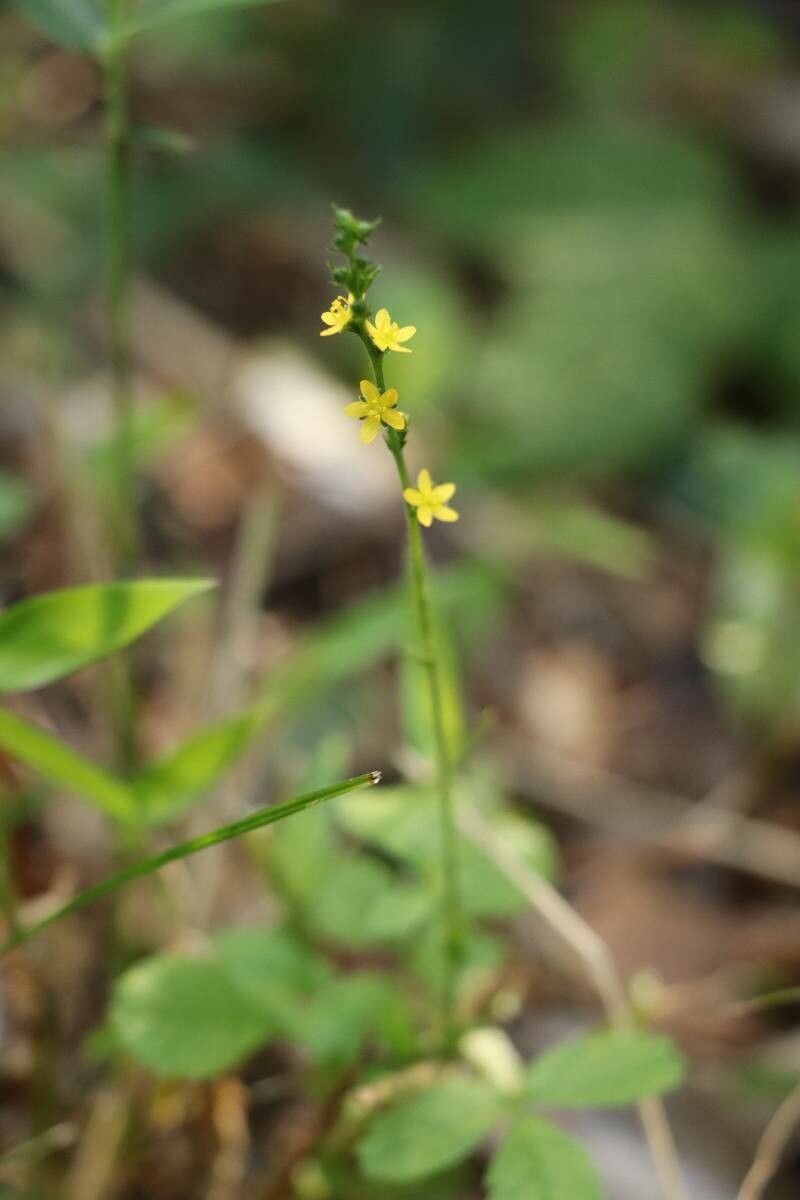
Agrimonia pilosa (Hangul: 짚신나물), also known as hairy agrimony, is a flowering plant in the family Rosaceae. It is distributed primarily over the Korean Peninsula, Japan, China, Siberia, and Eastern Europe.
Hairy agrimony is fairly resistant to disease and generally not prone to illness. However, it can be affected by pests and diseases present in its environment. These infections tend to be mild. In terms of care, this plant needs a moderate amount of maintenance. It should be pruned regularly to keep a neat appearance and encourage healthy growth. Fertilizing can also help stimulate flowering. Hairy agrimony is suitable for anyone with outdoor space, such as a garden or patio, and does not require much experience in plant care. It may need more attention if grown indoors.
How to keep Agrimonia Pilosa.
Light
Hairy agrimony does best in places where sunlight is intermittent rather than continuous throughout the day. Too much sun can scorch the leaves, while too little light can slow its growth. Its native habitat, which featured a blend of sun and shade, supports this light preference.
Water
Hairy agrimony, native to temperate regions, thrives in moderately moist environments due to its effective water regulation. To maintain its moisture balance, it should be watered weekly. Rainwater during the growing season also satisfies its needs, making hairy agrimony a low-maintenance choice for gardens.
Temperature
Hairy agrimony comes from temperate areas. Its preferred temperature for growth is between 59 and 95 °F (15 to 35 ℃). Therefore, maintain these temperatures, particularly during colder seasons, to promote healthy growth.
Fertilizer
Usually one spring application of fertilizer is enough for Hairy agrimony, though several feedings will maximize growth. Fertilize every month to a month and a half. Fertilization improves the look and function of the leaves, helping maintain uniform color and a healthy texture. It also encourages root development and nutrient uptake for the plant's long-term health.
Pruning
Hairy agrimony features hairy stems and serrated leaves, necessitating careful pruning from early to late spring. Remove any dead or damaged branches to encourage growth, improve airflow, and increase light penetration. Ensure you use sharp, sterilized tools, and avoid making excessive cuts to minimize stress and enhance flower production.
Botanical profile.
- Plant Type
- Herb
- Life Cycle
- Perennial
- Genus
- Agrimonia
- Family
- Rosaceae
- Hardiness Zone
- 7-10
- Mature Height
- 0.3 m to 1.22 m
- Mature Spread
- 30 cm to 49 cm
- Leaf Color
- Green, Dark Green
- Leaf Type
- Deciduous
- Flower Color
- Yellow
- Flower Size
- 0.51 cm to 1.02 cm
- Bloom Time
- Summer
- Planting Time
- Spring, Summer
- Harvest Time
- Late summer, Early fall, Mid fall
- Native Area
- Nepal, Sri Lanka, India, Slovakia, Romania, Poland, Belarus, Ukraine, China, Russia, Lithuania, Kazakhstan, Vietnam, Myanmar, Estonia, Mongolia, Japan, Koppen, Finland, Bhutan, South Korea, Latvia, Moldova, Thailand
Other names.
Reader questions.
What is the ideal growth temperature for Hairy agrimony?
Hairy agrimony, scientifically known as Agrimonia pilosa, thrives in temperate regions with its ideal growth temperature ranging between 59 to 95°F (15 to 35°C). To ensure healthy growth, it's important to maintain these temperatures, particularly during the colder seasons. Hairy agrimony possesses a strong resistance to cold, making special frost protection measures usually unnecessary during winter. However, if winter temperatures are expected to fall below -15°C, providing cold protection by covering the plant with soil or straw is advisable. Additionally, watering the plant abundantly before the first freeze in autumn to keep the soil moist can help prevent drought and water scarcity during winter and early spring.
How does low temperature affect Hairy agrimony?
Hairy agrimony is known for its cold tolerance, performing best in temperatures above 15°C. Despite its resilience, it should be kept above -10°C during winter. Exposure to temperatures below -15°C might not manifest noticeable changes during the winter itself, but can result in a decreased sprouting rate or even a failure to sprout during the following spring. To mitigate this, it's recommended to remove any parts of the plant that have failed to sprout in spring.
How does high temperature affect Hairy agrimony and what are the recommended solutions?
Hairy agrimony should ideally be kept below 35°C during the summer months. When exposed to temperatures exceeding 41°C, the plant's leaves may lighten in color and become prone to curling and sunburn, with the potential for the entire plant to wilt and dry out in severe cases. Solutions for dealing with high temperature stress include trimming away sunburned and dried parts of the plant, relocating it to a shaded area or using a shade cloth to protect it from the midday and afternoon sun, and ensuring it is watered in the morning and evening to maintain soil moisture.